
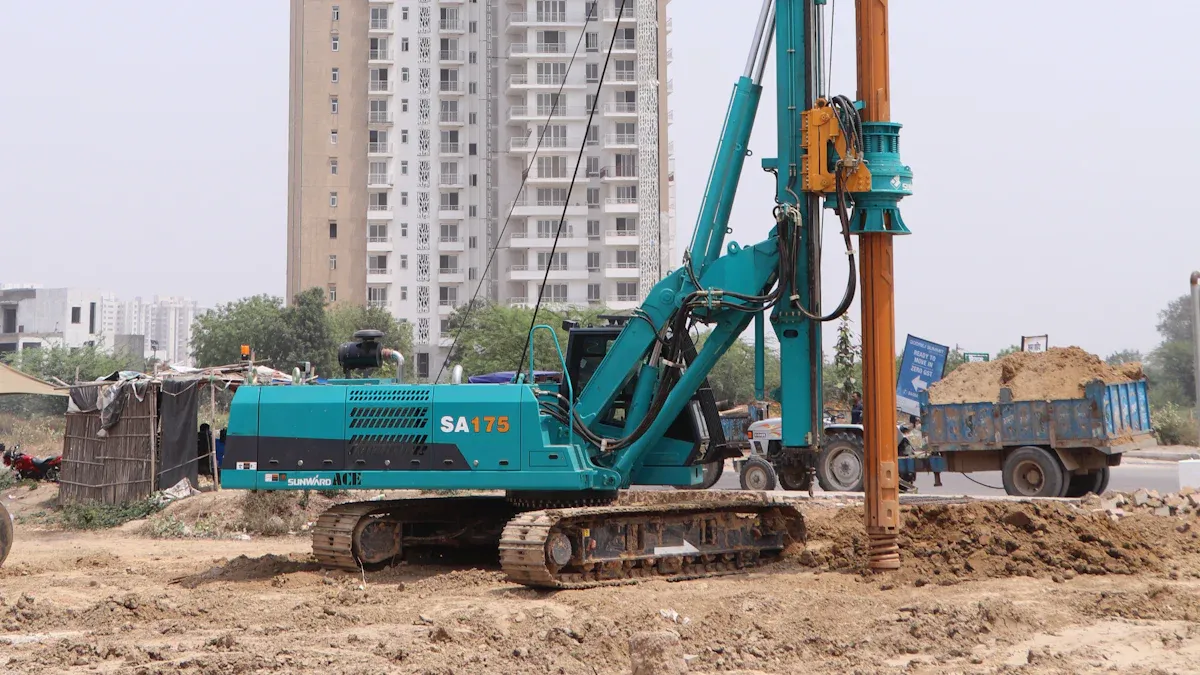
Drill rods often get stuck and can break during horizontal directional drilling (HDD) work. This causes significant problems, leading to high costs and prolonged work stoppages. Repairs are expensive. CEGC offers solutions to these issues. The Horizontal Directional Drilling Rig Anti Stick System is a key new tool designed to prevent these dangers and make drilling safer. This blog explains how this anti stick system prevents rods from breaking during drilling operations.
Key Takeaways
-
Drill rods often get stuck. They break during horizontal drilling. This costs a lot of money. It stops work.
-
An anti-stick system uses smart technology. It watches drilling. It makes automatic changes. This stops rods from breaking.
-
This system cuts down on idle time. It saves money. It makes drilling safer. Equipment lasts longer.
Why Drill Rods Get Stuck in HDD
Horizontal directional drilling (HDD) can cause drill rods to get stuck. This happens for many reasons. Knowing these reasons helps avoid expensive delays.
Ground Problems
The ground itself often causes issues. Different dirt types can make rods stick. For example, sticky clay, loose sand, or hard rock can cause sticking. This is called differential sticking. It happens when pressure around the drill string holds it tight. Shaky ground also causes problems. The hole can fall in around the drill string. This traps it.
Drilling Fluid Problems
Bad drilling fluids are a big reason for sticking. Fluids must have the right traits. If the fluid is too thick or thin, it can't clean out the hole. This lets dirt pile up. If the fluid is too weak, dirt settles. This can get the pipe stuck. If the fluid is too strong, the pipe is hard to move. When dirt builds up, it makes turning hard. This means the pipe is stuck. If the mud is too light, the hole can fall in. This also gets the pipe stuck.
How We Drill
How the drill rig is used also matters. Turning or pushing the drill string too much can make it jam. Changing drill speed or push too fast can cause sudden twists. These sudden forces can get the drill string stuck. Such ways of drilling stress the equipment. They raise the chance of rods breaking.
How a Horizontal Directional Drilling Rig Anti Stick System Works
A horizontal directional drilling rig anti stick system uses smart technology. It helps prevent drill rods from getting stuck. This system works by watching what the drill is doing. It then makes changes on its own. This keeps the drilling smooth and safe.
Monitoring and Analysis
The system first watches everything very closely. Sensors on the horizontal directional drilling machine track important things. They measure how much the drill is twisting (torque). They also measure how hard it is pushing (thrust). The speed of rotation is also watched. These sensors send information all the time.
Computers then use this information. They have special programs, called algorithms. These programs look for signs that the drill might get stuck. For example, a sudden jump in twisting force (torque spike) is a bad sign. If the drill stops turning easily, that is also a warning. The system can even use machine learning. This means it learns from past drilling jobs. It can see patterns in the data. It looks at how fast things are changing. This helps it find problems before they get big. It can tell if the drill is about to get stuck. This is like having a smart helper always watching the drill.
Automated Responses
When the system sees a problem, it acts fast. It makes automatic changes to the drilling. It might reduce how hard the drill is pushing. It can also reverse the drill's spin for a moment. Sometimes, it will send more drilling fluid down the hole. This helps clean out dirt.
CEGC's "Anti-Stall Powertrain & Overload Protection" is part of this. It uses hydraulic load sensing. This means it feels how much work the drill is doing. It can then slowly increase or decrease power. This stops sudden jerks that can damage rods. In some cases, a larger pipe can be used. This wash pipe goes over the drill string. It spins around the drill string. This helps keep the main drill string from getting stuck. It also helps keep the hole open if the drill needs to be pulled back. This makes the horizontal directional drilling rig anti stick system very effective.
System Components
The anti-stick system has several key parts.
-
Sensors: These are like the eyes and ears of the system. They measure torque, thrust, and rotation speed.
-
Control Unit/Processor: This is the brain. It takes all the sensor data. It runs the algorithms. It decides what actions to take.
-
Hydraulic/Electronic Actuators: These are the muscles. They make the changes to the drill. They can adjust thrust or rotation.
-
User Interface: This is how the operator sees what is happening. It shows alerts. It lets the operator know if there is a problem. This helps the operator of the hdd machine stay informed.
Benefits of an HDD Anti-Stick System
Reduced Downtime and Costs
An anti-stick system greatly cuts down on lost work time and expenses. It stops drill rods from breaking. This means fewer costly repairs and replacements. It also avoids expensive recovery efforts for stuck pipes. Stuck pipe incidents, especially differential sticking, cause huge money losses. These often lead to total loss of the hole. The Nitrogen Assisted Technique is a low-cost way to free stuck pipes. It saves many drill strings and prevents losing the drilled hole. This directly lowers the big money losses from traditional recovery methods. These losses can be over 500 million USD each year globally for hdd projects.
Improved Efficiency and Safety
This system makes drilling operations smoother and faster. It allows for continuous work. This increases how much work gets done each day. It also makes the job safer for workers. Operators face less physical strain and fewer dangers. The system handles many difficult tasks automatically.
Extended Equipment Life
The anti-stick system protects your equipment. It reduces sudden twists and hard shocks. This keeps drill rods, threads, and tools from wearing out fast. This helps your horizontal directional drilling rig anti stick system last longer. The Anti Stick-Slip Tool (AST) helps here. It uses a mechanical damping system. This system absorbs extra energy from uneven drilling forces. It works like a shock absorber. When forces are too high, the AST shortens. This reduces the force on the drill bit. It makes drilling smoother. This continuous action acts as a buffer. It provides steady force and cuts down on vibrations. The AST stops stick-slip. Stick-slip is when friction makes the drill string stop or stall. This can damage the drill bit and other tools. It can also harm the drill string. By stopping these vibrations, the AST protects the entire hdd machine.
A horizontal directional drilling rig anti stick system is very important. It stops rods from breaking. It also stops projects from being late. This system watches things as they happen. It makes changes by itself. This makes HDD projects safer. They work better. They cost less too. This fits with CEGC's strong answers. Using this new way helps contractors. It helps utility companies. It helps city projects for a long time. These systems are now a top standard. They are for trenchless drilling rigs.
FAQ
What is an anti-stick system?
An anti-stick system has sensors. It uses smart software. It watches how drilling is going. It helps stop drill rods from getting stuck. It also stops them from breaking. This happens during horizontal directional drilling.
How does it stop drill rods from breaking?
It finds problems fast. The system changes things by itself. It can push less hard. Or it can change how it spins. This stops strong forces. These forces can break rods. It keeps the directional drilling machine safe.
Can this system be used on any horizontal directional drilling machine?
Many new horizontal directional drilling rigs can use these systems. Some older rigs might need new parts. It often works with controls already there. CEGC has solutions that can be changed for you.


