
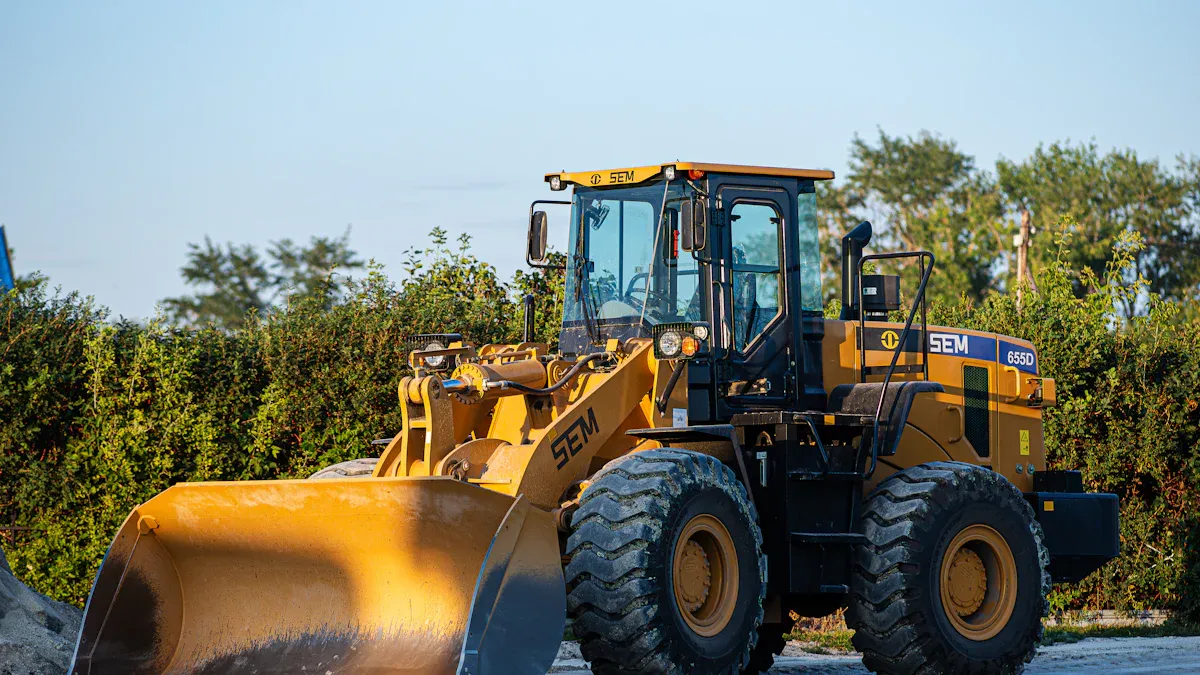
HDD equipment jams cost a lot of money. They stop work. You have these problems in sticky dirt. You also have them in rocks. This happens during hdd drilling. These hdd jams do not have to happen. You can stop them before they start. This makes things safer. This blog talks about "hdd equipment jam free tech handles sticky ground." It uses special liquids. It uses special tools. It watches things as they happen. It uses skilled workers. This helps with horizontal directional drilling. CEGC has ways to stop hdd jams. They offer trenchless technology. This makes things safer.
Key Takeaways
-
Plan your drill work carefully. Check the ground and find all buried lines. Make a good drill plan to stop problems.
-
Use special drilling liquids. Change them for different ground types. This helps keep the hole stable and removes dirt.
-
Use special tools and watch your drilling closely. Good drill bits, reamers, and sensors help prevent jams and keep the drill path steady.
Understanding Jams In Challenging Ground
You face many challenges. These happen during hdd projects. Knowing these issues helps you stop them. This section tells why hdd equipment jams happen. It also talks about their impact.
Common Challenging Ground Types
You find many difficult ground types. Sticky clays are a problem. They stick to your hdd equipment. Cobbles are loose rocks. They also cause issues. They can move and block your path. Fractured rock formations are hard. These areas are often not steady. They cause falling blocks. They also cause bore collapse. Unclean boreholes come from fractured rock. Drill cuttings build up. This causes jamming. This happens when you put in or take out tools. High friction can stick your pipeline. Uneven hard and soft ground also causes problems. Your drilling tool gets uneven forces. This makes your hdd drill go off course. You need to know these ground conditions. This helps you plan for good hdd work. Different soils need different ways. You must change your methods for each soil.
Jamming Mechanisms: Mud Rings, Sticking, Bore Collapse
Jams happen in different ways. Mud rings form. This happens when drilling fluid dries. It makes a hard layer. This is around your hdd pipe. Your hdd equipment then gets stuck. Sticking happens. This is when the pipe gets tight. It is against the borehole wall. This often happens in sticky soil. It also happens in unstable ground. Bore collapse is a big worry. The borehole walls fall in. This traps your hdd pipe. It also traps your tooling. These problems stop your hdd work. They make the project less safe.
Consequences Of Jams: Downtime, Damage, Delays
Jams have bad results. You have costly downtime. Your hdd project stops. This costs a lot of money. Your hdd equipment can break. This needs expensive fixes. Or it needs new parts. Project delays will happen. You miss deadlines. This hurts your name. Jams make the project less safe. Stopping these jams is key. This is for good, trenchless hdd. This is where "hdd equipment jam free tech handles sticky ground" is important.
Plan Before You Drill
Good plans stop problems. This is true for drilling. Plan well before you start. It stops jams. You lower dangers. You save money. This part shows how to plan.
Check The Ground
First, check the site. Use ground surveys. They give you facts. They tell about the ground. For long drills, get more facts.
-
If your drill is over 300 meters, dig two test holes.
-
Put holes 10 meters from the drill line.
-
Make them 3-5 meters deeper. This is deeper than your drill path.
-
Pick spots that show different ground. The report tells about dirt and rocks. It has samples to test. For dirt, do SPT tests. This is at different depths. You need dirt facts for frac-out. These include weight, stickiness, and angle. A good check helps plan. You and the client must check facts. Always check old facts. Do not just trust them. This helps you know the dirt.
Find Pipes And Wires
Next, find all buried lines. This is key for drilling. Use special tools.
-
EM locators find lines too.
-
Digging confirms exact spots. These steps stop hitting lines. You can use a Gyro Tool. It gives location fast. Wireless apps use less cable. GPS helps steer your machine. It uses set start and end points. Better trackers give live facts. They mix with line facts. These steps keep workers safe. They protect old lines.
Make A Drill Plan
After getting facts, make a plan. This plan uses all facts. It shows the best path. It also lists the right tools. Pick the right drill liquids. This plan stops jams. It makes the project smooth. This careful plan makes it safe. It makes your project work.
Advanced Drilling Fluids: First Defense Against Jams
You need to handle drilling fluids well. This is your first step. It stops jams. Bad fluid work causes big issues. It can cause frac-outs. It can cause bore collapse. This part shows how to use special drilling fluids. They help you avoid these problems. They make hdd projects work.
Tailoring Fluid Properties For Ground Conditions
You must change your drilling fluids. Do this for different soil types. This is very important. For sandy ground, you need special changes. You change how thick it is. You change its gel strength. You change its weight. Adding Xanthan Gum makes it much thicker. Bentonite, calcite, and aluminum chloride hexahydrate make it heavier. These changes cut fluid loss by half. You can add things to bridge gaps. Or you can add things to make it thicker. For example, add 0.05% PAC. Use less bentonite. This can cut fluid loss by 13%.
|
Additive |
Primary Function |
|---|---|
|
Bentonite |
Main thickener, stops fluid loss |
|
Xanthan Gum |
Second thickener, stops fluid loss |
|
Polyanionic Cellulose (PAC) |
Controls fluid loss, makes a thin filter cake, makes it thicker |
|
Calcium Carbonate (CaCO3) |
Helps fill gaps between soil bits |
|
Aluminum Chloride Hexahydrate ([Al(H2O)6]Cl3) |
Helps fill gaps between soil bits |
Perlite particles also help. Add them to drilling fluid. They make the filter cake better. They cut fluid volume by 41%. They also make the filter cake less leaky. This is by 58% (inside) and 25% (outside). This works well in sandstone. It shows perlite helps with fluid loss. This is in sandy ground.
For sticky clay, you need other fixes. These stop mud rings. They stop sticking.
-
TorqBreaker: This liquid coats clay and drill pipe. It stops bits from getting stuck. It stops clay rings. It also makes things smoother. It lowers twisting.
-
PolyMud: This liquid wraps around clay bits. It stops them from sticking. This is to the bit and pipe. It also stops clay from swelling.
-
QuickSticks: These tubes melt fast. You pump them down. They clear stuck clay. They lower twisting. They make drilling faster.
-
ClayBreaker: This additive breaks clay apart. It lets them flow freely. It stops bits from getting stuck. It stops clay rings.
-
ClayBreaker Ⅱ: This liquid stops bits from getting stuck. It stops clay buildup. It works in active clay soil types.
-
ClayRipper Sticks: These tubes melt by themselves. They have walnut hulls. They cut sticky clays from the bit. They clear the space around it.
-
ClayThinz: This thick liquid thins drilling fluids. It fixes bits getting stuck. This is in sticky clays.
-
DCS Surfactant: This liquid stops clay bits from sticking. It helps them move out of the hole. It also makes things smoother. It lowers twisting.
-
DCS SuperSticks / ReamerSticks: These clean the bit. They clean the bottom tools. They use special liquids. ReamerSticks are solid soap sticks. They clean the bottom hole. They make it smooth.
-
DRILL-TERGE: This liquid makes things wetter. It stops clay from sticking to tools.
-
CLAY CUTTER: It stops clay bits from sticking. It stops the hole from swelling. It lowers turning and pulling force.
-
CLAY CUTTER DRY: Add this to fresh or salt water drilling fluids. It brings more bits up. It lowers twisting and dragging. This is in active clay.
-
INSTA-VIS PLUS: This liquid makes drilling better. It mixes fast. It gets thick. It also stops clay and shale.
-
INSTA-VIS DRY: This powder works well. It is for sticky clays and shale. It makes drilling faster. It makes the hole stable.
You must know the soil conditions. Ground checks help you. They help find the right mud mix. Simple mixes are often not good. They can cause frac-outs. Or they can cause bore collapse.
Polymer Additives For Borehole Stability
Polymer additives are key. They make holes stable. They help a lot in loose ground. EZ-MUD GOLD stops clay and shale. It works well in wet ground. It stops clay and shale from swelling. It also makes thin drilling fluids flow better.
Sodium polyacrylate is a water polymer. It gets very wet. It gets very thick. You can use it alone. Or you can add it to hdd. It makes a stable fluid. This fluid carries bits well. It controls fluid loss. It makes things smooth. This polymer gets very thick. This is even with a little bit. This means you use less stuff. It helps move bits well. Unlike bentonite fluids, it gets thick from polymer chains. This means less mixing time. Less pump wear. Less cost to throw away. You can change how thick it is. Just change how much polymer you use. This gives you good control. It controls how the fluid works.
Polymers added for thickness. Or for fluid loss control. They can make plastic thicker. This is true after mixing. Long polymers, like HEC and CMC, have the biggest effect. Short polymers, or thin ones, affect plastic less.
Weighting Agents And Thixotropic Properties
Weighting agents are important. They help control ground pressure. They keep the hole stable. Their main job is to keep enough pressure. This stops ground fluids from entering. This stops dangerous blowouts.
-
Barite: This is a common heavy agent. It is very heavy (at least 4.2 g/cm3). It lets mud weigh over 19 lb/gal. It is also safe. You can make it very fine. This means less loss. Less bits settling.
-
Hematite: This is heavier than barite. It is at least 5.05 g/cm3. But it is hard. It can affect fluid flow. It can wear out tools. Its magnets can mess with drilling tools.
-
Ilmenite: This is another heavy agent. It is heavier, like hematite. It can also cause problems. It affects fluid flow. It wears out tools. Its magnets can mess with drilling tools.
Hdd drilling fluids get thinner when moving. They get thick when still. This is called thixotropic. The gel strength is very important. It keeps bits floating. This is when flow slows or stops. Bentonite mud acts thixotropic. It acts like liquid when mixed. It gets solid when still. This helps make the hole stable. This lets fluid flow easily. This is during drilling. It then gets solid around the walls. This is when not moving. Bentonite makes a gel layer. This layer stops loose soil from falling. This is true in unstable ground. The gel strength of bentonite holds bits. This is when circulation stops. This is a key technology. It is for drilling fluid safety.
Mud Mixing And Management Best Practices
You need to manage drilling fluids well. This starts before you bid. Ask yourself these things:
-
Where will your team get water?
-
How much drilling fluid do you need?
-
What is the ground like?
-
What are the rules for mud disposal?
-
How far is the closest disposal site?
You must find the real hole size. Then, figure out the fluid-to-soil ratio. For sand, gravel, rocks, use 1-to-1. For clay, use 2-to-1 up to 6-to-1. For active shale, use 10-to-1 or 20-to-1. You also need to know rod length. And pump power. Then, you can figure out how much hdd mud you need.
The order of mixing matters. For example, add polymers first. Do this before bentonite is fully mixed. If not, it can cause clumps. PAC polymers should go in first. Then PHPA polymers. Dry polymers should go in first. Then liquid polymers.
Drilling fluids do important things:
-
They make the hole stable.
-
They hold up bits, or spoils.
-
They carry the bits out of the hole.
Drilling fluid safety is most important. The fluid is mostly water. It usually has 3-4% additives. Like bentonite or polymer. You must test the calcium. And the pH level of the water. Bentonite and polymers work best. This is when pH is between 8.5 and 9.5. You can change this with soda ash. High calcium (hard water) can make additives less good. Calcium below 100 parts per million is better.
You should also think about these things. These are about drilling fluids:
-
pH level and hardness: These are main things.
-
Viscosity: This is how thick the fluid is.
-
Density: This is how heavy the fluid is. It is also how much solid is in it.
-
Filtration loss and fluid cake: These make the hole stable.
-
Gel strength: This shows how well it holds things up.
To be ready with fluid, ask these before a job:
-
How much fluid is there?
-
What are the soil conditions?
-
What if fluid comes out by accident?
-
How will fluid move? From one end to the other?
-
How will you handle fluid on site?
-
How will you get rid of spoils after?
Knowing ground conditions is key. This is for choosing drilling fluids. Trenchless hdd projects need this. Safety is always first. Your team should know about mud. They need to change fluid. This is as ground changes. This makes things safe. It makes things work well.
Specialized Tooling For Jam Prevention
You need special tools. They stop jams. This helps with horizontal directional drilling. These tools fix problems. They fix stuck pipe. They fix twisting. They fix high costs. They make twisting smoother. They make your equipment last. This part shows how tools help. They make "hdd equipment jam free tech handles sticky ground."
Optimized Drill Bits And Reamers
Pick the right drill bits. Pick the right reamers. This is very important. They match the ground. This stops jams. It makes tools last longer.
PDC bits work well. They work in hard ground. They drill faster. They last longer. This is compared to tricone bits. Tricone bits break rock. They grind rock. They drill fast in shale. Both work in hard rock. Both work in broken rock. PDC bits are for steady hard ground. Tricone bits are for many rock types.
Special drill bits are key. They are for hdd in broken rock. Engineers make them. They drill well. They steer well. They last long. They make the first hole good. Roller cone bits work. They work for medium rock. They work for hard rock. This includes broken rock. They have spinning parts. These parts have steel teeth. Or they have hard inserts. These crush rock. They cut rock. PDC bits are for hard rock. They are for rough rock. They use diamond cutters. They cut well. They drill fast. They last a long time.
Backreaming Strategies For Borehole Integrity
Backreaming is a key step. It keeps the hole strong. This is true in shaky ground. You must backream carefully. Check tight spots. Do this before pulling the pipe. This checks the hole size. It checks the hole condition. It stops more collapse. Clean the hole. Pump fluid from the bottom up. Watch the fluid. See how many cuttings are there. Watch twisting. Watch dragging. This helps you know what to do.
Different reamers change the hole. They stop jams. This is in different soil types.
-
Underreamers: They make turns smooth. They make edges smooth. They stop casing wear. They make areas separate. This means fewer breaks. They stop stuck pipe. This is with tool control.
-
Expandable Underreamers: They have cutting arms. These arms move out. They go through tight spots. Then they get bigger. They have safe ways to pull back. This stops stuck tools.
-
ROTO LOC (Specialized Variant): This design works. It works for hard rock tunnels. It works for drilling through dirt. It has arms that pull back. It has parts that stop rubbing. This stops casing wear. It stops breaks. This is in tough ground.
-
Fixed-blade Underreamers: These are simple. They are reliable. They work in steady holes. They make work easier. They need less fixing. But they cannot go through tight spots.
Underreamers work in many places. They work in shale. They work in loose sand. They work in soft rock. They have strong cutters. But they have limits. This is in very shaky ground. Swelling shale is one example. Sticky clay can jam the arms. To lower risks, plan first. Use special tools. These help free stuck tools. This makes hdd safer.
Swivels And Anti-Twist Devices
Swivels are important. Anti-twist devices are important. They protect your drill pipe. They stop damage. This is during pullback. A swivel lets the pipe spin freely. It is separate from the reamer. It is separate from the product pipe. This stops twisting. It stops binding. Anti-twist devices stop the product pipe from twisting. This is key. It keeps it whole. It stops damage to the product. Using these tools makes hdd safer. It makes it work better.
Pilot Hole Management And Enlargement
Good pilot hole work is key. It helps make the hole bigger. You must drill the pilot hole right. Use good guiding systems. This keeps you on target. After the pilot hole, make it bigger. Use reamers in steps. This slowly makes the hole wider. This step-by-step way stops too much stress. It lowers the risk of collapse. It also lowers the chance of stuck hdd equipment. Careful use of drilling fluid is also key. This is during enlargement. It removes cuttings well. It keeps the hole strong. This careful way makes hdd smooth. It makes the project safer.
Watch And Act Fast
You need to watch your hdd project closely. This helps you avoid problems. This tech stops bad bores. It stops stuck pipes. It makes hdd work smooth. This is key for any hdd job.
Watch How You Drill
You must always check drilling facts. Watch twisting, pushing, and pressure. High twisting can mean a stuck pipe. Quick pressure changes show problems. CEGC's system matches these forces. This stops sudden twists. It keeps your hdd rig working well.
Sensors Give Early Warnings
Sensors in the hole give early warnings. They show hdd problems. Fiber-optic sensors check heat. Sonic tools look at the ground. EM tools find layers. Strong mechanical units watch speed and twist. Good pressure sensors stop blowouts. Smart systems use this data. They warn you about stuck pipes. This makes things safer.
Guide Systems Keep Bore Steady
Good guide systems keep your hdd bore steady. They stop it from going off. CEGC has systems ready to track. These systems use INS, sound, and RMRS. They fix the path exactly. You control speed and twist carefully. A smart path system uses live data. It uses computers to make changes. Guide sleeves and supports keep the drill bit steady. Lasers make sure the path is straight. These safety steps are key for good hdd.
Plans For Bad Times
Even with good watching, problems can happen. You need clear plans for bad times. Get ready for ground changes. Know how to free a stuck pipe. This way of thinking keeps projects safe. It keeps your trenchless hdd job on time.
Operators Need Skills
You need good operators. They stop hdd jams. They make projects work. People are very important. They make horizontal directional drilling good.
Why Operators Need Experience
A skilled hdd operator knows the machine. They know the drill rig. They know the mud pump. They know the control panel. They know how parts work together. They know how to drill. This includes putting in pipe. This includes making holes bigger. This includes pulling back. They change how they drill. This depends on the ground. They know about different soil and rock. This helps avoid big mistakes.
Training To Stop Jams
Good training is a must. You need to work the machine. You start it. You stop it. You move the controls. You need to practice drilling. You learn to set up the hdd machine. You drill small holes. You make them bigger. You pull back pipe. You fix common hdd problems. Training on fixing things is also key. You check things often. You check oil levels. You check hoses and cables. You do small fixes. This keeps hdd equipment working well. This makes the site safer.
Making Choices When Things Are Hard
Operators make quick choices. This happens in tough spots. You need to act fast. This stops bigger problems. Your experience helps you. This keeps the project safe. Good operators can fix hard problems. They make the project work.
You can stop HDD equipment jams. Use many different methods. Good fluid tech helps. Special tools help. Watching things as they happen helps. Planning before you drill helps. Skilled workers are very important. This "hdd equipment jam free tech handles sticky ground" makes your hdd projects safer. It lowers costly stops. It makes sure your horizontal directional drilling works. Putting money into this "hdd equipment jam free tech handles sticky ground" makes hdd drilling better. It also makes more money. CEGC's ideas help you reach your trenchless technology goals.
FAQ
How do special drilling fluids stop jams?
You change fluids for the ground. Polymers make holes strong. Heavy stuff controls pressure. Good mixing cleans out dirt. This stops mud rings. It stops sticking.
How do special tools help stop jams?
You use good drill bits. You use good reamers. They fit the ground. Backreaming keeps the hole strong. Swivels protect your pipe. Anti-twist tools protect it too.
Why is watching things as they happen important for jam-free HDD?
You watch how you drill. You watch twisting. You watch pushing. Sensors warn you early. Guide systems keep your hole steady. This helps you act fast.


