
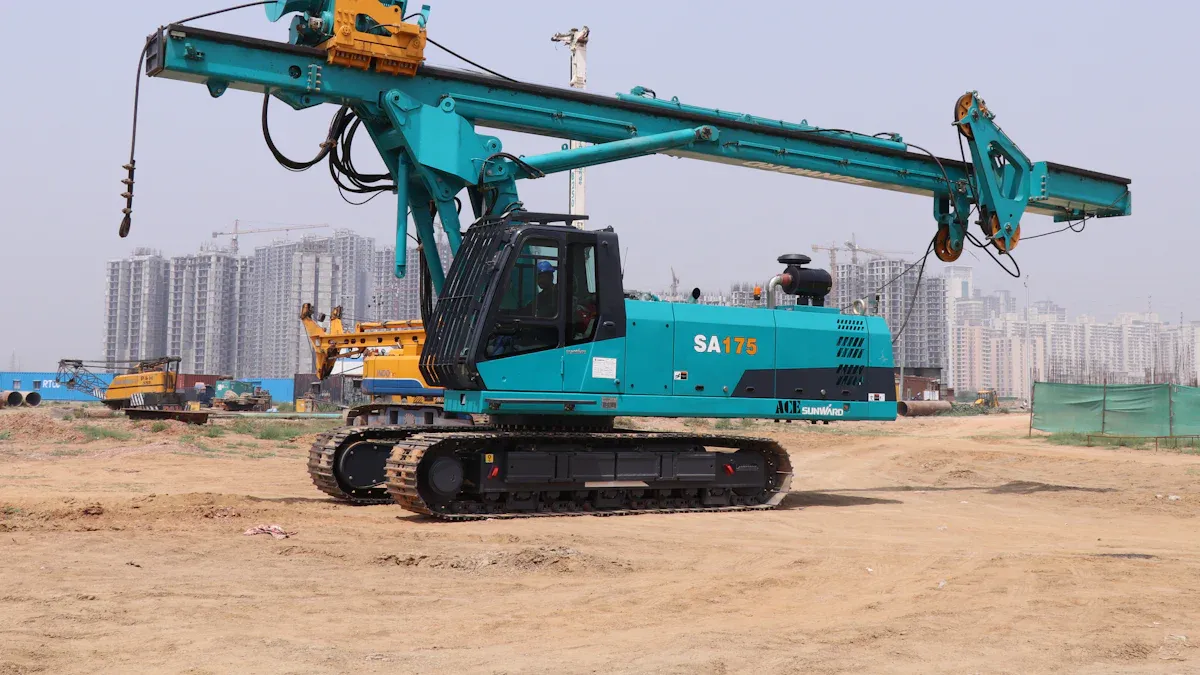
You want your Horizontal Directional Drilling Rig High Speed Move to work fast. CEGC gives you specs that are used in the market. You can also get changes for your project to make it faster. Contractors and utilities often have these problems:
-
Not enough workers means fast training is needed.
-
Good horizontal directional drilling helps get more work done.
-
Planning maintenance stops the rig from breaking down.
Key Takeaways
-
Horizontal directional drilling rigs move fast. This helps finish projects quicker. It also gives better control of the drill path.
-
Precision guidance systems help avoid mistakes. They make drilling more accurate. This means fewer repairs and better efficiency.
-
Picking the right rig specifications is important. Tooling compatibility saves time and money. It helps drilling work well in different soils.
Horizontal Directional Drilling Rig High Speed Move
What High Speed Move Means
You want your horizontal directional drilling rig high speed move to finish jobs faster and with less effort. High speed movement means your rig can move the drill head through the ground quickly and smoothly. This helps you complete more projects in less time. You do not have to wait for slow drilling or worry about the drill getting stuck.
When you use a horizontal directional drilling rig high speed move, you get better control over the drill path. The rig can steer and adjust direction with accuracy. This means you can cross under roads, rivers, or railways without making mistakes. CEGC gives you market-standard specs for horizontal directional drilling rig high speed move. You can also ask for changes to match your project needs. This helps you work in different soils and handle tough jobs.
Operational Benefits
You see many benefits when you use a horizontal directional drilling rig high speed move. Here are some ways it helps your work:
-
You finish projects faster, so you can take on more jobs.
-
You save money because you use less fuel and spend less time on each site.
-
You reduce the risk of mistakes, which means fewer repairs and less rework.
-
You keep your team safe because the rig works smoothly and does not get stuck often.
Tip: Choosing the right horizontal directional drilling rig high speed move can help you avoid costly delays and keep your clients happy.
You also get better hole quality. When your rig moves at high speed, it makes a cleaner path underground. This is important for pulling pipes or cables without damage. Some rigs use rotary steerable systems, which can drill faster and make smoother holes than other systems. You can see up to 39% better performance with these systems in some cases. This means your horizontal directional drilling projects finish on time and within budget.
CEGC lets you pick the specs you need for your horizontal directional drilling rig high speed move. You can choose the right torque, thrust, and control system for your job. This makes your rig work better in hard or soft ground. You get the best results for every project.
Technologies for High Speed Move
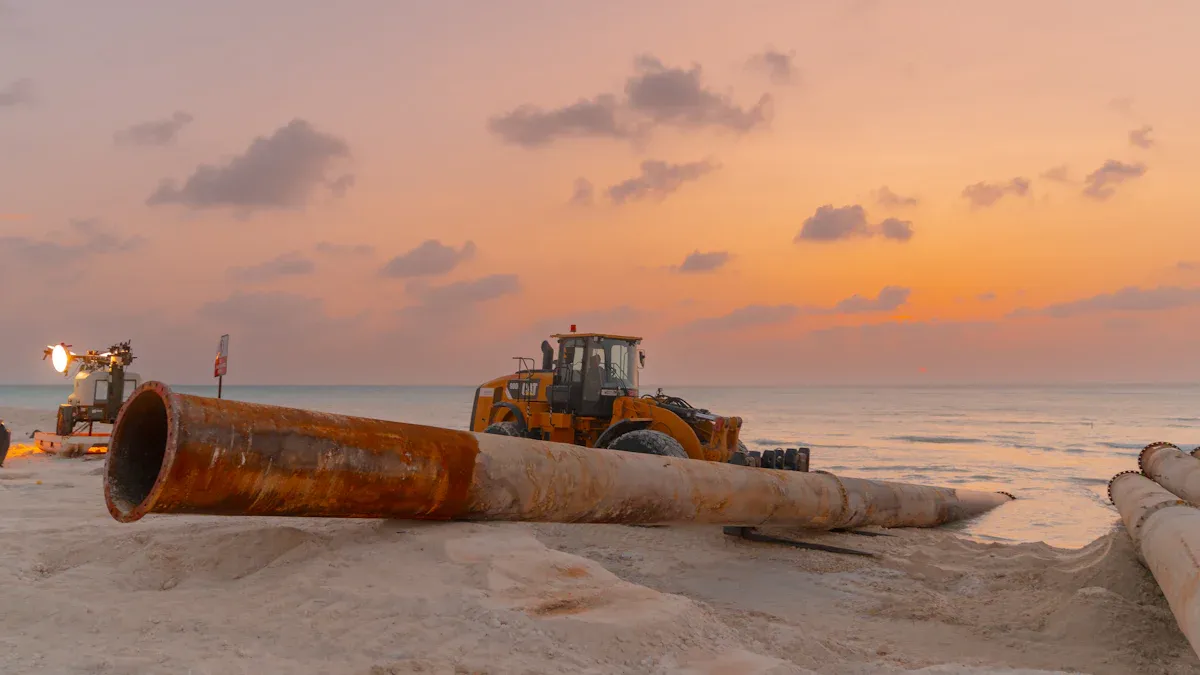
You want your horizontal directional drilling projects to finish fast and be accurate. The right technology helps you do this. Let’s see the main systems that help you work faster and smarter.
Precision Guidance Systems
Precision guidance systems keep the drill on the right path. These systems use special navigation tools and real-time checks. You can see where the drill is underground. You can make quick changes if needed. This lowers mistakes and keeps your project going.
Here are some new advancements in guidance technology:
|
Technology |
Description |
|---|---|
|
Rotary Steerable Systems |
Lets you steer the drill head smoothly and quickly, making fewer stops and starts. |
|
High-speed telemetry |
Sends real-time data to your control system, so you can adjust the drill path instantly. |
|
Autonomous RSS |
Uses automatic steering to follow the planned path, even in tough ground. |
-
Precision guidance systems help you:
-
Stay on the planned path.
-
Make fast changes for different soils.
-
Lower the risk of bore mistakes and extra work.
-
Note: Using these systems gives you better control and faster drilling speed, even in hard jobs.
Anti-Stall Powertrain
You need a strong powertrain to keep your horizontal directional drilling machine moving without stops. The anti-stall powertrain gives steady torque and power. This means the drill does not get stuck, even in tough or mixed ground.
-
The anti-stall system:
-
Matches power to the ground.
-
Protects your rods and tools from damage.
-
Uses smart controls to speed up or slow down smoothly.
-
CEGC’s rigs use hydraulic load sensing and pressure management. You get high torque and overload protection. This technology helps you avoid downtime and keeps your project moving forward.
Tooling Compatibility
Tooling compatibility is important for high speed movement. You want your tools to fit your rig and handle any soil. Quick-connect systems let you change bits fast, so you spend less time setting up.
-
Important features for tooling compatibility:
-
Tools that fit your drilling equipment.
-
Ability to work in different soils.
-
Quick-connect systems for fast bit changes.
-
Durable tools that last longer.
-
The right tooling setup lets you use direct pullback methods and non-threaded connections. These features lower changeover time and help you finish jobs faster. For example, systems like the Ultra X3 housing use standard connections, saving you time and money.
Fluid Management Solutions
Fluid management keeps your drilling operation smooth and safe. You need the right mix and amount of drilling fluid to cool the bit, clear the bore path, and protect the hole.
-
Good fluid management includes:
-
High-pressure pumps for steady fluid delivery.
-
Proper fluid mixes to avoid slow drilling and bore collapse.
-
Reclaimers to recycle fluid and save resources.
-
Advanced fluid management systems keep your drilling fluid clean. They remove solids and stop problems like stuck pipe or frac-out. This technology lowers wear on your equipment and helps you work faster.
Tip: Good fluid management means less downtime and higher productivity on every horizontal directional drilling job.
You can see how each technology works together to boost your drilling speed and efficiency. When you pick a horizontal directional drilling machine with these features, you get better results and more value for your business.
Horizontal Directional Drilling Techniques
Steerable Drilling Machines
Steerable drilling machines help guide the drill head. They follow a planned path underground. These machines let you work faster and more accurately. They have special features that make your job easier:
-
Mud motors near the drill bit help you change direction fast.
-
Rotary steerable systems let you drill and steer at the same time.
-
Custom whipstocks work with downhole motors and cut downtime.
-
Networked pipe systems send real-time data up to the surface.
Here is a table showing important features of steerable drilling machines:
|
Feature |
Description |
|---|---|
|
Advanced Logging-While-Drilling |
Gives you real-time data for better choices. |
|
High Buildup Rates (BUR) |
Lets you drill steep angles without slowing down. |
|
Closed-Loop Steering Control |
Keeps your borehole on track in many types of ground. |
|
Shorter Curve Sections |
Lets you drill tight curves and reach more places underground. |
These features help you use trenchless methods to cross under roads or rivers. You can do this with less risk.
Pilot Hole Control
Every horizontal directional drilling job starts with a pilot hole. Good pilot hole control means you can steer the drill bit very accurately. Modern machines give you real-time data. You always know where the drill is underground. This helps you avoid mistakes and finish jobs faster.
-
You can make the pilot hole bigger for the pullback process.
-
Down-hole motors help with steering and navigation.
-
Tracking systems log the bore path and orientation for better control.
-
Permanent monitoring keeps the drill on the planned path.
Advanced trajectory control systems now reach up to 97% accuracy. This means you can trust your drilling path and finish projects on time.
Rotation and Sliding Modes
You can pick between rotation and sliding modes while drilling. Each mode changes how fast and how well you drill.
|
Aspect |
Rotation Mode |
Sliding Mode |
|---|---|---|
|
Power Transmission |
Whole drillstring rotates |
Mud motor powers bit without rotation |
|
Steering Capability |
Not as good for sharp turns |
Better for making sharp turns |
|
Rate of Penetration |
Faster, less friction |
Slower, more friction |
|
Well Control |
Holds direction well |
Needs careful control |
|
Operational Efficiency |
Good for long, straight drilling |
Takes more time for steering |
You can switch between these modes to match the ground and job needs. This helps you keep your project moving quickly and safely.
You can make your drilling faster by using new products and digital tools. Eco-friendly technology helps the environment. Custom specs let you pick the right torque and speed for the ground. Automation and good fluid management keep your rig working well. CEGC gives you strong performance and solutions for your project.
FAQ
What is the process for setting up a horizontal directional drilling rig?
You start the process by preparing the site. You check the ground. You assemble the rig. You connect the tools. You begin the drilling process.
How does the process improve drilling speed and accuracy?
You follow the process with guidance systems. You use anti-stall powertrains. You select compatible tools. You manage fluids. This process helps you drill faster and stay accurate.
Can you customize the process for different projects?
You can adjust the process for each project. You change torque. You select thrust. You pick control systems. You match the process to the ground and job needs.
Tip: Always review the process before starting. This helps you avoid mistakes and finish the process smoothly.
|
Step |
Description |
|---|---|
|
Planning |
You map the process and goals. |
|
Setup |
You prepare the rig for the process. |
|
Drilling |
You monitor the process closely. |
|
Completion |
You finish the process and check. |


