
When you’re facing a tight deadline for horizontal directional drilling, having HDD Equipment Fast Transport Handles Tight Schedule is essential. Choosing the right equipment from CEGC ensures you can move quickly and keep your project on schedule. CEGC supports you in staying on track, even when you encounter changing ground conditions, unexpected equipment issues, or complex regulations. Making fast, informed decisions with CEGC’s HDD solutions helps you handle every challenge and meet your deadlines.
Key Takeaways
-
Pick the best HDD equipment to save time and finish your project on time.
-
Learn about bore details to pick the right machine size and tools for your work.
-
Think about jobsite conditions and access problems to make moving and setting up your equipment easy.
HDD Equipment Fast Transport Handles Tight Schedule
Project Demands & Bore Specs
You know that every project comes with its own demands. When you choose hdd equipment fast transport handles tight schedule, you cut downtime and keep your team moving. Quick relocation means you spend less time waiting and more time drilling. This helps you finish jobs faster than traditional methods.
Bore specs play a big role in your equipment choice. You need to match the size of your installed product and bore distances to the right machine. As bore diameter grows, you need more thrust and pullback. The drill’s size and tooling must fit your bore specs. Here’s a quick look at typical bore requirements:
|
Bore Diameter Range |
Length Range |
|---|---|
|
150 m to 3,000 m (492 ft to 9,843 ft) |
|
|
Light rigs: 50 m to 1,000 m (164 ft to 3,281 ft) |
Maximum lengths depend on ground conditions |
You can see that bore specs cover a wide range. If you work with a utility directional drill, you need to check these numbers before you start. CEGC offers market-standard specs and project-based customization, so you get the right fit for your job.
-
The size of your installed product matters.
-
Bore distances affect your equipment choice.
-
Bigger diameters need more thrust and pullback.
-
Your drill and tooling must match bore specs.
Machine Size: Mini, Midi, Maxi
Choosing the right machine size helps you stick to your schedule. You want hdd equipment fast transport handles tight schedule that fits your site and your project. Mini, midi, and maxi machines each have their own strengths. Take a look at how they compare:
|
Machine Size |
Transport Requirements |
Setup Time |
Suitability for Job Sites |
|---|---|---|---|
|
Mini |
Less transport effort, standard trucks |
Minimal |
Tight spaces, urban environments |
|
Midi |
More space and logistics |
Moderate |
Moderate-length projects |
|
Maxi |
Heavy-duty transport, cranes needed |
Extensive |
Long-distance drilling, reinforced ground |
If you work in a city, you might pick a mini machine. It moves fast and sets up quickly. For bigger jobs, midi or maxi machines give you more power, but you need more time and space. CEGC helps you choose the right horizontal directional drilling machine for your schedule and site.
Thrust, Pullback & Torque
You need the right thrust, pullback, and torque to handle tough jobs. When you use hdd equipment fast transport handles tight schedule, you get machines that deliver power and reliability. CEGC’s horizontal directional drilling rigs offer load-matched control. This means you get smooth thrust and pullback, even when the ground gets tricky.
If you run into bore deviation, stuck pipe, or tool wear, CEGC gives you technical solutions. You can avoid points of inflection in your pipe stringing area. You can analyze bedrock and watch for coarse materials that cause fluid losses. Larger gravel can make steering tough, but CEGC’s stability system helps you stay on track.
Here’s a quick checklist for handling technical challenges:
-
Define alignment in your HDD design software.
-
Run pull force calculations with real numbers.
-
Export tension profiles to check loads.
-
Adjust geometry, pipe selection, and lubrication to meet your needs.
You also get advanced features like a high-rigidity frame and tracking integration. These help you keep your utility directional drill working smoothly. CEGC lets you customize torque, thrust, rod systems, and control packages. You can match your machine to your bore length and geology.
When you choose hdd equipment fast transport handles tight schedule, you get more than speed. You get accuracy, power, and solutions for every challenge. CEGC stands ready to help you meet your deadlines and keep your projects moving.
Jobsite Conditions & Access
Site Constraints & Mobility
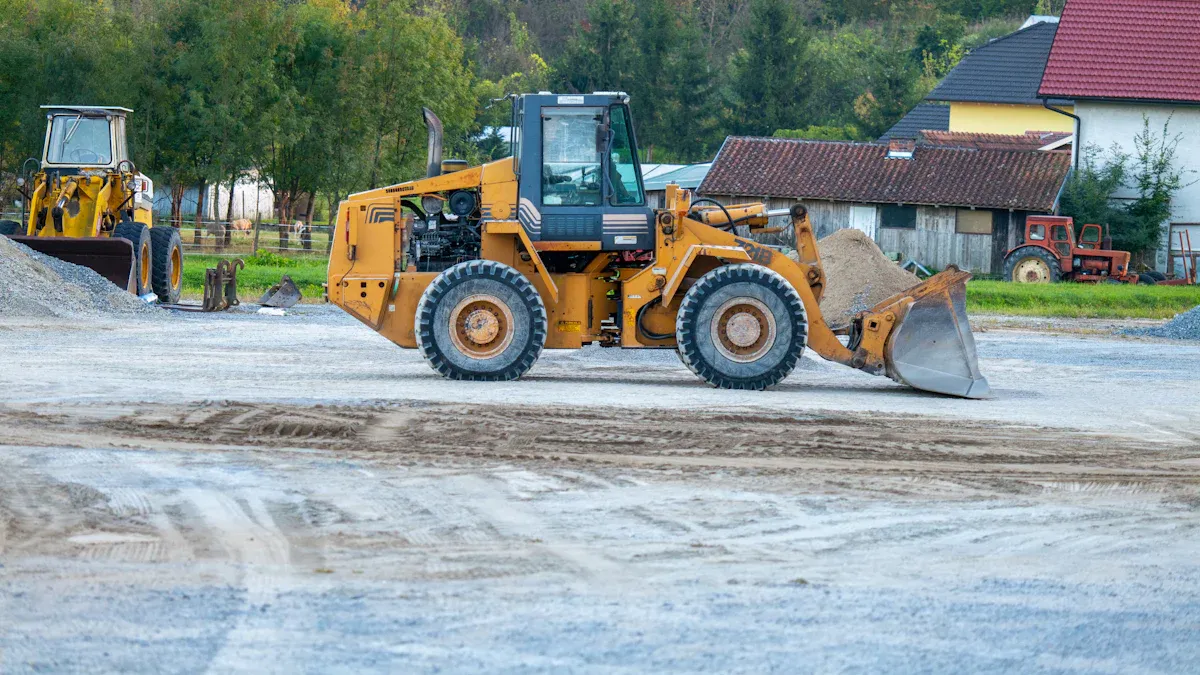
Every jobsite has its own problems. You might have small spaces or rough ground. Sometimes, trucks and support vehicles cannot get in easily. Bad weather can slow you down. Snow or ice makes the ground slippery. You may need all-terrain vehicles to reach the drill site. Steep or sharp roads make moving your horizontal directional drilling machine hard. You might use trailers, excavators, or dozers to bring your equipment.
Here’s a simple look at common jobsite conditions and how they affect moving equipment:
|
Jobsite Condition |
Impact on Transportability |
|---|---|
|
Parking Too Close to the Dig Site |
Heavy weight and vibration can hurt the ground. This can put equipment and people in danger. |
|
Lack of a Spotter |
You might hit things above you. This can break equipment or cause injury. |
|
Ignoring Equipment Limitations |
If you fill debris tanks too much, they get too heavy. This can break rules and cause safety problems. |
You should plan for these problems before you start. Good planning helps you finish your project on time.
Urban, Rural, and Challenging Terrain
You work in many places like busy cities, open fields, or rocky hills. Each place needs a different plan. In cities, you deal with small spaces and time limits. In rural areas, you have more space but less help. Hard terrain means you must plan ahead.
Follow these steps to make getting to the site easier:
-
Learn about the soil and pick the right tools.
-
Make sure you have enough space for the pipe.
-
Plan for time limits in cities so you finish pullback on time.
You also need to check for underground utilities so you do not hit anything.
Safety & Compliance
Safety is always important. You keep your crew and equipment safe by following rules. Use a spotter when moving big rigs. Do not fill debris tanks too much. Watch for lines and things above you. Stay under legal weight limits when moving equipment. If you follow these steps, your project stays safe and follows the rules.
Tip: Check your safety list before every move. A few minutes of planning can save you hours later.
Horizontal Directional Drill Selection
Technology & Precision Guidance
When you choose a horizontal directional drill, you want technology that helps you work faster and more accurately. Advanced guidance systems are very important. You can use features like:
-
Wide frequency selection gives you better signal control.
-
Easy-to-use interfaces let you change settings quickly.
-
Automatic calibration and frequency adjustments save time.
-
Electronic tracking helps you control the bore path.
-
Pitch and roll sensors help with tricky jobs.
These features help you stay on target, even when the ground is hard to drill. You spend less time fixing mistakes. You spend more time getting the job done right.
Stability & Tracking Systems
Stability and tracking systems help your horizontal directional drill move smoothly. You want your machine to follow the planned path every time. Here is how these systems help:
|
Operational Benefit |
How It Helps You |
|---|---|
|
Stays on the right bore path |
|
|
Calibrated tracking |
Gives you accurate steering |
|
Smooth carriage movement |
Reduces wear and boosts precision |
When you use CEGC’s load-matched control and high-rigidity frame, you get less vibration and more control. This means fewer delays and a safer jobsite.
Fleet Compatibility
You need your horizontal directional drill to work well with your other machines. Matching size, power, and mud systems keeps your fleet running smoothly. Here are some key things to check:
|
Factor |
Why It Matters |
|---|---|
|
Size and capacity |
Handles your project’s needs |
|
Ground condition suitability |
Works well in your soil and rock |
|
Engine power and torque |
Keeps drilling on schedule |
|
Mud system capabilities |
Protects the environment and your crew |
|
New vs. used |
Balances cost and reliability |
CEGC lets you customize specs so your drill fits your fleet and your project. You get the right tool for every job.
Transportability & Logistics
Compact Design & Weight
You want to move your equipment fast. A compact design and lighter weight make that possible. When you use a utility directional drill like the DD600, you skip the hassle of special permits. The drill fits standard transport rules. You can load it up and go without waiting for extra paperwork. The smart design also means you do not need to remove wrenches before moving. That saves you time and keeps your crew focused on drilling, not on setup.
Fast Setup & Teardown
Speed matters when you have a tight schedule. You do not want to waste hours getting your utility directional drill ready. With CEGC’s horizontal directional drilling machine, you set up quickly and start working sooner. The design lets you break down the rig fast at the end of the day. You spend less time on logistics and more time making progress. This helps you finish jobs on time and take on more projects.
Tip: Keep your tools organized and ready. Quick access to everything you need makes setup and teardown even faster.
Service & Support
You need support you can count on. CEGC offers service teams that know your equipment inside and out. If you have a question or need a part, help is just a call away. Fast service means less downtime for your crew. You keep your project moving and your clients happy. Reliable support gives you peace of mind on every job.
Technical Solutions for Downtime
Anti-Stall Powertrain
Downtime can mess up your schedule. You need a horizontal directional drilling machine with an anti-stall powertrain. This system gives strong torque and smooth power. It helps you avoid stuck pipe and keeps your drill moving. The rig uses hydraulic load sensing and pressure management. It adjusts to changing ground conditions. Many industry leaders use predictive analytics and better materials. This helps their equipment last longer. You should follow a preventive maintenance plan. Check fluids and parts every day. Train your crew to spot problems early. Use the right lubricants and keep spare parts close. These steps help you control downtime and keep your project on track.
Tooling Compatibility
Tooling is important for less downtime. If your tools fit your rig and the ground, you fix fewer problems. Some crews had bit retention issues in rocky ground. They switched to Bit Boss systems. This made bits last longer and reduced failures. You can use the same tooling across your fleet. Replace worn tools at the right time. Do not use damaged parts. This keeps your horizontal directional drilling hdd operation smooth and efficient.
Mud Management
Mud management helps you drill fast and clean. Solids control equipment separates particles from slurry. This lets you recycle fluid and cut waste. Stable slurry stops borehole collapse and keeps your project moving. Mud recycling systems reclaim fluid. This saves money and protects the environment. You can use reclaimers to lower water use and disposal costs. A good mud management plan helps your crew work faster. It also improves utility locating accuracy and lowers the risk of downtime.
Tip: Keep your mud system clean and check fluid properties often. This helps you avoid surprises and finish your job on time.
Practical Tips for Tight Schedules
Pre-Job Planning Checklist
You want every job to start strong. A good plan keeps your team moving and helps you avoid surprises. Before you bring your utility directional drill to the site, check these important steps:
-
Permits and Compliance
-
Risk Assessment
-
Utility Marking
-
Equipment and PPE Safety
-
Worksite Setup
This checklist helps you spot problems early. You can fix issues before they slow you down. Always double-check your utility locating steps so you avoid costly mistakes.
Partnering with CEGC
When you work with CEGC, you get more than just a machine. You get a team that understands tight schedules and tough jobs. CEGC helps you pick the right utility directional drill for your project. Their experts know how to match equipment to your bore specs and jobsite needs. You can ask questions and get advice any time. CEGC also offers training, so your crew works safely and efficiently. This partnership keeps your projects on track and helps you finish on time.
Support & Spare Parts
Fast support makes a big difference when you need to keep drilling. Here are some ways to stay ready:
-
Do daily walk-arounds to catch small issues before they grow.
-
Use scheduled service based on engine hours and drilling data.
-
Follow storage steps to protect your equipment during downtime.
Keep spare parts close to your rig. This way, you can fix problems fast and keep your utility directional drill running. Good support and planning help you avoid delays and keep your clients happy.
You want to finish your HDD projects quickly and not fall behind. Think about these things:
-
Try to save money but also work well.
-
Make sure bore specs, space, and travel fit your job.
-
Use digital bore planning to make fast changes.
-
Pick the right tooling for your soil and how deep you drill.
|
Why pick CEGC? |
|---|
|
Helpful support and expert advice |
|
Factory-trained techs come to your site |
|
Top trenchless engineering quality |
Contact CEGC for standard or custom horizontal directional drilling solutions.
FAQ
How do I choose the right horizontal directional drilling machine for my project?
You check your bore specs, site conditions, and schedule. CEGC helps you match the machine to your needs.
What makes CEGC’s HDD rigs easy to transport?
You get compact designs and lighter weight. You move rigs fast without special permits. Setup and teardown take less time.
Can I customize my HDD equipment with CEGC?
Yes! You pick specs for torque, thrust, and tracking. CEGC offers project-based customization for your drilling needs.


