
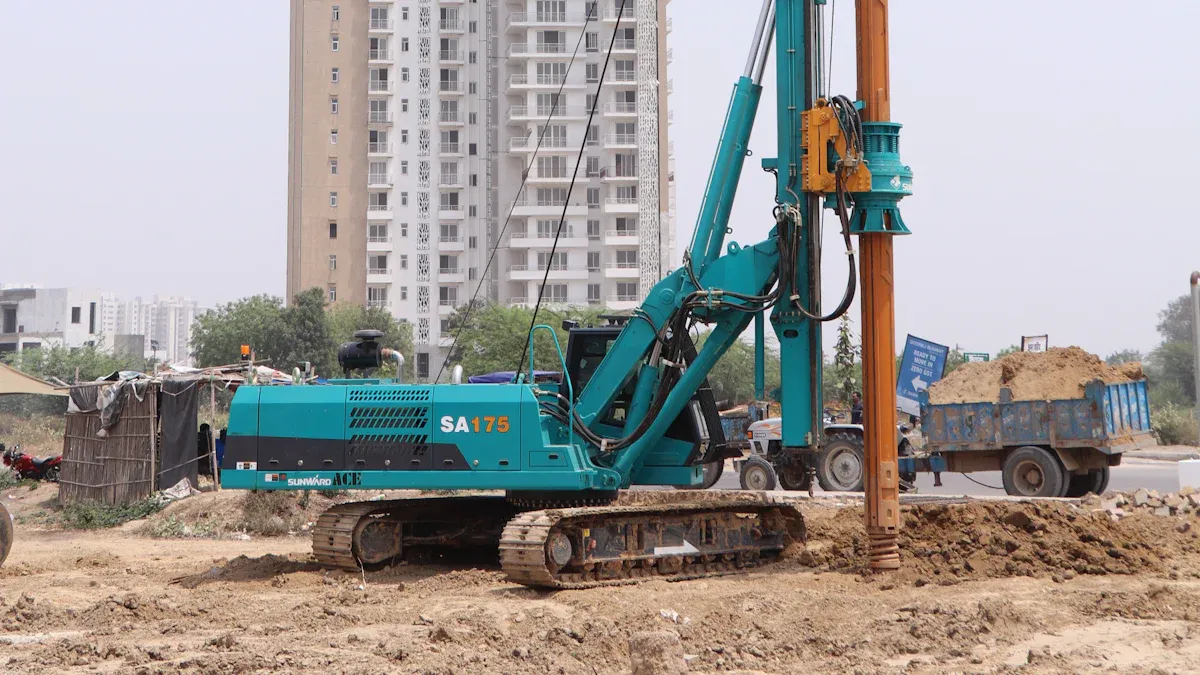
Horizontal Drill Quick Transit Prevents Job Delays by ensuring fast and accurate underground work, helping you finish projects on schedule. With CEGC’s advanced trenchless drilling rigs, you can minimize surface disruption and keep your operations moving efficiently. Horizontal Drill Quick Transit Prevents Job Delays by reducing costly interruptions and streamlining your workflow. CEGC delivers innovative solutions in horizontal directional drilling, so you can stay ahead and maintain a strong reputation. Horizontal Drill Quick Transit Prevents Job Delays at every stage, allowing you to complete jobs on time and impress your clients.
Key Takeaways
-
Horizontal directional drilling helps install utilities faster. This lets you finish projects on time. It also helps you avoid expensive delays.
-
Trenchless technology causes less damage to the surface. It keeps roads and landscaping safe. It also lowers the cost to fix things after work.
-
Real-time guidance and advanced locators make work more accurate. They stop problems with utilities. They help keep the job running smoothly.
How Horizontal Drill Quick Transit Prevents Job Delays
The Quick Transit Process
Horizontal directional drilling helps you install utilities faster. The quick transit process uses special trenchless technology. It puts pipes underground without stopping work. First, you dig an entrance pit to handle drilling fluid. Then, you drill a pilot bore along the path you planned. After that, you make the pilot bore wider. Last, you put in the conduit or pipe. Each step keeps your project moving and avoids downtime.
-
Dig an entrance pit to manage drilling fluid.
-
Drill a pilot bore along the planned path.
-
Make the pilot bore wider to the needed size.
-
Put in the conduit or pipe.
Horizontal directional drilling lets you go under surface structures. You finish jobs faster than with regular digging. You do not need to dig up roads or sidewalks. You keep your schedule and avoid delays. CEGC’s trenchless rigs have standard specs and can be customized. You can pick the right rig for your project and ground type. This helps you avoid downtime you did not expect.
Tip: Horizontal directional drilling works well in tough conditions. You avoid downtime and finish your project on time.
Minimizing Surface Disruption
Horizontal directional drilling keeps the surface safe. You put pipes underground without tearing up roads or landscaping. You do not need to fix the surface after. You protect nature and disturb less soil. You keep traffic moving and avoid closing roads. You finish jobs faster and keep people happy.
-
HDD causes little surface disruption, so it lowers environmental impact and restoration costs.
-
Regular digging needs lots of digging and disturbs the surface, which raises restoration costs.
-
HDD avoids damage to roads, sidewalks, and landscaping, so it disturbs less than regular trenching.
-
HDD disturbs less earth and lowers the need for erosion control, which helps nearby properties.
You use horizontal directional drilling to avoid downtime and work efficiently. CEGC’s trenchless rigs help you get these results. You can change your rig to fit your project. This helps you avoid downtime and work better.
Avoiding Utility Interference
Horizontal directional drilling helps you avoid hitting other utilities. You use drill locators to track the drill head live. You follow your planned path and avoid other underground lines. You stop accidents that cause downtime or damage. Advanced locators block out noise and give clear readings. You keep your project safe and avoid delays.
-
Horizontal directional drilling uses live tracking to avoid other utilities.
-
Accurate locating stops you from hitting underground lines and lowers downtime.
-
Advanced locators block signal interference for clear operation.
You trust CEGC’s horizontal directional drilling rigs for accuracy and stability. You lower downtime and keep your project on schedule. You can change your rig for each job. This helps you avoid downtime and install utilities successfully.
Technical Solutions in Horizontal Directional Drilling
Precision Guidance and Stability
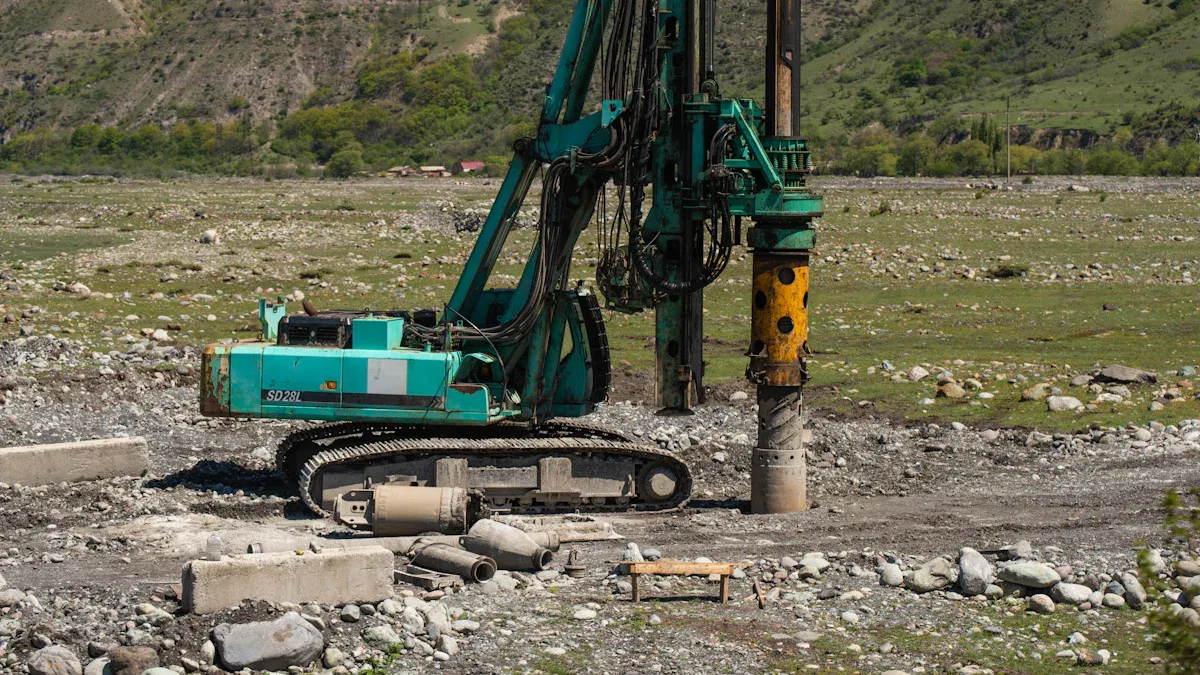
You need precision guidance to keep drilling on track. Real-time guidance gives you step-by-step directions. Performance feedback helps you work better and save money. Forward modeling shows where the drill bit will go next. Task automation makes your work easier and faster. Real-time decision-making lets you change plans quickly. The table below explains how these features help you drill accurately.
|
Feature |
Description |
|---|---|
|
Real-time guidance |
Step-by-step directions for accurate drilling |
|
Performance feedback |
Constant feedback for better work and saving money |
|
Forward modeling |
Shows drill bit position in horizontal wells |
|
Task automation |
Makes tasks easier for better accuracy |
|
Real-time decision-making |
Quick changes using live information |
Stability metrics are important in horizontal directional drilling. Minimum pressure keeps fluid moving. Maximum pressure protects the borehole. You avoid hydraulic fracture by staying safe.
Anti-Stall Powertrain and Overload Protection
Anti-stall powertrain systems stop pipes from getting stuck. Overload protection checks lifting and hoisting. These systems keep you from going over load limits. You lower mechanical failures and make drilling safer. You keep your horizontal directional drilling steady and productive.
Tooling Compatibility and Durability
You pick tools that fit the soil for good drilling. You look at cut, mix, and flow. The right cutting action stops damage and helps you work faster. You change drilling fluid to match the soil and keep the borehole stable. You use different reamers for mixing and flow. This way, you get more work done and your tools last longer.
-
Choose cutting action for faster work
-
Change fluid for stability
-
Use reamers for mixing and flow
Fluid Management and Mud Integration
Fluid management helps mud integration in horizontal directional drilling. Shaker screens and cleaning systems take out solids. Clean fluids keep drilling conditions good. Automated fluid monitoring gives measurements right away. Fluid loss control additives keep hydrostatic pressure steady. These steps cut downtime and help you get more work done.
Tip: Planning ahead and watching live data help you lower risks and finish jobs safely.
You can finish your drilling project well with CEGC’s trenchless drilling rigs. Precision guidance helps you stay on track. Anti-stall systems stop the drill from getting stuck. These features help you finish your project on time. Fluid management makes the job safer for everyone. Pick CEGC for tools that work well and can be changed for your needs. This helps your projects stay fast and run smoothly.
FAQ
What is a horizontal directional drilling machine?
A horizontal directional drilling machine helps put pipes or cables underground. It does not need digging trenches. This keeps the surface safe and clean.
How does CEGC’s Trenchless Drilling Rig reduce job delays?
CEGC’s rigs help you finish projects faster. They use quick transit and precision guidance. Anti-stall systems keep your work moving and on schedule.
Can you customize CEGC’s horizontal directional drilling rigs?
Yes, you can change CEGC’s rigs for your project. You pick torque, thrust, rod size, and controls. This lets you match the rig to your job needs.


