
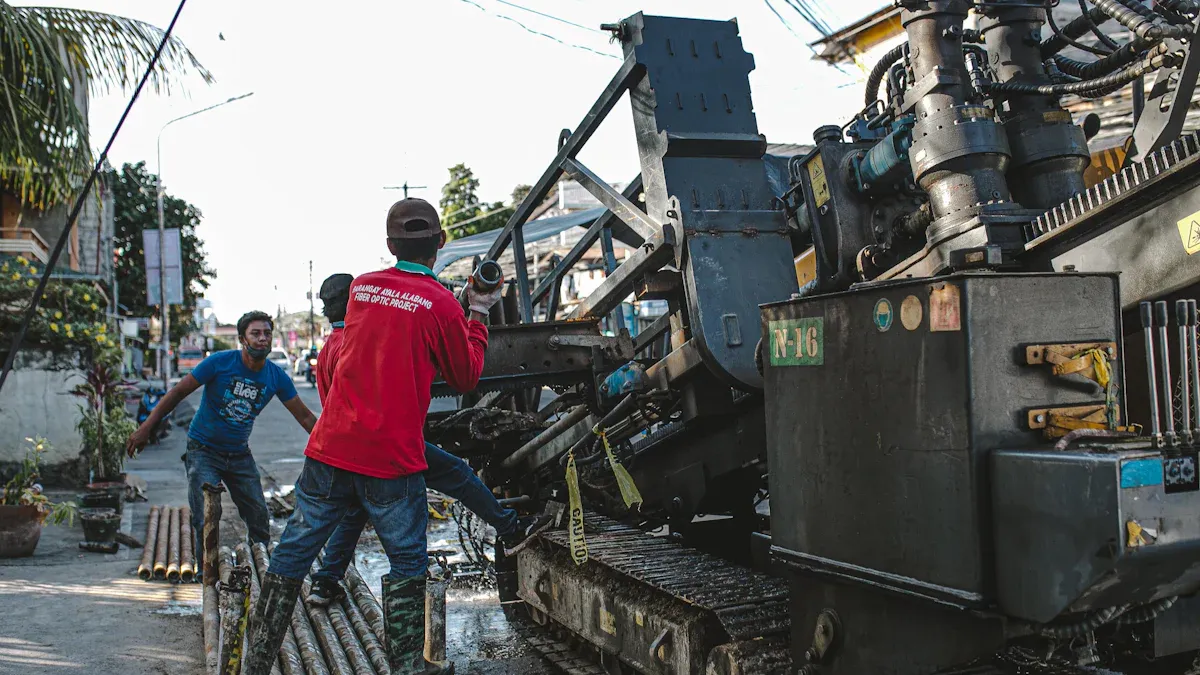
You keep horizontal directional drilling rig stable pressure by handling drilling fluid, checking your tools, and using good methods. Borehole stability is important for each job. CEGC offers technical help like real-time checks, accurate guidance, and mud mixing. These tools let you control pressure and make drilling safe.
Key Takeaways
-
Choose the correct drilling fluid to keep the borehole stable. Make sure viscosity, density, and yield point are balanced. This stops blockages and keeps pressure from rising too fast.
-
Use real-time monitoring systems to watch pressure changes. This helps find problems early. It lets workers fix issues quickly to keep things stable.
-
Check equipment often and do maintenance. Inspect tools every day to stop pressure issues. This keeps drilling safe and working well.
Borehole Stability and Pressure Control
Drilling Fluid Properties and Management
It is important to know how drilling fluid affects borehole stability and pressure. The right fluid keeps the borehole open and stops it from falling in. You need to balance viscosity, density, and yield point. These help support cuttings and control pressure. If viscosity is too low, cuttings can block the borehole. If viscosity is too high, pressure can get too strong and cause problems. The table below shows the main properties:
|
Property |
Description |
|---|---|
|
Density |
Gives pressure to balance formation pressures, usually 8.5–12.5 ppg. |
|
Viscosity |
Shows how thick the fluid is; helps with cuttings and pressure. |
|
Yield Point |
Matches the tool size for holding cuttings. |
|
Plastic Viscosity |
Tells how much solid is in the mud; affects balance. |
You should use fluid with enough viscosity to hold cuttings and stop collapse. You also need to control the flow rate. The right flow rate moves cuttings out and stops pressure spikes. Keeping cuttings up keeps the borehole stable and pressure steady. You can test and change fluid properties often to make them work better. New fluid technology helps with tough ground and stops fluid loss. You can use special fluid mixes for each site to help with stability and pressure. Testing often helps remove cuttings and build a good filter cake.
Tip: Better drilling fluids are safer for the environment and help with lubrication. These fluids make drilling work better and help you control pressure.
Monitoring Systems for Pressure Stability
You need to watch pressure in real time to keep it steady. Sensors show pressure changes when you start and run the pump. You should not start pumps too fast, or pressure will spike and cause trouble. Watching hydraulics during startup helps you drill better. You should record sensor data every second for good details. Starting pumps slowly (60–80 seconds) keeps pressure low and steady.
You can use guidance and tracking systems to steer and control pressure. These systems help you avoid going off track or crossing mistakes. The ParaTrack Pressure Module gives real-time data to spot and fix problems. You can keep pressure safe while drilling. CEGC’s rig has control and tracking features. These help you match thrust, pullback, rotation, and feed for steady pressure.
|
Outcome Description |
Impact |
|---|---|
|
Lowers risks with all-day monitoring |
|
|
Better drilling settings |
Makes drilling faster and easier |
|
Faster drilling rates |
Drilling speed goes up by 75% to 125% |
|
Watched drilling actions |
Shows changes in rock types |
|
Longer bit life |
Happens by lowering rpm |
|
Good directional drilling |
Helped by monitoring |
Note: Real-time monitoring and guidance help keep the borehole stable and pressure steady. You can set drilling controls better and get good results.
Equipment Checks and Maintenance
You need to check and care for your equipment to stop pressure changes and keep the borehole safe. Checking before starting helps you find problems early. You should look at control valves, clean and oil guide rails, and check mud gauges often. You need to check oil and water pipes to make sure they are tight. Warm up the diesel engine for 10–30 minutes, depending on the weather. Clean and oil all threads and moving parts. Turn off power to the solenoid valve after stopping the engine. Check the water channel in the tool for blockages. Look at threaded parts for wear and mark them if they need fixing.
You should follow rules for how often to do maintenance:
|
Maintenance Type |
Frequency |
Key Tasks |
|---|---|---|
|
Daily |
Daily |
Look over the rig, check fluids, grease, clean |
|
Weekly |
Weekly |
Check everything closely, find possible issues |
|
Factors Affecting Maintenance |
N/A |
How often you use it, work conditions, machine type, maintenance quality |
You can keep pressure steady by following these steps. CEGC’s rig has guidance, control, and tracking features. These help you keep the borehole safe and pressure steady on every job.
Reminder: Regular checks and care keep your rig working well and help you avoid pressure problems.
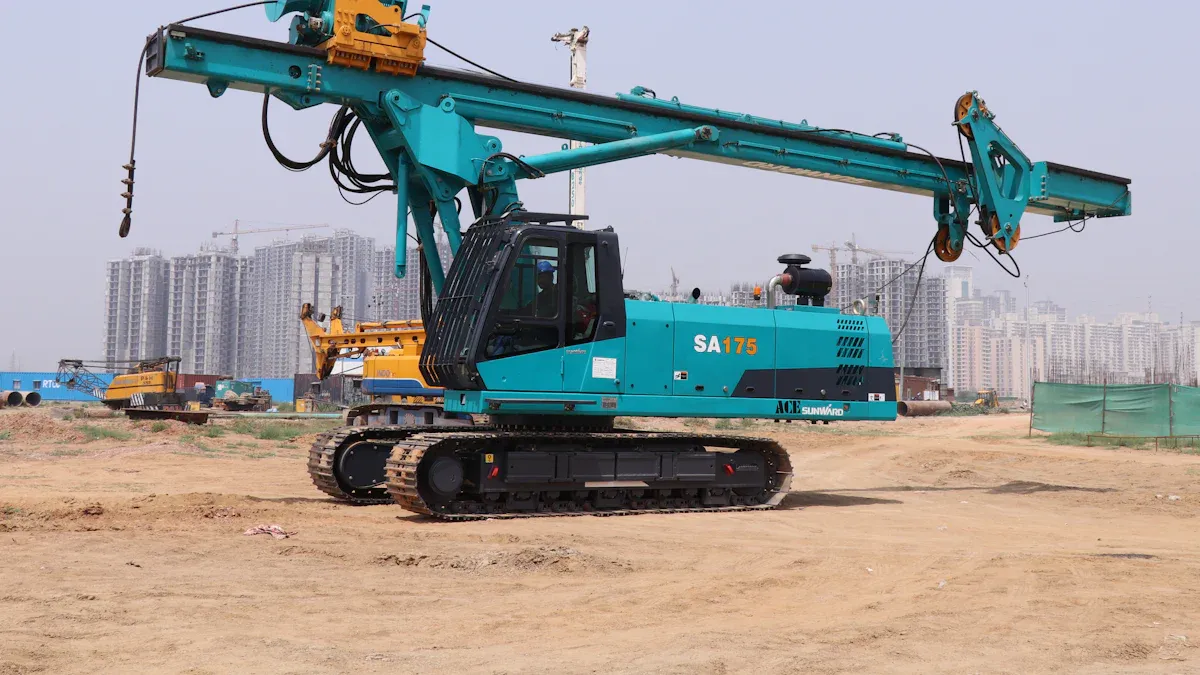
Stable Pressure Maintenance in Horizontal Directional Drilling Rig
Routine Inspection Procedures
You keep stable pressure by doing regular checks. Start each day by looking for leaks or blockages in the control valve. Make sure the drilling fluid is mixed well and flows right. Check if the mud pump and pressure gauge work. Clean and oil moving parts. Look at oil and water pipes to see if they are tight. Check that guide rails are clean and not dirty. Warm up the engine before you drill. These steps help keep the borehole safe and stop sudden pressure changes.
You should use a checklist for these jobs:
-
Look at the control valve and pressure gauge
-
Check drilling fluid and how fast it flows
-
Clean guide rails and oil the threads
-
Check oil and water pipes for leaks
-
Warm up the engine before you start
Tip: Doing these checks keeps your rig safe and stops breakdowns. CEGC’s powertrain and overload protection make these checks easier and better.
Real-Time Pressure Monitoring
You use real-time monitoring to keep pressure steady. Sensors watch drilling fluid for things like thickness, flow, and pit volume. Special tools like resistance sensors and viscometers show changes in the fluid. The High-Pressure Flowmeter (HPFM) gives you flow numbers right away and shows what is happening above and below ground. This tool helps you see problems fast and make good choices.
-
HPFM shows flow right away and finds problems early.
-
Sensors check mud for thickness, flow, and speed.
-
Signal collection helps you know if the borehole is stable.
You can change the fluid or pump settings using sensor data. This helps keep pressure up and stops problems like stuck pipe or torque spikes. Watching in real time lets you fix things before they get worse.
Note: Watching in real time and using mud integration keeps the borehole safe and drilling smooth. CEGC’s rigs use advanced sensors for better control.
Troubleshooting Common Pressure Issues
You may see some common problems when drilling. You need to fix them fast to keep the borehole safe and pressure steady.
|
Failure Phenomenon |
Cause of Issue |
Method of Exclusion |
|---|---|---|
|
Under pressure |
Pressure gauge damaged |
Replace the pressure gauge |
|
|
Pump speed too low |
Check the diesel engine |
|
|
Internal leakage of actuator |
Replace seal or actuator |
|
|
Oil pump damaged |
Repair or replace oil pump |
|
|
Oil pipe leakage |
Check and replace oil pipe |
|
|
Improper pressure adjustment |
Re-adjust pressure |
|
|
Insufficient hydraulic oil |
Fill hydraulic oil |
|
|
System oil temperature too high |
Cool hydraulic oil |
|
Excessive Pressure Pulsation |
Through hole on pressure gauge blocked |
Clean through hole |
|
|
Piston of cylinder severely worn |
Replace parts |
|
|
Valve seat or hole worn |
Repair or replace valve seat |
|
|
Valve seat stuck by impurities |
Clear impurities |
|
|
Clearance between valve seat and hole too large |
Eliminate gap |
|
|
Discharge medium contains gas |
Check and eliminate gas |
|
|
Pressure gauge damaged |
Replace pressure gauge |
You also need to watch for stuck pipe and torque spikes. Stuck pipe happens if cuttings pile up or the borehole falls in. You can stop this by watching torque and drag, cleaning the hole, and changing the fluid. Torque spikes can come from stick-slip or too much weight on the bit. You can use tools to lower vibration and slow down drilling to help.
-
Stuck pipe happens less if you follow good troubleshooting steps.
-
Watch for signs like more torque, drag, or lost fluid.
-
Change fluid and pump settings to keep the borehole safe.
Reminder: Fixing problems fast keeps your rig working and the borehole safe. CEGC’s mud integration and powertrain help you solve these problems quickly.
You can keep pressure steady by looking at fluids, watching sensors, and checking your equipment. Here is a checklist you can use:
-
Check the drilling fluid
-
Look at sensors in real time
-
Check valves and pipes
CEGC’s trenchless drilling rigs let you pick what you need and give you better control. This helps you drill in a safer, quicker, and more dependable way.
FAQ
How do you keep pressure stable in a horizontal directional drilling machine?
You need to check the fluid every day. Watch the sensors to see if anything changes. Look at your equipment to make sure it works right. CEGC’s rigs help you control pressure with real-time checks and smart mud systems.
What should you do if you see a sudden pressure drop?
-
Look at the pressure gauge to see what it says.
-
Check for leaks or problems with the pump.
-
Change how fast the fluid moves.
-
Use CEGC’s tools to fix the problem quickly.
Why is real-time monitoring important for pressure control?
Real-time monitoring helps you find problems early. You can change the drilling settings fast if you need to. This keeps the borehole safe and helps your project go well.


