
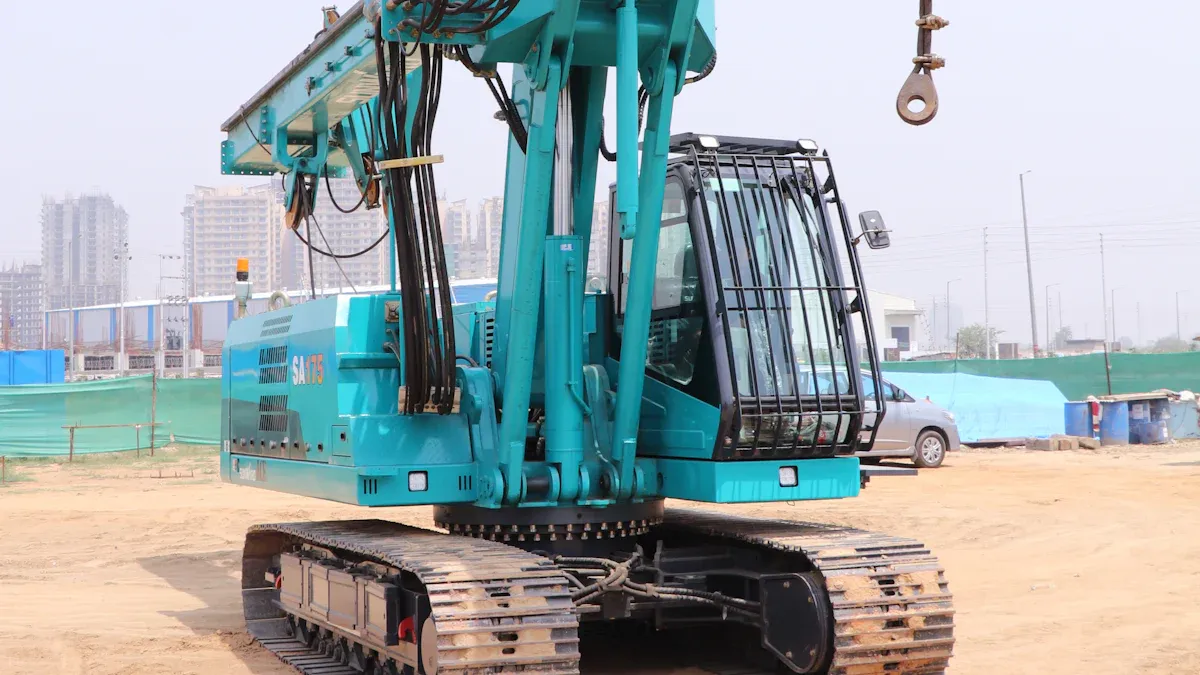
You deal with hard ground in horizontal directional drilling. Steady circulation keeps the borehole safe and stops expensive problems. Knowing the soil and picking the right fluid help you work well. CEGC gives advanced horizontal directional drilling machine and Trenchless Drilling Rig solutions. HDD Equipment Steady Circulation Handles Complex Ground.
Key Takeaways
-
Knowing the ground type is very important for horizontal directional drilling. Geotechnical surveys help find out what the soil is like. Pick the right drilling fluids for the soil you have.
-
Keeping the borehole stable is needed to stop pipes from getting stuck. This also avoids expensive delays. Use the correct drilling fluid to keep the borehole clean and steady.
-
Watching drilling circulation as it happens stops fluid loss. It also makes drilling work better. Use special tools to check flow and pressure for good results.
HDD Equipment Steady Circulation in Complex Ground
Ground Identification
You find many types of ground in horizontal directional drilling. Clay, sand, and rock are the most common. Geotechnical surveys help you know the ground. These surveys use boreholes and lab tests to check soil and rock. The soil makeup, like lots of clay or sand, changes how you drill. You must pick the right drilling fluids and tools for the soil so hdd equipment steady circulation handles complex ground.
You use new technology to find tricky ground before you drill.
-
Artificial Neural Networks look at drilling data to find gas kicks.
-
Long Short-Term Memory Networks spot patterns in data to warn you early.
-
Support Vector Machines sort drilling conditions as you work.
-
Data-driven models mix neural networks and classifiers to watch flow.
You trust CEGC horizontal directional drilling machine and Trenchless Drilling Rig to find ground types. These rigs have standard features and can be changed for your job. You can pick pipe sizes from 4 to 24 inches to fit your needs. This helps you do well in tough soil.
Borehole Stability
You need to keep the borehole safe to stop stuck pipe and delays. Stuck pipe happens more in directional drilling if the hole is not clean or stable.
-
Differential sticking and pack-offs cause trouble and cost more money.
-
Shale sloughing and weak ground falling in make cleaning hard.
-
Swelling clays block movement and raise the chance of stuck pipe.
You make the borehole safer by picking the best drilling fluid. The fluid’s features are important.
|
Study Title |
Key Findings |
|---|---|
|
Optimization of drilling fluids for borehole stability in frozen ground |
You need special fluids to keep the borehole safe in cold places. |
|
Environmentally friendly drilling fluid for clay stabilization in shale |
Oil-based and new water-based fluids stop clay from swelling and keep the hole safe. |
|
Chemical and Thermal Effects on Wellbore Stability |
Heat and fluid flow change how stable shale is. |
You use CEGC hdd equipment steady circulation handles complex ground to keep the borehole safe. The rigs give strong torque and sense hydraulic loads. You get smooth starts and stops to protect rods and tools. You can change torque, thrust, and rod systems for your soil and borehole.
Monitoring Circulation
You watch drilling circulation live to stop fluid loss and borehole drift.
-
Real-time hydraulic checks watch pressure when pumps start.
-
Monitoring and analytics tools help automate drilling and measure as you go.
-
DrillFact real-time checks give you lots of data from the site.
-
Rotary Steerable Systems guide the borehole for hard paths.
-
Automated hydraulics checks standpipe pressure to make drilling better.
You use CEGC hdd equipment steady circulation handles complex ground to watch circulation. The rigs have tracking and can log data if you want. You can watch flow, pressure, and mud features. This lets you change your mud plan and keep the borehole safe. You lower the chance of losing fluid and stuck pipe. You make your work better and faster.
Tip: Always pick drilling fluid that fits the soil and watch circulation for the best results. CEGC horizontal directional drilling equipment gives you standard features and custom choices for every job.
Horizontal Directional Drilling: Fluid Optimization
Fluid Selection
You have to pick the right drilling fluid for the soil. The best fluid keeps the borehole safe and stops stuck pipe. When you use the right fluid, you need less pullback force and lower pressure. Look at the table to see how fluids change your results:
|
Drilling Fluid Used |
Maximum Pullback Force (lbs) |
Annular Pressure (psi) |
|---|---|---|
|
Water |
19,815 |
67 |
|
Matched Fluid |
4,425 |
18 |
Matched fluids make drilling safer and easier. Good fluids stop clays from reacting and build a strong wall. You should check fluid density, thickness, and chemicals for each soil. You need to be ready to change because ground can change fast.
Gel Strength & Viscosity
You need the right gel strength and viscosity for hdd. These help move cuttings out and keep the hole clean. If you use the wrong thickness, you can get stuck pipe and bad cleaning. Most jobs need viscosity between 45 and 60 seconds. For clay soils, use more fluid. For coarse soils, use less fluid. The table shows what you should use:
|
Soil Type |
Viscosity Ratio (Fluid:Soil) |
Gallons per Foot Reamed |
|---|---|---|
|
Reactive/Clay Soils |
3:1 to 5:1 |
23.52 |
|
Non-Reactive/Coarse Soils |
2:1 to 3:1 |
11.76 |
You must change your mud plan as you drill. This keeps cuttings moving and stops problems. Almost 70% of lost drilling time comes from stuck pipe, often from bad cleaning.
Return Flow Management
You need to control return flow to stop fluid loss and keep drilling safe. Watch for changes in mud pressure and flow. If pressure drops, lower fluid pressure and keep the drill string moving. Use lost circulation materials if you need them. For clay soils, use more fluid to stop swelling. For coarse soils, use enough fluid to keep returns steady. Always match fluid to soil and watch volumes for good results.
Tip: Use enough fluid and check your mud system often. This helps you avoid delays and finish your drilling work.
You can trust CEGC hdd equipment for pump size, better filters, and mud systems. These features help you pick bits and reamers for every soil and drilling job.
Equipment Adaptation for Challenging Soils
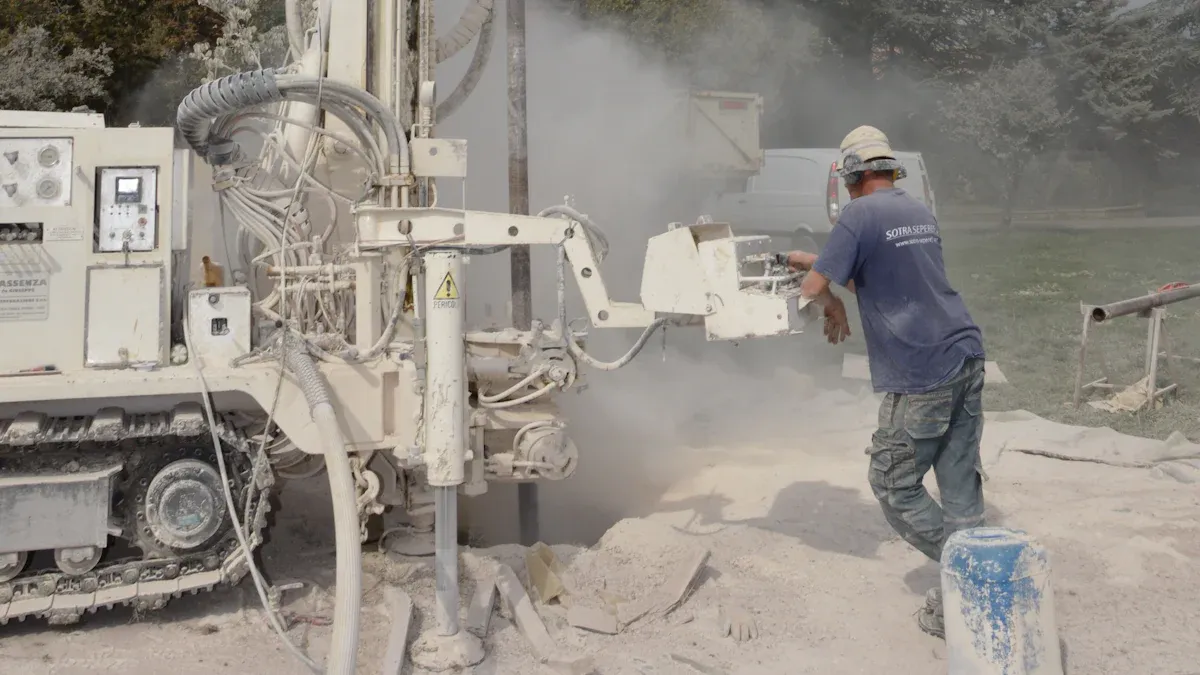
Anti-Stall Powertrain
HDD projects often have tough ground. An anti-stall powertrain helps you keep drilling steady. It works well in hard or mixed soils. This system gives you more control. It stops sudden stops that can hurt your equipment. You get better traction and stability. You can work on slopes or uneven ground with confidence. Here are some ways these features help:
|
Feature |
Benefit |
|---|---|
|
Reduces tilt, lets you work faster and safer in tough conditions |
|
|
Oscillating rear axle |
Keeps all wheels on the ground for better traction and stability |
|
Increased torque and traction |
Makes gear shifting smooth and helps you move through steep or rough soil |
You can change torque and thrust settings to fit the ground. This helps you handle tricky geology. It keeps your hdd equipment working strong.
Tooling Durability
You need strong tools for hdd in rough soils. Modern bits and reamers use better materials and smart designs. Here are some upgrades you can count on:
-
Bits for soft and medium soils help steer and mix soil with fluids.
-
Rock reamers use hard materials to last longer in tough ground.
-
Advanced PDC bits give you better control and longer tool life.
-
Drill bits with crushed carbide work well and last longer in rough soils.
These upgrades mean you spend less time changing tools. You spend more time drilling. You save money and finish your projects faster.
Mud Management System
A good mud management system keeps drilling safe and efficient. You recycle and treat mud. This saves money and helps the environment. The system keeps mud quality steady. Your equipment lasts longer. Look at these advantages:
|
Advantage |
Description |
|---|---|
|
Recycle mud to cut costs |
|
|
Consistent Mud Quality |
Advanced separation keeps mud clean and protects your equipment |
|
Environmental Compliance |
Less waste helps you meet regulations |
|
Improved Safety |
Automated systems lower risk for workers |
|
Real-time Monitoring |
Watch mud properties and make quick changes |
|
Modular Design |
Easy to set up for any project size |
|
Reduced Operating Costs |
Less waste means lower disposal expenses |
|
Precise Mud Properties |
Better drilling performance and fewer problems |
|
Compact Footprint |
Works well even on small or crowded sites |
You can trust these systems to help your hdd work. They help you succeed in every directional drilling job.
Tip: Always match your equipment and mud system to the ground for the best results in hdd.
You keep steady circulation in tough ground by handling fluids well. You also change your equipment and watch drilling in real time. CEGC gives you choices that match your project. Watching drilling as it happens helps you get better results:
|
Evidence Point |
Description |
|---|---|
|
You get updates all the time to help drilling. |
|
|
Reduced Operation Time |
Watching 24/7 helps you avoid problems and save money. |
|
Improved Rate of Penetration (ROP) |
Drilling speed can go up by 200%. |
To do hdd well, try these steps:
-
Plan your well path so flow stays steady.
-
Pick the best mud for each type of ground.
-
Watch pressure and fix problems fast.
FAQ
What does steady circulation mean in HDD?
Steady circulation means the drilling fluid keeps moving. This happens inside the borehole. The moving fluid takes away cuttings. It also keeps the hole safe during horizontal directional drilling.
Why should you match drilling fluid to soil type?
You match the fluid to the soil to stop stuck pipe. This also helps stop the borehole from falling in. The right fluid lets you drill faster. It also makes drilling safer.
How does CEGC equipment help with tough ground?
You use CEGC horizontal directional drilling machines for strong torque. These machines have smart mud systems. They also have real-time monitoring. These features help you work in hard or mixed soils with confidence.


