
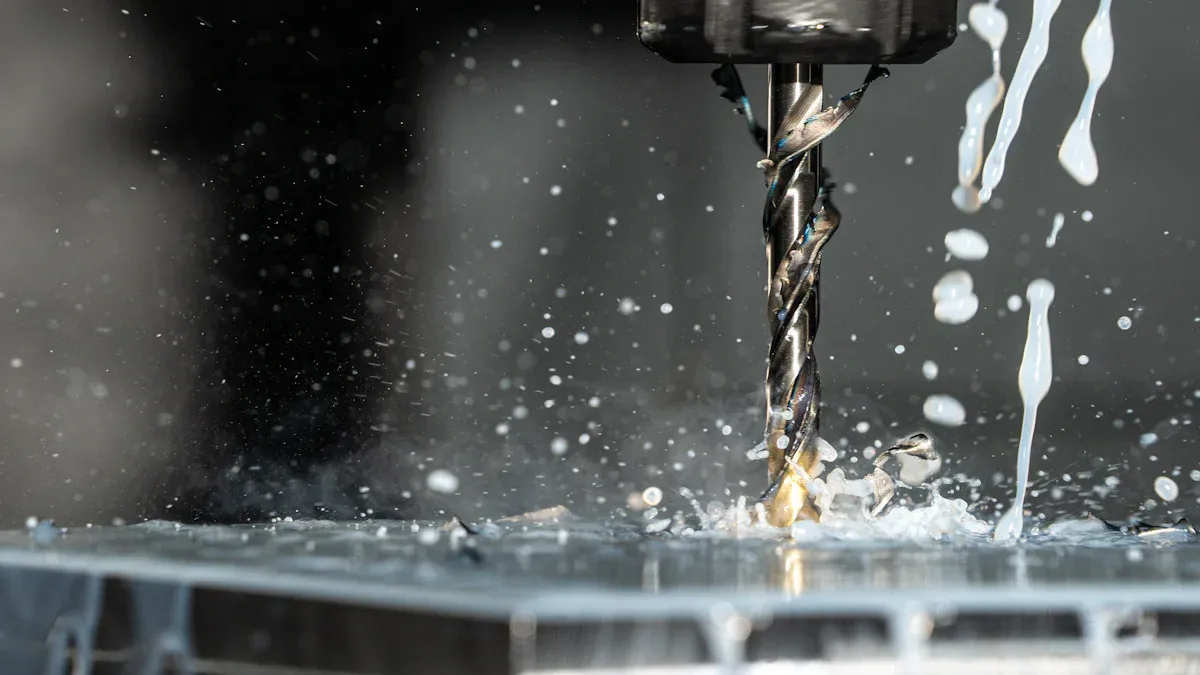
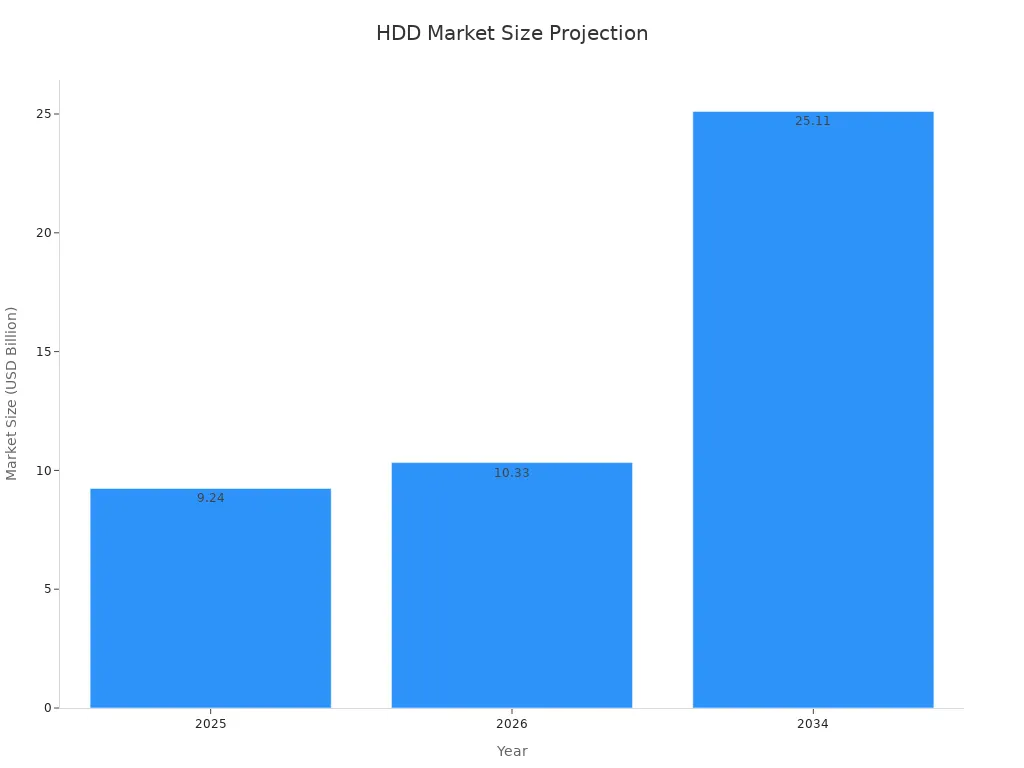
Stable track technology has revolutionized horizontal directional drilling, significantly enhancing project outcomes. This advancement has led to improved accuracy and greater control, contributing to the success of all HDD projects. Effective guidance systems are crucial in trenchless technology, helping horizontal directional drilling avoid complications and minimize ground disturbance. This blog explores the benefits and real-world successes stemming from Horizontal Directional Drilling Stable Track Wins. It highlights how CEGC and similar technologies contribute to the successful execution of horizontal directional drilling jobs. The continued growth of the horizontal directional drilling market underscores the value of these innovative approaches.
Key Takeaways
-
Stable track technology makes horizontal directional drilling (HDD) more accurate. It also makes it steady.
-
This technology helps stop pipes from getting stuck. It makes tools last longer too. This saves money.
-
Stable track helps HDD work well. It works in tough places. These include cities and rivers. It also works in sensitive natural areas.
Understanding Horizontal Directional Drilling Stable Track
Defining Stable Track in Horizontal Directioning Drilling
Stable track technology is a big step forward. It helps with horizontal directional drilling. It gives better control. It also makes drilling more steady. This system uses special parts. They keep the drill path exact. Old ways did not do this. Stable track handles forces on the drill string. It keeps the drill head on track. This tech stops the drill from going off course. This means more jobs are done right. Stable track helps a lot with hard projects.
Precision Guidance: How Stable Track Differs
Stable track systems guide with great care. This is their main feature. Old horizontal directional drilling (HDD) needed skilled operators. They had to steer well. But stable track uses smart sensors. It also makes changes by itself. This fixes things right away. CEGC's system is a good example. It is called Precision Guidance & Stability System. It is very accurate. It stops the drill from missing the target. This means less work to fix things. Every HDD job will have better results.
Mechanics of Bore Path Integrity and Control
Stable track tech keeps the drill path strong. It does this in a few ways. It matches the load. This means thrust, pullback, and spin work together. This stops the drill string from moving suddenly. Strong frames help too. They are very stiff. The carriage is lined up perfectly. These things stop shaking. They also stop the drill rig from moving around. This makes the drill follow the path well. Operators can control it better. This is true even in tough ground. This strong system makes every HDD job more dependable.
Key Advantages of Horizontal Directional Drilling Stable Track Wins
Stable track technology helps horizontal directional drilling. It solves common problems for contractors. This system makes projects better.
Enhanced Accuracy and Precision for Complex Bores
Bore deviation is a problem. It costs money. It causes delays. Road, rail, and river crossings need accuracy. Stable track makes these jobs precise. CEGC's system controls thrust and pullback. It also controls rotation and feed. The drill string stays on target. Data logging helps operators. It keeps bore paths exact. This tech reduces errors.
Mitigating Risks: Preventing Stuck Pipe and Torque Spikes
Stuck pipe costs money. It causes delays. Torque spikes damage parts. Hard ground slows work. Stable track reduces these risks. CEGC's system gives high torque. It works at many speeds. Hydraulic sensing prevents overloads. Controlled ramp-up reduces shock. This protects rods and tools. Operators have fewer stops. They get more done.
Optimizing Consumables and Tooling Durability
High costs hurt budgets. Tools wear out fast. Reamer wear increases cost. Bad tools cause problems. They create pullback risks. Frequent changes waste time. Stable track makes tools last longer. CEGC's systems work with many reamers. Smooth torque reduces wear. Easy access helps maintenance. This saves money on tools.
Superior Fluid Management and Frac-Out Prevention
Low fluid flow causes problems. It increases torque. It causes stuck pipe. Fluid loss creates issues. Unstable mud hurts the bore. Stable track helps manage fluid. CEGC guides pump sizing. It matches flow to the bore. The system ensures circulation. It supports mud programs. This prevents environmental problems. It keeps the bore strong.
Boosting Efficiency and Safety in Trenchless Drilling Rig Operations
Stable track makes work better. It makes it safer. Operators do not adjust as much. They focus on the project. Precise control prevents surprises. This makes the work safer. Less downtime means faster projects. Stable track machines perform well. This leads to more success. Contractors earn more money. Their reputation grows.
Real-World Wins: Horizontal Directional Drilling Stable Track in Action
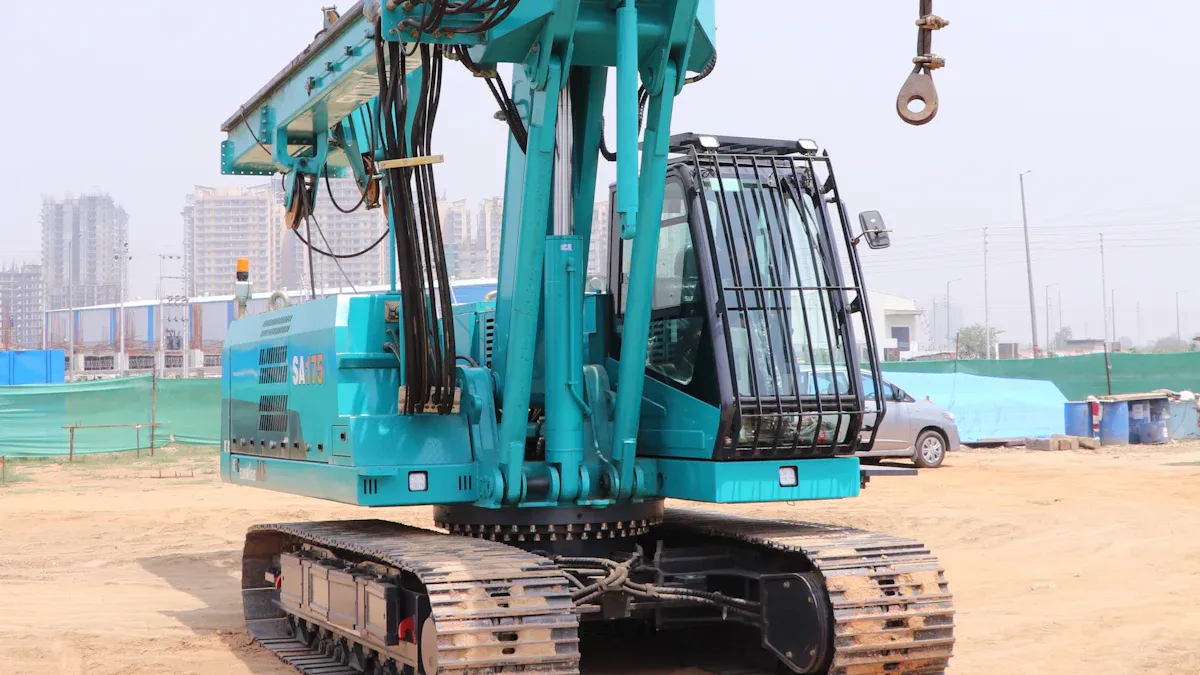
Stable track drilling shows new tech power. These wins prove modern drilling works. It solves hard problems. CEGC's machines help a lot. They give great drilling tools. These tools work for many jobs.
Navigating Urban Infrastructure with Pinpoint Accuracy
Cities have many tough spots. There are pipes, people, and small spaces. Drilling is hard here. Stable track helps drill exactly. It works well in crowded places. It helps avoid gas lines. It also avoids water pipes. It keeps away from power lines. This stops costly damage. It prevents service stops. CEGC's tools change power and push. Operators can adjust for ground types. Strong rod systems keep the path straight. This makes installs work well. Even in tough city areas. Builders need good tools. They need them for these tricky jobs.
Conquering Challenging Geologies in River Crossings
River jobs mean long bores. The ground can be hard. It can be rock, sand, or loose dirt. Stable track helps guide the drill. It works in these ground types. It keeps the drill on course. This is true for long distances. It stops the drill from going off path. The pipe or cable hits its mark. CEGC has a "rock package." It is for their drilling machines. This package cools and filters better. It has strong parts. It gives power for drilling rock. This good drilling gear helps. It makes hard river crossings possible.
Minimizing Environmental Impact in Sensitive Zones
Protecting nature is very important. HDD is a trenchless way. It puts in pipes and cables. It does this with great care. This method is good and saves money. It is also good for the earth. It is best for nature-sensitive spots. When done right, HDD disturbs less ground. It lowers building costs. It also harms nature less.
HDD lets us build under water. This includes lakes, rivers, and wet areas. It bothers water life less. Good plans stop drilling fluids. They keep water clean. They stop building stuff from hurting fish. Special green fluids are often used. They also catch and clean waste. Good plans control noise. They also control shaking. This keeps sea life safe. Plans protect special places. They stop dirt and washing away. Good projects show HDD can cross water. It does this without harming nature or people.
Directional drilling disturbs less ground. It puts many wells in one spot. For example, an oil platform offshore. It can have 40 wells. These wells spread out below. This leaves less mark on nature. This shows good drilling tools are key. They help protect the earth.
Efficient Utility Conduit Installation with Multiple Bores
Putting in many utility pipes is often needed. Stable track makes this happen. It allows for exact parallel bores. This uses one drill path well. The LSU campus job is a good example. It put in two 1,600-foot pipes. These were 42-inch HDPE pipes. They were for cold and return water. Planners chose HDD. They wanted to disturb less ground. It saved old oak trees. It also worked in a tight spot. This spot had old pipes and busy areas.
The project put in two big pipes. These were 42-inch pipes. They were very close. They were 15 feet apart. They were at the same depth. The paths had many curves. A Brownline system guided the path. This showed how tracking works. It makes many bores exact. Ways to track bores include walkover. There is also wire line. Wire line with surface grid check is another. True-Trac is an example. These tracking systems are vital. They make sure the plan works. This is true when radio signals are bad. This shows good drilling tools are needed. Advanced tracking is also needed.
CEGC Drill Rig Performance in Diverse Projects
CEGC's drilling machines work well. They always perform strongly. They offer drilling answers worldwide. They work for many projects. Their power and push settings can change. They fit any ground type. Different rod systems exist. They fit specific bore lengths and sizes. The "rock package" helps in hard rock. These good drilling tools help builders. They get constant "horizontal directional drilling stable track wins." CEGC gives global drilling answers. They meet today's building needs. Their focus on good drilling tools. It makes them a leader in global drilling.
Stable track tech changes horizontal directional drilling. It makes HDD jobs work well. This system gives great accuracy. It adds more steadiness. It makes work faster. It saves much money for HDD. Stable track is a must-have tool. It helps with hard HDD work. CEGC's good HDD machines help contractors. They get steady horizontal directional drilling stable track wins.
FAQ
What is stable track technology in hdd?
Stable track tech guides the drill. It keeps the path straight. This system uses good controls. It makes drilling better.
How does stable track improve hdd accuracy?
It matches push, pull, and spin. This control stops it from going off. The drill stays on target.
What benefits does stable track offer for hdd projects?
It makes things more exact. It lowers dangers. It also makes tools last longer. This means better and safer work.


