
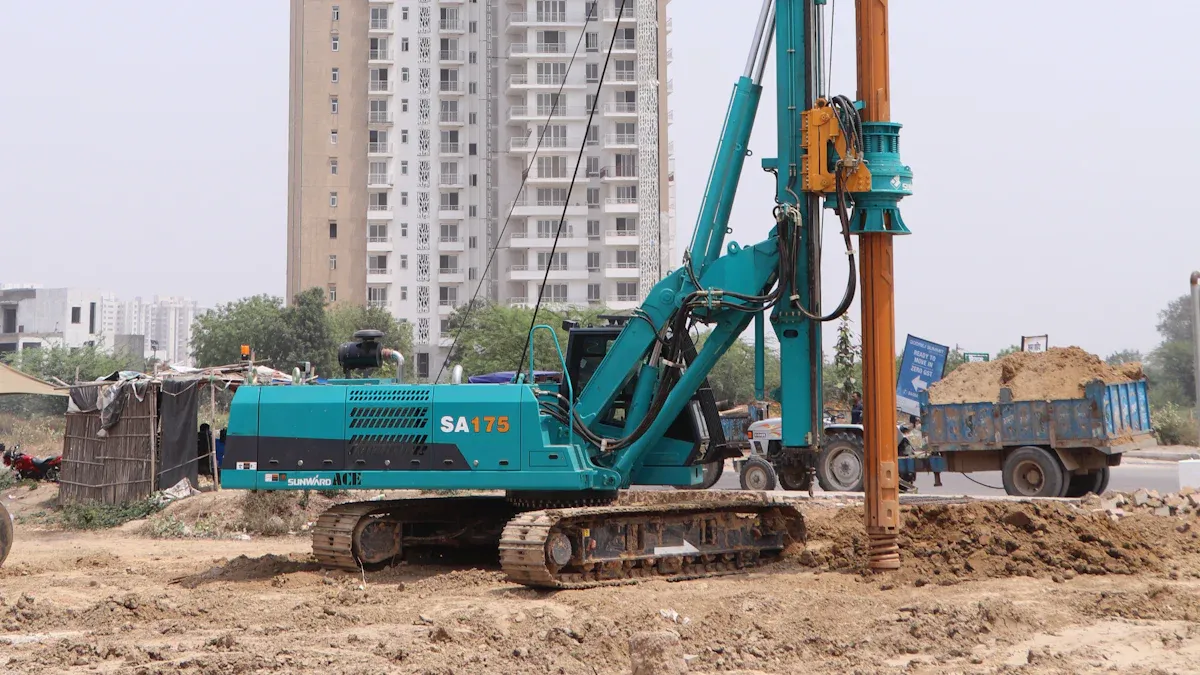
Horizontal directional drilling (HDD) is very important. It helps build modern things. This method solves many ground problems. The HDD business is getting bigger. It may be worth $25.11 billion by 2034.
An HDD machine works well. It drills in hard rock. It also drills in soft dirt. A horizontal drill beats hard rock soft sediment. It fixes many drilling issues. CEGC has good HDD tools.
Key Takeaways
-
Horizontal Directional Drilling (HDD) is a modern way to put pipes and cables underground. It works well in both hard rock and soft dirt.
-
HDD uses special tools and methods to drill through different ground types. This makes it better than old drilling ways.
-
HDD is good for the environment and saves money. It causes less harm to nature and costs less than digging.
Understanding Horizontal Directional Drilling
Defining HDD and its Core Principles
Horizontal directional drilling (hdd) is a new way. It puts pipes and cables underground. It pushes a drill bit. The bit goes sideways under the ground. A steering system guides the drill bit. This makes sure the horizontal directional drilling is exact.
The drill bit can turn. It can go in any direction. But turns are soft curves. They are not sharp bends. This is because the steering uses a bent bit. Also, steel drill pipe can only bend a little. Too much bend will break it. This stops sharp turns. This also makes a "minimum horizontal setback." This is the space needed. It lets the drill path become flat. It reaches the right depth.
Key Components of a Modern Trenchless Drilling Rig
A modern trenchless drilling rig has key parts. These parts work together. They make drilling successful.
-
Power System: This is the engine. It powers all other parts.
-
Hoisting System: This lifts the drill string. It also lowers it.
-
Rotary System: This spins the drill string. It also spins the drill bit.
-
Circulating System: This handles the drilling fluid. It is also called mud. It cools the drill bit. It carries away dirt.
-
Control System: This is like the brain. It watches all parts. It controls them.
-
Directional Control System: This helps the drill go right. It uses special tools. These tools give real-time data.
-
Auxiliary Equipment: These are support tools. They help manage the drill pipe.
Advantages Over Traditional Vertical Drilling
Horizontal directional drilling has many good points. It is better than old drilling ways. This trenchless method helps with building problems. It disturbs the ground less. This means less harm to nature. For example, it can put in utilities. It does not dig open trenches. This causes less trouble for roads. It also causes less trouble for neighborhoods.
HDD also reaches tough spots. It can make paths under rivers. It can go under highways. This avoids stopping things above ground. This method often drills faster. It gets more from underground. CEGC has good hdd tools. They have hdd tooling solutions. These make these good points possible. The total cost can be lower. This is true in some ground types. This makes hdd a smart choice. It is good for many projects.
Conquering Hard Rock Formations with Advanced Drilling
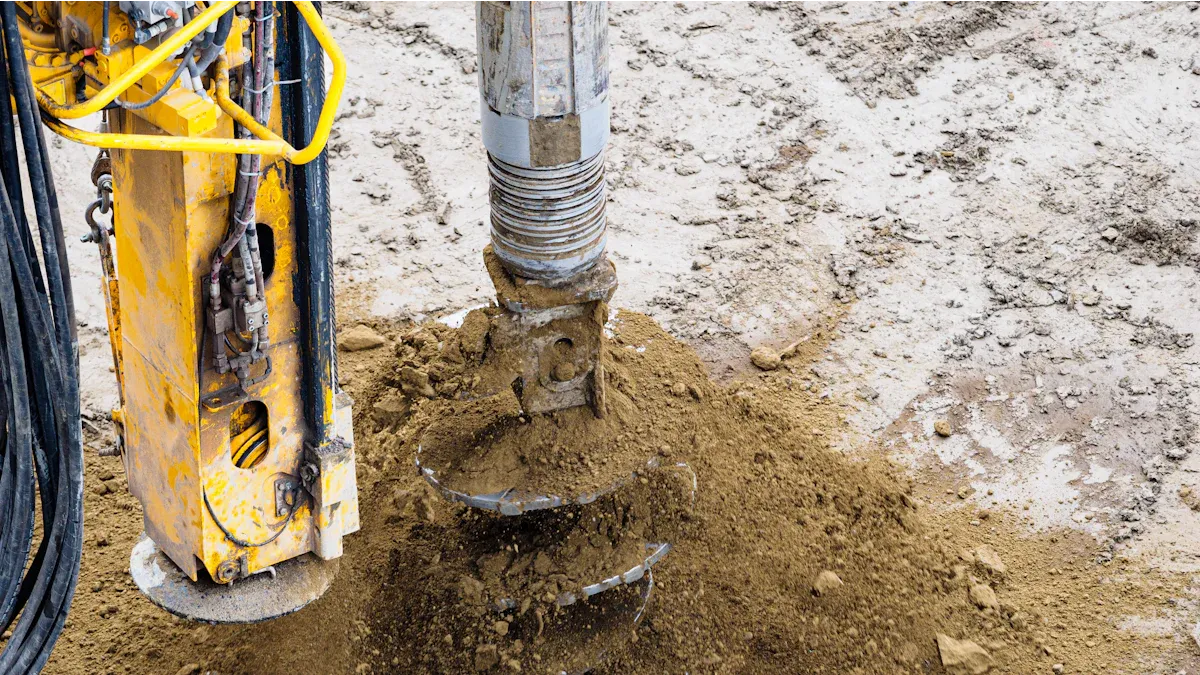
Challenges of Hard Rock Drilling
Drilling in hard rock presents many tough challenges. Rocks like granite and quartzite are very dense. They resist cutting, making drilling slow and difficult. This also causes much wear on drill bits. Hard minerals, such as iron ore and quartz, are often mixed in the rock. These minerals make drill bits wear out even faster. Using the wrong drill bit for the rock type also lowers how well it breaks rock. Worn-out drill tools must be replaced quickly. If not, cutting becomes much less effective.
Drilling through hard rock formations puts great stress on equipment. This leads to more wear and tear. It can cause big delays in drilling projects. Very hard and abrasive rock wears down parts like cutterheads and main bearings. This can lead to equipment failures. Fault zones are another problem. They have unstable ground that can collapse. High-pressure water can also flow in. This can stop or flood drilling operations. Rock bursting is a sudden, explosive rock failure. It happens because of high stress. This puts equipment and workers at risk. It needs special support methods.
Specialized Technologies for Hard Rock Penetration
Modern horizontal directional drilling uses special tools for hard rock. Tricone bits have three rotating cones. These cones have strong teeth. They crush and move rock. They work well in many hard rock drilling jobs. PDC bits use synthetic diamond parts. They are very hard and resist wear. These bits cut very well in hard rock. They drill faster and last longer. Diamond bits have diamond parts on a steel core. They cut through the hardest rock. They are good for jobs needing high accuracy.
TCI Tricone bits are very flexible. They have designs for different rock types. For hard formations, they need high pressure. Air Hammer Systems are best for very hard rock. They use an air hammer and a hammer bit. This system drills very fast in hard formations. High-torque motors also help a lot. They make the drill bit spin with more power. This helps drill through hard rock faster. For example, Ultra XL motors give high torque at moderate speeds. This helps them drill through hard rock using PDC bits. It also increases how fast they penetrate. The Ultra XL45™ motor's high torque stops the drill from sticking. This makes it work better and last longer. Low-speed motors also give more power. They help drill hard rock with strong PDC bits. High-torque motors make the drill spin faster and with more power. This helps drill faster and stops the motor from stalling. High-torque hdd tools with smaller PDC cutters also help drill faster in tough formations. These hdd tooling solutions are key for success.
Optimizing Hard Rock Penetration and Stability
To drill well in hard rock, special methods are used. Mud motors change fluid energy into mechanical energy. This drives the drill bit. They work well in high-pressure rock. Specialized cutting heads are also used. Tricone bits break hard rock. PDC bits cut ultra-hard formations. Coring bits work for mixed formations like cobble and gravel. High-torque drill rigs have the power to cut through tough rock. They keep steady progress.
Optimized drilling fluids, or mud, are very important. These fluids cool the cutting head. They carry rock pieces to the surface. They also make the borehole stable. They reduce friction and heat in high-pressure rock. Additives like bentonite or polymers make the mud work better. Down-the-hole hammer (DTH) drilling uses a hammer bit at the bottom. This hammer hits the bit directly. It is very good for hard rock and drills fast. Casing drilling puts a casing in as it drills. This stops the hole from collapsing. This is important for unstable soil conditions. Mud pumps circulate the drilling mud. This keeps the borehole stable. It cools the bit and lifts cuttings. This is key for strong and efficient operations. Site assessment and soil analysis are also vital. They find out about rock formations and density. This helps choose the right tooling and equipment. It lowers risks and makes sure the structure is strong. These methods ensure successful installation in hard rock.
Mitigating Stuck Pipe and Torque Spikes in Hard Rock
Stuck pipe and torque spikes are common challenges in hard rock drilling. Stick-slip happens when the drill bit repeatedly sticks and then slips. This often occurs in hard formations. It causes damaging torque spikes. Poor hole cleaning also causes problems. If cuttings are not removed well, they build up. The drill string then moves through these cuttings. This creates uneven torque. Issues with the wellbore quality, like ledges or sharp turns, can also increase contact. This leads to unstable torque. Drill bit problems, such as dull cutters, also cause uneven cutting. This leads to torque instability.
CEGC offers solutions for these challenges. Their Anti-Stall Powertrain & Overload Protection system helps. It prevents stuck pipe and torque spikes. This system has high-torque output. It works over a wide range of speeds. It also manages hydraulic pressure. It ramps up and down slowly. This reduces shock on rods and tooling. CEGC also offers an optional "rock package." This package includes better cooling and filtration. It has more torque reserve and heavy-duty parts. This makes the horizontal directional drilling machine stronger for hard rock. These features help ensure smooth pipeline installation even in tough shale formations. For example, in a recent pipeline project through a challenging shale layer, CEGC's system greatly reduced downtime. This allowed for efficient installation. Another project involved drilling through a thick shale bed. The specialized shale tools with replaceable carbide cutter teeth and interchangeable cutter teeth performed exceptionally well. This reduced wear and improved penetration. This shows how CEGC's solutions address complex design challenges and handle high installation and operation loads in hard rock.
Navigating Soft Sediment Formations with Horizontal Directional Drilling
Challenges of Soft Sediment Drilling
Drilling in soft dirt is hard. This includes clay, sand, and loam. They are not hard. But they can be shaky. A big problem is the hole falling apart. This happens in weak shale. Weak ground also causes it. Earthquakes can make it worse.
Drilling in salt is also risky. Salt has special traits. These include its weight and how it melts. Problems during drilling include salt creep. This is when salt moves into the hole. The hole can also become shaky. This means washouts or stuck drills. The casing can break. Mud can cover the drill bit. This makes it hard to cut. The drill bit cannot clear dirt well. The hole can change direction. Pressure issues are also risks. Sometimes, tools cannot see inside salt. This makes planning harder.
Specialized Technologies for Soft Sediment Stability
Modern horizontal directional drilling uses special tools. These are for soft dirt. These tools keep the hole steady. They also help the drill move. Mud motors are often used. They help steer the drill. They also power the bit. Steerable systems give exact control. This helps guide the drill.
Special drilling fluids are also key. They stop the hole from falling. They also remove dirt. Specific drill bits are for soft soil.
-
For silt, loam, or loose sand, augers work well. They move the soil away.
-
For sticky soil like clay, augers need special cutters. They also need certain speeds. This stops dirt from sticking.
-
Guide bits start the hole. Drag bits are for softer soil. Claw bits work in mixed soil. This includes loose rock or gravel. These hdd tools make drilling in soft soil easier. They help with pipeline installation.
Preventing Wellbore Instability in Soft Sediment Drilling
Stopping the hole from collapsing is key. Loose ground can easily fall apart. Many ways help keep the hole steady.
-
Maintaining Drilling Mud Viscosity: Drilling mud is thick. It is water and bentonite. It is pumped into the hole. Its pressure holds the walls. This stops collapse. The mud must be heavier than the earth. It will pack into the soil. This makes it stable. Checking it often is key. This helps change its thickness. If too thick, add water. If too thin, add bentonite. This keeps the walls strong.
-
Chemical Injection: Resin and hydrogel injections work well. They stop sand from coming out. Sand can make the hole collapse.
-
Expandable Sand Screen: This has three layers. It is put into the well. Then it gets bigger. It gives support. It also stops sand.
CEGC offers ways to fix these challenges. Their Mud Integration & Fluid Management Solution helps. It stops frac-out. It also keeps mud good. This includes pump size help. It also includes filter readiness. This helps manage the soil conditions. It makes drilling smooth. This is true in tough shale ground. For example, a pipeline project in shaky shale used CEGC's system. It made the hole much steadier. This led to a good pipeline installation.
Ensuring Optimal Fluid Performance and Preventing Frac-Out
Good drilling fluid is vital in soft dirt. It stops fluid loss. Soft dirt can soak up fluids. This causes problems.
-
Less fluid going in is important.
-
Picking the right fluids helps.
-
Testing them together is needed.
-
Don't leave fluid in holes too long.
-
Using Al2O3 nanoparticles helps. It stops small bits from moving. It stops holes from blocking.
-
Keeping mud density right is key. This is between 13.5–15.5 ppg. It makes drilling steady.
-
Using Real-Time Optimization of drilling Parameters (RTOP) makes it better.
-
Finding collapse pressure helps. It helps pick the right fluid.
Water-based drilling fluids are key. They keep the hole steady. They also stop fluid loss. Carrying power and fluid traits are linked. Thicker fluid moves dirt better. Water in porous ground can harm the hole. This is due to fluid traits. It can cause stuck pipes. It can also cause collapse.
CEGC's Mud Integration & Fluid Management Solution helps. It works with pumps. It offers pump packages. It also has filter upgrades. Fluid handling is available. This ensures the right tooling for any soil. This helps stop frac-out. It helps with pipeline installation. This is true in complex shale ground. For instance, a pipeline project in porous shale used CEGC's system. It made drilling steady. It stopped fluid loss. This made building easier.
Adaptability and Efficiency: Why Horizontal Drill Beats Hard Rock Soft Sediment
Precision Guidance and Real-Time Adaptation
Modern horizontal directional drilling changes with the ground. This is why a horizontal drill beats hard rock soft sediment. Data helps guide the drill. Systems like PERSEPHONE watch all the time. They check mud. They scan the ground. This gives instant facts about what is under. If the ground is too hard, drilling can stop. Operators can change settings. They can change the drill bit. This quick change makes drilling good. Halliburton's LOGIX® platform uses live data. It changes drill paths by itself. This stops delays. It makes sure wells are in the right spot. CEGC's tracking system helps with this. Sensors and GPS guide drill heads. Radar finds things in the way. Maps show all data. Electronic tools check where utilities are. GPS mapping records the path. These tools make sure things are put in exactly right.
Tooling Compatibility and Durability for Diverse Geology
Drilling fluid design is key for different grounds. CEGC's fluid system makes sure mud is right. This helps in hard rock. It also helps in soft dirt. CEGC's Guidance & Stability System fixes drill path problems. It stops crossing issues. The Tooling Package saves money. It makes tools last longer. This means less wear on reamers. It means less wear on cutters. This helps in all kinds of dirt. Good tools are very important for good drilling.
Economic and Environmental Advantages of HDD
Horizontal directional drilling has many good points. It is often 30-50% cheaper than digging. Building time is much faster. It can be 2 to 20 times quicker. It needs fewer workers. Usually 3-6 people per rig. Running costs are low. The chance of accidents is small. Permit getting is faster. It costs less. This makes a horizontal drill beats hard rock soft sediment a smart choice. For nature, HDD messes up the ground less. It keeps nature safe. It stops water pollution. It does not harm plants. It does not harm animals. HDD also makes less carbon. It finishes jobs faster. This means less energy. It means less pollution. It saves roads and trains. This means less mess. It means fewer traffic problems. Better safety also protects nature. This happens when pipes are put in.
Future Trends in Horizontal Directional Drilling
The future of HDD has new tech. AI and ML will make drilling better. They will handle different dirt types. They will also help fix things before they break. This means less stopping. New materials will make drills lighter. They will make them stronger. Green designs, like electric drills, will cut carbon. Better safety will make jobs safer. Robots will do a lot. AI will plan drill paths. It will change things as needed. This helps find things in the way. Better sensors will check power. They will check push. They will check dirt. This gives live facts. Robots make more things. They make fewer mistakes. They also make putting things in safer. This is true for moving rods. This makes sure the horizontal drill beats hard rock soft sediment for many years.
The horizontal directional drilling machine is great. It drills through hard rock. It also drills through soft dirt. Its tech handles tough drilling. This makes HDD useful. It is good for putting things underground. New ideas in HDD are important. CEGC has new ideas. This helps future projects. It makes sure drilling works.
FAQ
What makes horizontal directional drilling effective in different ground types?
Horizontal directional drilling uses special tools. It changes for different ground. This helps it work well. It works in hard rock. It also works in soft dirt.
How does CEGC prevent stuck pipes in hard rock?
CEGC's Anti-Stall Powertrain helps. It has strong turning power. It also controls power. This stops pipes from getting stuck. It stops sudden power jumps in hard rock.
What are the main environmental benefits of using HDD?
HDD drills under the ground. It does not dig open ditches. This means less harm to nature. It also causes less mess on top. It creates less pollution.


