
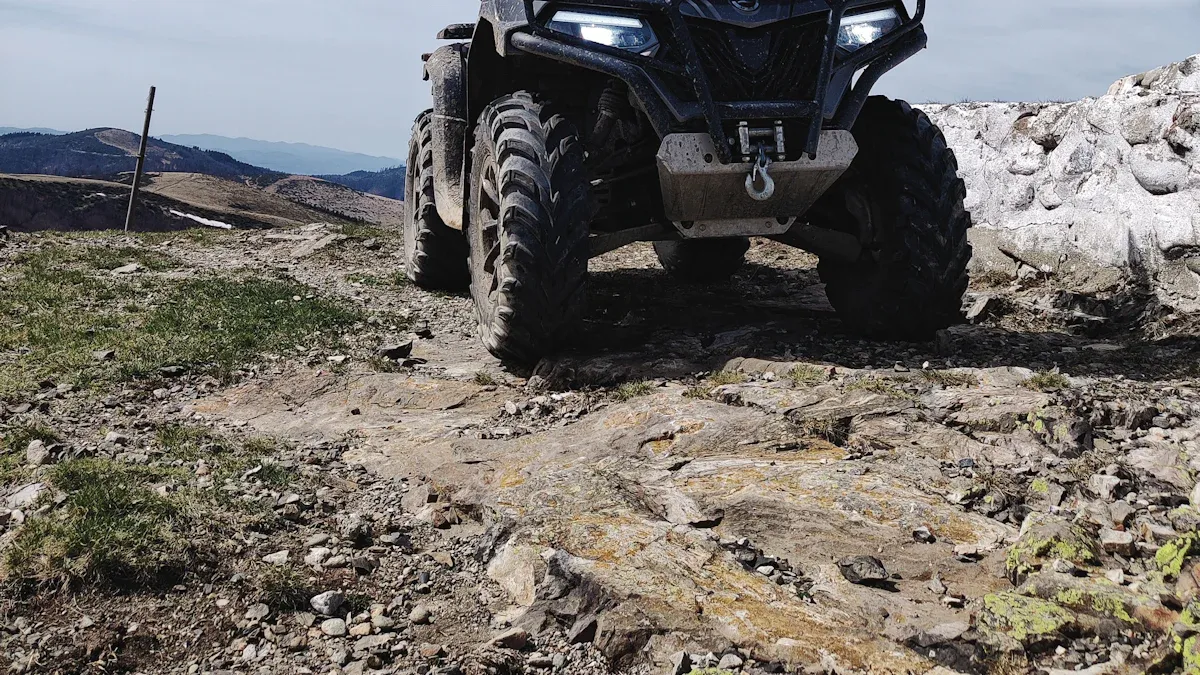
How do Horizontal Directional Drilling (HDD) rigs work? The Horizontal Directional Drilling Rig All Terrain can go anywhere thanks to specialized engineering. They feature a robust design, incorporating advanced all-terrain technology, powerful tracks, and sophisticated hydraulics. Their adaptable tooling is a crucial feature, enabling effective drilling across diverse environments. The demand for these rigs is increasing, with the market experiencing rapid growth. Companies like CEGC require high-quality solutions to meet this demand.
|
Metric |
Value |
|---|---|
|
Projected Market Size (2033) |
|
|
CAGR |
8.1% |
Key Takeaways
-
All-terrain horizontal directional drilling (HDD) rigs work in tough places. They can go to rocky areas. They can go to wet lands. They can go to cities. They have strong tracks. They have powerful engines. They have smart leveling systems.
-
These special rigs help nature. They dig less. They use precise tools. This avoids harming land. This avoids harming water. This avoids harming underground pipes.
-
Advanced technology helps these rigs. Skilled workers help too. They make rigs exact. They make rigs efficient. Jobs finish faster. Jobs finish safer. This saves money. It also helps the environment.
Core All-Terrain Rig Design: Enabling Features
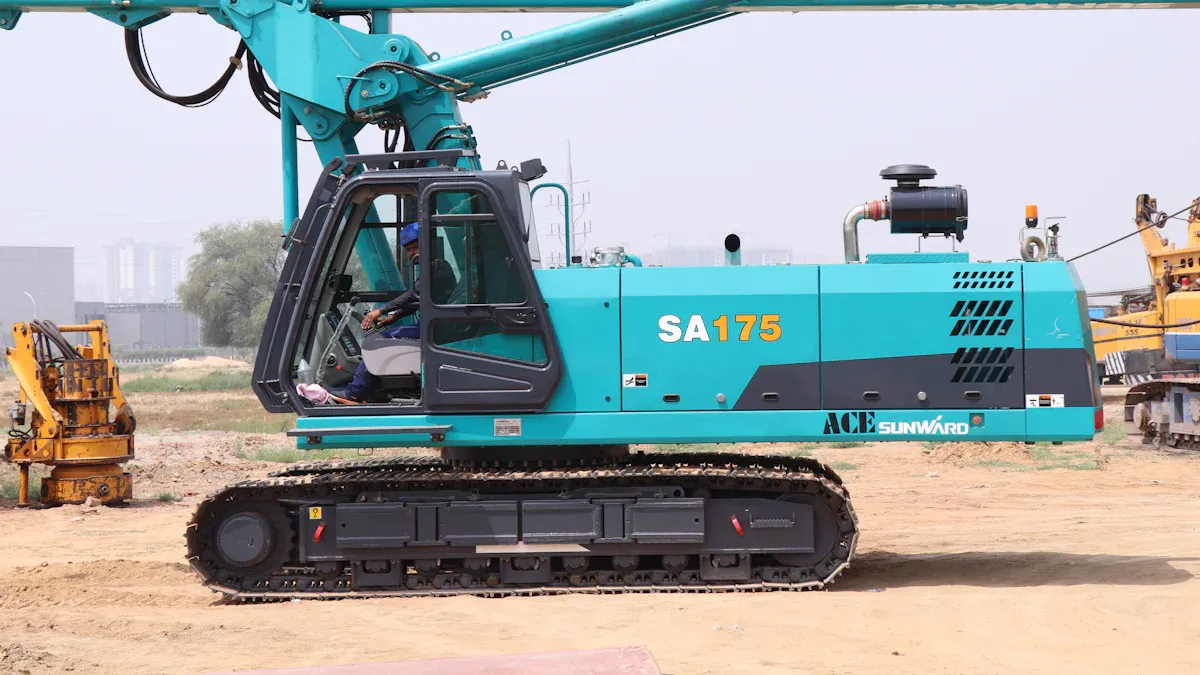
A horizontal directional drilling rig all terrain machine handles tough ground. Its design works well anywhere. These features solve problems. They fix issues with varied ground.
Robust Mobility and Stability Systems
Moving easily is key. Staying steady is also important. Rigs need to reach hard spots. Many use strong caterpillar tracks. They move on their own. They work where trucks cannot. A crawler unit moves well. It is good for tough ground. It moves the rig fast. This helps between drilling spots.
Some models use special tracks. Toro HDD is one example. They have front-mounted motors. These motors have planetary gears. This gives great grip. It works on all ground types. Different rigs exist. There are frame rigs. Trailer rigs are another type. Crawler rigs and modular rigs also exist. Each type meets specific needs.
Power and Precision: Engine and Hydraulics
Strong engines are vital. Smart hydraulic systems are too. They give power. They give control for drilling. For example, a ZT-60/120AT Horizontal Drilling Rig (All-terrain HDD) has a 264 kW engine. Its mud pump reaches 10 MPa. The MX1000 Portable Fully Hydraulic Core Exploration Drilling Rig is another example. It has a 132 kW engine. Its hydraulic system pressure is 50 MPa.
|
Rig Type |
Engine Power |
Max Mud Pump Pressure |
|---|---|---|
|
ZT-60/120AT Horizontal Drilling Rig |
264 kW |
10 MPa |
|
Rig Type |
Engine Power |
Hydraulic System Pressure |
|---|---|---|
|
MX1000 Portable Fully Hydraulic Core Exploration Drilling Rig |
132 kW |
50 MPa |
Advanced hydraulics keep steady power. They work in different soils. They handle pipes carefully. This helps alignment. It also boosts safety. The Ditch Witch AT40 All Terrain has new hydraulics. This gives power well. It has a modular stake down system. This system offers fine control. It gives better precision. Vermeer's D550 HDD model has a hydrostatic transmission. This design boosts rotary power. It lowers system pressures. This is important for good drilling.
Compact Design for Confined Spaces
Many drilling jobs are in tight spots. This can be in cities. It can also be in thick forests. A compact design helps. The horizontal directional drill fits in small areas. Smaller rigs move around things easily. They set up faster in busy zones. This design is useful for city jobs. Space is often limited there. It also lessens the impact on sensitive land.
Integrated Leveling for Uneven Ground
Working on hills needs special tools. Uneven ground needs them too. They keep the rig steady. Integrated leveling systems help. Some rigs use a four-auger system. This gives more stability. A dual-pivot drill frame allows steep entry. It does this without lifting tracks. This keeps the machine stable. The operator's station stays level. Extendable tracks move out. They increase stability on uneven ground.
Metal-reinforced tracks are good for ground pressure. They ensure steady work. This works on soft ground. It also works on uneven ground. All-terrain tracks cut ground pressure by 15%. This stops sinking in soft soils. Some models have adjustable tracks. These tracks improve stability. This helps on uneven ground. It speeds up setup in tough spots. An automatic leveling function is also in some rigs. This helps the rig climb. It helps it perform off-road. It ensures steady work on rough ground. These features make the rig better.
Mastering Diverse Terrains: The All-Terrain Directional Drill in Action
An all terrain directional drill is strong. It works in many tough places. These drills help build important things. They do this with little harm to nature. Let us see how they work. They perform in hard places.
Conquering Rocky and Mountainous Regions
Rocky and mountain areas are hard to build in. Drill spots can be small. Coasts can be steep. Getting there might be on narrow roads. These conditions stop big cranes. A horizontal directional drilling rig all terrain machine handles this. A crawler rig is best. Its flexible tracks move well. It works in extreme places. This is true even when the drill goes deep into rock.
Working in rocky ground needs smart workers. They must change their ways. They solve problems. This is more than just knowing facts. They adapt fast to new ground. To stop problems like "Stuck Pipe, Torque Spikes & Downtime," CEGC helps. Their Anti-Stall Powertrain & Overload Protection system gives strong power. It also controls water pressure. This lessens shocks on rods. It helps when drilling through hard rock.
Special tools and good plans are key. This is for rock drilling.
-
Dual-pipe drilling systems steer better. They work in solid rock. They also lose less fluid.
-
Heavy-duty rock backreamers have parts you can change. They make holes bigger in solid rock.
-
High-performance bits are used. Railhead rock bits are one type. PDC bits are another. InRock Air Hammers are best for the hardest rock.
-
Careful planning is very important. This means picking the right tools. This is for each job. Workers must be patient. They must be exact.
-
Knowing rock types helps pick tools. A full drill plan is made first. This plan uses facts about the rock. It also looks at hole size. It checks the land. It considers job needs. This stops "Bore Deviation & Crossing Failure." CEGC's Precision Guidance & Stability System helps. It controls push, pull, and spin. This makes sure it is exact. This is true even in tough rock.
Navigating Wetlands and Water Crossings
Drilling in wet areas needs much care. This is true for water bodies too. Rules for nature are strict. Workers must spill little drilling fluid. These spills are called IRs. They can hurt water and wet areas. This can lead to fines. Full ground checks are done first. These checks guess possible IRs. They also look for risks to animals.
Drilling fluid additives must be okayed. Changes to these fluids need approval too. Workers must know about okayed additives. Keeping drinking water safe is key. Water wells are checked. This is before, during, and after drilling. This stops water levels from dropping. It stops water from getting dirty. A spill plan must be ready. It helps manage fuel spills. It helps stop them. Problems must be told fast. This avoids fines.
An all terrain directional drill helps keep these areas safe. For example, Ditch Witch JT100 All-Terrain Technology uses less fluid. This means less waste. It helps nature more. It uses an inner pipe for the bit. It uses an outer pipe for push. The Ditch Witch JT20 saves fuel. It makes less pollution. It turns off the engine when not used. Its cooling system uses less fluid. The ParaTrack2 Pressure Module checks drilling pressure. This stops costly frac-outs. Products like Supa Pit Dry Solidifier turn liquid waste solid. This lowers trash costs. It helps nature. HDD is a trenchless way. It harms the ground less than digging. This is good for nature. It helps these job sites.
Urban and Densely Populated Area Operations
Working in cities means small spaces. Many pipes are already underground. An all terrain directional drill is great for these job sites. Its small size lets it fit in tiny spots. It can set up fast in busy areas. This means less traffic problems. It also makes less noise for people.
Being exact is very important in cities. Many pipes and wires are underground. Avoiding these needs exact drilling. CEGC's Precision Guidance & Stability System is key here. It makes sure the drill stays on its path. This stops damage to old pipes. It also stops costly re-work. The system uses matched control. It controls all drilling actions. This stops "Bore Deviation & Crossing Failure." This makes putting in pipes safe. It makes it fast. Many hdd job sites in cities use this.
Protecting Agricultural and Sensitive Lands
When working on farms, harming nature must be small. HDD is a trenchless way. It harms the ground very little. This is a big plus. It means less harm to crops. It means less harm to nature. This also means less need to fix things later. This saves money. It saves time on big jobs.
Good planning helps keep these lands safe. Drilling angles are made best. Computer models help. These models show drilling paths. They help pick a path. This path avoids sensitive areas. Real-time monitors give facts fast. This allows quick changes. This is if new ground is found. This makes less waste.
Before and after drilling, checks look for harm to animals. Keeping groundwater clean is also key. This means picking the right spot. It means getting ready. Water quality is checked all the time. This helps find dirt early. Managing chemicals is also important. These are used in soil. Rules for safe handling stop leaks. Talking to local people builds trust. It makes sure work protects nature. These ways make sure pipes are put in well. This protects farms. It protects sensitive job sites.
Advanced All-Terrain Technology for Optimal Performance
Precision Guidance and Stability Systems
Modern machines use smart systems. They help drill very well. Gyroscopic modules measure pipe positions. This is key for tough jobs. They give live data on angles. This helps avoid crashes. MWD systems send drill data live. Walk-over locators find the drill head. CEGC's system uses these ideas. It controls push and spin. This stops shaking. It makes drilling exact. Automated systems also help. They adjust drilling to stop shaking. This makes drilling smoother. It also makes the hole better. Live data helps operators. They can change things fast. This makes drilling work better.
Optimized Drilling Fluids and Management
Managing drilling fluid is very important. It helps make less waste. It also makes drilling better. CEGC's solution helps here. It guides pump size. It also helps with cleaning. This makes sure fluid works well. Smart systems clean fluid. They reuse it. This saves money. It also protects nature. Closed systems catch all fluid. They catch all dirt. This means no open holes. It stops dirt in soil and water. This is good for jobs. These systems get back materials. They make water cleaner. This helps stop waste. Good fluid care stops spills. It lowers risks. Making fluid better is key. It helps meet rules. It lowers costs. This careful fluid handling is needed. It helps any project succeed. The right fluid mix is vital.
Durable Tooling and Consumable Efficiency
Drilling tools must be strong. They must last a long time. New materials make tools better. Special materials are used. This makes tools last longer. It also makes drilling more exact. CEGC's package helps. It works with many reamers. It gives smooth power. This makes tools wear less. New designs also help. Diamond reamers last longer. They work in hard rock. Coated materials make tools stronger. Digital systems watch tools. They guess when tools might break. This means less stopped time. Special designs help remove dirt. This makes less heat. It makes holes better. This means tools last longer. It saves money.
Operator Expertise and Adaptability
Even with great tech, skilled workers are vital. Hard jobs often have surprises. A good worker knows how to handle these. They have the knowledge. They have the skill. They balance power and exactness. Workers read live data. They know soil conditions. They manage drilling fluid. They spot problems fast. This makes drilling safer. It makes it faster. Workers fix issues right away. They guide their teams. They keep safety high. Their gut feeling about ground is key. They change fast. They make changes right away. This is important when they cannot see. This skill is crucial for any project. It helps tough jobs succeed.
The horizontal directional drilling rig all terrain is very important. It has a strong design. It uses advanced all terrain technology. Skilled workers run it. This makes work fast. It saves money. Less digging is needed. Less fixing is needed. Handling drilling fluid well protects nature. Good drilling fluid use makes work faster. It lowers drilling fluid costs. The right drilling fluid helps projects succeed. Good drilling fluid care is key. These rigs are like partners. They can handle tough ground.
FAQ
What makes an HDD rig "all-terrain"?
All-terrain HDD rigs have strong tracks. They use powerful engines and smart hydraulics. They also have special leveling systems. This helps them work on any ground.
Why is HDD good for the environment?
HDD is a trenchless method. It digs less. This means less harm to land and nature. It also reduces cleanup needs.
How do HDD rigs work in cities?
HDD rigs are compact. They fit in small spaces. Precision guidance avoids existing pipes. This makes urban drilling safe and efficient.


