
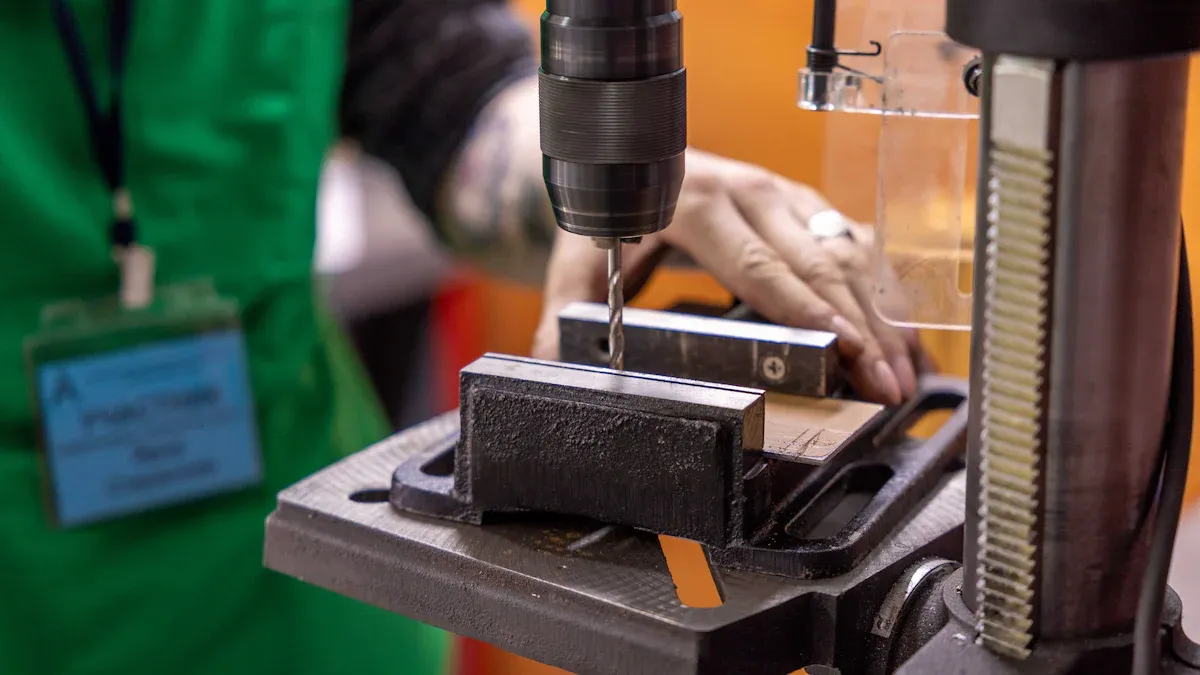
You have real problems with horizontal directional drilling. Small mistakes can make the drill go off path. This can cause hitting utilities or needing expensive fixes. Here is how these problems can hurt your project:
|
Impact Type |
Description |
|---|---|
|
Emergency Costs |
Hitting utilities means quick action, leaving the site, and safety risks. |
|
Costly Delays |
Work stops, you lose time, and you might get fined for being late. |
|
Lasting Liability |
Lawsuits and higher insurance costs can hurt your company’s name. |
|
High Cost of Skipping Surveys |
Surveying is cheap compared to the big cost of hitting a utility. |
CEGC helps you stop these problems. Horizontal Drill Micro Error Prevents Path Mistakes for safer and better results.
Key Takeaways
-
Small mistakes in horizontal drilling can cause expensive problems. You should always check your tools and make a good plan to stop these mistakes.
-
Using new technology and accurate guidance systems helps your drill stay on track. This lowers dangers and makes the project safer.
-
Teaching your workers is very important. Teams that know what to do make fewer mistakes and finish jobs faster, which saves time and money.
Horizontal Drill Micro Error Prevents Path Mistakes
What Are Micro Errors?
Micro errors happen when you use a horizontal directional drilling machine. These are tiny movements during drilling. Small shifts can make the drill leave the planned path. Even a few millimeters can cause problems. If you ignore micro errors, big mistakes can happen. The phrase horizontal drill micro error prevents path mistakes means you must notice every detail. You should check your machine, your plan, and your site before starting. Micro errors can come from the ground, the equipment, or the operator. You need to watch for these issues to keep your project safe.
Why Path Accuracy Matters
Path accuracy helps your project stay on track. If you miss the path, you might hit a utility line or miss your crossing target. You may need to redo your work. This costs money and time. You could face penalties or lose your reputation. The idea that horizontal drill micro error prevents path mistakes shows why accuracy is important. CEGC gives you horizontal directional drilling machines with market-standard specs. You can change these machines to fit your project. You get features that help you avoid micro errors. You can use guidance systems and stability tools. These help you keep your drill on the right path. Remember, horizontal drill micro error prevents path mistakes every time you drill. You protect your team, your budget, and your results.
Causes of Micro Errors in Horizontal Directional Drilling

Planning and Survey Issues
You need a good plan before you drill. If you skip surveys or guess distances, mistakes can happen. Bad planning can make your drill miss the target. Always check your maps and measure everything. Good planning helps you avoid micro errors when drilling.
Equipment and Operator Factors
Your machine and your skills are important. If your machine has old parts or is not cared for, mistakes are more likely. Some common problems are:
-
Engine trouble like getting too hot or breaking down. You need to change the oil often.
-
Leaks in the hydraulic system from bad seals or hoses. Checking your machine helps stop leaks.
-
Problems with mud flow. If mud does not move right, the wellbore can get weak.
Operators must learn how to use the horizontal directional drilling machine the right way. Good operators see problems early and keep drilling safe.
Environmental and Site Conditions
The ground changes how you drill. Hard soils need you to use a higher angle and push harder. Soft soils let you use a lower angle and need less force.
|
Entry/Exit Angle Impact |
Resistance Level |
|
|---|---|---|
|
Hard/Dense Soils |
Higher angles needed |
High resistance |
|
Soft/Loose Soils |
Lower angles okay |
Low resistance |
You might find surprises while drilling. These can be:
-
Machine breakdowns
-
Problems with drilling fluid
-
Bad weather
-
Small work areas
You need to watch for these things to keep drilling safe and correct.
Solutions and Best Practices for HDD Accuracy
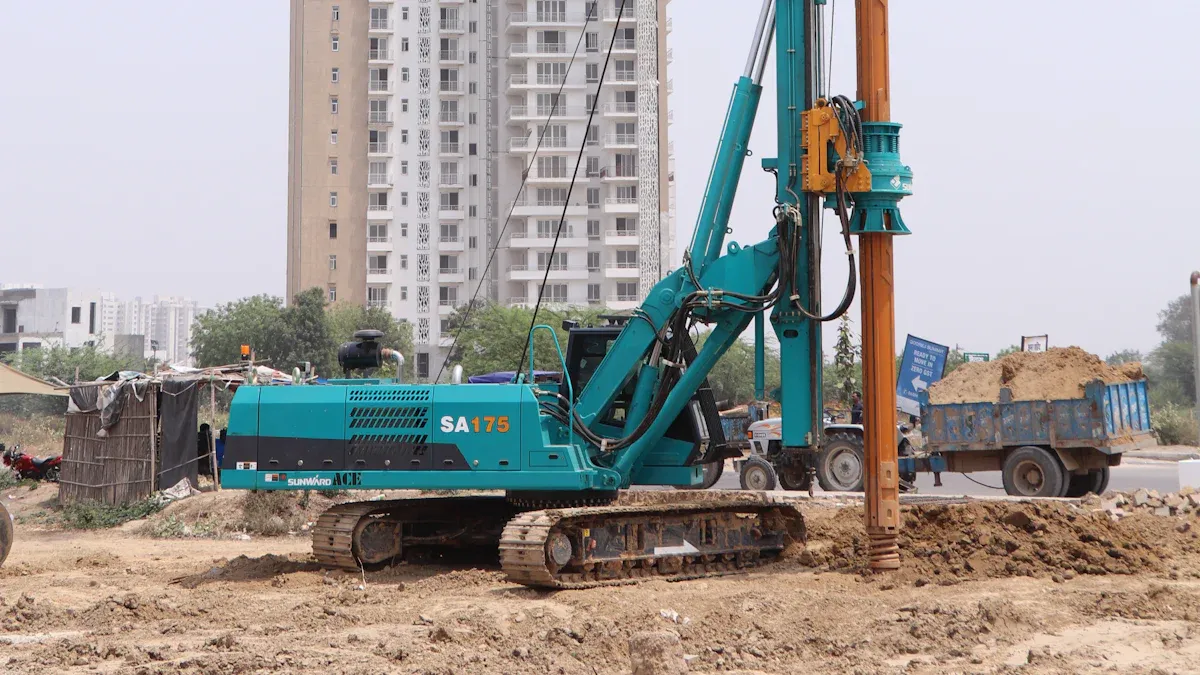
Precision Guidance and Stability Systems
Precision guidance systems help keep your drill on track. These systems stop micro errors and make drilling more accurate. Artificial magnetic fields can help guide the drill better. They are stronger than the earth’s field and help the drill stay straight. Field surveys check for outside magnetic fields that might cause problems. This step helps you keep your drill going the right way. You need to place your drilling rig in the right spot. Line up your rig with the crossing’s center line. This makes drilling more accurate and stops mistakes.
Training your crew helps stop human error. When your team learns well, they make fewer mistakes. You must measure magnetic azimuth and drill rod length carefully. These measurements help keep your drill on the planned path. Load-matched control helps manage thrust, pullback, rotation, and feed. This keeps drilling steady and stops shaking or walking. Tracking integration lets you watch your drill as it works. You can find small errors early and fix them before they get worse.
Advanced HDD Technology and CEGC Solutions
Advanced technology can make your drilling better. CEGC gives you horizontal directional drilling machines and Trenchless Drilling Rigs with standard specs. You can change these machines to fit your project. Custom features help you stop micro errors and make drilling more accurate.
|
Feature |
Impact on Micro Errors |
|---|---|
|
Tracks drill head deep underground. Finds errors sooner and locates drill head better. |
|
|
Integrated Camera Concepts |
Shows live video. Helps you watch and adjust drilling as it happens. |
|
Intelligent Control Systems |
Changes to match ground conditions. Makes drilling more accurate and stops position mistakes. |
Real-time monitoring and control help you avoid hitting things underground. Digital bore planning lets you map your drill path fast and accurately. You can make a plan that looks at soil and obstacles. This plan helps you drill straight and avoid mistakes. CEGC’s machines have high-torque output and hydraulic load sensing. These features help control pressure and stop shock loads. You can pick the right rod size, tool joint specs, and wear protection for your ground and tools.
Operator Training and Fluid Management
Training operators helps stop micro errors in drilling. Adding new crew members quickly makes your team work better. Training boosts productivity and makes drilling safer. You can teach your team to use new technology and automation. This helps avoid mistakes and keeps drilling safe.
You need good process discipline to stop micro errors. Set clear goals and limits for your drill path. Build your bottom hole assembly for the ground, angle, and dogleg limits. Make sure your drilling, directional, and measurement teams work together. Match motors or steerable systems to your planned dogleg severity. Check tools to make sure they fit and work well. Keep survey practices steady and watch toolface quality. Fix small mistakes early to keep drilling on track. Set the right flow rate for cleaning the bit and watch cuttings return. Change settings when needed and track torque, drag, penetration rate, and pressure. Tell your team about problems right away and keep talking.
Fluid management is important for drilling success. Pick the right drilling fluids for good performance. Learn about additives and set pumping rates to keep fluid properties. Make sure fluids are mixed and hydrated well. Test and check fluids often to keep quality high. Think about the environment and change plans if needed. Keep records to track fluid performance and choices. Training in fluid management helps your crew stay ready and smart.
|
Description |
|
|---|---|
|
Proper Fluid Selection |
Picking the right fluids helps drilling work well. |
|
Mastering Additive Selection |
Knowing which additives to use makes fluids better. |
|
Optimizing Pumping Rates |
Changing pump rates keeps fluid properties right. |
|
Adequate Hydration and Mixing Time |
Mixing and hydrating fluids well makes them work best. |
|
Regular Testing and Monitoring |
Testing fluids keeps them working well. |
|
Environmental Considerations |
Thinking about the environment helps avoid risks. |
|
Training and Education |
Training makes your team good at fluid management. |
|
Adaptability to Conditions |
Changing plans helps manage risks when things change. |
|
Comprehensive Documentation |
Keeping records helps track fluid performance and choices. |
Tip: You can get better drilling results by using advanced technology, following good processes, and training your team. CEGC’s horizontal directional drilling machine and Trenchless Drilling Rig give you tools and features for safe and accurate drilling.
You make your project safer and faster when you stop micro errors. Using new technology and smart steps, like CEGC’s horizontal directional drilling machine, lowers risks. Look at these benefits:
|
Benefit |
Description |
|---|---|
|
You keep nature safe and spend less money. |
|
|
You finish faster and do not make expensive mistakes. |
Make a good plan, use the right tools, and check your drill path all the time.
FAQ
What is a micro error in horizontal directional drilling?
Micro errors are very small changes in the drill’s path. You can find them early if you use guidance systems and plan well.
How does CEGC’s horizontal directional drilling machine help prevent mistakes?
CEGC’s machine has special tracking and stability tools. You can watch your drill in real time and change features for better accuracy.
Why should you train your operators for HDD projects?
|
Benefit |
Result |
|---|---|
|
Fewer mistakes |
Drilling is safer |
|
Higher output |
Projects finish faster |


