
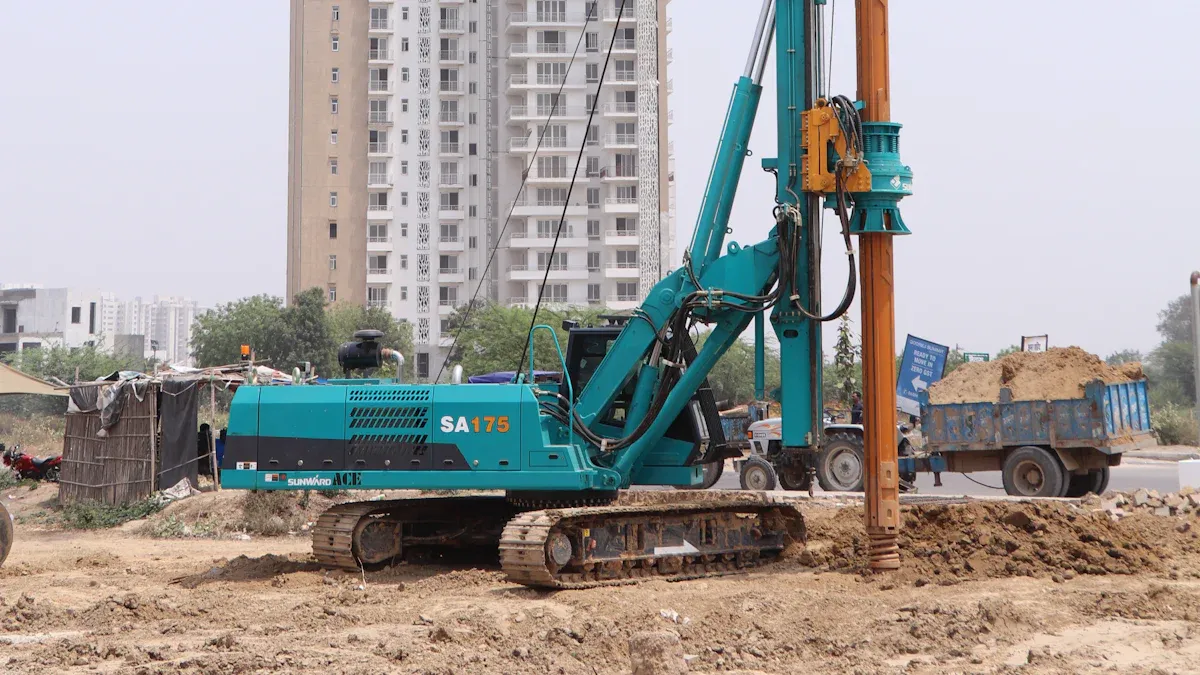
You can get directional bore machine ultra low deviation solves by using CEGC’s horizontal directional drilling solutions. It is important for contractors and utilities to be exact because small mistakes can cause expensive fixes, fines, or crossing problems. Advanced rotary steerable systems and automated steering help make drilling projects more accurate and faster.
Key Takeaways
-
Make sure the rig and bit are set up right to stop bore deviation. Even small mistakes can cost a lot to fix.
-
Use advanced guidance systems and steerable motors to stay accurate while drilling. This helps keep the bore going the right way.
-
Check measurements and rig alignment often before drilling. This easy step can stop many problems later.
Directional Bore Machine Ultra Low Deviation Solves
Causes of Bore Deviation
When you do horizontal directional drilling, you can face problems. These problems can make the bore go the wrong way. The table below lists the main reasons why this happens:
|
Cause |
Description |
|---|---|
|
Improper setup |
If the rig and bit are not lined up right, or if leveling is bad, the string can move and cause the bore to go off track. |
|
Collaring errors |
If the collar is not set in the right spot or angle, the hole can go the wrong way. |
|
Excessive feed pressure |
Too much pressure can bend the drill string. This makes the bit tilt and go off-center. |
|
Misalignment problems |
If the rig or drill string parts are not set up right, the bore can keep moving sideways. |
|
Ground conditions |
Hard or cracked ground can make the bit go in a direction you did not want. |
Every step in drilling is important. If you want directional bore machine ultra low deviation solves, you must control these things from the start.
Operator Skill and Equipment Setup
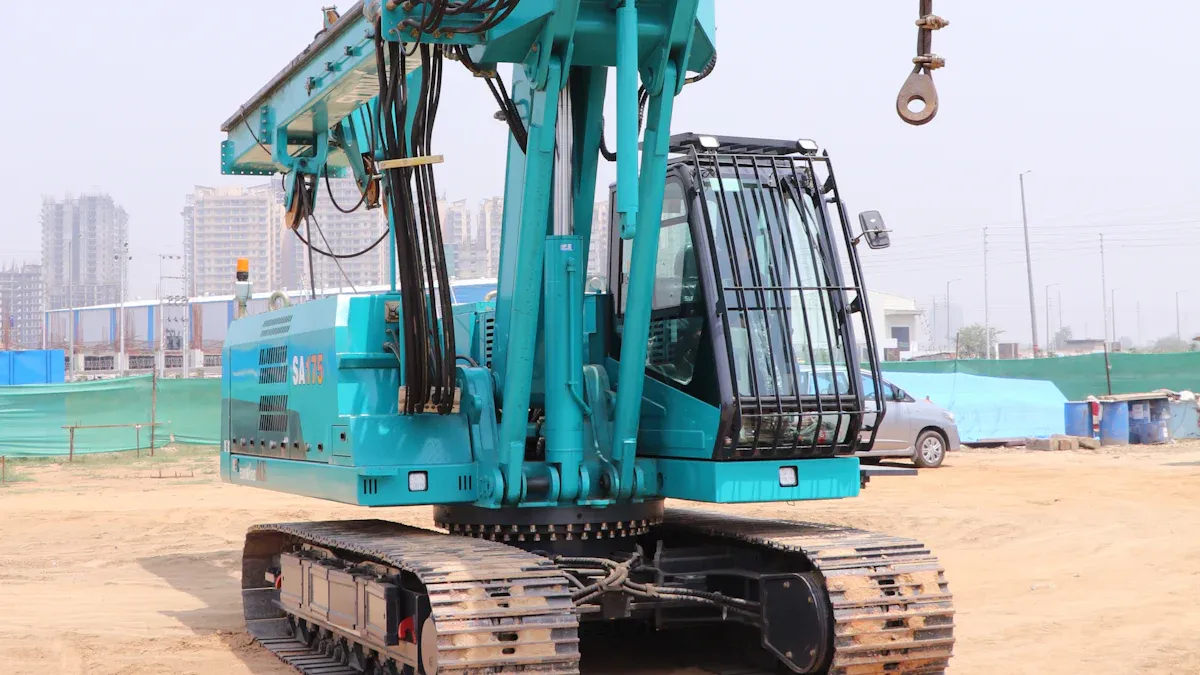
How you use the equipment and your skill matter a lot. If you do not line up the rig and bit right, or use the wrong pressure, the bore can drift. CEGC’s horizontal directional drilling machines have standard specs and can be changed for each project. These features help you keep the drill straight and lower mistakes. Good measurement tools help you avoid errors that can cost money to fix.
Environmental and Magnetic Interference
Environmental and magnetic interference can change your results in horizontal directional drilling. Here are some important points:
-
Magnetic fields from power lines or metal objects can mess up your guidance systems.
-
Fluxgate magnetometers need covers that are not magnetic to work well.
-
The amount of nonmagnetic drill collar you use depends on the angle and direction of your bore.
Directional bore machine ultra low deviation solves depend on how well you handle these outside forces. If you use CEGC’s tracking integration, you can lower interference and get better accuracy.
Bad measurements during horizontal directional drilling can make the bore miss its target. This wastes time and costs more money. You need good tools and careful planning to get directional bore machine ultra low deviation solves every time.
Solutions to Reduce Curve Deviation
Precision Guidance and Stability Systems
You can get better accuracy in horizontal directional drilling with special guidance and stability systems. These systems help you control the drill bit and keep the bore on track. Here are some good ways to stop the bore from going off course:
-
Artificial magnetic field technology makes a strong field around the drill head. This helps block out natural magnetic problems and makes tracking easier.
-
Careful rig positioning means you start drilling in the right spot. You must line up the rig with the center line and put ground anchors in place before you drill.
-
Measuring the magnetic azimuth and drill rod lengths helps keep the curve smooth and easy to follow.
Tip: Always check your measurements and rig setup before you start. This easy step can stop many problems later.
Steerable Motors and Rig Alignment
Steerable motors and lining up the rig the right way help lower curve deviation. The table below shows how different tools help you control the drill better:
|
Contribution |
Description |
|---|---|
|
You can drill and steer at the same time. This keeps your path straight and lowers the chance of getting stuck. |
|
|
Down-hole Motors |
These motors let you change direction exactly. You can control the drill bit more easily. |
|
Monitoring Systems |
Real-time sensors and MWD tools give you quick feedback. You can make fast changes and stay on track. |
Using these systems gives you more control over drilling. This helps you avoid mistakes and keeps your project on time.
Fluid Management and Bit Selection
Good fluid management keeps your borehole safe during horizontal directional drilling. The right drilling fluid moves cuttings out and stops the hole from falling in. If the fluid is too thin, cuttings can pile up and make the bore drift. If it is too thick, you need more pressure, which can also cause trouble. A filter cake forms on the bore wall and helps stop water loss and keeps the hole safe.
Advanced fluid management systems show you fluid weight and pressure right away. You can spot problems fast and fix them before they get worse. These systems can find barite sag in just 30 minutes, much faster than old ways.
Picking the right drill bit also helps you lower curve deviation. Here are some choices:
-
Mill tooth bits cut many soil types and help you stay on track.
-
PDC bits give you better steering and stability. This helps you control the drill bit and keep the bore straight.
-
Hybrid bits work well in hard ground and lower vibration. This helps you drill more accurately.
Accurate Measurement and Tracking Integration
Accurate measurement and tracking systems are very important for horizontal directional drilling. Gyro instruments give you real-time data, so you always know where your drill is underground. Bi-electromagnetic sensing helps you track how far and which way you are drilling. This is important for shallow bores.
Modern rigs use CAN bus systems to collect and share data. This makes it easier to take care of your equipment and see your progress. You can also use BIM clash detection to find and fix problems with underground objects before you drill.
|
Practice |
Description |
|---|---|
|
BIM Clash Detection |
Finds and fixes problems between your plan and underground objects. |
|
Real-time Data |
Lets you watch how your equipment works and plan repairs before things break. |
|
Lower Repair Costs |
Good tracking systems help you catch problems early and save money. |
Note: Training for operators is just as important as the tools you use. Make sure your team knows how to use all the systems for the best results.
If you use these ways to lower deviation, you can get ultra low deviation in your projects. CEGC gives you control packages and tracking integration you can change, so you can match your rig to your job and get the best accuracy.
You can get ultra low deviation in horizontal directional drilling by using exact guidance, skilled workers, and smart tracking tools. Customizing for each project helps you get the same good results every time. The table below shows how using automated systems can help you do better and make fewer mistakes.
|
Technology |
Benefit |
Description |
|---|---|---|
|
Better repeatable accuracy |
Gives steady wellbore placement and uses automatic steering, so people make fewer mistakes. |
|
|
Vermeer D24 HDD |
Better work efficiency |
Has an automatic rod exchange system that makes work faster and helps the machine work well. |
Look at how you drill now. Think about using CEGC’s Trenchless Drilling Rig if you want results that are both steady and right.
FAQ
What is a guide hole in horizontal directional drilling?
You use a guide hole to start your path underground. The guide hole helps you control the direction and depth during horizontal directional drilling.
Why is the guide hole important for accuracy?
You need a guide hole to keep your drill on the planned path. The guide hole helps you avoid mistakes and reach your target in horizontal directional drilling.
How do you make a good guide hole?
You plan your guide hole with care. You check your rig setup and use tracking tools. You keep the guide hole straight for the best results.
How many times should you check the guide hole during drilling?
You check the guide hole often. You look for changes in direction or depth. You make sure the guide hole stays on track every step.
Can you fix a problem with the guide hole?
You can fix a problem with the guide hole if you find it early. You adjust your tools and check your measurements to keep the guide hole correct.
What tools help you keep the guide hole straight?
You use tracking systems and sensors. You watch the guide hole as you drill. You use these tools to keep the guide hole on the right path.
Does the guide hole affect the final bore?
You need a good guide hole for a good final bore. The guide hole sets the path. You get better results when the guide hole is correct.
How do you know if the guide hole is off track?
You use sensors and tracking data. You check the guide hole often. You see if the guide hole moves away from your plan.
What happens if the guide hole is not straight?
You may have to stop and fix the guide hole. You could face more work and higher costs. You want the guide hole straight from the start.
How do you plan the guide hole for a project?
You study the ground and make a map. You plan the guide hole path before you start. You use this plan to guide your drilling.
Can you use the same guide hole for every project?
You cannot use the same guide hole for every project. You make a new guide hole for each job. You match the guide hole to the project needs.
How does weather affect the guide hole?
You watch for rain or cold. You check the ground before you drill the guide hole. You change your plan if the weather changes.
What safety steps do you take with the guide hole?
You wear safety gear. You check the area for hazards. You follow rules when you drill the guide hole.
How do you measure the depth of the guide hole?
You use depth sensors. You check the guide hole as you drill. You keep records to make sure the guide hole is the right depth.
What should you do if the guide hole fills with water?
You stop and check the guide hole. You use pumps to remove water. You make sure the guide hole is safe before you keep drilling.
How do you keep the guide hole clean?
You use drilling fluid. You flush the guide hole often. You remove cuttings to keep the guide hole open.
What is the best way to start the guide hole?
You line up your rig. You check your plan. You drill the guide hole slowly and carefully.
How do you finish the guide hole?
You reach your target point. You check the guide hole for straightness. You get ready for the next drilling step.
Can you use a camera in the guide hole?
You can use a camera to check the guide hole. You see if the guide hole is clear and straight.
How do you record the guide hole data?
You use tracking tools. You write down the guide hole depth and path. You keep this data for your records.
Why do you need to train workers on the guide hole?
You need trained workers for safety and accuracy. You teach them how to drill and check the guide hole.
How do you fix a blocked guide hole?
You stop drilling. You use tools to clear the guide hole. You check the guide hole before you start again.


