
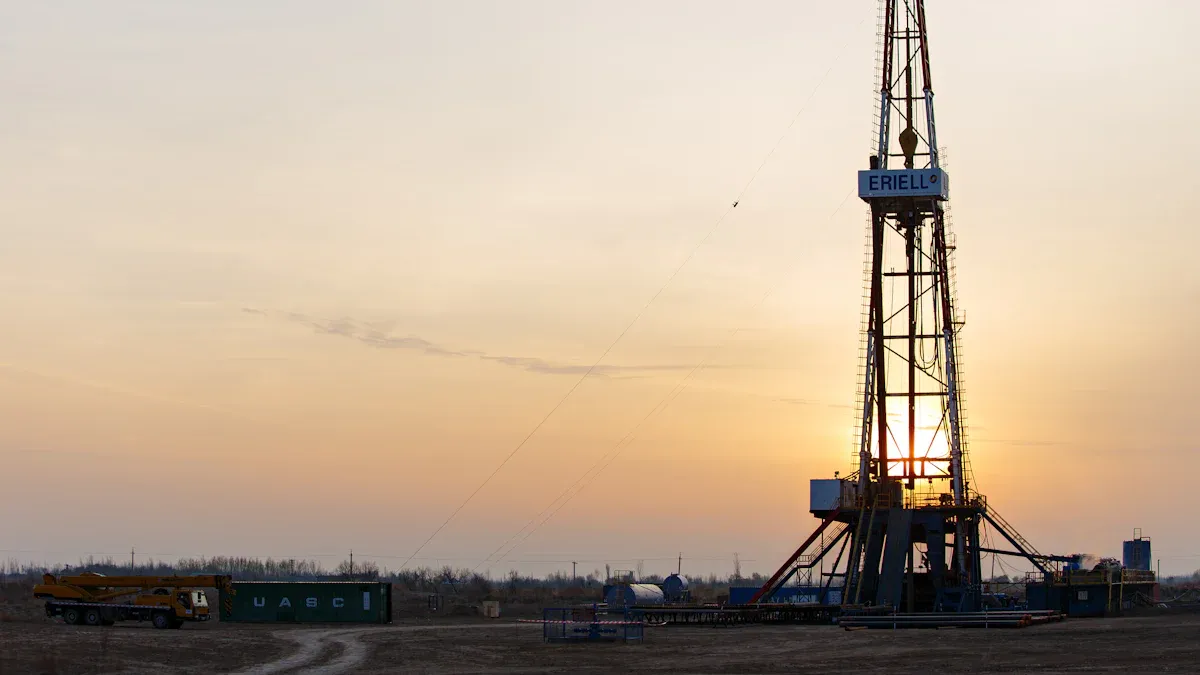
With CEGC’s directional drilling machine, you gain precise control over force thanks to horizontal drill tunable torque, which prevents rod breaking and keeps your drill rods protected. By avoiding excessive torque or stress, CEGC ensures your rods stay intact and your project stays on track. If a drill rod fails, emergency digging may be required, leading to project delays and potential contract issues.
|
Evidence |
Explanation |
|---|---|
|
Drill rods are about 3% of drilling cost |
Losing rods makes costs go up fast. |
|
Emergency digging and delays can make costs much higher |
Surprises can take away your profits. |
|
One failure can cause contract problems and hurt trust |
Rod failure can hurt your business later. |
Key Takeaways
-
Tunable torque systems let you change the force for each job. This helps stop rod breakage and keeps the project running well.
-
You must do regular maintenance, like oiling and cleaning. This is important to keep your drilling equipment working well and to stop expensive problems.
-
Picking the right rod size and strength makes it last longer and work better. This lowers the chance of rod failure.
Drill Rod Failure in Horizontal Directional Drilling
Causes of Drill Rod Failure
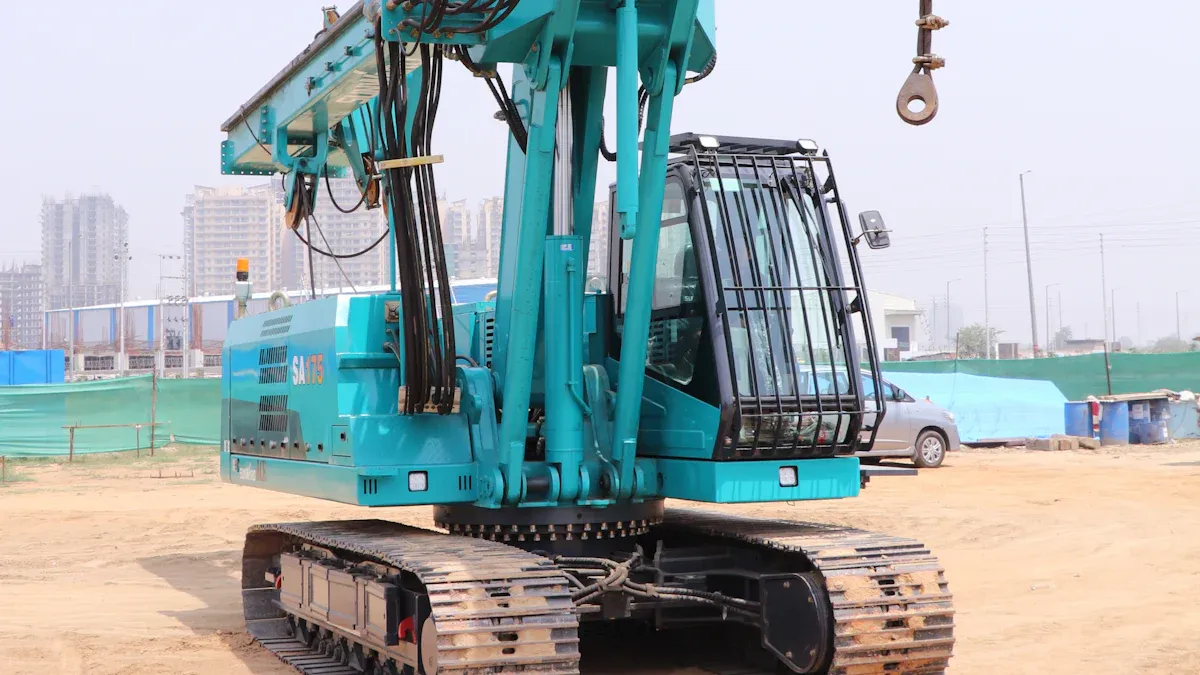
There are many risks when you use a horizontal directional drilling machine. Drill rod failure can happen because of vibration, high torque, or over-tightening. These problems can make tiny cracks, damage threads, and make rods weaker. Water washout lets moisture touch the steel, which makes rust and corrosion happen faster. You also need to look out for bending stress and microcracks. These things can make rods tired and not work as well.
-
Too much vibration makes small cracks in the rod.
-
High torque hurts the threads and makes rods last less time.
-
Over-tightening makes rods weaker and more likely to break.
-
Water washout causes rust and corrosion.
-
Bending stress can make teeth fall off or break.
-
Microcracks make drilling tools get tired faster.
-
These problems hurt how well the well and borehole work.
Impact of Torque on Rods
Torque is very important for drill rod failure. If you use too much torque, you can break the connections and cause split box failures. If you do not use enough torque, the drill string gets weak and can break. The right tension helps stop rods from getting tired from stress. Changes in torque put more tension on joints, which can cause rods to get tired and fail. You need to control torque to keep rods strong and stop them from breaking early.
When load or rotation goes up, the pressure between the drill string and the hole wall gets higher, so the rod midbody wears out more.
Optimizing Rod Parameters
Picking the right rod length and diameter helps stop drill rod failure. Heavier rods help with lifting and pulling back. They also send torque and energy better. New rods use strong steel alloys to last longer. Making rod systems fit your needs helps them work better and last longer. You should check things like diameter, wall thickness, tensile strength, and thread type.
|
Specification |
Description |
|---|---|
|
Diameter |
|
|
Wall Thickness |
This changes how strong and tough the rod is. |
|
Ultimate Tensile Strength (UTS) |
Should be over 100,000 psi for hard jobs. |
|
Thread Type |
Good threads help stop rods from failing too soon. |
|
Compliance Standards |
API 5DP or ISO 11961 make sure the material is good quality. |
How Horizontal Drill Tunable Torque Prevents Rod Breaking
Tunable Torque Systems in HDD
Tunable torque systems help protect your drill string. You can set the right torque for each job. This stops you from using too much force. Your rods stay safe and strong. Hydraulic controls are important for this. They let you change torque for different ground and tools. Rack and pinion drives make idle strokes faster, so you save time. Anti-stall valves keep your equipment safe. They also protect you while you work. You can adjust thrust and pulling force for better control.
|
Feature |
|
|---|---|
|
Variable torque adjustment |
Adapts to different geological conditions and drilling tools |
|
Rack and pinion drive mechanism |
Increases idle stroke speeds, reducing cycle times during operations |
|
Anti-stall valve |
Ensures equipment protection and operator safety |
|
Adjustable thrust and pulling force |
Limits forces to enhance safety and control during drilling operations |
The system matches the load and keeps the drill string safe. Horizontal drill tunable torque lets you change the force for every job. This helps stop rods from breaking.
Using Torque Limiters and Controls
You need to set the right torque limits to keep your drill string safe. Torque limiters and controls help you do this. You can pick from continuous, intermittent, or emergency torque settings. Continuous torque is good for long jobs. Intermittent torque is for short bursts, like when you hit hard rock. Emergency torque is only for stuck pipes. Too much torque for too long can cause overheating and rod damage.
|
Description |
Usage |
|
|---|---|---|
|
Continuous Torque |
Maximum torque that can be applied indefinitely, based on motor thermal limits. |
Used during normal drilling, safe for long durations. |
|
Intermittent (Short-Time) Torque |
Higher torque allowed for limited time, typically seconds to minutes. |
Used for breaking formation or reaming, but can cause overheating if exceeded. |
|
Emergency / Peak Torque |
Maximum torque capability for very short durations. |
Used for freeing stuck pipe or severe downhole events, high risk if misused. |
Always check your settings before you start drilling. CEGC’s anti-stall powertrain and overload protection help keep torque safe. This stops sudden spikes. Horizontal drill tunable torque keeps rods from breaking by staying under safe limits. Your drill string stays strong and you avoid costly downtime.
Maintenance for Torque Management
You must take care of your torque management system. This keeps your drill string safe. Regular maintenance helps your machine run well. Lubrication is important. It keeps threads tight and stops pipes from coming loose. Rotate your drill pipes to spread out wear. Clean your machine after each job to stop blockages and keep drilling smooth.
|
Description |
|
|---|---|
|
Proper Lubrication |
Essential for optimizing thread compression and tolerance, reducing the risk of pipe unthreading and breakdowns. |
|
Rotation of Drill Pipes |
Ensures even wear across the pipe system, preventing overworking of specific sections. |
|
Proactive Maintenance |
A disciplined, scheduled approach to maintenance that prevents failures and enhances reliability. |
|
End-of-Job Cleaning |
Cleaning machines after each job to prevent blockages that could affect drilling efficiency. |
Tip: Think of maintenance as an investment. You stop problems before they start. Your equipment stays reliable for every project.
Regular checks help you find problems early. This lowers the chance of rod breaking. Your horizontal directional drilling machine works its best. Horizontal drill tunable torque works best with good settings and good maintenance.
Benefits for Contractors and Projects
You get many benefits from using horizontal drill tunable torque. You can set torque and speed to match the ground and job. Modular designs let you upgrade parts easily. The system works with different drill string sizes. Advanced sensors give you real-time data on torque, vibration, and speed. Remote control lets you change settings from far away. Strong materials and smart designs help your equipment last longer.
|
Benefit |
Description |
|---|---|
|
Operators can set optimal torque limits to match formation characteristics. |
|
|
Modular Design |
Enables easy modification or upgrades without replacing entire systems. |
|
Compatibility |
Designed to work with various drill string sizes and types. |
|
Advanced Sensor Integration |
Real-time data collection on torque, vibration, and rotational speed. |
|
Remote Control and Automation |
Allows operators to adjust settings from control centers. |
|
Robust Materials and Design |
Tailored to withstand specific environmental and operational stresses. |
You finish jobs faster and have fewer problems. Good torque management means less downtime. Your schedule stays on track. Drilling is more efficient and your equipment lasts longer. You can watch for problems and fix them early. In tough jobs, you can change rotation right away. This makes drilling faster and lowers bit wear. You save money and keep your drill string safe.
Note: Horizontal drill tunable torque stops rods from breaking. You avoid delays and keep costs low. You get good results for every trenchless drilling rig project.
You keep your drill rods safe with horizontal drill tunable torque. This lowers stress and stops rods from breaking. CEGC’s horizontal directional drilling machines work well every time. Custom rod options, like the 6-meter design and hydraulic automatic rod loader, help you finish jobs quickly. These features also cut down on waiting time. Pick advanced torque management for your next project.
FAQ
What is tunable torque in a horizontal directional drilling machine?
Tunable torque lets you change the force for each job. You can match the torque to the ground. This keeps joints from breaking. Your drill rods stay safe.
How does maintenance affect torque management?
Regular maintenance keeps your machine working well. Lubrication stops rods from getting damaged. Cleaning helps your drilling go smoother.
Why should you use CEGC’s horizontal directional drilling machine?
You get strong torque control and rod choices. The machine works reliably every time. These features help you finish jobs faster. You spend less time waiting.
Tip: Always check your torque settings before you start drilling.


