
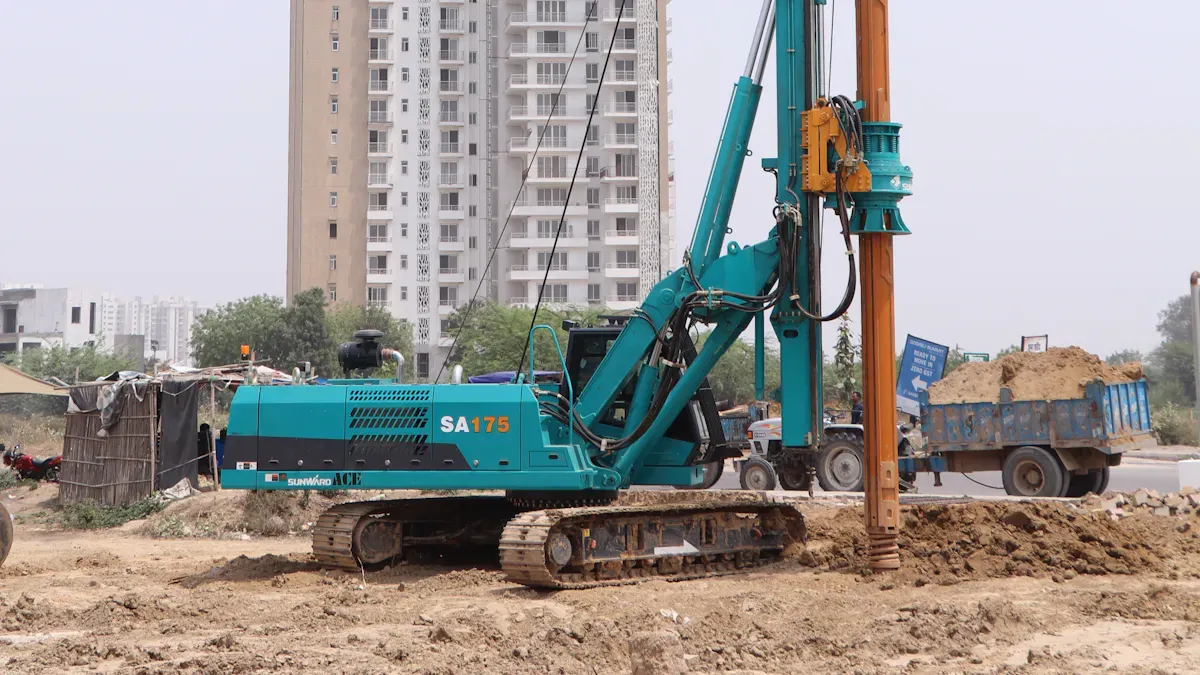
You use a Hydraulic Static Pile Driver Uniform Load to test how much weight a pile can hold without using sudden force. This method plays a key role in pile foundation projects because it gives you clear results for pile bearing capacities and settlement.
-
You can trust these results to check your design and adjust your plans.
-
You can use this test on any pile type or soil, including tension and lateral piles.
CEGC often uses this method to make sure foundations stay strong and safe.
Key Takeaways
-
Hydraulic static pile driver uniform load tests give exact measurements of a pile's strength. This helps create safe and reliable foundation designs.
-
This method is good for many pile types and soil conditions. It is useful for different construction projects.
-
Using steady pressure during testing reduces the chances of wrong results. This helps engineers make smart choices about their designs.
Hydraulic Static Pile Driver Uniform Load Explained
Key Concepts and Definition
You need to understand what a hydraulic static pile driver uniform load means before you use it in your project. This method uses a hydraulic machine to push a steady force down on a pile. The machine does not use sudden drops or impacts. Instead, it applies pressure slowly and evenly. You can see how much weight the pile can hold by watching how the pile reacts to this steady force.
The hydraulic static pile driver uniform load gives you a clear way to measure pile strength. You do not guess or estimate. You use real numbers from the test. This method works for many types of piles, such as concrete, steel, or timber. You can use it in different soils, too. The main idea is to keep the load even and steady during the test.
Tip: You can trust the results from a hydraulic static pile driver uniform load because the process removes sudden shocks and vibrations. This makes the data more reliable.
Importance of Uniform Load in Pile Testing
You want your pile test to show true results. A uniform load helps you do that. When you use a hydraulic static pile driver uniform load, you make sure the force spreads out evenly over the pile. This even pressure lets you see how the pile will behave under real building loads.
If you use uneven or sudden loads, you might get false results. The pile could move or settle in ways that do not match real life. You avoid these problems with a hydraulic static pile driver uniform load. You can check for both how much the pile settles and how much weight it can hold. This helps you design safer and stronger foundations.
-
You can use the hydraulic static pile driver uniform load to:
-
Test piles in soft or hard soils
-
Check piles for tall buildings or bridges
-
Make sure your design matches the ground conditions
-
You get better control over your test with this method. You can increase the load step by step and watch the pile’s reaction. This careful process helps you spot any problems early. You can change your design if you see something wrong.
Note: Many engineers choose the hydraulic static pile driver uniform load for important projects because it gives them confidence in their results.
Static Load Tests: Process and Equipment
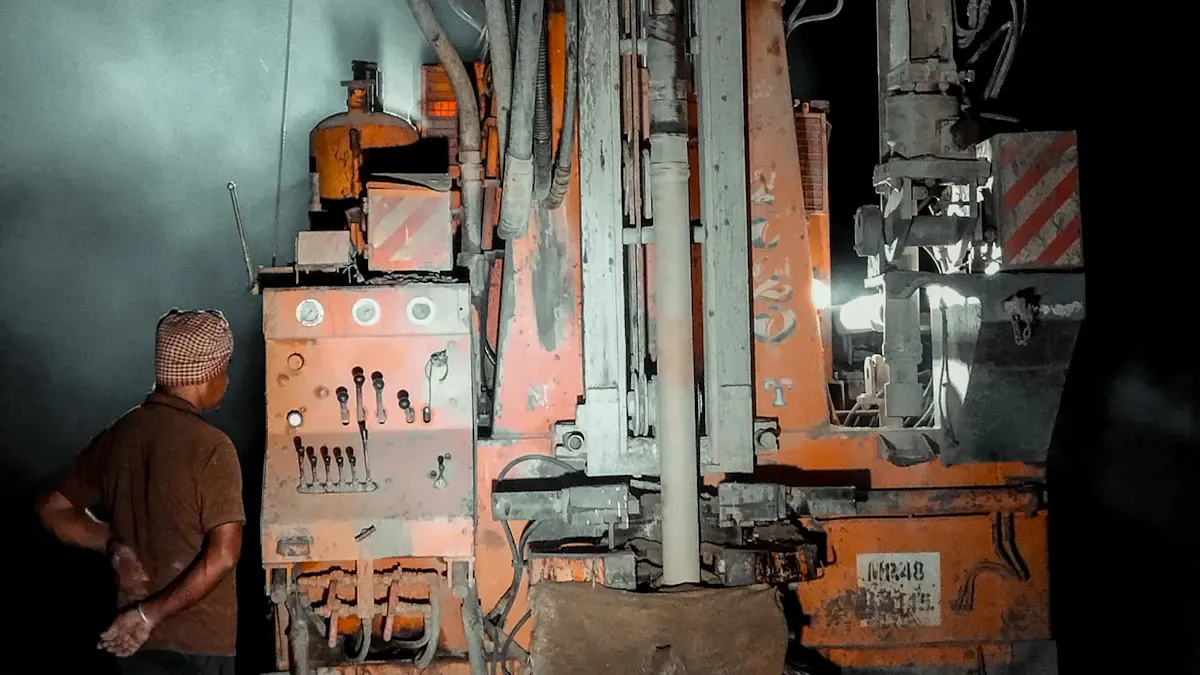
Equipment Used in Static Load Tests
You need special tools to do static load tests. Each tool helps you see how a pile acts under a static load. The main goal is to push with even force and watch the pile move. Here is a table that lists the tools you use for static load tests:
|
Equipment Type |
Description |
|---|---|
|
Hydraulic Jacks |
Used to apply axial load to the top of the test pile. |
|
Steel Plate |
Caps the piles to transfer the load effectively. |
|
Instrumentation |
Installed on test and anchor piles for accurate measurement of displacement. |
|
Common Manifold |
Connects multiple jacks for synchronized operation. |
Hydraulic jacks push down on the pile. Steel plates spread the static load across the pile. Instrumentation helps you see every small movement. The common manifold keeps the pressure the same for all jacks. This setup helps you get good results from your static load tests.
Step-by-Step Static Load Testing Process
You follow clear steps when you do static load tests. Each step helps you control the static load and see how the pile reacts. The table below shows the steps you take for a static load test:
|
Step |
Description |
|---|---|
|
1 |
Setup the test pile and anchor piles. |
|
2 |
Apply axial load using hydraulic jacks. |
|
3 |
Transfer reaction force to anchor piles. |
|
4 |
Install instrumentation for measurement. |
|
5 |
Apply loads in increments (typically 5% of design load). |
|
6 |
Hold each load increment for a predetermined time. |
|
7 |
Compile and review load test data. |
|
8 |
Produce plot of load versus pile displacement. |
|
9 |
Determine ultimate capacity using graphical or analytical methods. |
|
10 |
Forward summary report to the Engineer with recommendations. |
First, you set up the test pile and anchor piles. Then, you use hydraulic jacks to push down with a static load. The anchor piles take the reaction force. You put in instrumentation to measure every movement. You add more static load in small steps and wait each time. You collect data, make a graph, and find out how much weight the pile can hold. Last, you send a report with your results. This process helps you get true results from static load tests.
Advantages of Hydraulic Static Pile Driver Uniform Load
Accuracy and Reliability
You want your pile tests to give results you can believe. The hydraulic static pile driver uniform load helps you get numbers that are correct. This method uses steady pressure, so you see the pile’s reaction right away. You do not need to guess or make up numbers. You measure how the pile moves and how strong it is, step by step.
Accurate torque monitoring is very important in this process. You can check the load capacity while you are on site. This helps you make sure your design fits what the ground can hold. You also find out if the pile is good for your project before you keep building.
Here is a table that shows how torque monitoring helps you trust your results:
|
Evidence Description |
Key Points |
|---|---|
|
Accurate torque monitoring checks load capacity in the field. |
Makes sure your pile matches the design and shows real strength at the foundation. |
|
Installation torque is a field sign of axial load capacity. |
Proves your foundation is strong enough before you build more. |
|
Torque and axial capacity are linked. |
Lets you guess safe loads using real torque numbers. |
|
Changes in torque show soil changes or blocks. |
Gives you early warnings so you can make smart choices on site. |
Tip: You can use these results to change your design if you see something you did not expect.
Environmental and Safety Benefits
You help the environment when you use a hydraulic static pile driver uniform load. This method does not make loud sounds or strong shaking. You keep buildings and animals nearby safe. You also lower the chance of hurting pipes or wires underground.
You keep your team safe, too. The equipment works with slow, steady pressure. You do not have to worry about sudden moves or flying pieces. You can control the work and stop if you see a problem.
-
You make less noise.
-
You do not shake the ground.
-
You keep workers and neighbors safe.
Note: Many cities like this method for jobs near homes, schools, or hospitals.
Limitations of Static Load Tests
Equipment and Site Constraints
You need special equipment to run a static load test. Hydraulic jacks, steel plates, and anchor piles take up a lot of space. You must have enough room on your site to set up all the gear. If you work in a tight area or near existing buildings, you may find it hard to fit everything. Heavy equipment also needs a strong, stable surface. Soft or muddy ground can make setup unsafe or impossible.
Some sites have underground pipes or wires. You must check for these before you start. If you miss them, you risk damaging important services. You also need to plan for the weight of the reaction system. Not every site can support this load. If you work in a city or on a small lot, you may need to look for other testing methods.
Tip: Always check your site for space and underground risks before you choose a static load test.
Cost and Time Considerations
Static load tests cost more than many other methods. You pay for equipment, setup, and skilled workers. The process takes longer because you must build a reaction system and run the test in steps. You may need to keep your crew on site for several days.
Here is a table that compares static and dynamic load tests:
|
Testing Method |
Cost Range |
Time Requirements |
Notes |
|---|---|---|---|
|
Static Load Test |
Longer on-site duration |
Needs a reaction system; mobilization is a major cost. |
|
|
Dynamic Load Test |
$2.5k–$45k per site |
Minimal delay |
Faster and less expensive than static load tests. |
You see that static load tests need more time and money. Dynamic load tests finish faster and cost less. If you have a tight budget or schedule, you may want to choose a dynamic test.
Static and Dynamic Load Testing Compared
Static Load Tests vs Dynamic Load Tests
You need to know how static and dynamic load testing are different before you pick one for your project. Both tests check if a pile can hold the weight you want, but they do not work the same way. Static load tests use slow and steady pressure to see how a pile moves when weight is added. Dynamic load testing uses fast hits to see how the pile reacts.
Here are the main ways static and dynamic load testing are not the same:
-
Static load tests give you the most exact results because you watch the pile move as you add weight.
-
Dynamic load testing is much quicker and costs less, but you might need to check it with static tests to make sure the results are right.
-
You can use both tests together to get the best data for your foundation.
You get the best results when you know what each test does and how it fits your project.
The table below shows how static and dynamic load testing are different in important ways:
|
Aspect |
Static Load Testing |
Dynamic Load Testing |
|---|---|---|
|
Measurement Method |
Direct measurements of load vs. displacement |
Stress wave analysis from impacts |
|
Speed |
Slower, more detailed |
Faster, less intrusive |
|
Accuracy |
Often considered more accurate |
Reliable but may require calibration |
|
Data Interpretation |
Direct insights into shaft performance |
Requires interpretation and calibration |
|
Typical Use |
Assessing ultimate load capacity |
Quick assessment of shaft capacity and integrity |
You can see that static load testing gives you clear and detailed results. Dynamic load testing lets you test more piles in less time, which helps if you have a big job or need to finish fast. Both tests are good for checking pile strength and safety, but static load testing is usually seen as the best for accuracy.
When to Use Static or Dynamic Load Testing
You should pick static or dynamic load testing based on what your project needs, how much money you have, and how much time you have. Static load testing works best when you need a clear answer about a pile’s strength. This test acts like real building loads, so you know the pile will work as planned. You should use static load testing for jobs where safety and strength are very important, like tall buildings, bridges, or projects with strict rules.
Dynamic load testing is a good choice when you need answers fast or have lots of piles to test. This test costs less and does not slow down your work as much. You can use dynamic load testing in small spaces or where you cannot use big machines. But you might need to check some results with static load testing to make sure they are right.
The table below shows the latest advice for picking between static and dynamic load testing:
|
Method |
Advantages |
Disadvantages |
|---|---|---|
|
Static Load |
1. Gives lots of data about pile behavior. |
1. Takes a long time because you add weight slowly. |
|
Testing |
2. Most people use it for important jobs. |
2. Costs more because you need special tools and more time. |
|
|
3. Best for big projects and when rules are strict. |
3. Can slow down building for a short time. |
|
Dynamic Load |
1. Works fast and gives quick results. |
1. May not give as much detail as static testing. |
|
Testing |
2. Usually costs less, which is good for small budgets. |
2. May not be right for jobs that need very exact results. |
|
|
3. Good for hard-to-reach places. |
3. Some rules may say you must use static testing. |
You should use static load testing when you need the most exact results and when rules say you must. Dynamic load testing is best when you want to save time and money, or when you need to test many piles fast. Many engineers use both tests together to get the best results for their projects.
Tip: Always pick your testing method based on your project’s safety needs, budget, and schedule. You get the best results when you use the right test for the job.
Practical Applications and Case Studies
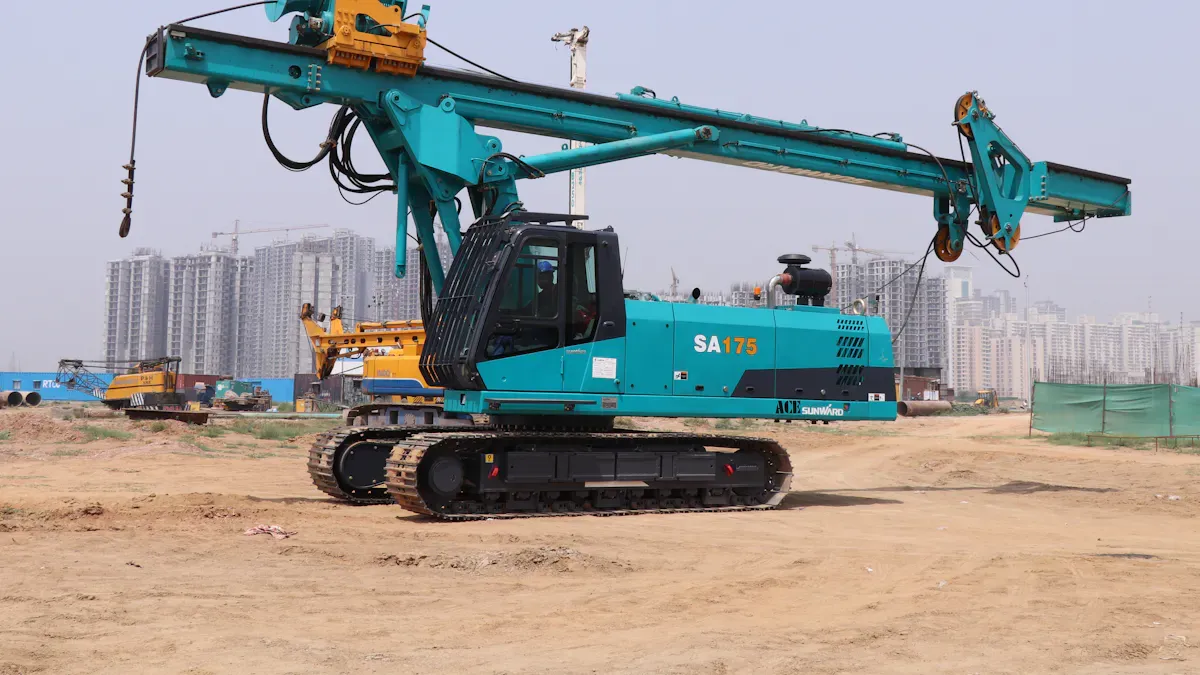
Real-World Use of Hydraulic Static Pile Driver Uniform Load
Hydraulic static pile driver uniform load is used in many projects. Engineers pick this method for busy city jobs. The equipment is quiet and fast. You finish work with less noise and fewer problems. You can drive piles quickly. This helps you finish on time. In cities, speed is important. You do not want to block roads or bother buildings.
Static load tests check if piles match the design. Telltale rods show how the load moves to the soil. This helps you see if the pile can hold the building or bridge. You can trust the test results. The test shows real pile behavior under steady force.
|
Project Type |
Benefit of Hydraulic Static Pile Driver Uniform Load |
|---|---|
|
Urban Buildings |
Faster pile driving, less disruption |
|
Bridges |
Reliable load testing for safety |
|
Schools/Hospitals |
Quiet operation, safer for neighbors |
Lessons from Project Experience
You learn from past projects that use hydraulic static pile driver uniform load. You must match your project needs with the machine’s abilities. Good technology makes your work faster and better. Careful planning stops budget problems and delays.
-
You check design ideas with static load tests.
-
You use telltale rods to see load transfer.
-
You finish jobs faster with efficient pile drivers.
-
You look back at old jobs to plan better next time.
Tip: Always review your project experience to make better choices and avoid mistakes.
You have learned how hydraulic static pile driver uniform load helps test piles safely and accurately. This method is good when you need quiet work and steady force. It also gives you clear results.
-
Think about what your project needs, the soil type, and your budget.
-
Choose the right equipment for your site and what you want to do.
Next steps for engineers:
-
Make a plan for your setup and tools.
-
Test all the systems before you begin.
-
Check your results to make sure everything is safe.
|
Methodology |
Description |
|---|---|
|
Use hydraulic jacks to push with steady force and watch how the pile moves. |
|
|
Dynamic Load Tests |
See if piles can be driven fast during building or design. |
Always think about the good and bad points before you pick your pile testing method.
FAQ
What is the main benefit of hydraulic static pile driver uniform load?
You get accurate results. The steady force shows how much weight the pile can hold. You can trust the data for safe designs.
Can you use this method for all soil types?
You can use hydraulic static pile driver uniform load in soft or hard soils. It works for many pile types and ground conditions.
How long does a static load test usually take?
|
Test Type |
Typical Duration |
|---|---|
|
Static Load Test |
1–3 days |
You need more time for setup and data review.


