
You need even force in pile driving to stop expensive mistakes. These mistakes include piles not lining up, piles bending, and machines wearing out too fast. Hydraulic Pile Driver Even Force Solves Issues by making work safer and faster.
-
Static pile drivers, like CEGC models, can make building go 20% faster and move less soil.
Checking and lining up the equipment often helps you get these good results.
Key Takeaways
-
Even force in hydraulic pile driving stops expensive errors like piles not lining up and machines breaking down.
-
Checking and fixing your hydraulic system often helps it work well and last longer.
-
Using the right alignment tools and ways makes sure piles go in straight, which lowers shaking and harm.
Hydraulic Pile Driver Even Force Solves Issues
Why Even Force Matters
Hydraulic pile drivers need to push with the same force each time. This helps keep your equipment safe and your project on track. Even force stops piles from moving out of place or bending. It also keeps machines from breaking down too soon. You save money because you do not have to fix things as often. When you line up and balance the hydraulic system, it works better. Your machine runs smoother and lasts longer. Even force keeps piles in the right spot and helps stop cracks. This makes every job site safer and faster. Even force also lowers shaking and stress on piles and machines. If you check and take care of your hydraulic system, it will work well for a long time.
Common Problems From Uneven Force
Uneven force in hydraulic pile driving can cause many problems. Even force helps stop these types of damage:
|
Description |
|
|---|---|
|
Piles move too far because of bad hammer-pile control or soil. |
|
|
Partial Cracks in Concrete Piles |
Easy driving can crack piles, often from bad alignment or too much tension. |
|
Complete Horizontal Cracks |
Both easy and hard driving can crack piles, so you may need to change hammer or cushion. |
|
Spalling Near the Pile Head |
The top of a concrete pile gets damaged if there is not enough cushion or if it is not lined up. |
|
Deformation in Steel and Timber Piles |
Wrong helmet size, weak piles, or bad bands can bend piles. |
You might also see parts that are not lined up, dampers that wear out, or piles that do not sit right. Even force helps fix these problems early. This keeps your hydraulic system safe and stops big failures. Even force also keeps piles strong and your machines working well.
Main Causes Of Uneven Force
Misalignment And Imbalance
You have to keep your pile driver straight. If piles lean or move, the hydraulic system works harder. This makes the machine wear out faster. Cranes or templates help put piles in the right place. If you do not check alignment, piles can bend and the hammer can break. If the hammer or pile cap is not balanced, force is uneven. You might see piles go off track or feel more shaking. These problems make your pile driver last less time and cost more to fix.
Hydraulic System Issues
The hydraulic system gives power and speed to the pile driver. Leaks, low pressure, or blocked lines make force uneven. This can make the pile stop or move too fast. You should check for leaks and keep the fluid clean. Pressure changes can make hits weak or too strong. See the table below to learn how pressure changes your work:
|
Aspect |
Description |
|---|---|
|
Slow pressure build-up lets you test the system before driving. |
|
|
Insufficient Pressure |
Not enough force means bad driving and uneven results. |
|
Excessive Pressure |
Too much force can break parts and make things unsafe. |
|
Pressure Regulation Mechanism |
Keeps force steady even when soil changes. |
If you do not fix these problems, the system can get too hot. This can stop your work and break parts.
Pile Material And Soil Variations
You need to think about pile material and soil before you start. Different soils, like coastal or mixed, change how much force you need. Here are some important points:
-
Coastal soils can change fast and affect pile depth and space.
-
Mixed soils can change resistance quickly and stress your pile driver.
-
Dense soils send more energy to the pile tip and can cause cracks if you use the wrong tip.
-
Loose or wet soils can make piles move, so they do not sit right and are weak.
-
Not thinking about soil can cause big problems later.
You should plan for these changes and set your hydraulic system right. This keeps force even, stops damage, and keeps your project safe.
Inspection And Repair Solutions
Regular Component Inspection
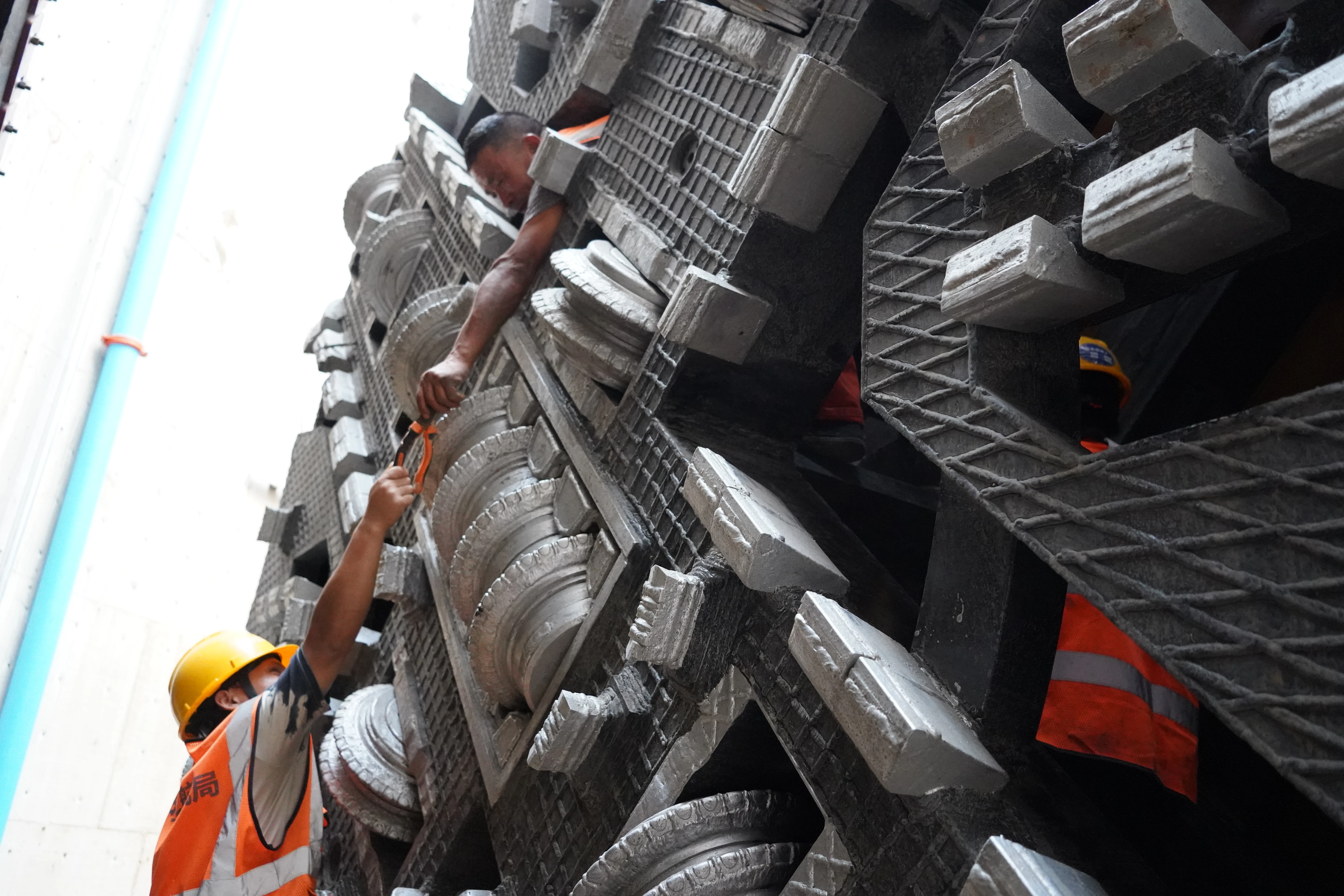
You should check your hydraulic pile driver often. This helps keep force even and stops damage. Inspections let you find problems early. You can avoid expensive repairs. Follow a schedule that matches how much you use the machine. The table below shows when and what to check:
|
Maintenance Level |
Interval (Hours) |
Focus Areas |
|---|---|---|
|
Level 1 |
50-100 |
Tighten connections, check braking system, look at pressure gauge and safety valve, make sure there are no leaks in the hydraulic system |
|
Level 2 |
300-500 |
Take apart main parts, check for inside wear, change seals and filters, test wires and connections |
Look for leaks in the hydraulic cylinder, loose bolts, and worn parts. If you see a problem, fix it right away. Doing regular checks stops breakdowns. Your pile driver will work better and last longer. You keep your equipment safe and your job site safer. Checking often also lowers wear and keeps the hydraulic cylinder working well.
Alignment Tools And Techniques
Good alignment is important for even force. You can use laser alignment tools to set piles straight. These tools help you put piles in the right spot. If you keep your pile driver lined up, you stop piles from bending. You also lower vibration. Check the hammer and pile cap balance before each job. If piles lean or the hammer shakes, fix the alignment. Templates and cranes help hold piles steady. Check clamping pads and moving parts for balance. If parts are not balanced, you get more vibration and uneven force. If you find a clamping problem, fix it fast. This keeps your hydraulic cylinder safe and piles strong.
Tip: Always check alignment before you start a new project. This easy step stops many repair problems and keeps your hydraulic pile driver working well.
Repair For Hydraulic Cylinder Leaks
Leaks in the hydraulic cylinder can cause uneven force and hurt your pile driver. Fix leaks as soon as you see them. Here are some good steps to find and fix leaks:
-
Make a regular check plan based on how much you use the machine and what the maker says. Finding leaks early stops big repairs.
-
Use safety steps. Wear PPE and follow lockout/tagout rules to stay safe during repairs.
-
Pick the right hydraulic fluid for your system. The right fluid keeps seals safe and helps the cylinder work well.
-
Use filters to keep fluid clean. Check fluid often to find problems early.
-
Install hydraulic cylinders the right way. Good alignment stops side loading and early failures.
If your cylinder will not extend, look for leaks or blockages. Fix broken seals or change worn parts. Clean the hydraulic system and take out dirt. Keep the hammer balanced and take care of the hydraulic cylinder to stop leaks. If you do these things, your pile driver will run well and force will stay even.
Regular checks are very important for hydraulic pile drivers. They stop surprise breakdowns and help parts last longer. Maintenance makes sure your machine works right, even in hard jobs. Checking often lowers wear and keeps the hydraulic cylinder strong. You make your project safer and spend less on repairs.
Advanced Fixes For Uneven Force
Redriving And Installation Sequence
Sometimes you need to drive piles again if force is not even or piles are in the wrong spot. Driving piles again helps fix where they are and makes them stronger. You can also change the order you put piles in the ground. Start with piles in strong soil first. After that, put piles in softer soil. This way, you control the force better and stop damage. Your hydraulic pile driver will work well if you do this.
Increasing Pile Impedance
You can make piles resist uneven force by making impedance higher. Impedance means how much a pile fights against moving when hit by the hydraulic hammer. Pick piles made from stronger stuff or with bigger shapes. You can add steel bands or make concrete piles stronger. This spreads out the force and stops cracks. Your piles stay safe and your project is safer too.
Adding Cushioning To Piles
Pile cushions help take in the energy from hits and lower uneven force. Thick, strong plywood works well for pile cushions. Some plywood is made for different pile shapes like square, octagonal, round, or cylinder. These materials help keep force the same and stop your hydraulic equipment from wearing out fast.
-
Thick, strong plywood takes in hit energy.
-
Special plywood fits square, octagonal, round, and cylinder piles.
-
Cushions stop wear and keep force even.
Tip: Always look at your pile cushions before you start a job. Good cushions keep your piles and hydraulic system safe.
Expert Support And Best Practices
When To Consult Equipment Providers
You should talk to equipment providers if you have hard force problems with your hydraulic pile driver. Getting help early can stop delays and save money. Here are some good times to ask for help:
-
When you are making bids for a project
-
If you need to check if equipment is ready
-
Before busy times, like May to October, to book equipment
Experts can send skilled engineers to watch and check pile work. Their help lets you plan better and avoid mistakes. Good teamwork between engineers, drill crews, and lab staff helps fix problems fast. Working together makes your project go smoother and keeps everyone safer.
Tip: Do not wait for problems to get worse. Getting expert help early can save time and money.
Maintenance Routines For Prevention
You need good maintenance routines to keep your hydraulic pile driver working well. Regular checks help you find small problems before they get big. Make a clear schedule for all your maintenance jobs. Add hydraulic system checks to your routine to find hidden trouble.
|
Task |
Frequency |
Benefit |
|---|---|---|
|
Visual inspection |
Daily |
Finds leaks and loose parts |
|
Lubrication |
Weekly |
Reduces wear |
|
Hydraulic system diagnostics |
Monthly |
Detects pressure issues |
|
Preventative maintenance |
Quarterly |
Extends equipment life |
Always write down your maintenance work. This helps you remember repairs and plan future checks. When you follow these steps, you keep force even and your equipment safe.
You can help your hydraulic pile driver work well by doing these things:
-
Look for parts that are worn out and change them.
-
Fix any leaks in the hydraulic fluid.
-
Make sure all parts are lined up right.
-
Change dampers that are old or broken.
-
Put piles in the right place.
Do regular checks and ask experts for help to stop problems early.
FAQ
What causes uneven force in hydraulic pile drivers?
You may see uneven force from misalignment, hydraulic leaks, or soil changes. Regular checks and proper setup help you avoid these problems.
How often should you inspect your hydraulic pile driver?
You should inspect your pile driver before each job. Schedule deeper checks every 50 to 100 hours of use for best results.
Can you fix uneven force without expert help?
You can fix small issues like alignment or leaks. For complex problems, you should contact your equipment provider for support.


