
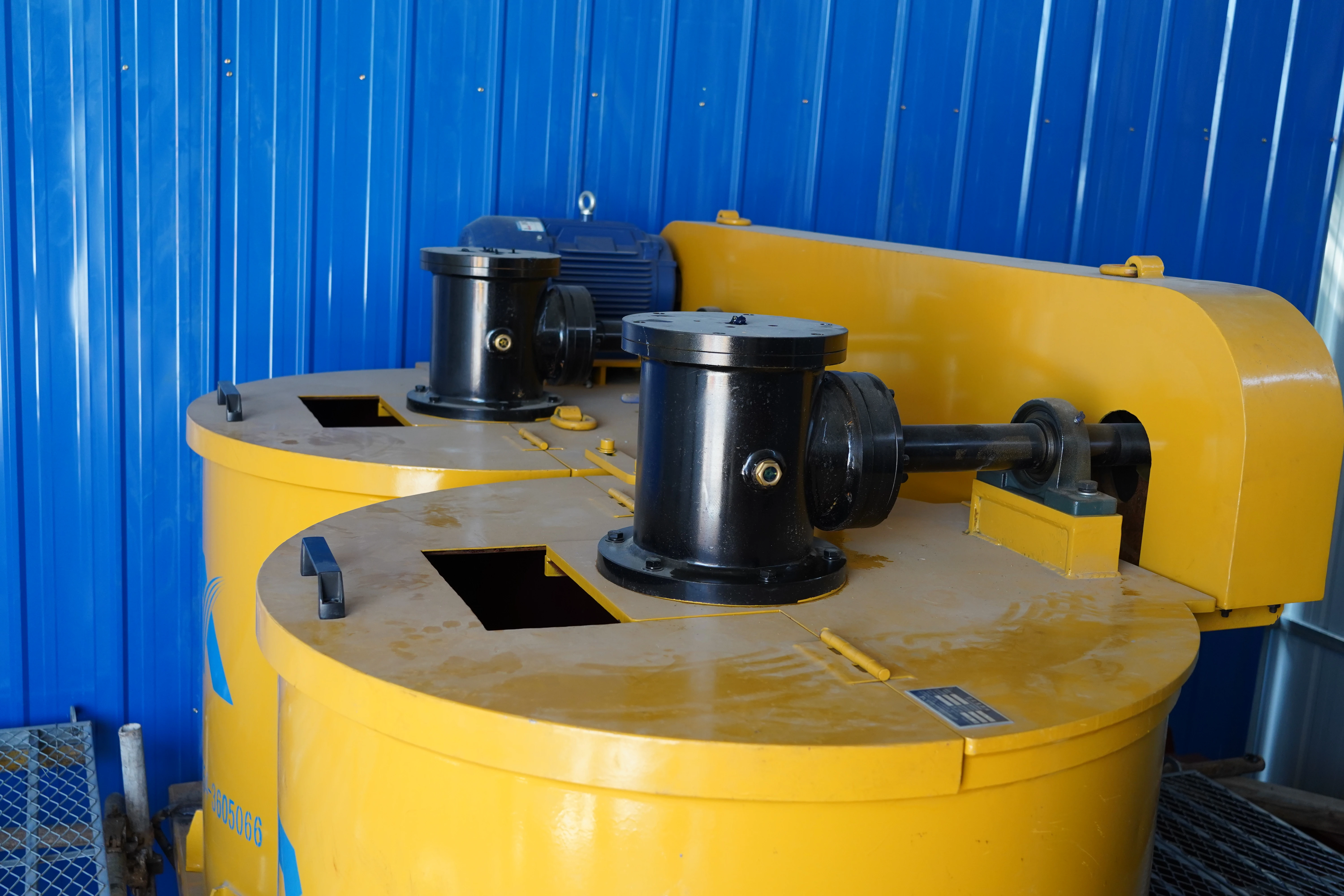
You keep the TBM machine moving with better handovers, which helps reduce downtime and ensures smoother operations. Smooth transitions are crucial for every tunnel boring machine, microtunnelling machine, and auger boring machine. You face challenges such as ground settlement, face instability, cutterhead wear, alignment issues, and complex logistics. In tunnelling projects, especially in crowded cities, careful planning and the use of specialized lowering structures are essential to minimize disruptions. By streamlining handovers through fewer stakeholders and innovative lifting and transport methods, you enhance efficiency. CEGC provides tunnel machine solutions with market-standard specifications and customizable options tailored to each project. Implementing smart strategies allows you to keep tunnelling operations on track and maximize productivity.
Key Takeaways
-
Good handovers help stop downtime and keep TBMs working well. Plan each change carefully so there are no delays.
-
Use the same checklists for every handover to make sure all steps are done. This lowers mistakes and makes things safer.
-
Use real-time monitoring to find problems early. This helps stop big issues and keeps the project moving.
-
Train crews often to make handovers better. Teams that learn together make fewer mistakes and work faster.
-
Ask for feedback after every shift to learn from what happened. Getting better all the time helps improve work and makes everyone more productive.
Why Handovers Matter for Continuous TBM Operation
Downtime Risks in Tunnel Machine Projects
There are many things that can stop tunnel construction. If handovers are not done well, downtime can happen more often. When the tbm is not working, you lose time and fall behind. Some things that cause downtime in tunnel machine projects are:
-
Hard ground like fault zones or rock bursting.
-
Lots of water and weak ground slow down the machine.
-
Machines get worn out from hard and rough rock.
-
Cutterheads and main bearings wear out fast in tough rock.
-
It is hard to find cutter problems with automatic systems.
-
Long tunnels need tricky logistics and good ventilation.
You need to fix these problems to keep the tbm moving. Good handovers help you find issues early and stay on track. You can plan repairs, check machines, and tell the next crew what is important. This keeps the tbm working more and stops are less costly.
Impact on Safety and Productivity
When you do handovers well, safety and production get better. Talking clearly helps stop mistakes that can cause accidents. Every worker knows what is happening in the tunnel and with the machine. This means less confusion and workers can spot dangers.
Production goes up when the tbm runs without problems. Using a checklist for handovers means you do not forget steps. The work stays neat and moves fast. The tbm works more, so you build more tunnel in less time. Good handovers help your team work well and reach goals. They keep tunnelling safe, steady, and successful.
Communication and Handover Protocols
Standard Briefings for TBM Tunnel Boring Machine Crews
Clear communication helps the tbm keep moving. Standard briefings make sure every crew knows what is happening. Before each shift, you talk about ground stability, cutterhead wear, and alignment goals. You also share updates about soil or water pressure changes. This helps your team get ready for problems and avoid mistakes.
A normal briefing includes:
-
How the machine worked and any issues last shift
-
Safety alerts and what to do in emergencies
-
Ground conditions and face pressure numbers
-
Results from checking the cutterhead
-
Alignment and guidance goals
Tip: Use pictures and simple checklists to make briefings easy. This helps everyone stay focused and ready to work.
Digital Logs and Automated Subsystems
Digital logs help handovers go faster and be more correct. You write down important data about the tbm, tunnel progress, and maintenance needs. Automated subsystems watch the machine’s health and warn you about problems early. You can see real-time information from sensors and control panels.
Building Information Modeling (BIM) helps you plan better and avoid surprises. You can see how the tunnel boring machine is doing and spot risks early. 4D simulations help you plan logistics and make things safer. Projects like Crossrail show digital tools help teams work together and avoid conflicts. You get smoother transitions from building to using the tunnel.
|
Digital Tool |
Benefit |
|---|---|
|
BIM |
Better coordination |
|
4D Simulation |
Improved safety |
|
Automated Logging |
Faster handovers |
|
Real-Time Monitoring |
Early problem detection |
Digital logs and automated systems help the tbm run longer and safer. This means less downtime and better results for your tunnel project.
Keep the TBM Machine Moving with Better Handovers
Standardized Checklists for Tunnel Boring Machine Shifts
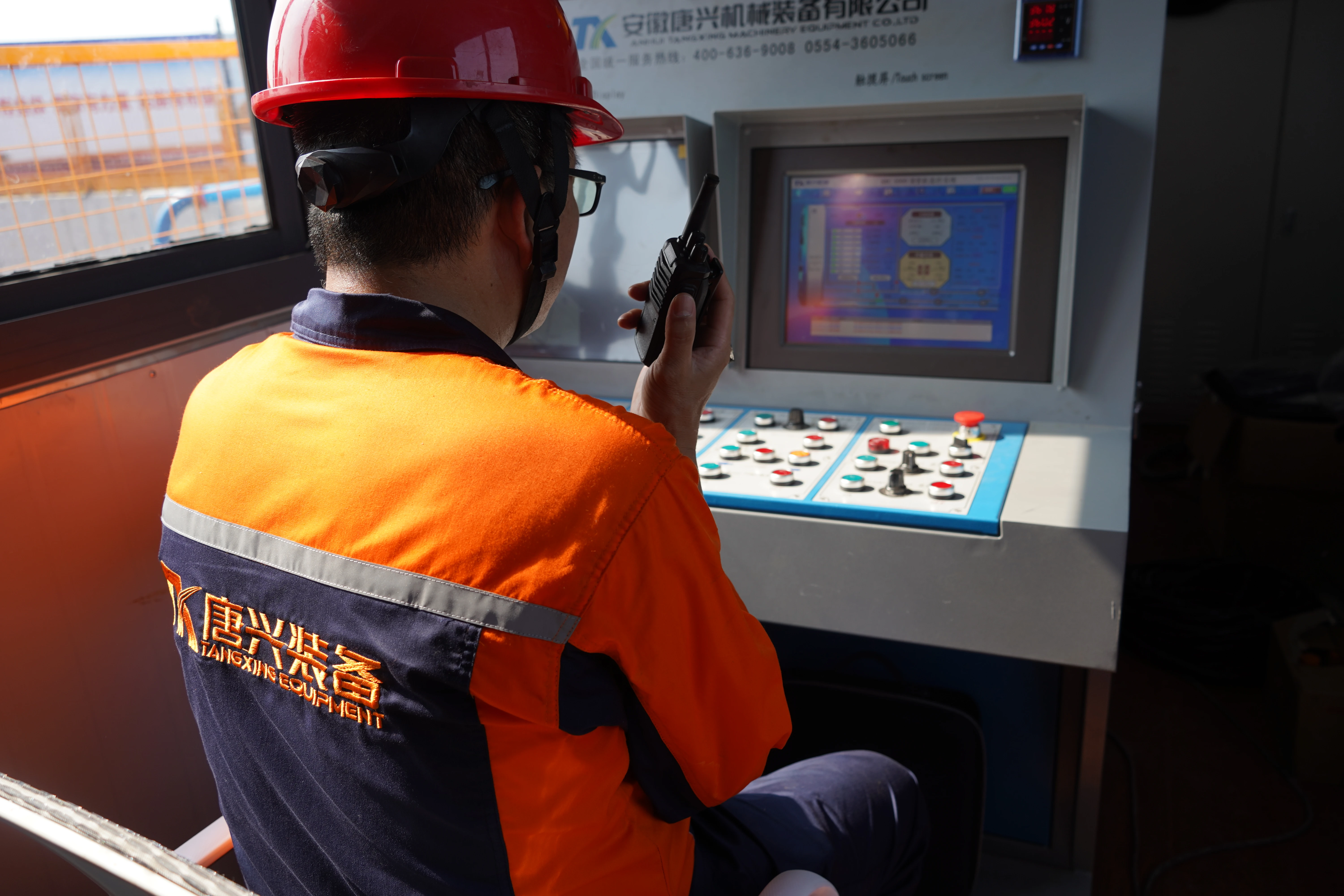
Using checklists helps the tbm machine keep moving. Every shift uses the same checklist. The checklist tells your crew what to do next. You check face pressure, soil conditioning, and cutterhead status. You also check alignment before the next team starts. This routine helps you find problems early. It keeps the tunnel safe for everyone.
Rules say you must use checklists for compressed-air work. These lists help protect your crew from getting hurt or sick. You follow each step to keep the site safe. Using checklists makes your team work faster and better. Everyone knows what to do, so there is less confusion. Mistakes happen less often during handovers.
Tip: Make your checklist easy to read. Use pictures or diagrams to help your crew. This makes handovers quicker and more reliable.
Real-Time Monitoring and Predictive Maintenance
Real-time monitoring helps the tbm machine keep moving. Smart sensors watch the tunnel machine all the time. They send alerts if something changes. You see data about face pressure and soil movement right away. You also see cutterhead wear as it happens. This helps you fix problems fast and stop failures.
A predictive maintenance program uses AI and analytics. It finds problems before they stop the tbm. You plan repairs during breaks, not after something breaks. This way, you have less downtime. You save time and money by fixing things early. Siemens' AI system shows this can cut downtime by 20%. Your tunnel project stays on track and your crew stays safe.
Real-time data helps you spot risks early. You can stop tunnel collapses and other big problems. Automated decisions mean less dangerous work for people. You keep the tbm machine moving because you know what is happening underground.
-
IoT sensors help find equipment failures and fix them.
-
Real-time monitoring lets you spot problems right away.
-
Predictive maintenance cuts downtime by up to 45%.
-
Advanced analytics can lower downtime by 30–50%.
You keep the tbm machine moving by using CEGC’s technical solutions. Face pressure control and soil conditioning help with handovers. Modular design makes assembly and repairs quick. Conveyor systems and automated subsystems move materials fast. You work faster and more efficiently in tunnelling.
You update predictive models as your project goes on. This keeps tunnelling safe and productive. You work better and avoid risks. You keep the tbm machine moving with good handovers, so your tunnel project finishes on time.
|
Solution |
Benefit |
|---|---|
|
Standardized Checklists |
Safer, faster handovers |
|
Real-Time Monitoring |
Early detection of issues |
|
Predictive Maintenance Program |
Less downtime, more productivity |
|
Modular Design |
Quick assembly and maintenance |
|
Automated Subsystems |
Efficient material handling |
These strategies help the tbm machine keep moving. You build tunnels faster and safer with fewer stops. Your team is always ready, and your tunnel machine works its best.
Operator Training and Continuous Improvement
Consistency Across Tunnel Machine Crews
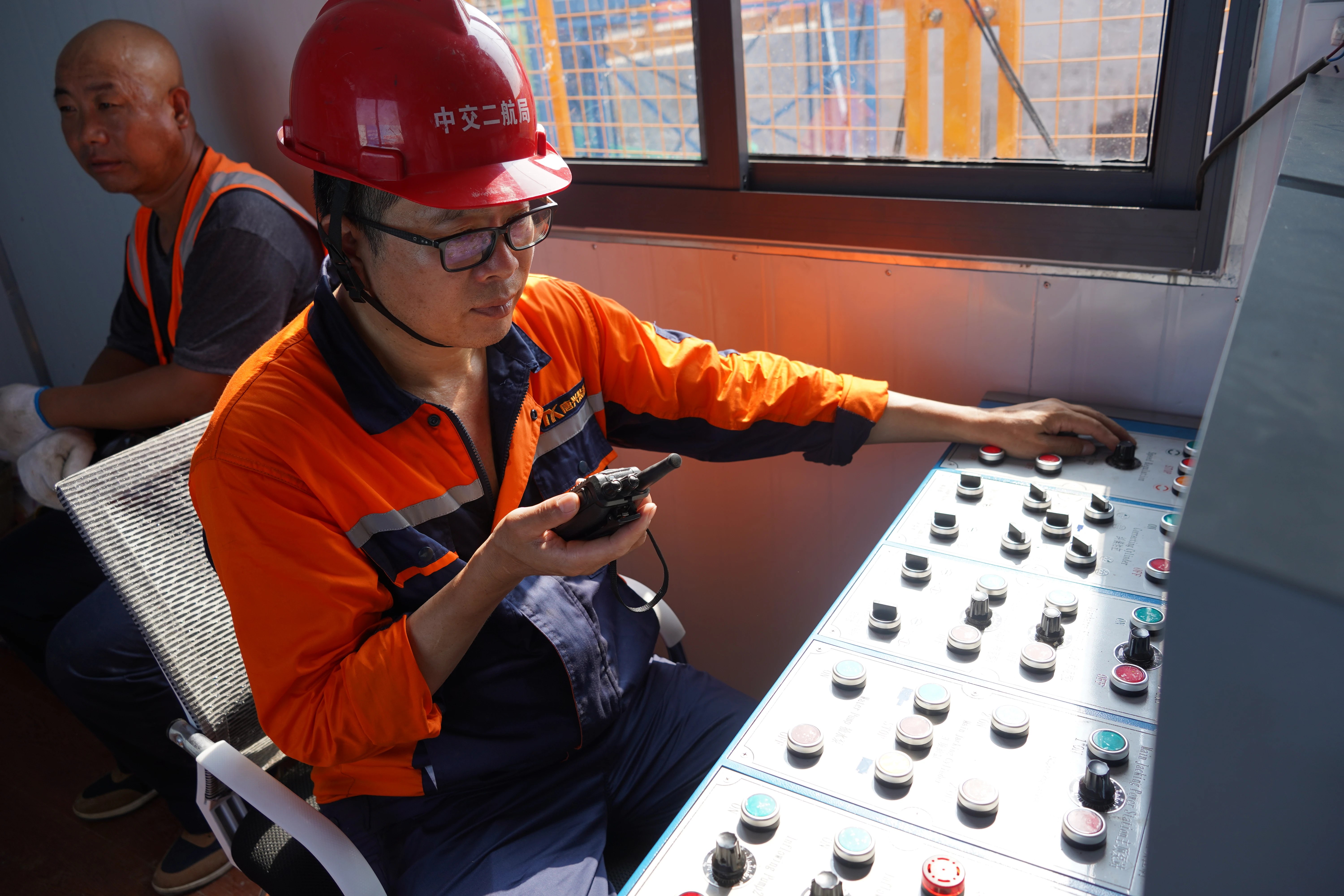
Every crew should work in the same way. This helps handovers go smoothly. When crews are consistent, there are fewer mistakes. The tunnel machine keeps moving without stops. Training is important so everyone knows what to do. Each person learns the steps for safe and quick work. Crews must follow the same process, even if people change shifts or work long hours.
Some things help you reach this goal:
-
Doing the job is more important than just knowing facts.
-
Skilled workers see how steps fit together and handle timing and access during handovers.
Teams get stronger by sharing what they know and practicing together. Clear instructions and pictures help everyone learn. New workers learn faster, and experienced workers can lead better. Training helps your tunnel machine run all day and night with no delays.
Feedback and Lessons Learned
You make your building process better by listening to your crews. After each shift, you ask what went well and what did not. You write down what you learned and share it with the team. This helps you fix problems before they get bigger.
A simple table helps you keep track of feedback:
|
Shift |
Issue Found |
Solution Used |
Lesson Learned |
|---|---|---|---|
|
Day |
Cutterhead jam |
Adjusted pressure |
Check pressure early |
|
Night |
Slow muck removal |
Cleared conveyor |
Inspect before shift |
You use these lessons to update training and checklists. You also talk about them in meetings. This helps you keep making your tunnelling and building better. Crews get better with every project, and you finish tunnels faster and safer.
You keep your TBM machine moving by using good handover steps. Using checklists, real-time monitoring, and predictive maintenance helps lower downtime. These things also make the work safer for everyone. CEGC’s solutions give your tunnelling projects strong and flexible support. You should look at your handover process and train your teams well. Using digital tools makes your work better. These actions help you get better tunnelling results and finish on time.
FAQ
What is a handover in tunnel boring machine projects?
A handover happens when one crew finishes their shift. The next crew takes over the tunnel machine. Crews talk about what happened and share updates. They use checklists and give safety tips. This helps the TBM machine keep working.
How do checklists improve TBM handovers?
Checklists help crews remember each step. They check face pressure and cutterhead status. They also look at alignment before starting work. This keeps the tunnel safe for everyone. Mistakes happen less during shift changes.
Why is real-time monitoring important for tunnel machines?
Real-time monitoring shows problems right away. You get alerts if the cutterhead wears out. You also see if the soil moves too much. This helps you fix things fast. It stops the TBM from having long breaks.
What technical solutions does CEGC offer for better handovers?
|
Solution |
Benefit |
|---|---|
|
Face Pressure Control |
Stable excavation |
|
Modular Design |
Quick assembly/repair |
|
Automated Subsystems |
Efficient material flow |
You use these solutions to keep your tunnel machine working well.


