
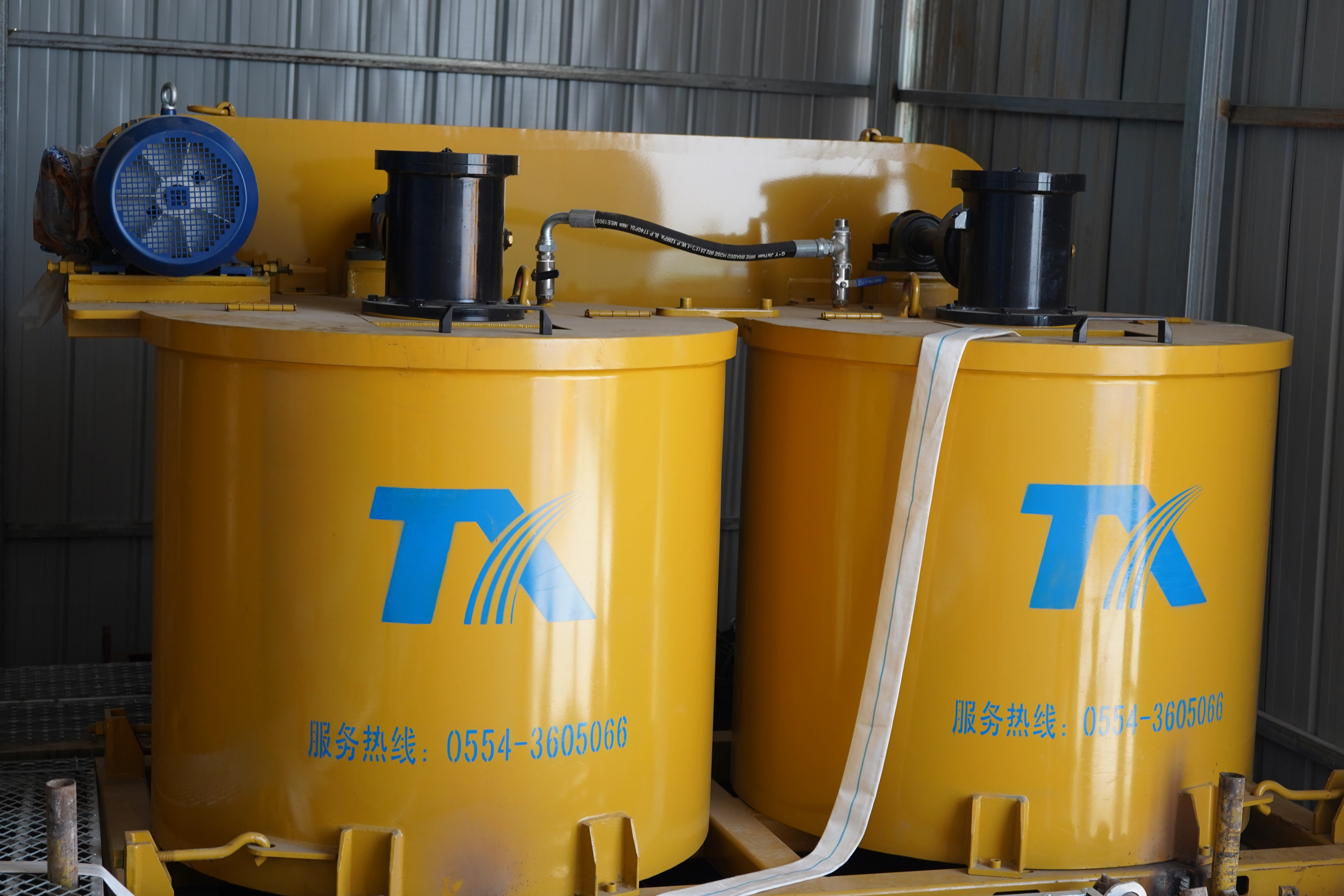
You face special problems when micro tunneling long drives need extra separation capacity. These problems are pipe sticking, soil control, and pipe misalignment. Micro tunneling long drives need extra separation capacity for better work, safety, and saving money. CEGC helps you with custom solutions because micro tunneling long drives need extra separation capacity.
|
Challenge Type |
Description |
|---|---|
|
Pipe Sticking |
Problems with pipe sticking were fixed by breaking the stuck pipe and putting in a temporary IJS. |
|
Soil Control |
Controlling moving soils was a big problem at shaft entrances and exits. |
|
Pipe Misalignment |
Pipes not lining up right was a big worry that needed new ways to fix it. |
Micro tunneling long drives need extra separation capacity to stop blockages and keep your project going well. Micro tunneling long drives need extra separation capacity when ground conditions change. Micro tunneling long drives need extra separation capacity helps you lower risk and finish on time.
Key Takeaways
-
Micro tunneling long drives need more separation to stop blockages and keep the project running well.
-
A good separation system helps control slurry and spoil. It lowers risks and saves money.
-
Custom solutions from CEGC can make your micro tunneling project better. They fit special ground conditions and project needs.
Separation Capacity in Microtunneling
What Is Separation Capacity?
Separation capacity helps your microtunneling project run well. It shows how well your system takes out soil and particles from the slurry. When you use a slurry system, you must remove spoil from the slurry. This lets you use clean slurry again at the tunnel cutting head. The separation process sorts particles by size. Some are bigger than 3mm, and some are smaller than 70µm. Sorting by size helps your slurry separation plant work better.
-
Soil samples are sent to a lab for testing. You find out what tools your microtunneling machine needs, like screens and separation gear.
-
The way you move dug-up material to the slurry chamber is important. You must sort particles by size to keep things working.
Separation capacity keeps your microtunneling job safe and efficient. You stop blockages and keep your tunnel boring machine moving.
How Separation Works in Microtunneling
Microtunneling uses a slurry system to keep the ground steady at the cutting face. You add bentonite slurry to hold the tunnel face in place. The slurry brings cuttings back to the surface plant. The system works in a closed pipeline loop. You send the slurry mix through the microtunneling machine. Dug-up materials get broken down, mixed in, and sent to settling tanks to remove water.
In microtunneling, you use vibrating screens to take out big particles. Centrifuges pull out smaller solids. This lets you reuse bentonite slurry and keep your project going. You keep face pressure between 0.5 and 2 bar to stop water from coming in and to avoid collapse. Real-time monitors help you change slurry flow as needed. Microtunneling lets you go under roads, railways, and other things without digging trenches. Separation plants work all the time, taking solids out of liquid and making your job safer and faster.
Challenges of Long Drives in Microtunneling Projects
Increased Slurry and Particle Load
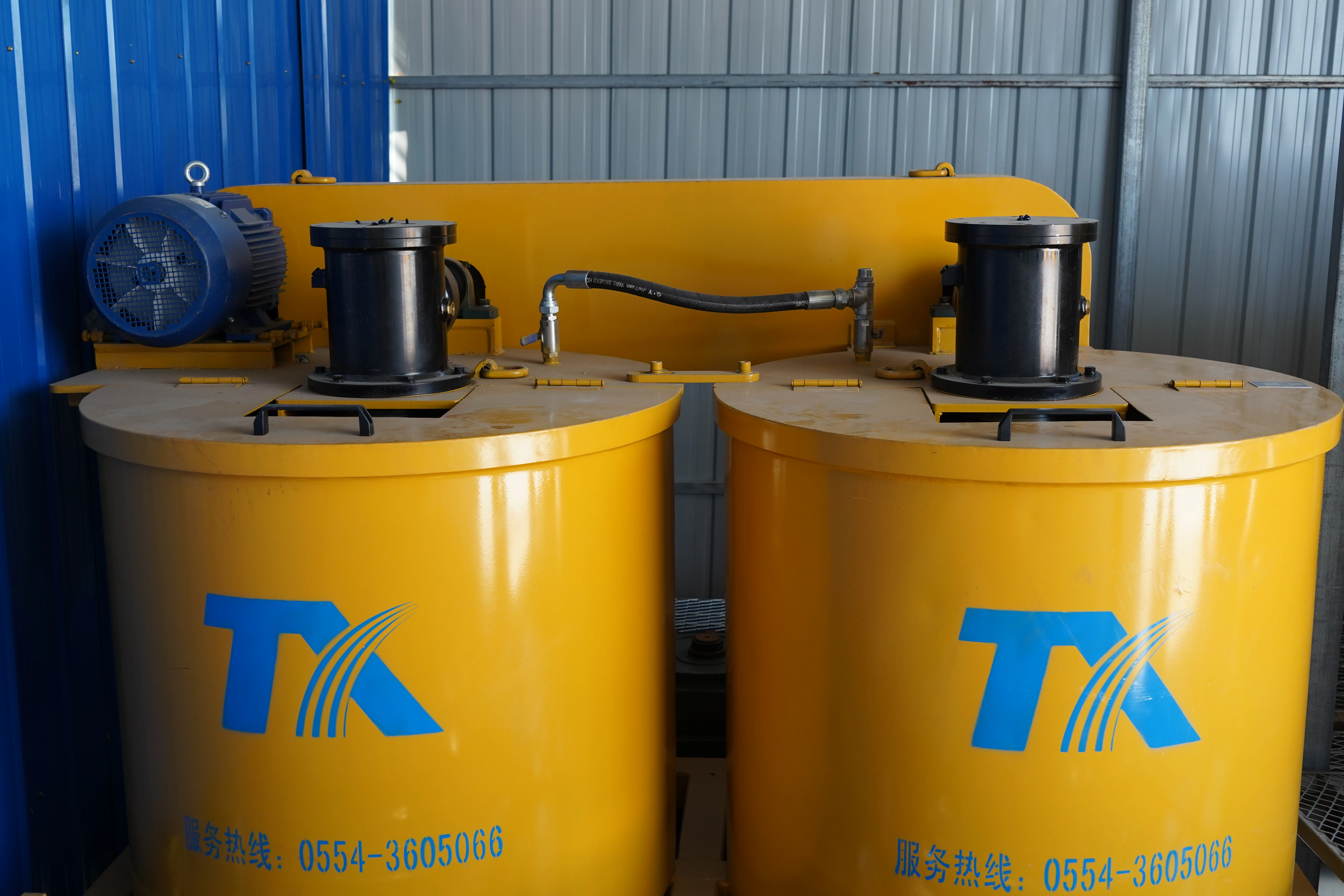
Long microtunneling drives are harder to do. When the tunnel is longer, you have more slurry and particles. The amount of slurry goes up as the tunnel gets longer. You need to move more spoil and keep the ground steady. The tunnel boring machine cuts through hard ground. The slurry carries the particles up to the surface. You need strong slurry separation equipment for the extra load.
Here is a table that shows how drive length changes slurry and particle load:
|
Parameter |
Value |
|---|---|
|
Extended drive length |
|
|
Torque |
55kNm |
|
Increased rotation speed |
up to 26 rpm @ 260 l/min |
|
High wear-resistance of TCI cutters |
Yes |
|
Rock strength handling capability |
up to 200MPa |
You must check the ground before you start building. The soil, water, and rock can change along the tunnel. These changes affect how much slurry you need and how fast you move spoil. You need to plan for extra separation to keep the jacking smooth.
System Overload and Blockages
If your slurry separation equipment is too small, you can have problems. Too much slurry and spoil can block pipes and tanks. The jacking process slows down, and pipes can get stuck. You need to watch for blockages in the tunnel and at the surface plant. The ground can change fast, making the slurry thick or thin. You must adjust your separation system to handle these changes.
You use interjacking stations to help move pipes in long tunnels. These stations lower the load on the main jack and keep things safe. Here are some points about interjacking stations and main jack capacity:
-
Long drives need to keep working to move pipes.
-
You must use the right lubrication for jacking loads.
-
Interjacking stations make long tunnels safer.
-
Not all places can have extra shafts for digging.
-
Contractors need to know how to use interjacks for long drives.
You must check the ground often. If you see overload, you must act fast. You can use CEGC’s tunnel machine solutions to watch slurry flow and spoil removal. These systems help you stop blockages and keep work on track.
Why Extra Separation Capacity Is Needed
You need extra separation capacity for long microtunneling drives. The tunnel boring machine faces tough ground. You must keep face pressure steady to stop water and ground collapse. CEGC uses bentonite-based slurry to move spoil and keep the tunnel safe. The slurry is pumped at high pressure to the tunnel face. Polymers make the slurry thicker and stop soil from leaking out.
You must keep face pressure between 0.5 and 2 bar. Real-time monitors help you balance slurry in and out. Spoil handling means taking water out at the surface, filtering solids, and saving water and bentonite. In ground that does not let water through, you can use earth pressure balance to move dry spoil.
Extra separation helps you handle more slurry and spoil. You keep the tunnel safe and avoid delays. You also protect the environment. Longer drives mean less digging at the surface and better for nature. Strong separation systems lower slurry amounts, separate spoil better, and cut down emissions.
Here is a table that shows the good things about longer drives and strong separation:
|
Benefit Type |
Description |
|---|---|
|
Operational Benefit |
Better efficiency and less digging at the surface. |
|
Environmental Benefit |
Focus on being green and not hurting the area. |
|
Role of Separation |
Strong separation is needed for handling slurry and digging longer tunnels. |
You must use CEGC’s tunnel boring and microtunneling machines for tough ground. These systems help you control pressure, fix soil, and move muck. You get better results and lower risks. You keep work safe and fast.
Tip: Always check the ground and plan for extra separation. This keeps your microtunneling projects running well and stops costly delays.
Best Practices for Microtunnelling Separation Systems
Determining Required Capacity
You need to know the right size for your separation system before you start. First, look at how long the tunnel will be and what the ground is like. Harder ground and longer tunnels make more slurry and spoil. You should check how much material your tunnel boring machine will cut each day. Use this number to pick the right pumps, tanks, and filters for your job. Always get ready for changes in the soil and water. If you think you will dig through clay, sand, or gravel, you must change your separation system to handle it. You can ask CEGC for help with these numbers.
System Design and CEGC Customization
You want your separation system to be as good as others in the market. Today, microtunneling projects use advanced slurry separation systems. These systems take solids out of the slurry and reuse the water. They use real-time monitors to check how things are going and keep everything safe. CEGC gives you tunnel machine solutions with strong separation systems. You can pick custom options for your TBM tunnel boring machine or microtunnelling machine. CEGC can change the system for your ground, tunnel length, and project goals. This helps you follow rules and keep the environment safe.
Tip: Custom systems from CEGC help you work in tough places and keep your project moving.
Impact on Efficiency and Risk
A strong separation system makes your microtunneling project faster and safer. You stop blockages and have less downtime. You also save money on water and bentonite. The right system lets you work in many types of ground. You keep the tunnel face steady and lower the chance of collapse. Here is a table that shows how different separation tools work with slurry:
|
Separation Technology |
Particle Size Range (micrometers) |
Functionality |
|---|---|---|
|
Desander |
44 to 74 |
Removes larger particles |
|
Desilter |
20 to 44 |
Targets finer particles |
|
Shale Shaker |
N/A |
Recovers valuable drilling fluid |
You must connect separation capacity to your project’s success. Good separation means better safety, lower costs, and less risk. You finish your project on time and keep your team safe.
You need more separation capacity for long microtunneling drives. A strong system helps keep your project safe and on time. Microtunneling uses a closed slurry system to hold up the tunnel face. This system also controls water in the ground. It helps stop flooding and keeps pipes from floating. Using double bulkheads and hydraulic jacks makes work faster. These tools help you finish your job when you should. You can pick CEGC for custom microtunneling and TBM tunnel boring machine solutions.
-
The closed slurry system in microtunneling holds up the MTBM face and keeps the ground steady.
-
Microtunneling controls water and soil pressure, so you avoid flooding and pipe floating.
-
Double bulkheads and hydraulic jacks in microtunneling help you finish jobs on time and save money.
FAQ
What information do you need before starting slurry microtunneling?
You need a geotechnical data report and a geotechnical baseline report. These reports help you get ready for microtunnel installation. They also help you avoid problems during microtunneling work.
How does separation capacity affect utility pipeline installation?
Separation capacity lets you take out more spoil. This helps your utility pipeline installation stay on track. It also lowers the chance of blockages and delays.
Why are geotechnical data report and geotechnical baseline report important?
A geotechnical data report tells you about the soil and water. A geotechnical baseline report shows what ground conditions you should expect for your project.


