
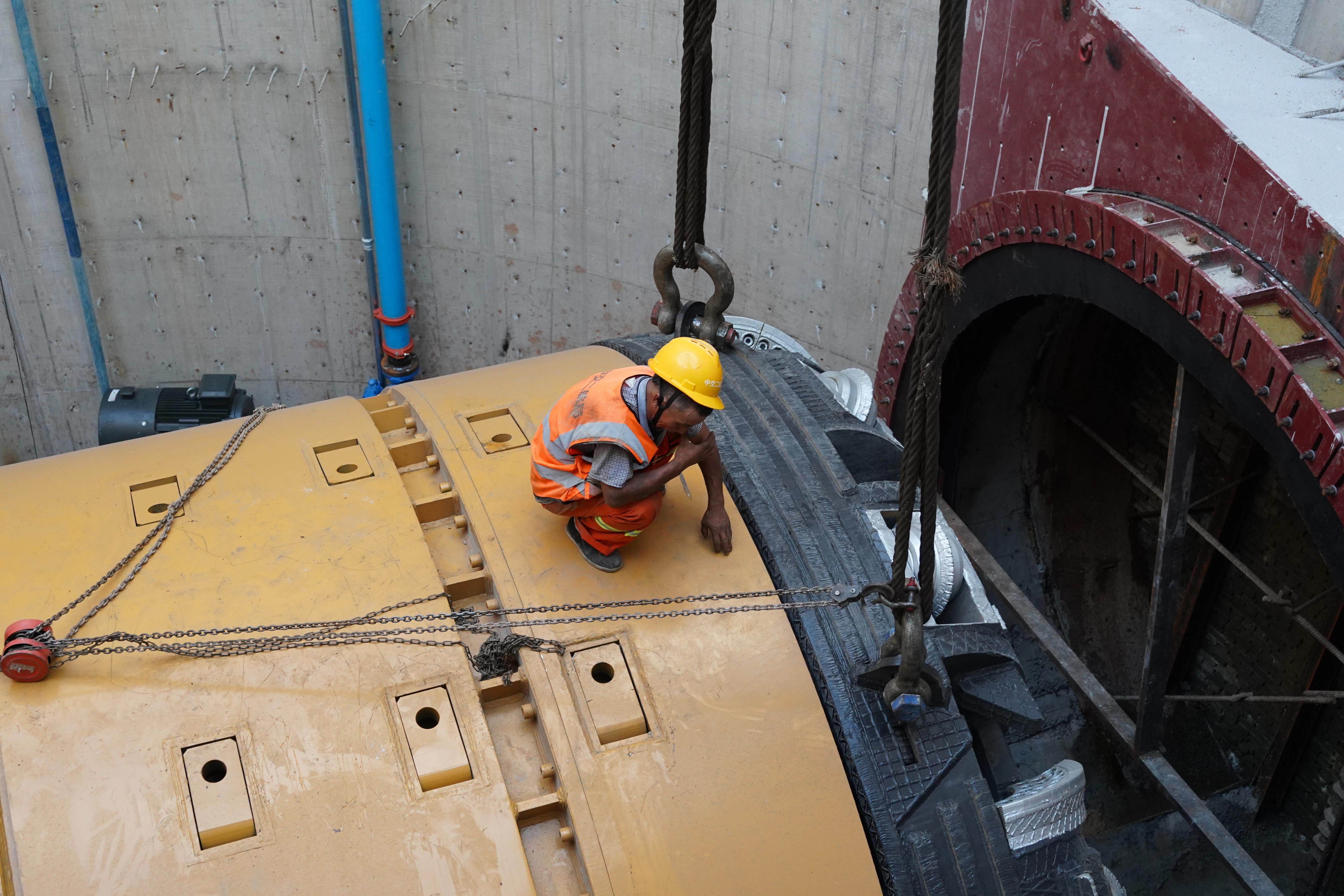
You keep yaw stable and the TBM tunnel stays productive. Maintaining yaw stability helps you prevent mistakes, save time, and manage costs effectively. CEGC manufactures tunnel machines equipped with full face closure, seals for lubricant retention, roll correction mechanisms, and position monitoring systems. You benefit from standard specifications along with custom options for TBM and Microtunnelling Machine solutions.
|
Design Feature |
Description |
|---|---|
|
Full face closure |
The TBM can close the entire face during operation. |
|
Seals for lubricant |
Effective seals are essential to retain the bentonite lubricant inside. |
|
Roll correction |
The machine can correct roll using reverse drive or fins. |
|
Position monitoring |
A display shows the operator the TBM's position relative to the planned path. |
Key Takeaways
-
Yaw stability is very important for the tunnel boring machine (TBM). It keeps the TBM moving in the right direction. This helps stop expensive errors and keeps the work on time.
-
Advanced guidance and monitoring systems are used. These systems let workers make changes right away. This keeps the TBM on the planned path and cuts down on waiting time.
-
CEGC gives both regular and special solutions to improve yaw stability. They also give training and engineering help. This makes tunneling work better and faster.
TBM Yaw Stability and Tunnel Productivity
What Is Yaw Stability in TBM?
You need to understand yaw stability when you work with a TBM. Yaw stability means the tunnel boring machine stays pointed in the right direction as it moves forward. The machine does not twist or turn away from the planned path. You can think of yaw like the steering wheel in a car. If you keep the wheel steady, you drive straight. If you turn the wheel too much, you drift off the road. In tunneling, you want the TBM to stay on course. This helps you avoid mistakes and keeps your project safe.
You use yaw stability to control the direction of the TBM. You make sure the machine does not swing left or right. This control is important for every tunnel project. You keep the tunnel boring machines on track and avoid problems with alignment. You also protect the tunnel walls and the ground above.
Impact of Yaw Stability on Tunnel Alignment
When you lose yaw stability, you face many risks. The TBM can drift off the planned line. This misalignment can cause the tunnel to miss its target. You may hit other utilities or run into unexpected obstacles. You also increase the chance of overcut, which means you dig more than you need. This wastes time and money.
You also see more cutterhead wear when yaw stability drops. The machine works harder to correct its path. The cutters grind against the tunnel face in the wrong direction. This leads to faster wear and more downtime for repairs. In urban projects, you cannot afford these delays. Every hour counts for your productivity.
Note: CEGC helps you manage these risks. You get advanced guidance systems that support real-time monitoring. You see the TBM’s position and yaw angle at all times. You can make quick adjustments and keep the tunnel on track.
Why Stability Matters for Productivity
You want high productivity in every tunnel project. Yaw stability gives you this advantage. When you keep the TBM stable, you finish the tunnel faster. You avoid costly rework and reduce the chance of claims from ground movement. You also protect your team and the environment.
You use stability to improve operational efficiency. You keep the TBM moving at the right speed. You avoid sudden stops and starts. You also lower the cost per meter because you do not waste materials or time. CEGC gives you the tools and strategies you need. You get guidance, steering, and line assurance systems that match your project needs. You can choose standard features or ask for custom solutions.
You see better performance when you focus on stability. You finish your tunnel on time and within budget. You also build trust with your clients and partners. In tunneling, stability is the key to success.
Keep Yaw Stable and the TBM Tunnel Stays Productive
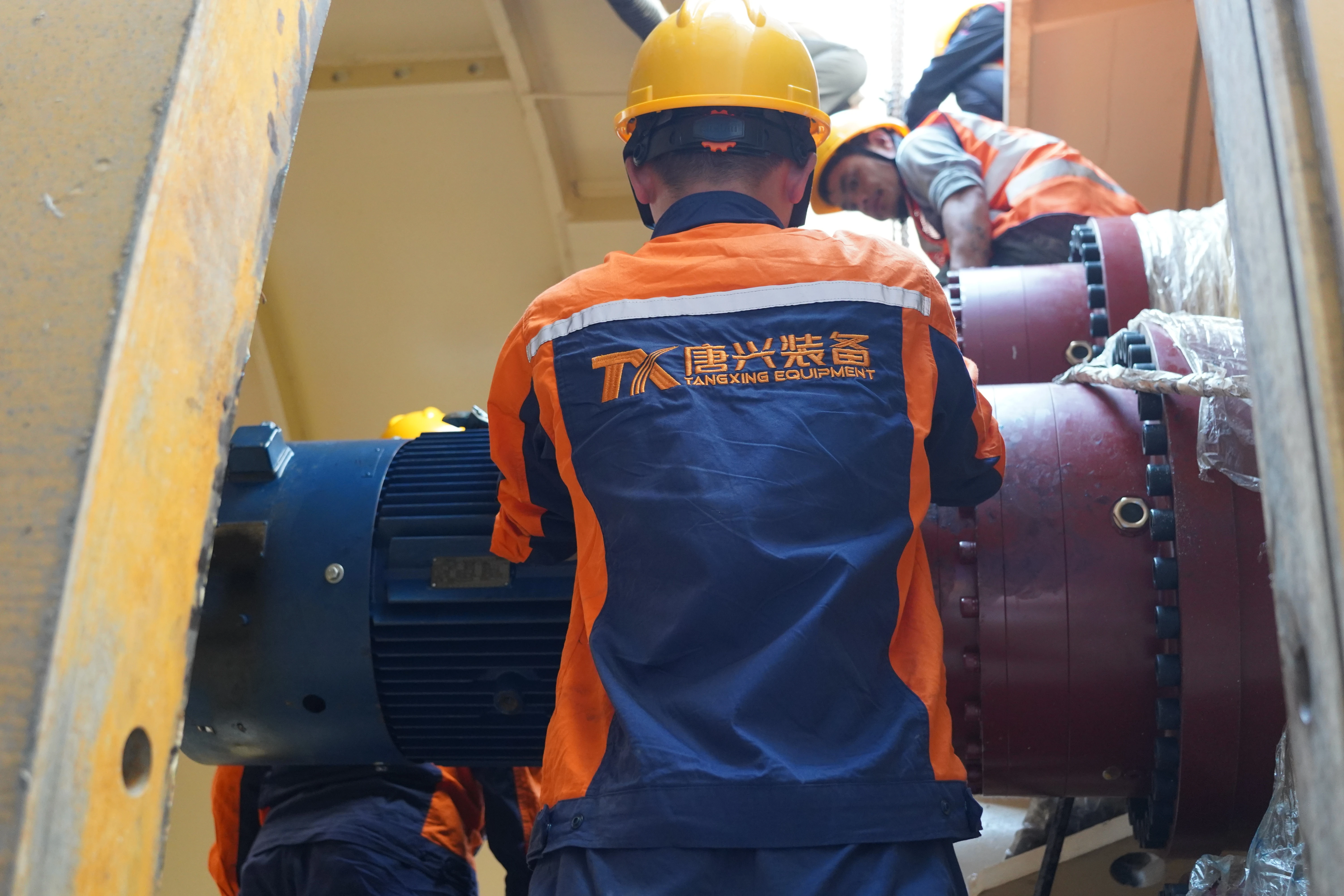
Risks of Yaw Instability in TBM Operations
If you do not keep yaw stable, you face many risks. The cutterhead can shake and bounce. This movement can damage your tunnel boring machine. Cutting tools wear out faster when this happens. These problems make your work slower and cost more money. You might have to stop working to fix things. When you stop, you lose time and fall behind. Every hour is important for your project.
You can also have misalignment problems. The tunnel might move away from the planned path. This can cause trouble with other pipes or wires. Sometimes, it can even make the project fail. You want to avoid these problems by keeping things stable.
-
Yaw instability makes the cutterhead shake and bounce.
-
The tunnel boring machine can get damaged.
-
Cutting tools wear out more quickly.
-
More downtime means less work gets done.
-
Misalignment can cause expensive fixes and safety problems.
Solutions for Maintaining Yaw Stability
You can keep yaw stable by using the right tools and plans. New tunnel machines have special systems to help you stay in control. These systems show you what is happening in real time. You can see problems and fix them fast.
Here are some important tools that help you keep things stable:
|
Technology Type |
Function |
|---|---|
|
Torque Transducers |
Check how much force the cutting wheel uses during digging. |
|
Load Cells |
Measure the forces during digging to keep things steady. |
|
Multi-Axis Sensors |
Give real-time data about the cutter head’s position and direction for better steering. |
You use these tools to watch and control the machine as you work. They help you keep yaw stable and the tunnel boring machine working well. Guidance and steering systems are also important. These systems help you steer the machine more accurately. You can make small changes to keep the tunnel straight and safe.
-
Guidance and steering systems help you steer better.
-
They make sure you stay on the right path.
-
Keeping the right path helps the tunnel stay stable.
You should always try to work efficiently. When you use these tools, you have less downtime and better results. You also keep your machine and your team safe.
CEGC’s Guidance and Control Systems
CEGC gives you both standard and custom solutions to keep yaw stable. You get advanced guidance, steering, and line assurance systems. These systems help you stay steady and accurate on every job. You can pick standard features or ask for custom ones.
CEGC also helps you with strong service packages. Experts who know about tunneling and microtunnelling machines will help you. You get training, engineering help, and real-time data to keep your machine running well.
|
Service Type |
Description |
|---|---|
|
Trenchless Engineering Support |
CEGC helps with HDD, pipe jacking, and microtunnelling projects, even in tough ground. |
|
Training |
Training covers how to use equipment, keep it working, stay safe, and fix problems. |
You can count on CEGC for both regular and custom help. You get the tools and support you need to keep yaw stable and the tunnel boring machine working well. Staying stable means you work better, get more done, and keep your team safe.
You have many problems when you use a TBM tunnel boring machine. It is hard to keep the machine straight. The ground can be unstable and move around. Sometimes, the ground is made of different types of rock and dirt. These things make your job harder. If you use good plans, you can do better work. You can also finish faster. Controlling yaw early and using smart guidance systems help you a lot. CEGC gives you tools and ideas to help you work better.
-
It is tough to keep TBM straight in hard ground.
-
Unstable ground can make holes or cause things to fall.
-
Different ground types can wear out cutters and cause too much digging.
FAQ
What does yaw stability mean for your TBM project?
When you control yaw stability, your TBM stays on track. This helps you avoid mistakes and finish your tunnel quickly.
How does real-time monitoring help in tunnel construction?
Real-time monitoring shows where the machine is and how it moves. You can fix problems fast and keep your tunnel safe and straight.
Why is monitoring important during tunneling?
Monitoring lets you check how the machine works and see the ground. You find problems early and keep your equipment safe.


