
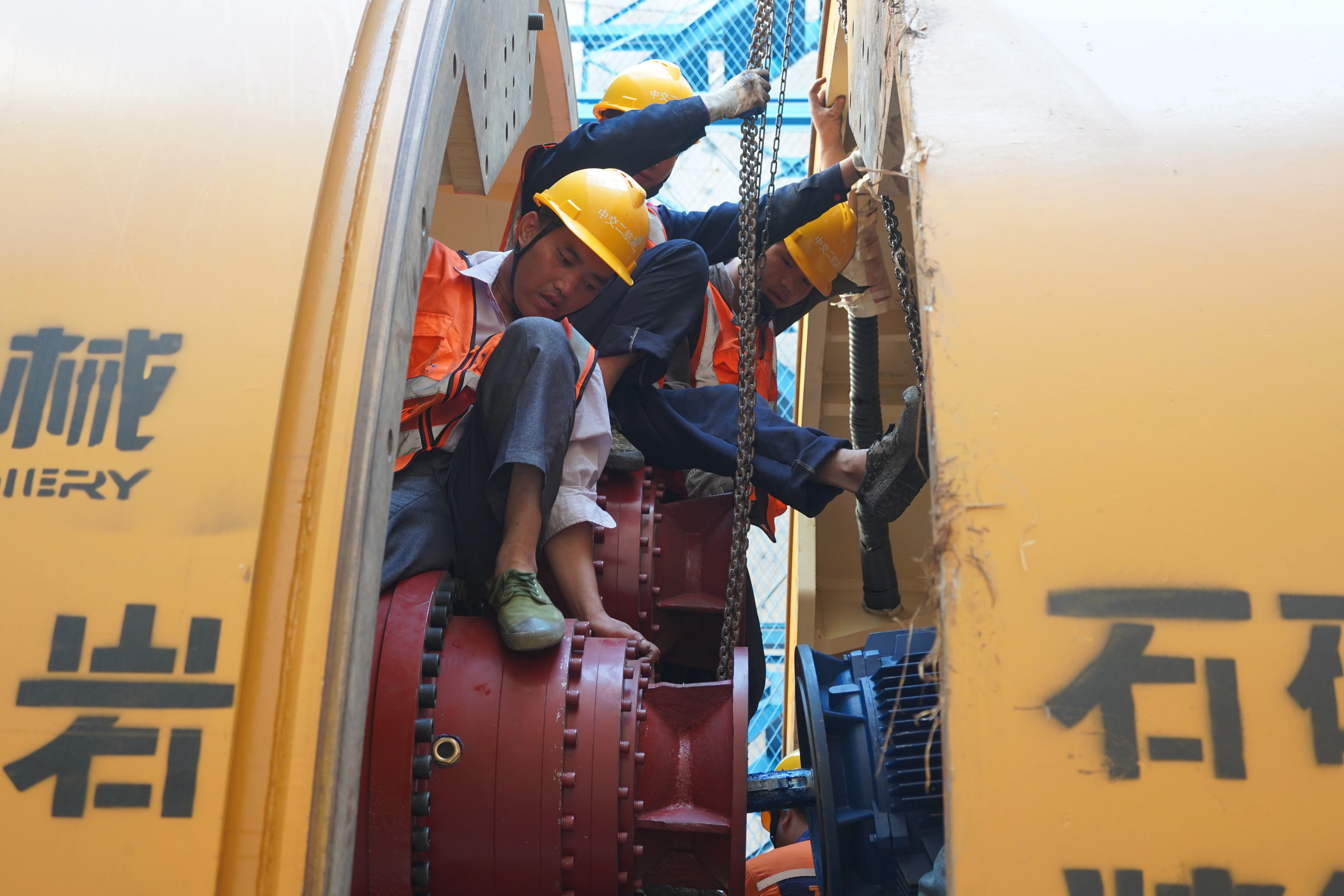
Cleaner signals improve yaw correction on a TBM machine, providing better tunnel alignment and enhancing work efficiency. With good signals, you can guide the machine more precisely. The integration of machine learning and AI allows for immediate adjustments. CEGC supports you in managing risks effectively, ensuring your project is completed on time.
Key Takeaways
-
Cleaner signals help yaw correction. This makes tunnel alignment better and work faster.
-
Advanced signal processing lowers mistakes and risks. It lets workers fix problems right away and do less manual work.
-
Cleaner signals help finish projects sooner. They also make work safer and cost less.
Yaw Correction in Tunnel Boring Machines
What Is Yaw Correction?
Yaw correction in tunnel boring machine operations means fixing the machine’s direction when it starts to turn the wrong way. This happens when the cutting load or the ground changes. The operator controls the cutting boom to keep the machine in place. This helps the machine dig better and faster.
You use yaw correction to keep your TBM going the right way. When you run a TBM, you face many problems underground. The ground can change fast. The load on the TBM can move. These things can make your TBM go off course. Yaw correction lets you fix the TBM’s path. You can keep the TBM straight or turn it as needed.
Here are some main technical challenges you may face with yaw correction in a TBM:
|
Challenge Description |
Details |
|---|---|
|
Hard ground and changing loads can make the TBM go off the planned path. |
|
|
Safety and Nonholonomic Constraints |
Many systems work together, so it is hard to keep everything safe and follow all rules. |
|
Accurate Attitude Acquisition |
It is important to measure yaw, pitch, and roll exactly, but there are not many sensors. |
|
Real-time Monitoring |
You need to watch the TBM all the time to keep it on the right path. |
|
There are only a few sensors, so it is hard to get good data for yaw correction. |
|
|
Dependency on Driver Monitoring |
The driver must always check the TBM’s position, which makes the job harder. |
Why Yaw Matters for Tunnel Alignment
You need good yaw correction to keep your TBM on the right tunnel path. If your TBM moves off course, the tunnel can bend the wrong way. This can hurt the tunnel and the ground above it. If your TBM is not lined up, you might see the ground sink or the tunnel parts get stressed. Good yaw correction helps stop these problems. You can build tunnels that are safe and meet the rules. With the right controls, your TBM can handle turns and straight lines well.
Modern TBM systems use automatic shield tunneling. This connects the TBM’s position with how hard it pushes. It uses smart controls to keep the TBM steady. Tests show that automatic control is better than steering by hand. You can trust your TBM to stay on track and finish the work well.
Cleaner Signals Improve Yaw Correction on a TBM Machine
Signal Quality and TBM Guidance
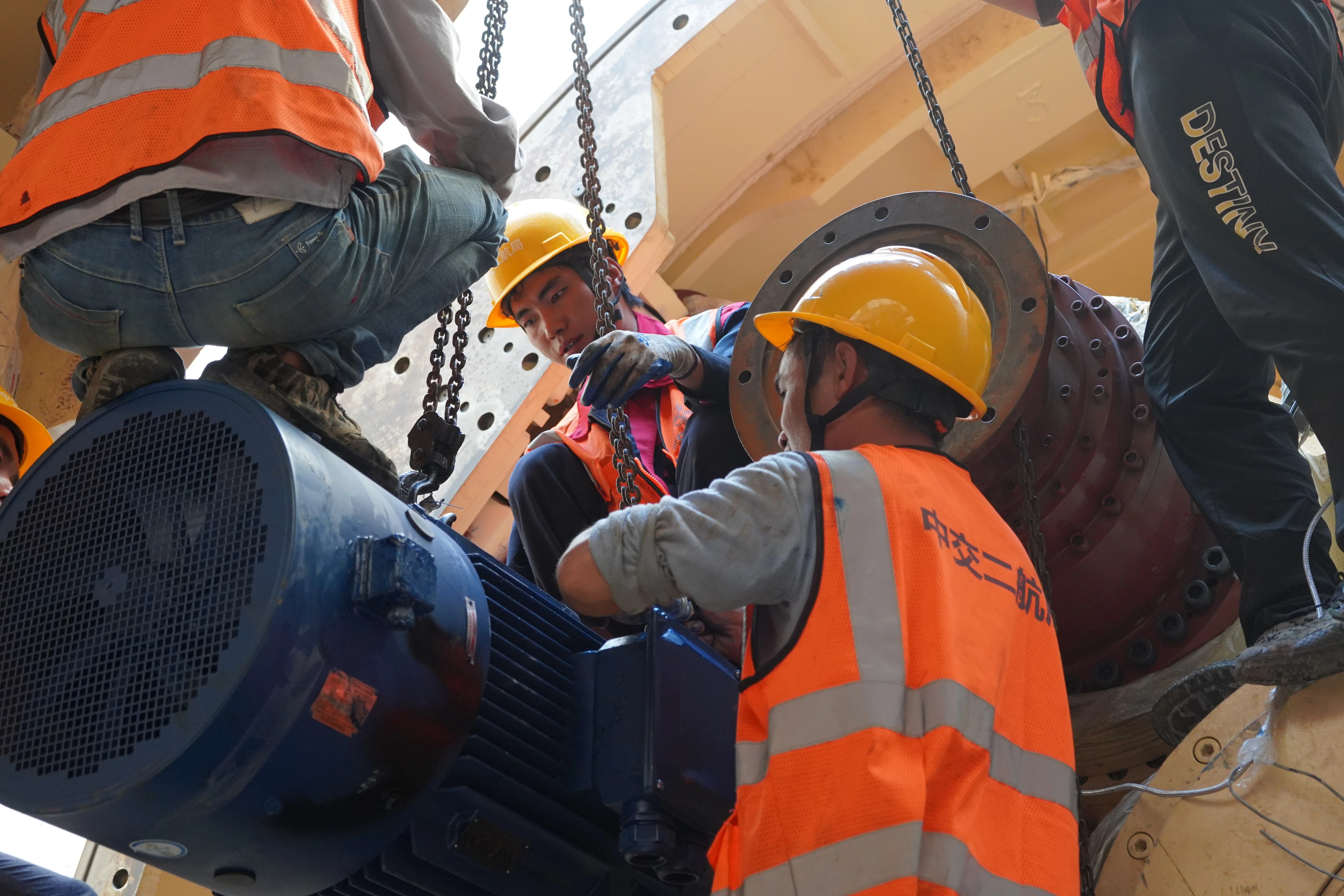
You need clear signals to guide your tunnel boring machine. Cleaner signals help yaw correction by giving you the right data fast. When signals are good, you can trust your guidance system. This keeps your tunnel machine on the planned path. CEGC uses advanced systems to help with common problems. These systems use gyroscopes, prisms, laser targets, and visual tools. You spend less time checking things by hand and get better accuracy.
You will notice the benefits every day. Laser targeting and using many sensors help keep your TBM on track. These systems let you watch yaw, pitch, and roll as you work. You can stop alignment mistakes before they get worse. Cleaner signals help yaw correction by making sure your data is not mixed with noise. This helps you avoid cutting too much and keeps your tunnel safe.
-
You get:
-
Faster checks for alignment
-
Fewer times you need to fix things by hand
-
Better tunnel quality
-
Cleaner signals help yaw correction by supporting a strong structure and controlled digging. You can keep your machine steady, even if the ground changes. This means you finish your project faster and with fewer problems.
Advanced Signal Processing for Yaw Control
You need smart signal processing to get the best from your tunnel boring machine. Cleaner signals help yaw correction by using technology to remove noise and mistakes. CEGC uses many sensors, fixes errors, and filters signals to help your machine work better.
|
Technique |
Description |
|---|---|
|
Multi-Sensor Fusion |
Combines data from sensors like gyroscopes, barometers, and accelerometers to improve accuracy. |
|
Error Compensation Methods |
Uses models to fix errors in sensor data and improve dynamic performance. |
|
Complementary Filter |
Separates useful signals from noise in the frequency domain. |
|
Kalman Filter |
Processes signals in the time domain to manage overlapping signals and noise. |
|
Robust Adaptive Control |
Switches between filters for the best performance. |
|
Extended Kalman Filter (EKF) |
Combines filters to improve signal processing and error correction. |
You can see how cleaner signals help yaw correction by making your control system smarter. When you use these methods, you get real-time measurements. This helps you adjust your machine quickly. You do not have to worry about sensor mistakes or sudden ground changes. Your TBM can change to new conditions and keep working well.
Cleaner signals help yaw correction by letting you use adaptive control. You can keep your TBM steady, even in hard or mixed ground. This lowers the risk of ground sinking, face problems, and water leaks. You get better results and spend less money because you need fewer repairs and checks.
Real-Time Adjustment and Reduced Manual Corrections
You want your tunnel machine to need less work by hand. Cleaner signals help yaw correction by giving you real-time data and smart controls. CEGC uses AI systems that change speed, pressure, and cutter head settings based on sensor data. You get better accuracy and can avoid mistakes.
|
Benefit |
Details |
|---|---|
|
Predictive Accuracy |
Models can reach up to 98.56% accuracy in classifying ground conditions. |
|
Operational Optimization |
The system adjusts TBM speed and pressure automatically for the best performance. |
|
Risk Mitigation |
Real-time analytics catch problems early, reducing the chance of tunnel collapse. |
|
Safety Enhancement |
Automation means you spend less time in dangerous spots. |
|
Cost Reduction |
You save money because you need fewer manual checks and less supervision. |
Cleaner signals help yaw correction by making your job safer and easier. You can trust your TBM to handle ground changes without stopping for hand checks. You get better tunnel alignment, fewer mistakes, and lower risks. CEGC’s solutions help you meet standards and change your TBM or microtunnelling machine for any job.
Cleaner signals help yaw correction by supporting high performance all the time. You can finish your tunnel faster, with better quality, and less stress.
Practical Outcomes and Benefits
Improved Efficiency and Tunnel Alignment
When you use cleaner signals, your tunnel boring machine works better. The tunnel stays straighter and the machine performs well. Cleaner signals help control vibration. This keeps your TBM moving in the right direction. You can finish your project faster and make fewer mistakes. The table below shows how controlling vibration helps:
|
Evidence Description |
Impact on TBM Operations |
|---|---|
|
Strong correlation between cutter vibration and TBM rock breaking efficiency |
Cleaner signals (less vibration) boost performance and tunnel alignment. |
|
Vibration strength increases with boring parameters |
Managing vibration with cleaner signals improves operational efficiency. |
|
Monitoring systems analyze vibration features |
You can predict performance and keep your tunnel on track. |
Cleaner signals also help with microtunnelling and trenchless jobs. You get better control when pushing pipes underground. This means there is less chance of the ground sinking or the tunnel face moving.
Reduced Errors and Operational Risks
Using advanced guidance and real-time data helps you make fewer mistakes. Cleaner signals let you find problems early and fix them fast. You can stop overcut, cutterhead wear, and water leaks. You also save time and money. The table below shows the cost difference between TBM and manual tunneling:
|
Method |
Cost per Foot |
|---|---|
|
Manual Tunneling |
$1,000,000 |
|
TBM Operations |
$19,000 |
You can see that using a TBM saves a lot of money. Cloud tools and real-time checks help keep your project safe and on time.
CEGC Case Studies and Custom Solutions
You can count on CEGC to give you good results for your TBM or microtunnelling machine. CEGC makes custom plans for each project. You get help with pushing pipes, trenchless work, and microtunnelling. CEGC helps fix problems like ground sinking, face movement, and cutterhead wear. You get strong performance and better results every time.
-
AI-driven TBMs change as the ground changes.
-
Machine learning helps the TBM work better and safer.
-
Real-time checks mean less downtime and less fixing.
You finish your tunnel with good results, less risk, and more trust in your work.
Cleaner signals let you fix yaw problems quickly. Your TBM machine stays on the right path. You make fewer mistakes and finish jobs with less danger. CEGC builds tunnel boring machines that work very well and can be made for your needs. You can make signals better by using smart tools that guess what will happen and systems that change as needed.
FAQ
What is yaw correction in a TBM machine?
Yaw correction helps your tunnel boring machine go straight. This stops the tunnel from going the wrong way. It also lowers the chance of making expensive mistakes.
How do cleaner signals help with tunnel alignment?
Cleaner signals give you good data. You can change your TBM machine quickly. This keeps your tunnel on track and makes it safer.
Why is field monitoring of pipe jacking projects important?
You need to watch pipe jacking projects in the field. This lets you see how the machine works. You can find problems early and make sure your tunnel is built right.


