
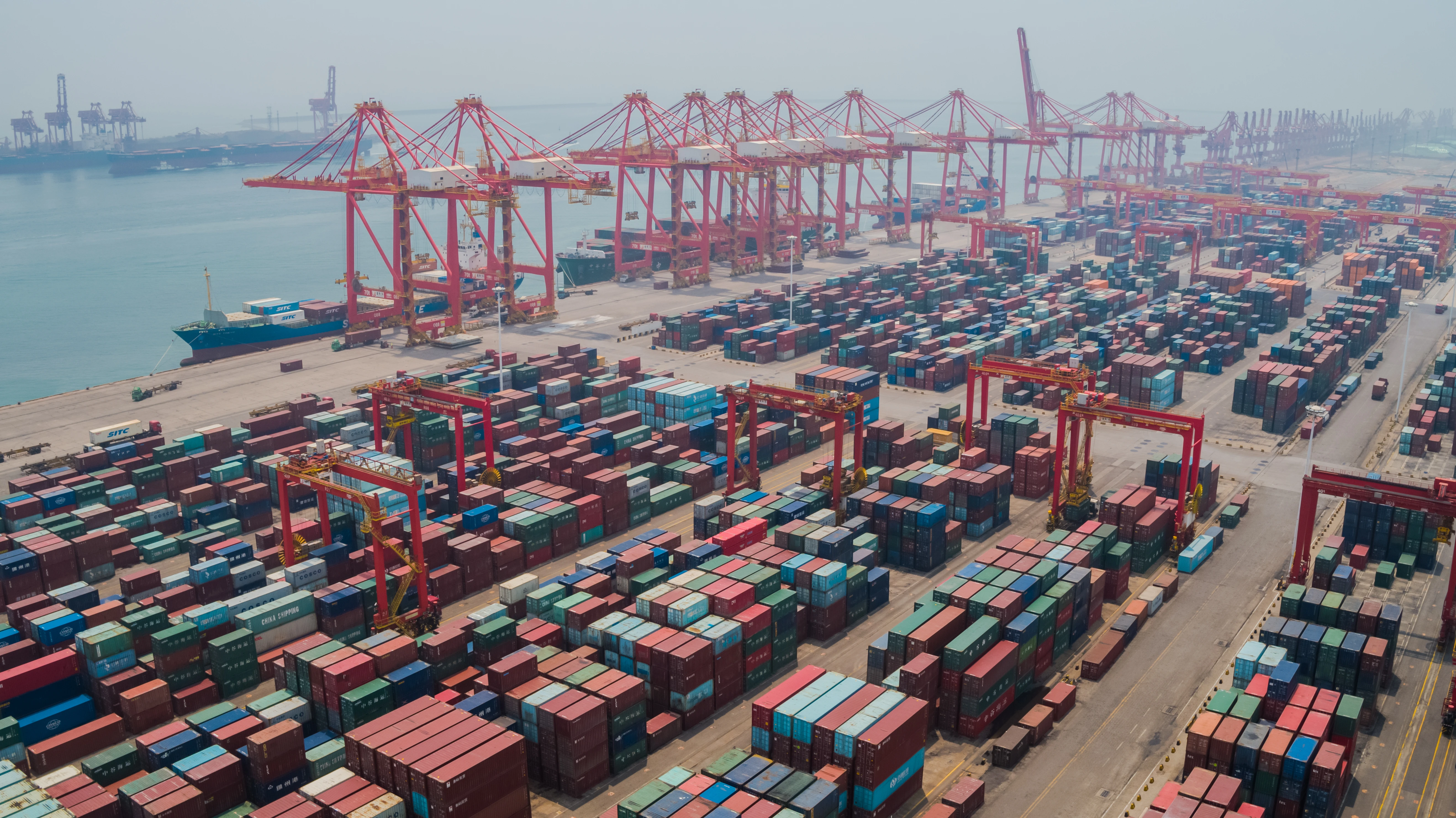
Limit protection on a container crane prevents accidents by stopping unsafe movements before they occur. With CEGC, you get both standard and customized options to ensure maximum safety. Limit protection on a container crane prevents accidents such as crane tipping, falling loads, and electrocution risks. These systems from CEGC reduce injuries and equipment damage, while also minimizing operator errors for safer and more reliable port operations.
Key Takeaways
-
Limit protection systems stop dangerous crane moves. This helps prevent accidents like tipping and dropping loads.
-
Checking and fixing limit switches often keeps cranes safe. It also lowers the chance of breaking equipment.
-
Adding smart features and automation makes cranes safer. It also helps cranes work better.
Limit protection on a container crane prevents accidents
What is limit protection?
You depend on limit protection to keep your container crane safe. Limit protection on a container crane prevents accidents by stopping unsafe moves before they start. This system uses devices like limit switch, interlocks, and anti-sway controls to protect you, your equipment, and your cargo.
Limit protection sets boundaries for crane movement. Protected areas are always "no-go" zones. You cannot move the crane into these spots, so you stay away from danger. Each crane can have up to 16 protected areas. These zones cover busy and sensitive places, making lifting safer.
Limit switch is important in limit protection. It checks the crane’s position and stops movement at certain points. You avoid lifting too high or dropping loads too fast because the limit switch gives a physical stop. Even if software fails, the crane will not go past safe limits. Limit protection on a container crane prevents accidents like tipping, falling loads, and collisions.
You find limit protection on many port machines, like container handler, portal crane, and container gantry crane. CEGC gives you standard specs and custom choices for your project. You pick the right capacity, span, duty cycle, and automation level for your lifting jobs.
Limit protection on a container crane prevents accidents by making sure you stay inside safe boundaries. You keep your team and your equipment safe every time you use these systems.
How limit protection works
Limit protection on a container crane prevents accidents by using several safety devices and systems. You use limit switch, interlocks, and anti-sway systems to control crane movement and stop hazards during lifting.
Main components of limit protection:
-
Hoist travel limit switch stops vertical movement, keeping the load from hitting overhead structures or the ground.
-
Bridge travel limit switch controls sideways movement, making sure the crane stays in its area.
-
Trolley travel limit switch manages horizontal movement, stopping the trolley from reaching the bridge’s ends.
These devices help you by setting safe travel limits. Limit switch stops overhead hooking and bottom hooking. You avoid accidents by stopping the hoist before it goes too high or hits the ground. Limit switch also marks safe areas, stopping derailment and crashes with other cranes.
Limit protection on a container crane prevents accidents caused by load sway, collision, and overload. Anti-sway systems use swing angle sensors to spot load swinging. They change trolley movement to stop sway, making lifting more stable and efficient. Interlocks turn off motion when overload happens. You stay safe because the crane only works within its rated limits.
Technical pain points addressed by limit protection:
|
Advantage |
Description |
|---|---|
|
Increased Safety |
You reduce load sway, lower collision risk, and protect operators during lifting. |
|
Improved Operational Efficiency |
You suppress sway, keep loads stable, and boost work efficiency. |
|
Reduced Equipment Wear |
You minimize mechanical impacts, extend crane lifespan, and protect components. |
|
Enhanced Work Environment |
You enjoy stable operation, better control, and less fatigue during lifting tasks. |
You also use collision prevention systems like radar, lidar, and cameras. These sensors spot obstacles and warn you or stop the crane automatically. Load cells and load moment indicators check the weight being lifted. If you try to lift too much, the system stops hoisting to prevent overload.
Limit protection on a container crane prevents accidents by protecting mechanical parts from too much stress. You make equipment last longer and keep things safer every time you use these systems. Regular checks and maintenance keep your limit switch and other devices working well. You fix broken parts quickly to avoid accidents during lifting.
Limit protection on a container crane prevents accidents and keeps your lifting jobs safe, efficient, and reliable. You trust these systems to protect your team, your cargo, and your equipment.
Limit protection devices and accident prevention
Types of limit switches and sensors
You use different kinds of limit switch and sensors on a container crane. Each limit switch is a safety device that helps keep lifting safe. Here is a table to show you the main types:
|
Type of Limit Switch |
Application Description |
|---|---|
|
Mechanical Limit Switches |
You use these for exact stopping and position control during lifting. |
|
Rotary Limit Switches |
You use these on hoists and winches to measure turning and stop at set points. |
|
Position Limit Switches |
You use these when moving parts reach their allowed range, so collisions do not happen. |
You also use sensors to check the load and stop two block accidents. These sensors warn the operator and help stop overhoisting. Outrigger locked detection and hoisting motion arrest are important for safe lifting.
Preventing overhoisting, overload, and collisions
You use many devices to stop accidents. The hoist upper limit switch stops the hook from going too high. The hoist lower limit switch keeps the hook from dropping too low. The trolley limit switch makes sure the trolley does not go past the bridge ends. The overload limit switch and crane overload protection device work together to stop lifting if the load is too heavy.
|
Device Type |
Role/Function |
Key Features/Operation |
|---|---|---|
|
Hoist Limit Switch |
Limits up and down movement of the hoist trolley during lifting. |
Multi-point control, very reliable, small size. |
|
Travel Limiter |
Stops the crane from running off the track by cutting power near the ends. |
Uses limit switch and safety rulers; breaks the control circuit. |
|
Anti-Collision System |
Helps stop crashes between cranes or trolleys using laser sensors. |
Measures distance, gives early warning, slows down, and sends stop alarms. |
The overload limit switch and crane overload protection device use sensors to check the weight. When the load gets close to the limit, you get a warning. If the load goes over, the system cuts power and stops lifting right away. This safety step keeps you safe and protects your equipment.
Maintenance and testing for safety
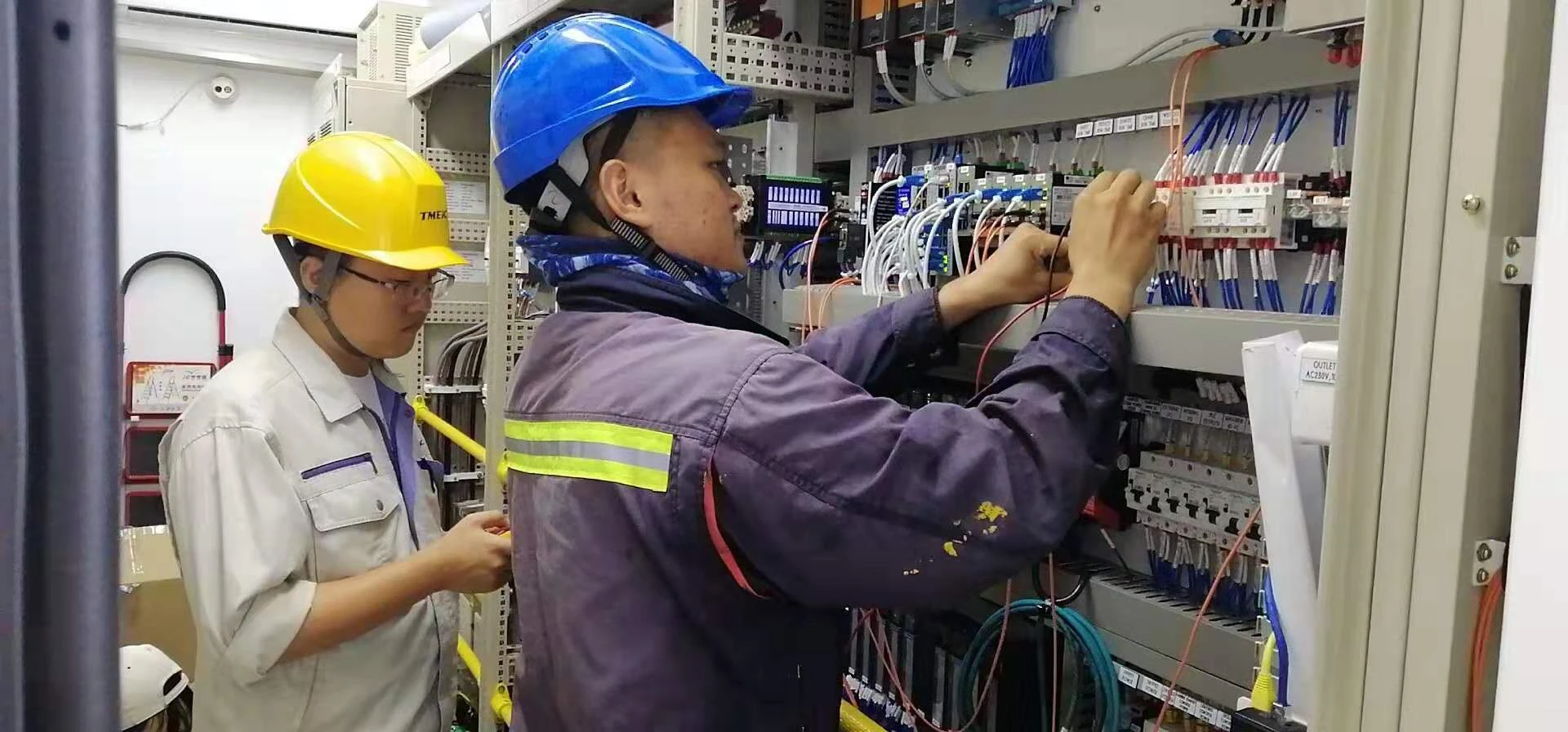
You need to check and test each limit switch, overload limit switch, and crane overload protection device often. Regular maintenance helps you find problems before they cause accidents. If you skip these checks, you might miss faults and cause damage. You keep your portal crane, container handler, and container gantry crane safe by doing these steps.
"Most importantly, one of the best things you can do is to be sure that everyone involved in the assembly, disassembly, rigging and operation of a crane is properly trained, qualified and/or certified to do the work correctly and with safety awareness for the type of loads and lifts that are required by the job."
You make lifting safer and have less downtime when you use advanced limit switch technology in your work.
You count on limit protection to keep the crane safe. CEGC gives you tools that help you follow rules and stay safe. Doing regular checks and adding new smart features makes your crane work well. These actions protect workers and help you meet port safety rules.
|
Upgrade Type |
Description |
|---|---|
|
Smart Features |
Sway Control, Target Positioning, Protected Areas make things safer and easier. |
|
Electrical Component Upgrade |
Changing wires and parts helps the crane work better. |
|
Automation System Modernization |
Adding new systems or features makes crane use safer. |
FAQ
What is the main purpose of limit protection on a container crane?
Limit protection stops the crane from moving in unsafe ways. It keeps accidents from happening. Workers stay safe, and equipment does not get damaged.
How often should you check limit switches on your portal crane?
Check limit switches every time before you start work. Doing checks often helps you spot problems early. This keeps your portal crane safe and working well.
Can you upgrade limit protection systems on CEGC container handling equipment?
You can upgrade limit protection systems. CEGC gives smart features and automation choices. Upgrades make your crane safer and help it work better.


