
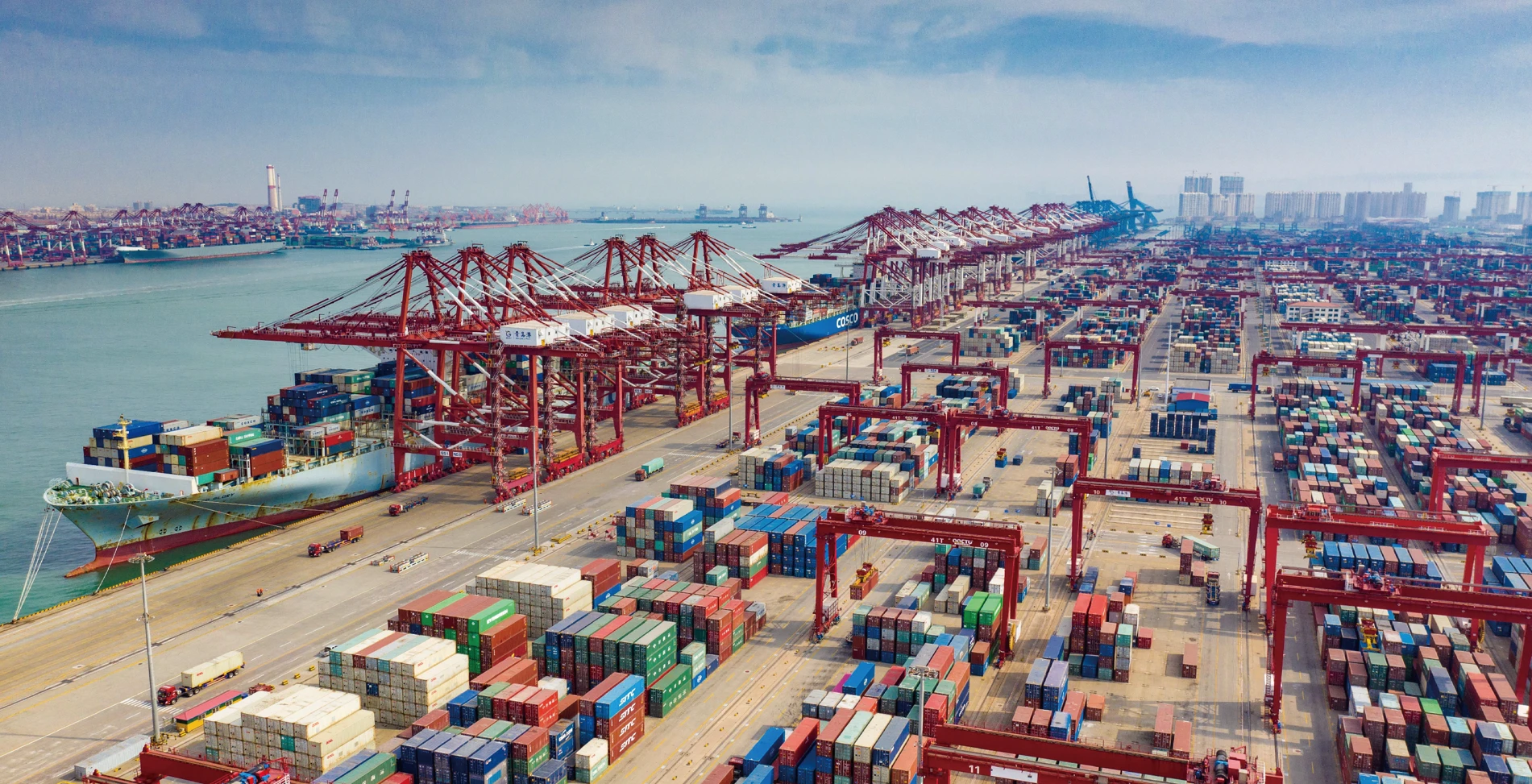
You make ports work better and safer when you fix Ship crane: reduce empty positioning on deck. Load sway, crashing risk, slow work time, rust, and stopping work all hurt your jobs. CEGC gives answers that help you solve these issues. You can get better results with the best port machines and lifting tools.
Key Takeaways
-
Check how the crane moves and how the deck is set up to cut down on empty trips. Use cranes that are small or can fold to save space and work better.
-
Make the crane’s spot and boom angles better for cargo placement. This cuts down on empty moves and makes things safer with anti-sway systems.
-
Use predictive maintenance and make sure the crew talks clearly. This helps find problems early, reduces downtime, and keeps things running well.
Ship crane: reduce empty positioning strategies
Assess crane movement and deck layout
You can make your ship crane work better by checking how it moves and how the deck is set up. If you use the space on the ship well, the crane does not travel empty as much. This means it does not move without carrying something as often. Cranes with a compact design or foldable parts help save deck space. These cranes let you move cargo faster and easier. When you spread out where the loads go, you protect the ship and make it easier to place the crane. This helps stop empty moves and keeps your equipment from wearing out too fast.
-
Using all the space on the ship helps the crane work better and cuts down on empty trips.
-
Cranes that are small or can fold up give you more room on deck and help things move smoothly.
-
Spreading out the load paths keeps the ship safe and makes it easier to put the crane in the right spot, so there are fewer empty moves.
CEGC has portal cranes and container cranes for different deck setups. These cranes help you move containers and cargo with less wasted movement. If you plan your deck well, you also lower the chance of load sway and crashes. This makes your port safer and helps things run better.
Optimize crane positioning and boom angles
You can stop empty moves by putting the crane in the best spot and setting the right boom angle. If the operator is close to the vehicle, especially along the z axis, it is easier to place cargo. This means the crane does not have to move empty as much. If the operator is far away, it is harder to see the angle, and the crane may need extra moves to get the load in place. This slows down unloading and can cause mistakes.
CEGC’s ship cranes have anti-sway systems and smart controls to help you set the boom angle right every time. These systems stop the load from swinging and make crane moves easier to predict. You can also use auto-landing and active heave compensation to match the hook with the ship’s movement. This means you have fewer failed picks and better placements. Using these features helps your ship crane: reduce empty positioning on deck and keeps your crew safe.
Adjust limit switches and support structures
You can make your crane safer and cut down on empty moves by setting limit switches and support structures. Limit switches stop the crane from going too far. They help you avoid damage and keep the crane in safe areas. Cross limit switches stop the crane from going past its path and hitting other things. This keeps workers and equipment safe.
|
Role of Limit Switches |
Benefits |
|---|---|
|
Stops Overtravel |
Stops damage and system failure by cutting power or changing direction before limits are reached. |
|
Supports Load Stability |
Keeps movement smooth and lowers the chance of dropping or tilting heavy loads. |
|
Cuts Down on Wear |
Stops extra moves and helps crane parts last longer. |
|
Protects Workers |
Lowers the chance of injury by keeping the crane in safe paths. |
|
Avoids Crane Collisions |
Makes sure cranes stay in their zones and do not crash in busy areas. |
|
Role of Cross Limit Switch |
Benefits |
|---|---|
|
Triggers Stop Signals |
Stops cranes from going too far and hitting equipment or structures. |
|
Protects Against Mechanical Damage |
Stops crashes with end stops and other structures, saving money on repairs. |
|
Enhances Worker Safety |
Lowers the chance of accidents for people near the crane. |
You can also make support structures stronger to hold heavy loads and stop shaking. CEGC’s container handling equipment has safety locks and deck support options. These features help your ship crane: reduce empty positioning on deck and keep your work running well.
When you use CEGC’s technical solutions, you get fast hoisting, anti-sway systems, and automation. These features help your ship crane: reduce empty positioning on deck, save time, and make your port safer. You can count on CEGC to help you reach your goals for safety and efficiency.
Technology and workflow for efficient crane operations
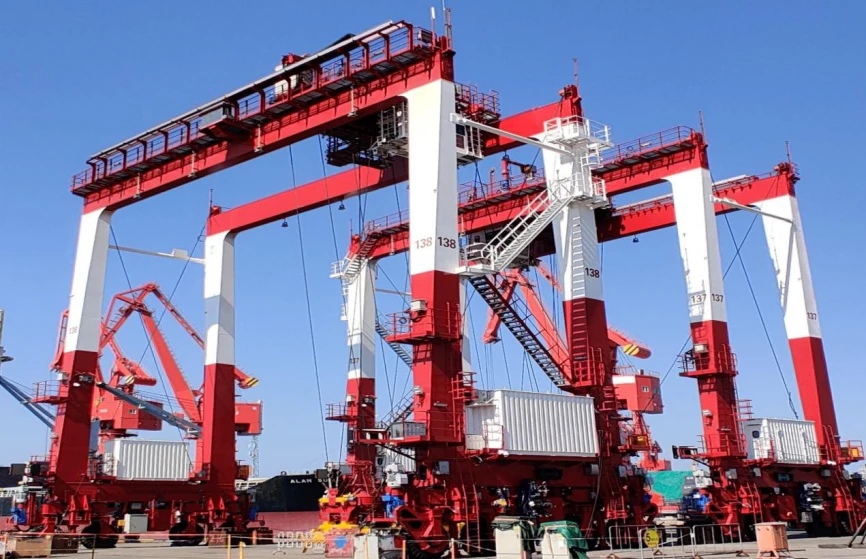
Advanced planning and scheduling
You can make your port work better with planning tools. These tools help you pick where and when to move each crane. Smart software helps you cut down on empty moves and saves time. CEGC has solutions that use real-time data and AI to help you plan. These systems check vessel schedules, cargo types, and yard space. They help you give the right job to the right crane.
Here is a table that shows how these technologies help:
|
Evidence Description |
Key Points |
|---|---|
|
Assign cranes to vessel bays and plan lifts, making vessel rotation and berth use better. |
|
|
AI-driven solutions enhance decision-making |
Predict container numbers and change plans fast for better scheduling. |
|
Automation strategies reduce idle time |
Automated cranes and guided vehicles lower empty travel and move more cargo. |
|
Digital readiness of terminals |
Real-time data lets you make quick changes and keep things running smoothly. |
|
Multi-agent control systems |
Balance quay work with yard flow for higher efficiency. |
When you use these planning tools, your ship crane: reduce empty positioning on deck. You also lower delays and keep your port working fast.
Automation and anti-sway control systems
Automation and anti-sway systems help you work faster and safer. These systems use sensors and smart controls to keep loads steady. Anti-sway technology stops the load from swinging. This makes it easier to put cargo in the right spot and keeps workers safe.
-
Increased Safety: Anti-sway systems lower accident risk by stopping load sway.
-
Faster Load Handling: You can move cargo faster and stay safe.
-
Reduced Operator Fatigue: Automation does some hard work, so operators make fewer mistakes.
CEGC’s container handling equipment and ship cranes have these smart features. You can choose how much automation you want. Some ports want full automation, while others need only a few upgrades. You can pick the right size, automation, and anti-corrosion level for your needs. This helps you get the best results and keep maintenance costs low.
Crew communication and predictive maintenance
Good communication and smart maintenance help your cranes last longer. Your crew needs to talk clearly and use the same signals. Training helps everyone know what to do and when. Only trained people should give directions, and operators should always talk to the signal person.
Here are some best practices for your team:
-
Use AI-powered predictive maintenance. Machine learning checks sensor data and warns you about problems early.
-
Train all operators and crew in standard hand signals.
-
Make sure only trained staff give directions, and keep operators and signal persons in touch.
Predictive maintenance helps you find issues early. You can fix small problems before they get big. This lowers unplanned downtime and saves money. Look at the table below to see the benefits:
|
Metric |
Reduction (%) |
Financial Impact |
|---|---|---|
|
Maintenance Costs |
Big cost savings |
|
|
Unplanned Downtime |
40-50% |
Better operational efficiency |
|
Emergency Repair Needs |
N/A |
Fewer expensive repairs |
|
Return on Investment |
N/A |
$7 return for every $1 spent |
You can also use condition monitoring and remote diagnostics. These tools let you check your cranes from anywhere. Vibration monitoring and oil checks help you keep your equipment in good shape. When you use these tools, you can see how things are going and act fast if something is wrong.
CEGC lets you customize your cranes. You can pick the right size, automation, and anti-corrosion features. This means your equipment will last longer and work better, even in tough port conditions.
By using these technologies and workflows, you make your port safer, faster, and more reliable. You can trust CEGC to help you reach your goals and keep your ship crane: reduce empty positioning on deck.
You can make ports work better by using hub-and-spoke models. Advanced ship crane technology also helps a lot. CEGC’s solutions help you cut down on empty moves. This saves fuel and lowers emissions. When you upgrade often, you get faster updates and less downtime. Your port will also be safer.
|
Benefit |
Description |
|---|---|
|
Faster Situational Awareness |
AI gives you quick updates so you can decide faster. |
|
Automation keeps your machines working more of the time. |
|
|
Improved Maintenance |
Predictive tools help you stop surprise breakdowns. |
FAQ
What is empty positioning in ship cranes?
Empty positioning means your crane moves without carrying a load. You waste time and energy when this happens. CEGC helps you reduce these moves.
How do anti-sway systems help my port?
Anti-sway systems keep your loads steady. You get safer operations and faster cargo handling.
-
Less load swing
-
Fewer accidents
Can I customize CEGC cranes for my port?
|
Option |
Available? |
|---|---|
|
Size |
✅ |
|
Automation Level |
✅ |
|
Anti-Corrosion |
✅ |
You choose what fits your needs.


