
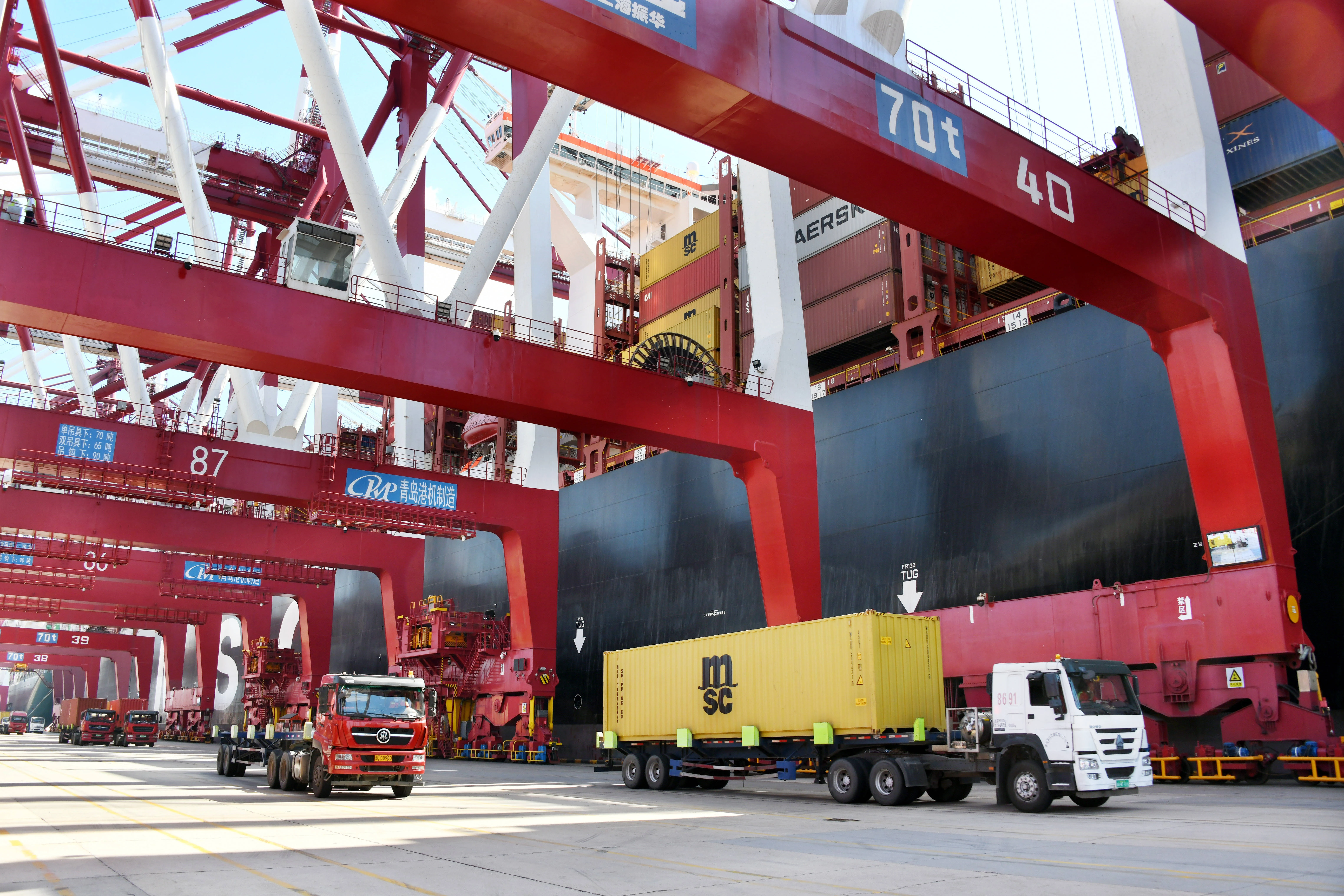
You can cut down on empty travel waste in container handling equipment: stop empty travel waste by using smart plans and new technology. CEGC is a top company in construction machines. They give advanced solutions and full support. If you work on visibility, forecasting, making workflows better, and anti-sway systems, container handling equipment: stop empty travel waste is possible. You make things more green and efficient with container handling equipment: stop empty travel waste. Look at your work and see how container handling equipment: stop empty travel waste can change your port.
|
Feature |
Other Providers |
|
|---|---|---|
|
Expertise |
Global construction machinery specialist |
Varies by provider |
|
Technology |
Advanced technology in port machinery |
Varies by provider |
|
Service Offerings |
Comprehensive service and support |
Limited or varying |
|
Customization |
Tailored equipment solutions |
Standard solutions |
|
Global Support |
Extensive networks in key markets |
Limited presence |
|
Client Focus |
Commitment to diverse client needs |
Varies by provider |
Key Takeaways
-
Use smart planning and new technology to cut down empty container moves. This helps save money and makes work better.
-
Try real-time tracking tools to watch where containers are. Seeing containers in real time means fewer empty trips and less carbon released.
-
Pick energy-saving equipment and make workflows better to help the planet. This is good for the environment and helps your port work faster.
Causes of empty travel waste in container handling equipment
Container imbalance and empty repositioning
Container imbalance happens when one place has too many containers and another place does not have enough. This means you have to move empty containers to where they are needed. About 10% of all containers in the world are empty. These empty containers are part of 20.5% of all port moves. The shipping industry spends $15 to $20 billion every year to move empty containers. When trade is not balanced, some places get too many containers. You have to send these extra containers to places that ship goods out. This costs more for moving, storing, and handling. Almost half of all container moves are because of container imbalance. Trade imbalances cause two-thirds of empty container moves. If you do not use containers well, you have to move more empty ones and pay more money.
-
Container imbalance makes your teams work harder.
-
Empty containers use up space and resources.
-
You spend more money on storage and handling.
-
The shipping industry loses money and works less efficiently.
Poor forecasting and lack of visibility
If you cannot guess how many containers you need, you move empty containers more often. This makes costs and fuel use go up. Not seeing where containers are also causes more carbon emissions. You need better tools to track and use containers. Tools like Navis Smart, Compass Application, and Terminal Operating Systems show you real-time data. These tools help you manage containers better and move fewer empty ones.
Inefficient yard layout and congestion
A bad yard layout makes it harder to handle containers. If you plan your yard well, you make the travel distance shorter for container handling equipment. This saves energy and means you move fewer empty containers. Without real-time data, you get traffic jams and mistakes. These problems cause containers to be put in the wrong place and more empty moves. You pay more for workers and fuel. Good container management and smart yard design help you use containers better and waste less.
Using energy-efficient handling equipment saves money and helps the environment during the equipment’s life. It is important to plan good routes to use less fuel and lower emissions.
Safety risks and inconsistent operations
Safety problems and different ways of working make you move more empty containers. Load sway, wind, and different skill levels make handling harder. This leads to more accidents and delays. If you use anti-sway systems and safety controls, you can handle containers better and move fewer empty ones. CEGC gives you container handling equipment with standard features and custom options. You can pick things like anti-sway, safety interlocks, and real-time monitoring. Better container management makes handling safer, faster, and means you move fewer empty containers.
Solutions to stop empty travel waste and boost sustainability
Advanced anti-sway and safety systems
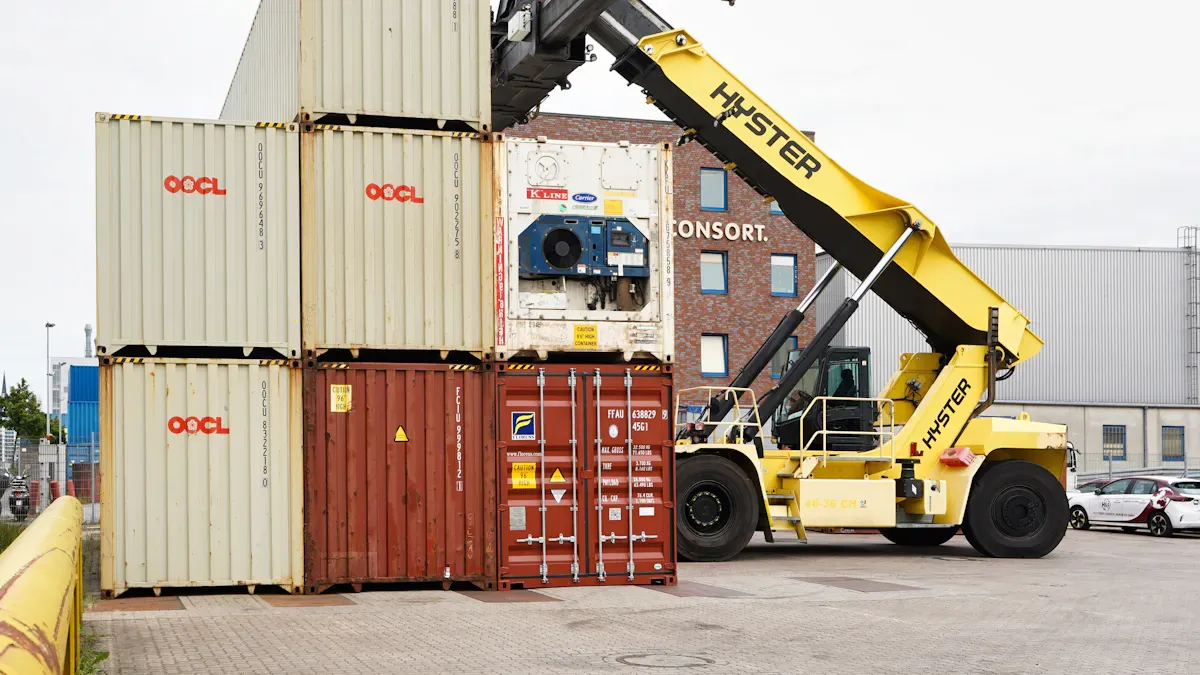
You can make your port safer with anti-sway and safety systems. These systems help control heavy loads on cranes. They work on portal cranes, container cranes, and ship cranes. Anti-sway technology keeps containers steady in strong wind or fast crane moves. This lowers the chance of accidents. It also helps you put containers in the right spot.
-
Anti-sway systems change speed and movement to keep loads steady.
-
Smart controllers use special math to guess and fix sway.
-
New crane designs lower inertia, so cranes react faster and are safer.
These features help you work faster and have less downtime. They also help the environment by stopping spills and damage from accidents.
Optimizing container handling capacity and workflows
You can handle more containers by making your workflows better. Double container handling lets you move two containers at once. This saves time and makes machines work better. It also means machines travel less, so you use less fuel and save money.
-
Double container handling makes work faster and lets you move more.
-
You can stack containers higher, which saves space and boosts capacity by up to 20%.
-
Keeping trucks and equipment apart makes the yard safer and smoother.
Using these ideas helps you move containers faster and run things better. You also help the planet by using resources well and making less waste.
Reducing empty container repositioning
You can save money by moving empty containers less. If you know where every container is, you can plan better. This stops you from moving empty containers too much. You can also use forecasts to guess where containers will be needed.
-
Better tracking helps you watch containers and control spending.
-
Linking tracking with money systems shows you what you spend.
-
Just-in-time planning means you only move containers when needed.
When you move empty containers less, you spend less money. Empty container handlers and storage can be over 12% of your costs. Good management can save $5 to $7 billion each year. This also helps the planet by using less fuel and making less pollution.
Enhancing sustainability in port operations
You can make your port greener with energy-saving tech and smart systems. Many ports now use electric or hydrogen cranes instead of diesel. These changes cut emissions and help meet world goals for the environment.
|
Contribution of Port Actions |
|
|---|---|
|
Goal 3 |
Cleaner air helps workers and people stay healthy. |
|
Goal 9 |
New tech and fuels make ports better and smarter. |
|
Goal 11 |
Greener ports help cities be more sustainable. |
|
Goal 13 |
Lower emissions help fight climate change. |
|
Goal 14 |
Less pollution protects sea life. |
|
Goal 15 |
Cleaner air keeps land and plants safe. |
Using steel containers helps the environment because they last longer. This supports a circular economy. Smart tech makes moving containers easier and cuts pollution. When you care about the planet, you show customers and partners you want a better future.
Case studies: CEGC technical solutions in action
CEGC has helped many ports work better and be greener with custom solutions. One port used CEGC’s gantry crane with anti-sway and safety controls. This made load sway less and made container moves 15% faster. The port also used double container handling, which made machines work better and let them stack higher. This gave the port a 20% boost in how many containers it could handle.
Another port switched to electric ship loaders and reach stacker forklifts from CEGC. This saved fuel and cut emissions, helping the port meet tough green rules. Predictive maintenance systems cut downtime by 25%. This kept work going and lowered empty travel waste.
Tip: You can get results like this by working with CEGC to make your equipment fit your needs. Use green practices and new tech to help the planet and make your work better.
You can make your port work better and save money with smart container handling equipment. This also helps the environment. Look at the table below to see how things can improve:
|
Improvement Area |
Efficiency Gain |
Cost Savings |
Sustainability Impact |
|---|---|---|---|
|
Container throughput increase |
N/A |
N/A |
|
|
Reduction in labor costs |
N/A |
Up to 20% |
N/A |
|
Reduction in manual labor costs |
20% |
N/A |
N/A |
|
Reduction in unplanned downtime |
25% |
N/A |
N/A |
|
Reduction in carbon footprint |
N/A |
N/A |
10–15% |
-
Predictive maintenance stops machines from breaking down. This keeps your port working well.
-
Automation and new tools help you do more work with less effort. This means you pay less for workers.
-
Check how your port works, track results, and use a good plan to get the best outcome.
-
You can talk to CEGC to find the right solutions for your port.
FAQ
What is container pooling and how does it help ports?
Container pooling means companies share containers with each other. This helps ports because there are fewer empty moves. It also saves money for everyone.
How can container sharing improve efficiency?
Container sharing lets many users use the same containers. This means fewer containers sit around doing nothing. Equipment gets used more, so work is faster.
Why do ports need dedicated empty container yards and container tracking technologies?
Ports need special yards to keep empty containers in order. They use tracking technology to know where containers are at all times. This helps stop waste and keeps things organized.


