
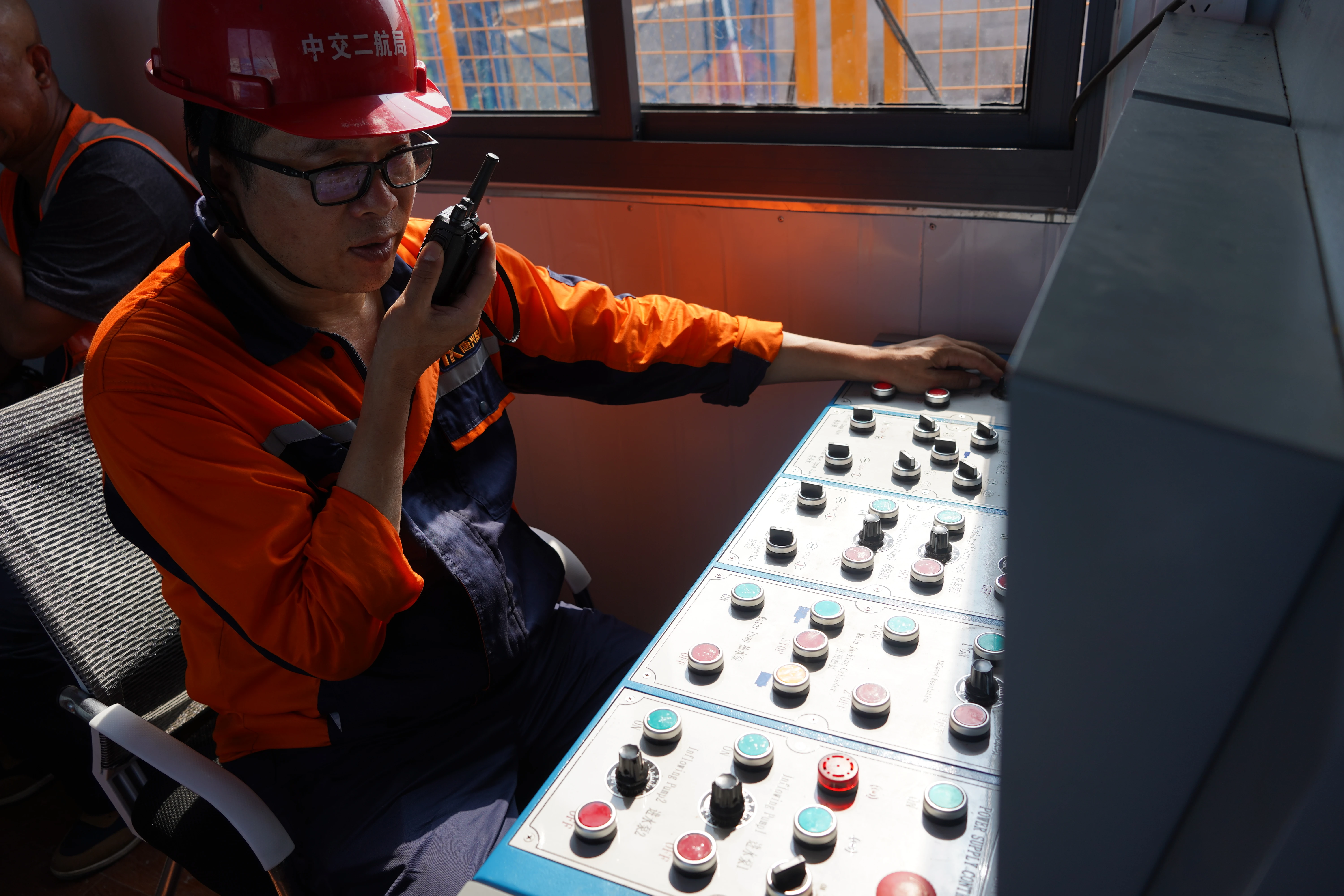
You can see how micro tunneling anti-adhesion reduces jacking surges, effectively keeping pipe jacking friction low. CEGC provides tunnel machine solutions tailored for urban projects, addressing challenges like ground settlement and cutterhead wear. Their machines feature modular designs, allowing them to adapt to various ground conditions while minimizing surface disruption.
|
Customization |
Geological Adaptability |
Surface Disruption Minimization |
|---|---|---|
|
Switch modules for each job |
Work in different ground types |
Micro tunneling anti-adhesion reduces jacking surges and makes less mess in busy places |
Key Takeaways
-
Micro tunneling anti-adhesion helps stop jacking surges. It keeps pipe jacking friction low. This makes the project work better and faster.
-
Using bentonite and thixotropic slurries can lower friction a lot. These also help stop leaks and make the project safer.
-
CEGC's tunnel machines can be changed to fit different ground types. This makes tunneling safer and quicker for everyone.
Jacking Surges And Pipe Jacking Friction
What Causes Jacking Surges
Jacking surges can happen a lot in pipe jacking jobs. These surges slow down work and make it cost more. Many things can cause these surges:
-
Soil can change and make the jacking force go up or down fast.
-
Wet or dry ground changes how hard the tunnel machine works.
-
Not enough lubrication makes more friction and more surges.
Ground settlement is also important in pipe jacking. If you do not control the tunnel face pressure, the ground above can sink. This can cause delays and make things unsafe. Face instability is another problem. Hard ground can make the tunnel face weak and slow things down. Water can get in and make the ground soft, especially in sand or silty clay. This makes the tunnel less steady and you need more force to push the pipes. When these things happen, you need more power to move the pipes, so you get more jacking surges.
Pipe-Soil Adhesion In Micro Tunneling
Pipe-soil adhesion is a big reason for high friction in pipe jacking. When soil sticks to the pipe, you need more force to move it. This can cause jacking surges and slow down your work. You can use anti-adhesion steps to lower this friction. Studies show that thixotropic slurries and bentonite additives help reduce pipe-soil friction. Grouting also helps make pipe jacking work better.
|
Study Title |
Findings |
|---|---|
|
Experimental Study on the Effect of Hydroxyethyl Cellulose on the Friction-Reducing Performance of Thixotropic Slurries in Pipe |
Thixotropic slurries lower pipe-soil friction in microtunneling. |
|
Research and Application of Drag Reduction by Grouting the Pipe Jacking in Complex Conditions |
Grouting cuts drag and helps pipe jacking work better. |
|
Effect of Bentonite Slurry Pressure on Interface Friction of Pipe Jacking |
Slurry pressure changes pipe-soil friction. |
|
Experimental Investigation of the Lubricant Effect of Thixotropic Slurry on Pipe-Soil Interfacial Friction Characteristics |
Thixotropic slurries lower friction and improve performance. |
CEGC has TBM and Microtunnelling Machine solutions to help with these problems. You can pick custom options for your site. These machines work in different ground types, water levels, and tunneling ways. You get better speed, safety, and trust for your pipe jacking jobs.
Micro Tunneling Anti-Adhesion Reduces Jacking Surges
Lubrication And Soil Conditioning Methods
Micro tunneling anti-adhesion helps stop jacking surges. It uses special lubrication and soil conditioning methods. Lubrication puts a slippery layer between the pipe and soil. This layer makes the pipe move easier and needs less force. You can use bentonite-based lubricants, polymers, or foams as friction reducing agents. These materials help control pipe-soil adhesion and keep your project going.
Soil conditioning is also important. You can use permeation pretreatment, soil-mixing, or compaction grouting to make the ground stable. Grouting makes a slurry jacket around the pipe. This jacket acts as a friction reducing agent and stops water from leaking. Setting intermediate jacking stations and using lubricating materials like paraffin help manage jacking surges. The table below shows how these solutions work:
|
Solution Type |
Description |
|---|---|
|
Foams |
Change soft ground properties and help TBM move faster in mixed conditions. |
|
Polymers |
Make ground less sticky, help mixing, and keep ground steady during digging. |
|
Additives |
Include products like cutter cleaners and friction reducers to help TBM work better. |
These methods give you better lubrication and lower water inrush risks. They also improve anti-seepage performance, which is important for city microtunneling jobs. CEGC’s tunnel machines have closed-mode face support and a soil conditioning interface. These features help keep the tunnel face steady and cut downtime.
-
Lubrication makes a bentonite layer that lets the pipe float and lowers friction.
-
Annular fill with grout keeps the pipe steady and stops high soil pressure.
-
Good mixing and grout quality are important for strong lubrication and anti-seepage.
Cutterhead Power And Clay Adhesion Control
You need to control cutterhead power and clay adhesion for your microtunneling job. Micro tunneling anti-adhesion stops jacking surges by using the right cutterhead design and torque settings. You can use spoke-type cutterheads with a 37% opening ratio for mixed ground. This design helps manage wear and keeps the cutterhead clean.
Keep the cutterhead rotation low, about 1.5 rpm. This speed makes less ground disturbance and helps with precision tunneling. High torque settings let you cut soft ground faster. You can add foam as a friction reducing agent to lower viscosity and stop clogging in sticky layers. Independent foam injection points help the cutterhead wear evenly.
-
Use high torque to dig soft ground better.
-
Add foam to stop clogging and improve anti-seepage.
-
Keep rotation low for less surface settlement and better precision.
CEGC’s TBM tunnel boring machine and Microtunnelling Machine solutions help with torque tuning and cutterhead optimization. These features cut downtime, improve advance rates, and lower groundwater inrush risks. You get more reliable performance tests and better results in tough soils.
Bentonite And Thixotropic Slurry Solutions
Bentonite and thixotropic slurry solutions are great friction reducing agents for micro tunneling anti-adhesion. These slurries make a smooth, stable layer between the pipe and soil. You see big drops in friction and jacking surges when you use them. The table below shows how much friction you can cut with bentonite and thixotropic slurry:
|
Parameter |
Result |
|---|---|
|
33% |
|
|
Friction Reduction (increased jacking length) |
>52% |
|
Maximum Friction Reduction (optimized slurry) |
62.3% |
|
Reduction in hydraulic equipment burden |
Yes |
Bentonite-based lubricants make anti-seepage better by forming a filter cake membrane. This membrane blocks water and keeps the tunnel face steady. Viscosity modifiers in the slurry raise yield stress, which builds a strong mud cake. You get better sealing and less risk of water inrush.
You can use bentonite as a friction reducing agent for short and long drives. It works well in both low and high permeability grounds. The slurry makes a penetration zone that moves pressure to the soil skeleton, making an impermeable layer. This process helps precision tunneling and keeps your project safe.
-
Bentonite and thixotropic slurries lower friction and make anti-seepage better.
-
You can change the mix for different soils, which helps with optimization and precision.
-
These solutions lower the load on hydraulic equipment and cut maintenance needs.
CEGC’s closed-mode face support and sealing architecture use bentonite and thixotropic slurries for stable operations. You get less downtime, faster advance rates, and fewer surprises in microtunneling jobs. Micro tunneling anti-adhesion stops jacking surges, so you finish your project on time and within budget.
Tip: Always test your friction reducing agent mix and adjust it for the best results. Testing and optimization help your tunnel machine work well and keep anti-seepage strong.
Micro tunneling anti-adhesion stops jacking surges by using lubrication, bentonite, and friction reducing agent strategies. You can trust CEGC’s TBM machine and Microtunnelling Machine solutions for reliable, precise tunneling in any ground.
You can see that micro tunneling anti-adhesion helps keep jacking surges low. This makes your project more likely to succeed. CEGC’s tunnel machine solutions give you better control and let you make changes right away. They also help your team work faster and better.
|
Feature |
|
|---|---|
|
Precision |
You make fewer mistakes and stay on schedule. |
|
Real-time adjustments |
You can fix problems as soon as they happen. |
|
Operational efficiency |
Your project moves faster and has fewer delays. |
When tunneling is steady, you do not need as many repairs. This means you spend less money and finish your work sooner.
FAQ
What is micro pipe jacking and how does it help reduce friction?
You use micro pipe jacking to install pipes underground. This method helps you control friction. You can add a friction reducer to make the process smoother and safer.
Why do you need a friction reducer in micro pipe jacking?
You need a friction reducer because friction can slow down your project. A friction reducer lowers friction between the pipe and soil. This helps you finish micro pipe jacking faster.
How do you choose the right friction reducer for micro pipe jacking?
You look at soil type and project needs. Some friction reducers work better in clay. Others help more in sandy soil. You test different friction reducers for best results.


