
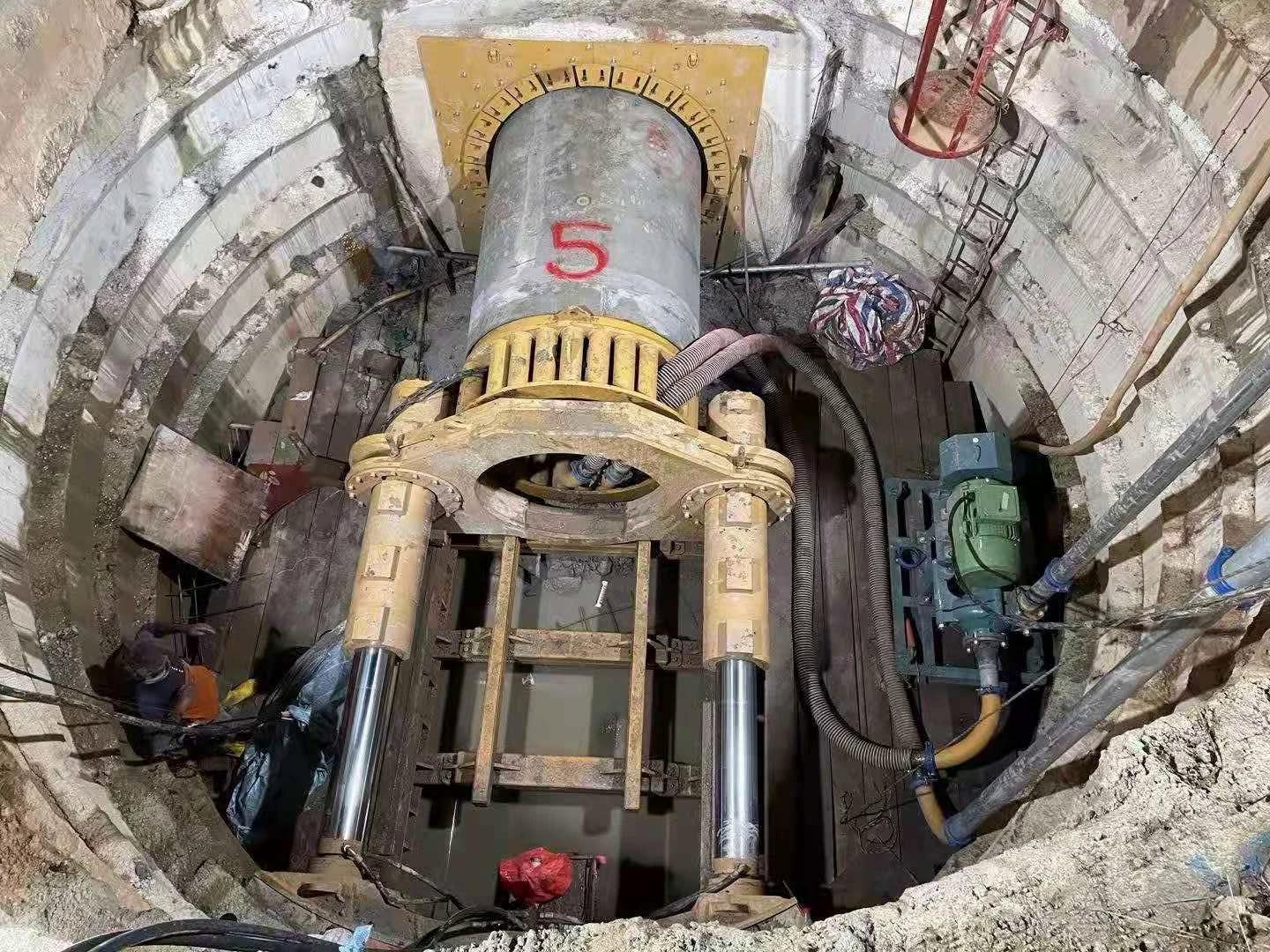
To ensure your tunneling project runs smoothly, micro tunneling stability reduces jacking friction swings and keeps operations efficient. Maintaining steady jacking friction is essential for optimal tunnel machine performance, leading to significant time and cost savings. Factors such as slurry pressure, lubrication, cutterhead design, and ground conditions all play a role in achieving this stability and controlling friction. The table below highlights how different ground types—clay, sand, gravel, and rock—impact jacking friction. CEGC provides advanced TBM tunnel boring machine and microtunnelling machine solutions designed to deliver micro tunneling stability, reducing jacking friction swings for reliable and stable tunneling.
|
Ground Condition |
Impact on Jacking Friction |
|---|---|
|
Clay |
Can raise friction because of plasticity and stickiness. |
|
Sand |
Usually has less friction, but it changes with moisture. |
|
Gravel |
Has medium friction, based on particle size and packing. |
|
Rock |
Has high friction, and needs more force for jacking. |
Key Takeaways
-
Micro tunneling stability is very important. It helps lower jacking friction swings. This makes work smoother and saves money.
-
Pay attention to slurry pressure, lubrication, and alignment. These help control jacking friction well. They also stop project delays.
-
Watching your tunnel machine in real time helps a lot. You can make fast changes. This keeps progress steady and lowers risks.
Jacking Friction Swings in Microtunneling
What Are Jacking Friction Swings
Jacking friction swings mean the resistance changes when you push a pipe or tunnel segment through the ground. These swings happen because soil, moisture, and lubrication can change as the tunnel goes forward. When friction gets higher, the tunnel machine needs more force to keep moving. If friction gets lower, the machine moves forward more easily. It is important to watch these swings because they affect how much power your tunnel boring machine uses and how fast it works.
Tip: Checking friction levels helps you know when your tunnel machine might slow down or speed up. This lets you plan ahead and avoid sudden stops.
Impact on Tunnel Machine Operations
Jacking friction swings can cause trouble for tunnel machine operations, especially in city microtunneling projects. If friction gets too high, you might damage the pipe or make the ground move above the tunnel. Cities have strict rules about ground movement. Any surface movement can cause complaints or project delays. Unstable ground makes it harder to keep the tunnel path straight and safe.
Studies show friction along the pipeline surface is a big part of the total jacking force needed to move the microtunneling shield forward. You need to know the soil conditions and use good lubrication to control these forces. The length of pipe jacking depends on how hard it is to push through and the strength of the materials. These things are very important for tunnel boring machine performance in cities. When you focus on micro tunneling stability reduces jacking friction swings, you help your project stay on track and avoid expensive risks.
micro tunneling stability reduces jacking friction swings
Stability Factors: Slurry, Lubrication, Alignment
You can manage jacking friction swings by focusing on three things: slurry pressure, lubrication, and tunnel alignment. Slurry pressure keeps the tunnel face from falling in. When you use the right pressure, soil does not fall into the tunnel. This helps the tunnel machine move forward without problems. Lubrication is important, too. You need to use bentonite or other lubricants to make the pipe slide easier. Good lubrication means you do not need as much force to push the pipe. This also helps your equipment last longer.
Alignment is also key. If your tunnel boring machine stays on the right path, friction does not change suddenly. Small steering mistakes can make the pipe rub against the ground. This makes the jacking force go up and down. You can use guidance systems to keep the tunnel straight and avoid these swings.
CEGC has advanced solutions for these problems. The closed-mode face support design keeps the tunnel face safe, even in soft or wet ground. Soil conditioning and muck transport systems help you move dirt out, so the tunnel stays open. Sealing and pressure retention features stop leaks and keep the right pressure inside. Guidance systems help you steer the tunnel machine very accurately, so you do not have alignment issues.
How Stability Controls Friction Variability
When the tunnel is stable, you control how much jacking friction changes. Micro tunneling stability reduces jacking friction swings by stopping the tunnel face from falling in and keeping the pipe from getting stuck. You will see the benefits in your project schedule and budget. If you use stability steps, you can find and fix ground problems early. This helps you avoid delays and extra costs.
You can check the market-standard specifications for TBM and microtunnelling machines to see what helps with friction and stability:
|
Specification |
Description |
|---|---|
|
Full Face Closure |
Lets you close the tunnel face to keep soil and water out. |
|
Seals |
Stops lubricant from leaking, so friction stays low. |
|
Roll Correction |
Lets you fix the tunnel machine’s roll to stay on the right path. |
|
Adverse Conditions |
Handles tough ground and water, so you keep working safely. |
|
Visual Display |
Shows where the tunnel machine is compared to your plan. |
|
Slurry System |
Balances soil and water pressure to keep the tunnel face stable. |
|
Remote Control |
Lets you run the machine from outside and see real-time data. |
|
Active Direction Control |
Helps you steer and keep the tunnel on grade. |
You can also change your tunnel boring machine to fit your project. Here are some options you might use:
|
Evidence Description |
Purpose |
|---|---|
|
Keeps the machine stable and in the right spot. |
|
|
Optimize how you move forward and backfill. |
Reduces ground movement and keeps the tunnel steady. |
|
Avoid sharp turns and keep the tunnel axis steady. |
Stops misalignment and friction swings. |
|
Adjust for changes in ground and machine performance. |
Lets you make quick fixes for stability. |
|
Monitor bentonite quality and slurry settings. |
Supports the tunnel face and lowers collapse risk. |
|
Break up big pieces of soil. |
Stops blockages and keeps friction low. |
|
Increase pressure and density in the chamber slowly. |
Balances outside pressure and keeps the face stable. |
|
Control slurry pressure and volume. |
Stops collapse and keeps the tunnel steady. |
When you use these features and options, you see that micro tunneling stability reduces jacking friction swings. You get smoother work, fewer stops, and less risk. Your project finishes faster and costs less because you avoid big problems before they start. CEGC’s tunnel boring machine and microtunnelling machine solutions meet market standards and let you change things for your ground and project needs.
Tip: Always check your machine’s real-time data and change settings as you go. This helps you keep the tunnel stable and the jacking friction steady.
Enhancing Microtunneling Stability
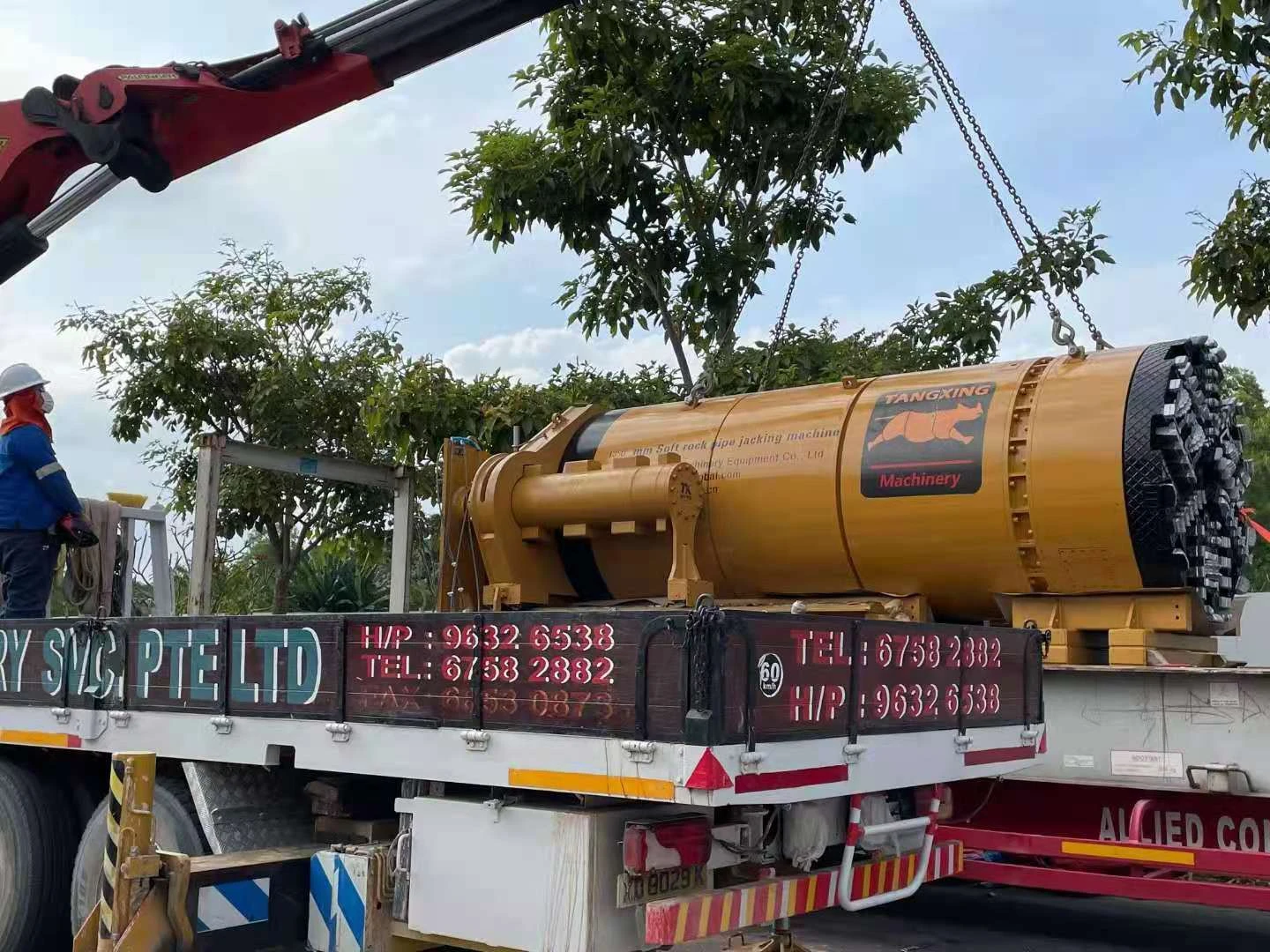
Tunnel Alignment and Guidance
Advanced guidance systems help keep the tunnel boring machine on track. These systems use real-time steering and survey controls. This stops sudden direction changes. The tunnel stays straight and friction swings are less. CEGC’s guidance system meets market standards. Ground displacement modeling can show how soil moves during pipe jacking. This helps you plan for soil changes and keeps the tunnel stable.
|
Method |
Description |
|---|---|
|
Ground Displacement Modeling |
Shows how ground moves during pipe jacking. It helps you avoid sudden shifts in cities. |
|
Watches ground deformation and gives real-time data about soil and structure. |
Lubrication and Soil Conditioning
Using the right lubrication lowers friction and keeps the tunnel stable. Good lubrication makes the pipe move smoothly. The amount of lubricant matters, especially after jacking stops. Soil conditioning is important too. You can use thixotropic mud or special lubricants to lower friction resistance. This stops jacking problems and protects pipes and walls.
|
Aspect |
Description |
|---|---|
|
Soil Conditioning Method |
Use lubricants and thixotropic mud to lower friction resistance. |
|
Impact on Friction |
Makes friction less during pipe jacking. |
|
Consequences of High Friction |
Can cause jacking trouble and damage pipes or walls. |
Real-Time Monitoring and Adjustments
You should always watch your tunnel machine as it works. Sensors and visual displays track alignment, pressure, and lubrication. This lets you fix problems fast before they get worse. CEGC’s modular design makes equipment easy to check and fix. You can do daily inspections and preventive maintenance. This keeps your project moving. Having spare parts ready helps you avoid long delays.
Tip: Micro tunneling stability reduces jacking friction swings when you use guidance, lubrication, and real-time monitoring together. You get safer, faster, and more reliable results with CEGC’s project support package.
You get steady and lower jacking friction when you have micro tunneling stability. This makes your project safer and helps it finish faster.
-
The friction at the interface changes with the type of soil and how much lubrication you use.
-
Changing your tunnel boring machine for your project can make it safer and help it go faster.
-
Watching your tunnel in real time helps you keep it going the right way.
Pick CEGC if you want solutions that you can trust and change for your needs.
FAQ
What causes jacking friction swings in microtunneling?
Jacking friction swings happen when soil, moisture, or lubrication changes. These things make the tunnel machine push harder or move easier as it goes forward.
How does CEGC help reduce jacking friction swings?
-
CEGC uses closed-mode face support, soil conditioning, and guidance systems.
-
These tools keep the tunnel steady and help lower friction swings.
Why is real-time monitoring important for microtunneling stability?
|
Benefit |
Result |
|---|---|
|
Real-time data |
You find problems early. |
|
Quick adjustments |
You keep friction steady. |


