
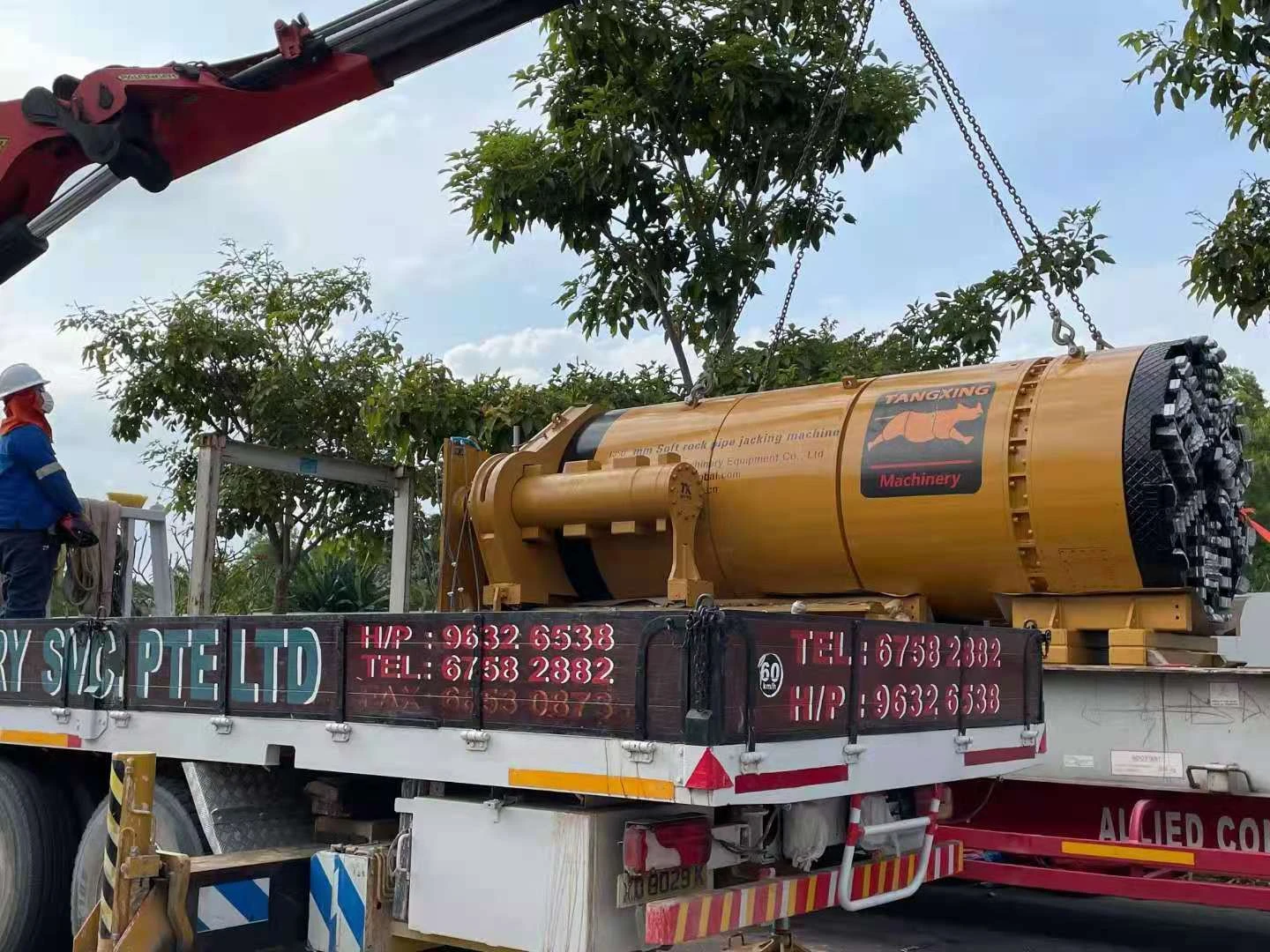
Stable pressure supports TBM tunnel face control, ensuring safety and optimal results throughout your tunneling project. When operating a tunnel boring machine in mixed ground conditions, challenges such as ground settlement, face instability, or water ingress can arise. CEGC provides advanced TBM solutions specifically designed to manage tunnel face pressure effectively. With CEGC, stable pressure supports TBM tunnel face control, keeping your tunnel secure and your project on track.
Key Takeaways
-
Stable pressure is very important to keep the tunnel face safe. It also stops the ground from moving when making tunnels.
-
Using the correct pressure support system for the ground helps keep people safe. It also makes tunnel work faster and better.
-
Checking the pressure often and training workers is needed to keep pressure stable. This helps make sure tunneling goes well.
The Role of Stable Pressure in TBM Tunnel Face Control
Why Tunnel Face Pressure Matters
It is important to keep the tunnel face steady at all times. When you use a tunnel boring machine or microtunnelling machine, you need to use the right pressure. This pressure keeps the ground from falling in and stops water from coming inside. In soft soil or places with lots of groundwater, stable pressure supports TBM tunnel face control and keeps everyone safe. If you do not control the pressure, the ground can sink, the face can fall, or water can leak in. These problems can stop your work and hurt things above the tunnel. For microtunnelling, you must balance earth and groundwater pressure to keep the face steady.
How TBM Maintains Face Stability
Advanced TBM systems help keep the tunnel face stable. CEGC’s closed-mode face support design uses steady pressure to hold up the tunnel face. This design meets market rules and helps stop ground movement or bumps on the surface. Modern TBMs have smart control systems so you can change pressure for different soils. Variable Density TBMs can change support modes if the ground changes.
You also need to know the technical limits for face pressure. The table below shows the main pressure limits:
|
Pressure Limit Type |
Description |
|---|---|
|
Lower Support Pressure Limit |
Makes sure there is enough force to balance earth and groundwater pressures and keep the tunnel face steady. |
|
Upper Support Pressure Limit |
Set to stop the overburden from breaking or the support medium from blowing out, and must be less than 90% of the total vertical stress at the tunnel crown. |
When you plan a shallow tunnel, you must check many things. These include the type of soil, the size of the tunnel, and how deep it is. You can use math or computer methods to find the right pressure for digging. Stable pressure supports TBM tunnel face control by keeping the tunnel safe and the digging smooth.
Mechanisms, Benefits, and Risks of Tunnel Boring Machine Face Pressure
Pressure Support Systems in TBM
You need to know how pressure support systems work in a tunnel boring machine. These systems help keep the tunnel face steady while digging. There are two main types: earth pressure balance (EPB) and slurry shield systems. Each system uses its own way to support the tunnel face and control the ground.
Here is a table that explains how these systems work:
|
Mechanism |
Description |
|---|---|
|
Supporting Pressure |
You add pressure to the tunnel face so it does not fall in while digging. |
|
Control of Screw Speed |
In EPB, you change the screw speed to control the pressure. |
|
Chamber Pressure Management |
In slurry shields, you change the chamber pressure to keep things steady. |
|
Kinematic and Limit Analysis |
You use these methods to find the right pressure for each situation. |
You also need to think about the ground and water around the tunnel. Water can move through the ground and change the pressure you need. Different soils, like sand or clay, need different support. Slurry shield systems let you control pressure very well, sometimes as close as ±0.1 bar. EPB systems are good for soft ground, but slurry shields use less energy in rough sand.
Tip: Always pick the right pressure support system for the ground you are working in to get the best results.
Benefits of Stable Pressure Support
When you keep stable pressure in your TBM, you get many good things. Your project is safer and the ground above the tunnel is protected. You also make the digging better and have fewer problems.
Here are the main benefits:
-
You stop the ground from sinking. Stable pressure supports TBM tunnel face control and keeps buildings and roads safe above the tunnel.
-
You stop sinkholes from forming. Good support keeps the ground from falling in.
-
You keep your TBM from sinking. Stable support helps your machine stay on track.
-
You lower the chance of collapse. Strong lining and steady pressure protect workers and machines.
-
You get better digging quality. EPB machines use the soil they dig out to help support the tunnel face, which makes the digging smoother and keeps the ground from moving too much.
You also need to take care of your machines. If you keep your systems in good shape, you can control face pressure and stop accidents. You should always check the ground and change the pressure if you need to.
Risks of Unstable Pressure
If you do not keep the pressure steady, you can have many problems. Unstable pressure can cause big trouble for your tunnel project.
Here is a table that shows the main risks:
|
Risk Type |
Description |
|---|---|
|
Major loss of ground |
Unstable pressure can make the ground fall away, especially in mixed soils. |
|
Loss of slurry/foam to the surface |
Pressure changes can push slurry or foam out, which hurts your project. |
|
Sinkholes |
If you do not adjust pressure, sinkholes can form above the tunnel. |
|
Inundation of the tunnel |
Sudden changes in ground or water can flood the tunnel if you do not control pressure. |
You can also have project delays if you do not control pressure well. Water can leak into the tunnel, and sand can wear away the tunnel face. This can stop your work and cause damage. Studies show that when water levels change, you need to add more support pressure to keep the tunnel face steady.
You can use CEGC’s technical solutions to help you avoid these problems. Soil conditioning with foams and polymers makes the ground easier to handle. Sealing and pressure holding designs stop leaks and keep your TBM steady. These ways help you keep the right pressure and finish your digging safely.
Note: Always use the right soil conditioning and sealing for your project. This helps you keep stable pressure and avoid expensive problems.
Best Practices for Stable Pressure Supports TBM Tunnel Face Control

Monitoring and Control Technologies
You need the right tools to keep your tunnel boring machine safe. Modern TBM systems use sensors and software to watch face pressure, thrust, and speed. These systems show changes right away so you can act fast. Always check pressure at different spots in the chamber. This helps you find problems early and keep the tunnel face steady. With a microtunnelling machine, you set earth balancing pressure and measure it at the face. This keeps the whole area supported all the time.
Operator Guidelines and Customization
You must follow clear steps to adjust face pressure for each job. Here are some important steps:
-
Set EPB operating rules based on ground for safety and efficiency.
-
Watch face pressure at different heights in the chamber.
-
Use different face pressures for changing ground or tunnel shapes.
-
Write down real pressures during digging to match your plan.
-
Avoid low pressures that cause ground problems and high pressures that risk blowouts.
Operator training is very important. Training programs teach equipment use, monitoring, emergency response, teamwork, and practice with simulations. These programs help you handle any situation while digging.
|
Training Component |
Description |
|---|---|
|
Equipment Operation |
Learn how to use TBM systems and controls. |
|
Monitoring and Interpretation |
Understand process data for better decisions. |
|
Emergency Response |
Know what to do if something goes wrong. |
|
Teamwork |
Work well with others on the project. |
|
Simulation Practice |
Practice real scenarios safely. |
CEGC Solutions for TBM and Microtunnelling Machine
CEGC gives market-standard rules for face pressure control. You can make tunneling better by using data to stop overdigging or instability. Monitoring systems help you keep digging fast and safe. CEGC also offers custom solutions for pressure range, sealing, and soil conditioning. This helps you solve problems like space limits, changing ground, and logistics. With CEGC, stable pressure supports TBM tunnel face control and keeps your digging safe and efficient.
Keeping stable pressure helps keep the tunnel face safe. It also helps your project go well. Workers stay safe, and the ground does not sink. This makes the work more reliable. Look at these important things:
|
Key Parameter |
Description |
|---|---|
|
Face Pressure Range |
Helps stop ground from moving and keeps tunnel strong. |
-
Check the ground before you start.
-
Ask experts to look at your plans.
-
Plan safety checks often.
Pick CEGC tunnel machines for the best results.
FAQ
What is the main benefit of stable pressure in TBM tunnel face control?
Stable pressure keeps the tunnel face safe. It helps stop ground from moving. This protects important things above and below the tunnel.
How does TBM face pressure help urban infrastructure projects?
Stable pressure keeps city roads and buildings safe. It stops the ground from sinking. This means streets and buildings stay strong during tunneling.
Why should you choose CEGC tunnel machines for infrastructure work?
CEGC machines work well for big projects. They keep pressure steady. This helps you finish your work safely and on time.
How does stable pressure support long-term infrastructure reliability?
Stable pressure keeps things strong for many years. It lowers risks and helps tunnels and buildings last longer.
Can stable pressure reduce costs for infrastructure projects?
Stable pressure saves money on repairs. It stops damage, so you do not need to fix things after tunneling.
What role does monitoring play in infrastructure safety?
Sensors and data help watch the pressure. This keeps everything safe while you dig the tunnel.
How does operator training improve infrastructure outcomes?
Training helps workers keep pressure steady. Skilled workers protect tunnels and help the project go well.
Why is pressure customization important for infrastructure projects?
Custom pressure settings fit each job. This helps you handle different soils and keeps everything safe.
How does soil conditioning help infrastructure protection?
Soil conditioning makes the ground easier to dig. This keeps tunnels and buildings safe during the work.
What makes CEGC solutions ideal for infrastructure projects?
CEGC machines give steady pressure and smart tools. They also have custom choices to keep projects safe.
How does stable pressure support future infrastructure growth?
Stable pressure keeps tunnels safe for new projects. This lets you build more things in the future without worry.


