
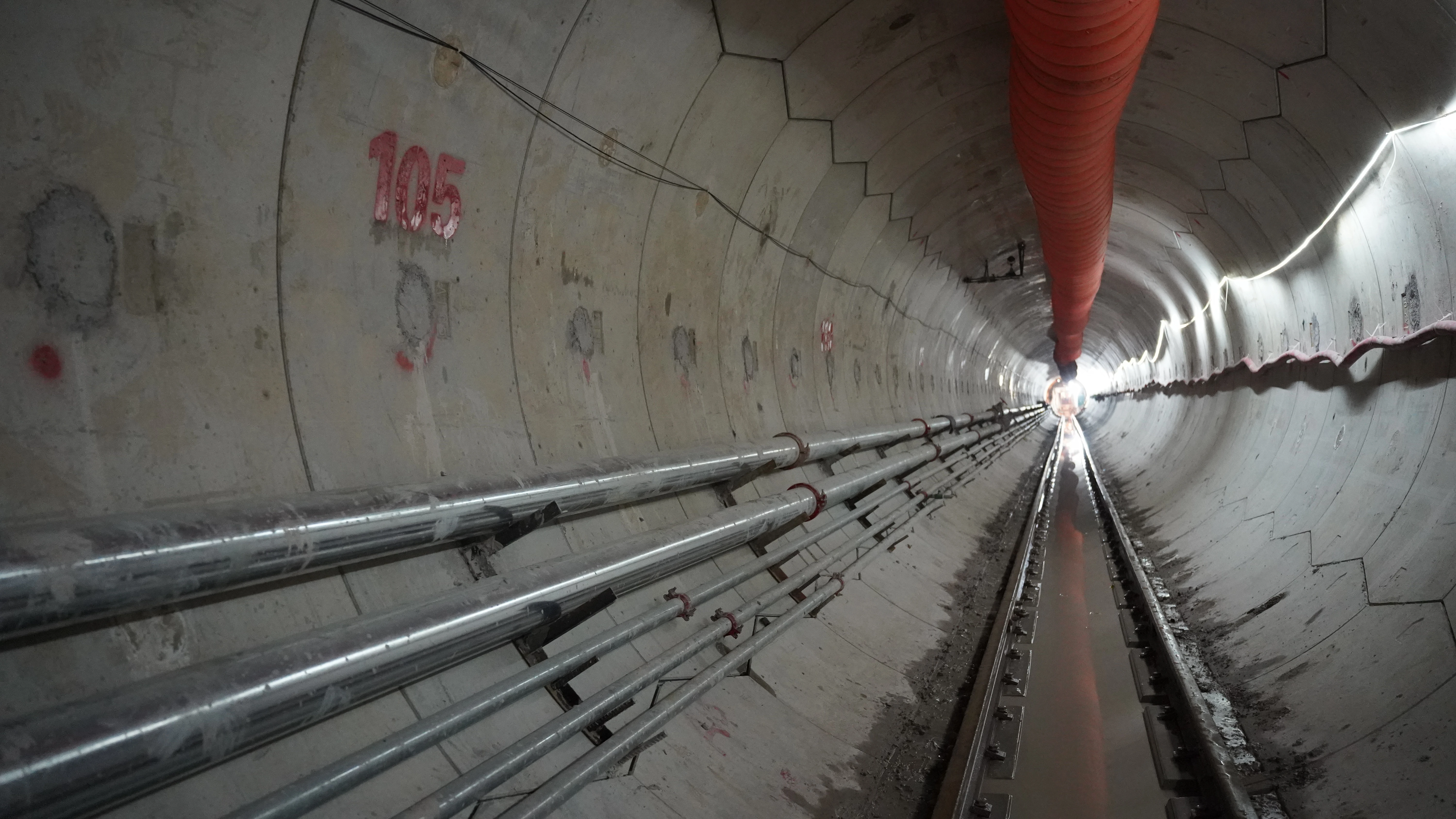
With micro tunneling anti-jam planning, restart failures are significantly reduced, ensuring smoother operations. When you use adaptive systems with low delay, your tunnel machine performs at its best. Satellite-based accuracy augmentation systems, along with differential GNSS and real-time kinematics, further enhance your tunnel machine’s precision. CEGC provides reliable solutions that incorporate micro tunneling anti-jam planning, making underground construction safer and more efficient.
Key Takeaways
-
Micro tunneling anti-jam planning stops jams. This keeps your tunnel machine working well. It also lowers expensive restart failures.
-
Real-time monitoring and adaptive systems help spot jams early. This lets workers act fast and keeps the project moving.
-
Good training and backup plans for operators keep everyone safe. They also help people get ready for problems. This cuts down on lost time and makes the project more reliable.
micro tunneling anti-jam planning reduces restart failures
what is anti-jam planning?
It is important to know about anti-jam planning if you want your micro tunneling project to go well. Anti-jam planning helps your tunnel machine not get stuck underground. You use special designs and smart ideas to stop jams before they happen. For example, you pick hard rock cutting wheels and strong tools to cut through tough dirt. You also use an anti-roll unit with grippers. These grippers help the machine push forward with a lot of power. The main bearing and drive system send power to the cutterhead and handle heavy work. Steering cylinders help you guide the machine through tricky ground and keep it moving, even when water pushes back. Micro tunneling anti-jam planning reduces restart failures by making sure your equipment can handle any problem underground.
why jams cause restart failures
Jamming happens when your tunnel machine cannot move ahead. This can stop your project and make you wait a long time. When a jam happens, you have to stop the machine and fix it. Restarting is not always simple. Sometimes, the machine gets stuck so much that you must pull it out or dig down to reach it. This takes a lot of time and costs more money. Micro tunneling anti-jam planning reduces restart failures because it helps you avoid these problems. If you plan before, you can keep your machine moving and finish your project on time. You do not want restart failures because they slow down your work and make your project less reliable. Jamming can break your equipment and put your team in danger. That is why you need a good plan to stop jams before they start.
importance for tunnel machine operations
Micro tunneling anti-jam planning reduces restart failures and keeps your tunnel machine working safely. You want your machine to keep running without stopping. This helps you finish your job faster and save money. When you use anti-jam planning, you protect your equipment from breaking. You also keep your workers safe because you do not need to dig down to fix a jam. Micro tunneling anti-jam planning reduces restart failures by making your whole project more reliable. You can trust your machine to do its job, even in tough ground. CEGC gives you the tools and help you need to do well. You can see the different skills and products in the table below:
|
Expertise/Service |
Description |
|---|---|
|
Tunnel Machines |
Special design and building of equipment for tunneling projects. |
|
Microtunnelling Machines |
Custom solutions for microtunnelling needs. |
|
Trenchless Engineering Support |
Full support for HDD, pipe jacking, and microtunnelling projects. |
|
Technical Consulting Services |
Project planning, picking equipment, checking the ground, and making work better. |
|
Good drilling equipment with expert help. |
|
|
Pipe Jacking Equipment |
Top manufacturing of complete pipe jacking solutions. |
You can count on CEGC for every part of your micro tunneling project. Micro tunneling anti-jam planning reduces restart failures and helps you finish your work with confidence.
anti-jam strategies and key components
adaptive and low-latency methods
You need smart and fast methods to keep your tunnel machine moving. Adaptive systems help you react quickly if jamming starts. These systems use smart technology to guess when a jam might happen. Machine learning can watch how your tunnel boring machine works and find risks early. The Combined Jamming Risk scoring system gives you warnings before jams happen. This helps you act fast and stop restart failures.
|
Technological Advancement |
Impact on Response Times |
|---|---|
|
Machine Learning Techniques |
Better at guessing how the TBM will work and if it might jam, so you can watch in real time and get warnings early. |
|
Combined Jamming Risk (CJR) Scoring System |
Gives you warnings before the TBM gets stuck, so you can react faster to jams. |
You also need your system to react right away if there is trouble. Fast action keeps your tunnel machine safe and working well. You can use backup systems so your machine does not stop if one part breaks. These methods make your project more accurate and reliable.
real-time monitoring and intervention
Watching your tunnel machine all the time is important for anti-jam planning. You use sensors and data to check your tunnel machine every second. This helps you find problems early and fix them before they cause jams. Real-time monitoring lets you see how well your machine is digging. You can tell if the ground is changing or if something is slowing you down.
-
Watching in real time helps you see how well you are digging.
-
It helps you find jams early by checking the environment.
-
You can make quick changes using the data from your monitoring systems.
You can use different sensors to get the best results. Eddy current sensors check how fast your disc cutters spin. Strain gauges measure how much force is needed to cut the ground. Data systems collect and study information. Monitoring systems watch how the machine and rock interact. Back-calculation analysis helps you know the pressure around your tunnel machine. All these tools work together to make your project more accurate.
|
Sensor Type |
Purpose |
Key Findings |
|---|---|---|
|
Eddy Current Sensors |
Check disc cutter speed |
Good for watching cutter-head shaking and how it touches the rock in real time. |
|
Strain Gauges |
Measure cutting force |
Shows how cutter-head shaking matches with TBM movement and ground type. |
|
Data Acquisition Systems |
Collect and study data |
Uses different ways to study data for better monitoring. |
|
Monitoring System |
Watch machine and rock in real time |
Proven to work well and last long in TBM jobs. |
|
Back-calculation Analysis |
Check rock pressure |
Helps you know about uneven pressures and if jams might happen. |
You can also use eddy current sensors to see if disc cutters are worn out. These sensors are very accurate, with less than 1 mm error. Test benches help you make sure your monitoring system works well. All these tools help you stop jams and keep your tunnel machine running.
navigation and safety system reliability
Navigation and safety systems are important for anti-jam planning. You need good systems to guide your tunnel machine and keep your team safe. The global navigation satellite system helps you know where your machine is underground. You use this system to be more accurate. Differential GNSS and real-time kinematics make your navigation even better. These systems help you stop spoofing, which is when someone tries to trick your navigation signals.
You should use overload protection systems. These systems find too much force or pressure and shut down the machine to stop damage. Automatic shutdown features stop the machine right away if a jam happens. This includes power cuts, emergency brakes, and alarms. Small service steps, like lockout tagout, keep your team safe when clearing jams.
|
Safety Protocol |
Description |
|---|---|
|
Overload Protection Systems |
These systems find too much force or pressure and shut down the machine to keep it safe. |
|
Automatic Shutdown Features |
These features stop the machine right away if a jam is found, using power cuts, emergency brakes, and alarms to keep workers safe. |
|
Minor Servicing Procedures |
Steps like lockout tagout are needed to clear jams and fix machines safely, and everyone must work together to follow safety rules. |
You should always check your machine, clear any blockages, reset sensors, and restart the machine slowly with someone watching. Write down every problem for quality checks and to stop future jams. You must also put on machine guards and follow OSHA’s rules for guarding machines. Pre-job meetings and toolbox talks help your team learn and follow safety steps. Everyone must work together to stay safe.
operator training and contingency planning
Operator training and planning for problems help you get ready for jams. You need to know what to do if your tunnel machine stops. Training teaches you how to use the global navigation satellite system, stop spoofing, and keep things accurate. You learn how to use real-time monitoring tools and what to do when alarms go off.
Planning for problems means you have a plan if something goes wrong. Here are steps you can follow:
-
Know what parts of your event need power and vendor plans.
-
Set up a simple way to talk if the main system fails.
-
Use only the staff you need to keep everyone safe during long outages.
-
Think about the real cost of risk to see if you need backup systems.
-
Be ready to make quick choices and act fast during problems.
You should also practice drills and check your plans often. This helps you act fast and keep your tunnel machine safe. CEGC gives support and training for all tunnel machine operators. You can trust CEGC to help you use the global navigation satellite system, be more accurate, and stop spoofing. With the right training and planning, you can keep your project going and avoid losing time.
results and implementation tips
real-world outcomes of anti-jam planning
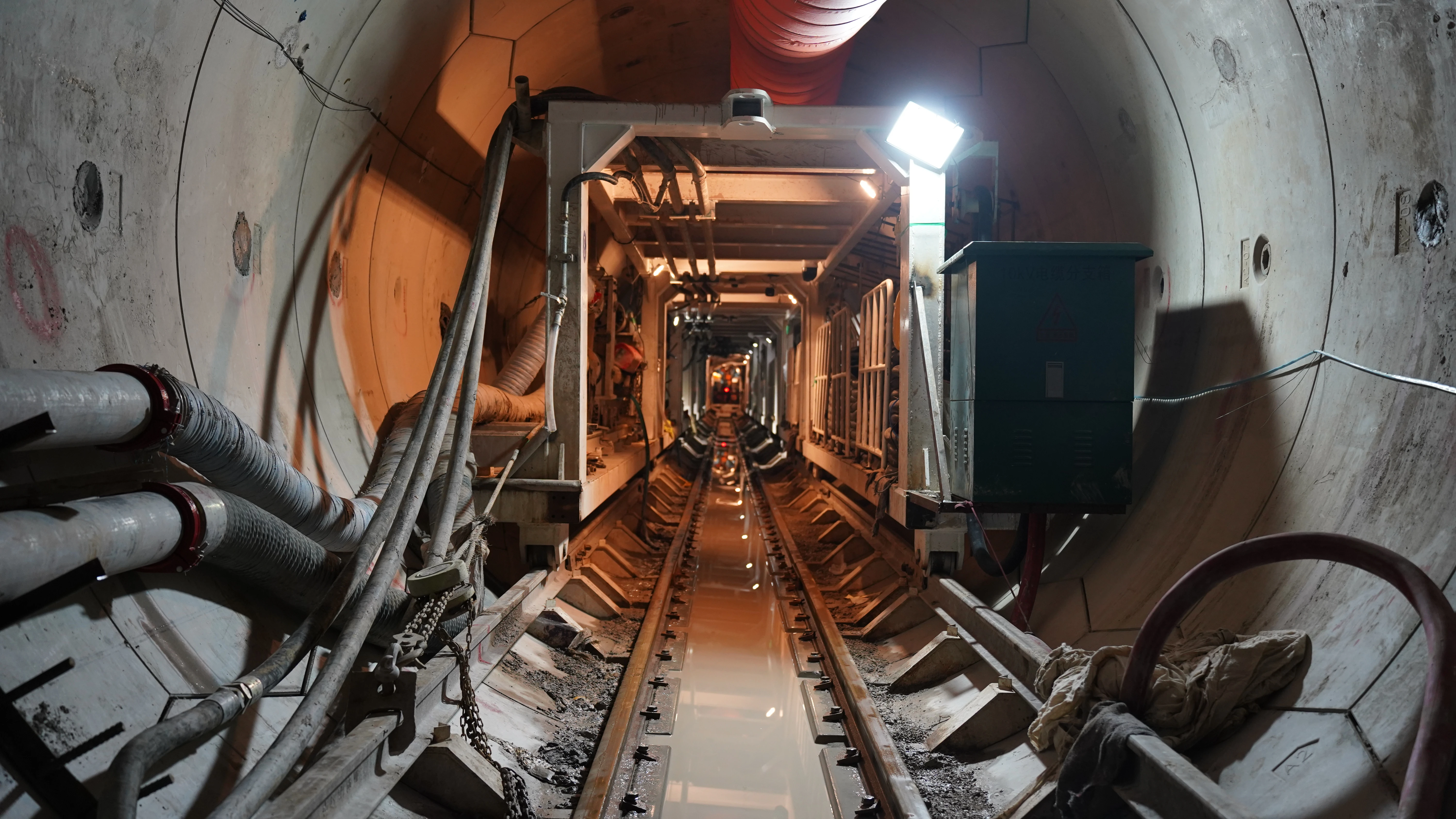
You notice a big change when you use anti-jam planning in micro tunneling. Teams say there are fewer restart failures and the tunnel machine works better. In one city project, workers used real-time monitoring and made their work more accurate. The tunnel boring machine finished the job without any jams. Another group put in a sewer line with a Microtunnelling Machine. They used careful navigation and stopped spoofing. This project finished early. You get better accuracy when you plan for jamming risks. Real-time data lets you find problems fast. You keep your tunnel machine working and avoid expensive delays.
steps for effective adoption
You need a simple plan to use anti-jam strategies. Start by training your operators. Teach your team about accuracy, precision, and real-time monitoring. Use sensors to check for jamming and spoofing. Set up strong access controls to keep your devices safe. Limit entry points to make security better. Build good communication systems that can handle jamming. Use cognitive radio and dynamic spectrum management for better accuracy. Practice drills so you are ready for emergencies. Check your plans often and change them if needed.
|
Challenge |
Description |
Suggested Solution |
|---|---|---|
|
Device and network security |
Many devices can be attacked. |
|
|
Insider misuse |
User mistakes can let attackers in. |
Train users and set strict access controls. |
|
Electronic warfare threats |
Wireless signals can be jammed. |
Build strong communication systems that resist jamming and spoofing. |
|
Automation challenges |
Automation can make cyber attacks easier. |
Design systems with security and accuracy in mind. |
|
Robustness capabilities |
Systems must avoid signal problems and jamming. |
Use cognitive radio and dynamic spectrum management for real-time adaptation. |
integrating with tunnel boring machine operations
You can use anti-jam planning with tunnel boring machine and auger boring machine work. Use real-time monitoring to check accuracy and precision. Install navigation systems that stop spoofing. Set up overload protection to stop jamming before it happens. Connect your Microtunnelling Machine to real-time data feeds. Train your operators to act fast if there is a jamming risk. You make your tunnel machine more accurate and keep it safe. CEGC helps you with equipment and training for all tunnel machine types. You get good results and finish your projects with confidence.
You get better accuracy when you use anti-jam planning in micro tunneling. Adaptive strategies help you keep your work correct. Fast systems make your results more accurate. Taking action early helps protect accuracy. Experts say adaptive methods help accuracy last longer. New systems give you both accuracy and precision. Quick actions make accuracy better. Every tunnel machine needs to be accurate. You need accuracy to guide your machine. Accuracy helps keep everyone safe. You use accuracy to watch your machine. You need accuracy to fix problems fast. Training helps you get good accuracy. Planning helps you keep accuracy strong. CEGC helps you keep accuracy safe. You get accuracy and precision on every project. You finish your work with accuracy and precision. You lead your team with accuracy. You do well because of accuracy. You build things using accuracy. You give accuracy and precision to your clients. You pick accuracy for every job.
FAQ
What is micro tunneling used for?
Micro tunneling helps put pipes, cables, or conduits underground. You do not have to dig up roads or land. This makes your project go faster and causes less mess.
How does anti-jam planning help your tunnel machine?
Anti-jam planning helps your tunnel machine keep moving. You do not waste time or break your equipment. Your project finishes on time and your team stays safe.
What is the difference between a tunnel boring machine and a Microtunnelling Machine?
A tunnel boring machine (TBM) makes bigger tunnels.
A Microtunnelling Machine is for smaller and more exact pipe jobs.
Both machines let you build underground without digging big holes.


