
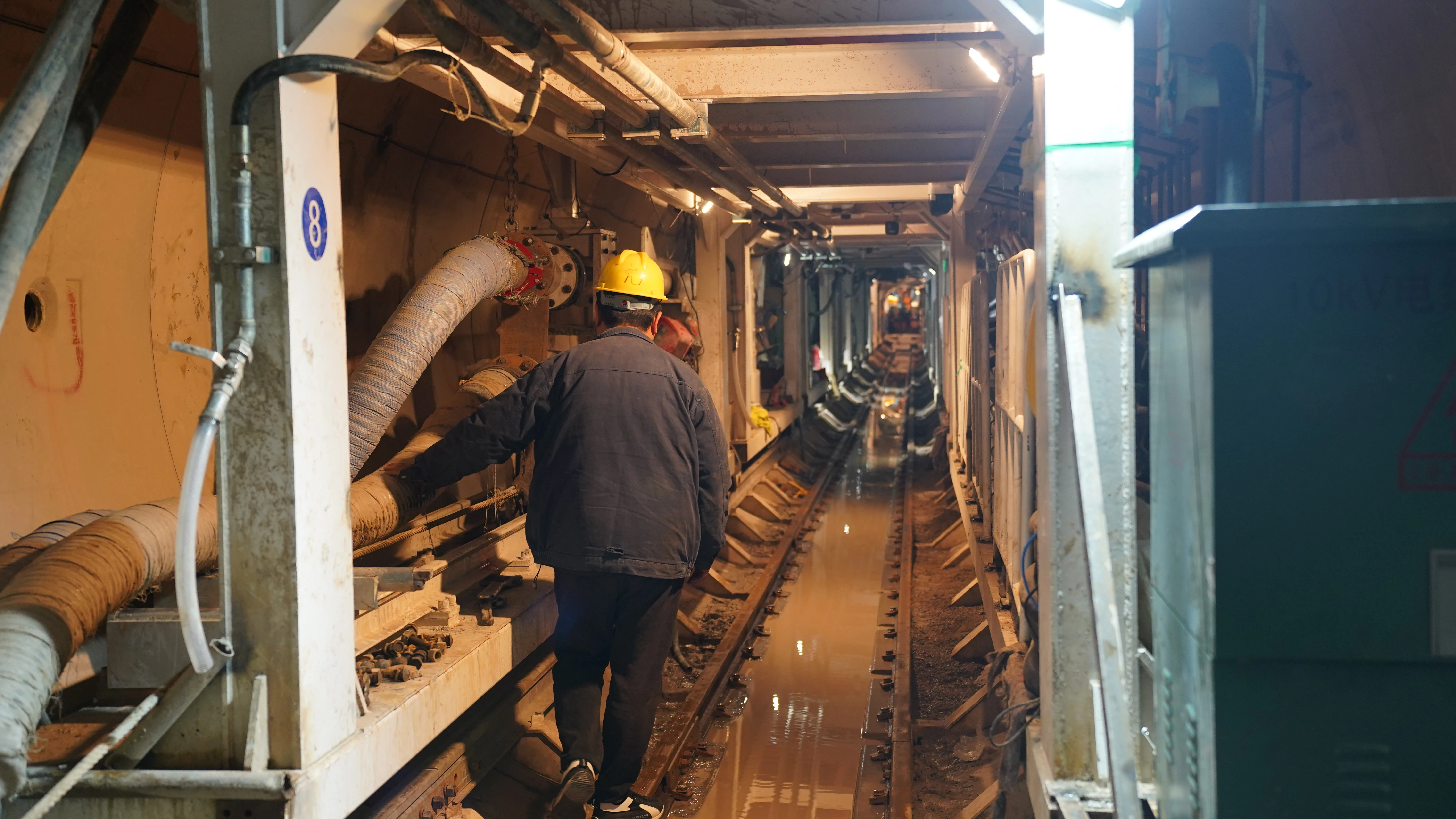
A TBM machine jam can lock crews into standby costs, leading to significant financial implications. Tunnel boring machines (TBMs) cease operations when jams occur, resulting in immediate project delays. It's important to note that auger boring machines and Microtunnelling Machines can also experience jams. CEGC provides effective solutions for tunnel boring machines to mitigate these issues. Industry statistics reveal that jamming sections have a staggering 94% probability of jamming:
|
Section Type |
Average Probability of Jamming |
|---|---|
|
Jamming Section |
94% |
|
Normal Excavation |
7% |
Key Takeaways
-
A TBM machine jam can cause high standby costs. It can cost up to $125,000 each day while crews wait.
-
Doing regular maintenance and planning carefully can help stop TBM jams. This keeps projects on time and within budget.
-
Knowing the risks of ground conditions before tunneling can help lower the chance of jams. It also helps reduce extra costs.
TBM Machine Jam and Standby Costs in Tunneling
What Is a TBM Jam
Tunnel boring machines help dig tunnels. Sometimes, a tbm machine jam can lock crews into standby costs. This means your team and equipment must wait until the jam is fixed. The jam happens when the tunnel boring machine gets stuck and cannot move. You can see jams with a TBM, auger boring machine, or Microtunnelling Machine.
Bad ground like squeezing soil, broken rocks, or mixed faces can cause problems. These problems include jamming of the cutter head and shield. Jamming stops work and makes costs go up.
Jams often happen in weak or mixed ground. The tunnel walls might fall or squeeze the machine. This makes it impossible to keep digging.
-
Jamming can be shield jamming or cutterhead jamming. Too much resistance causes these jams.
-
Main causes are rock collapse, big changes, and creep hurting the cutterhead and shield.
-
When the rock around the tunnel moves, friction against the TBM shield goes up. If the TBM does not push hard enough, it jams.
-
Jamming happens because shield pressure rises and the contact area gets bigger.
A tbm machine jam can lock crews into standby costs. This is worse when ground changes fast or the tunnel goes through fault zones. You need to know these risks before you start tunneling.
How TBM Jams Halt Tunnel Boring Machines
When a jam happens, the tunnel boring machine stops digging. The cutter head and shield can get stuck from tunnel wall pressure or fallen rock. Sometimes, the machine cannot move forward or backward.
-
Double-shield TBM jams happen when rocks squeeze the machine. This makes friction go up.
-
In the Duoxiongla tunnel, three shield jams slowed construction.
-
Simulations showed that the way rocks touch the TBM affects jamming.
Hard rock, steering problems, or strong vibration of the cutter head can make tunneling hard. Water leaks, cave-ins, or unstable walls in broken or weathered rock also cause trouble. Crossing fault zones is risky too.
You must stop all work when a jam happens. Crews cannot dig until the jam is cleared. This can take hours or days, depending on how bad the jam is.
Bad ground is a big challenge for tunnel building. It slows digging and can cause hard-rock TBM jams.
Immediate Standby Costs for Crews and Equipment
A tbm machine jam can lock crews into standby costs right away. Workers must wait while the jam is fixed. Equipment sits unused, but you still pay for rent and upkeep.
-
Each day a tunneling machine stops can cost $125,000.
-
One machine was stopped for four days. This cost $500,000 because work stopped.
-
The Technical Director said downtime costs $125,000 every day.
When you have a jam, you often need manual digging to clear the blockage.
-
Workers use a jackhammer to break and remove rock behind the shield.
-
Two windows are made in the rear shields to help manual digging.
-
Removing soft rock makes a space about 1.0 m wide outside the TBM shield.
A tbm machine jam can lock crews into standby costs, and costs add up fast. You pay for workers, equipment, and lost time. The jam hurts your project schedule and makes tunneling more expensive. If you do not fix the jam quickly, your project can fall behind and costs can rise a lot.
Jamming during tunnel boring can cause big delays. This makes the project cost more and take longer to finish. Jams are common in weak ground, so it is important to watch for problems and plan ahead to avoid risks.
You can lower these risks by picking the right tunneling machines and working with skilled suppliers. CEGC gives tunnel machines and risk management plans to help you avoid jams and control costs. When you plan your tunnel project, remember a tbm machine jam can lock crews into standby costs. Always be ready to act fast.
Cost Breakdown and Long-Term Impact
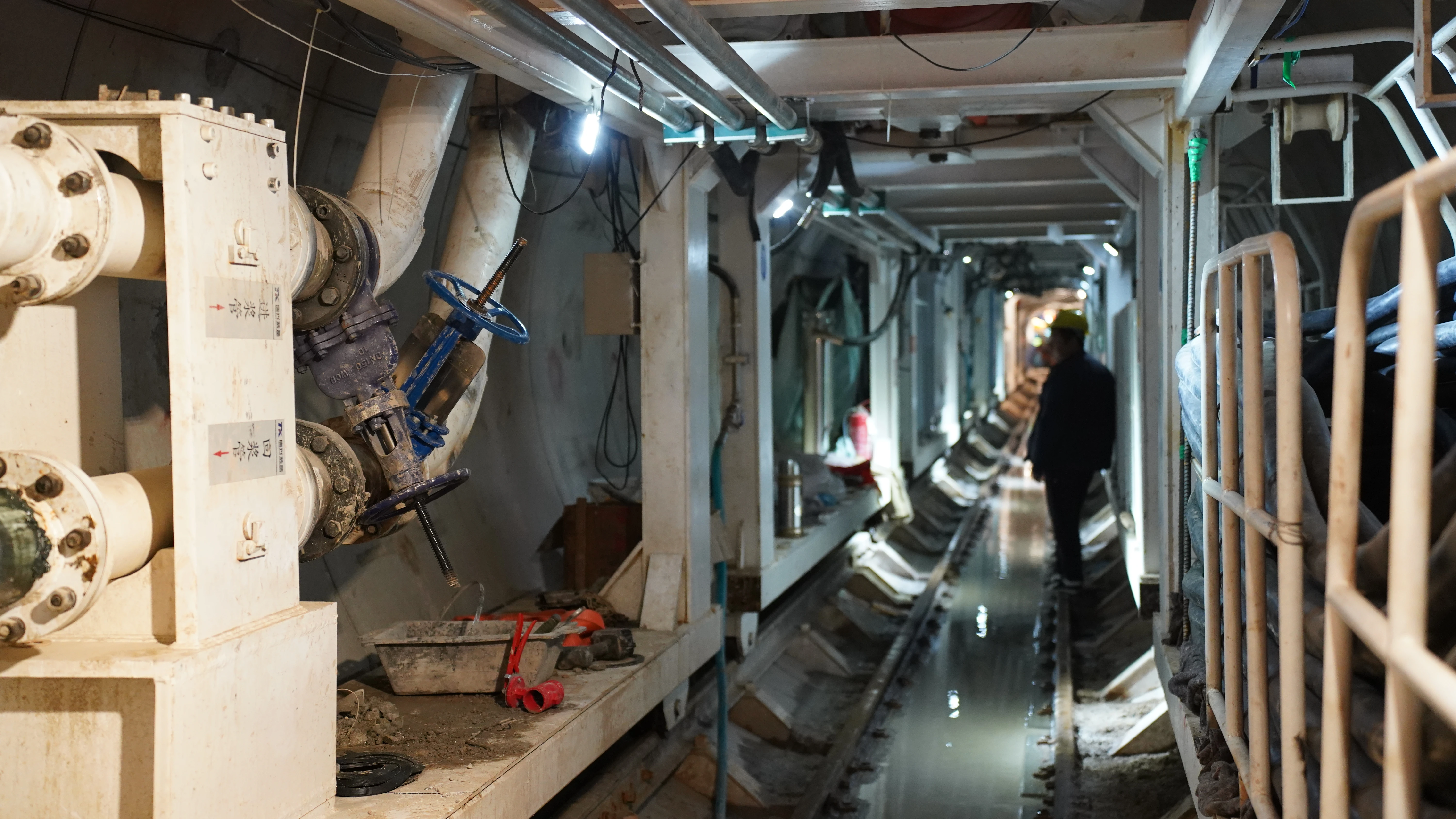
Types of Standby Costs in Tunneling
There are different standby costs when tunneling stops. Labor costs keep going because crews wait for the tunnel boring machine to start again. Equipment rental costs go up as machines do not work. Maintenance costs get higher since you must keep tunnel boring machines ready. Utility bills and site security costs also rise. You still pay for insurance and permits even if tunneling is paused. All these costs change your tunnel project budget.
Accumulation of Costs During TBM Downtime
Standby costs add up fast during downtime. Every hour tunnel boring machines stop, you lose money. Crews wait for digging to start again. Equipment is not used, but you still pay for it. Maintenance teams work to keep machines in good shape. Utility bills and security costs do not stop. If downtime lasts many days, costs can reach hundreds of thousands of dollars. A jam makes costs grow very quickly.
You need to track all costs during tunnel downtime. Watching costs closely helps you see how a jam changes your tunnel project.
Project Budget and Timeline Effects
A tbm jam hurts your tunnel project budget and timeline. You must save extra money for labor, equipment, and maintenance. Delays in digging push your tunnel finish date back. You may have to change other tunneling plans. Jams can make you use your resources in new ways. You must plan for surprise costs and change your tunneling technology if needed.
|
Challenge Type |
|
|---|---|
|
Cutter Wear |
Increases maintenance costs |
|
Jamming |
Leads to downtime and additional labor |
|
Steering Difficulties |
Requires more resources for navigation |
|
Water Inrush |
May necessitate emergency measures |
|
Fractured Zones |
Increases complexity and costs |
|
High In-Situ Stresses |
Requires specialized equipment |
|
Gas Presence |
Safety measures increase costs |
You must use risk checks to protect your tunnel project from problems. Good planning helps you control costs and keep digging on schedule.
Mitigation Strategies for TBM Jams
Preventing TBM Machine Jams
You can lower the chance of tbm jams by doing regular maintenance and watching the machines in real time. Start by checking the ground carefully before you dig. Pick the right cutters for the type of ground. Change how you dig to keep cutters from getting too stressed. Use tools that watch temperature, shaking, and pressure as you work. Make sure to oil and clean the cutter bearings often. Plan for repairs and change parts before they break. These steps help stop problems and keep tunnel work moving.
|
Methodology |
Findings |
|---|---|
|
Use of RNNs for real-time prediction |
RNNs can guess how the tbm will work, which helps stop jams while digging tunnels. |
|
Dynamic load prediction |
This method makes it easier to know how much force the tbm needs, so there are fewer problems. |
|
AdaBoost-CART model |
This tool helps get rock data fast, which helps stop dangers when digging tunnels. |
Challenges in Resolving TBM Jams
Fixing tbm jams is hard because of tough technical problems. You need to know what in the ground causes jams, like broken rocks or ground that moves over time. It is hard to guess when jams will happen because there are not many examples and each tunnel is different. Most models use simple ideas that do not always work. Teams use real-life data, math, and computer models to solve these problems. Each way helps check if the tunnel will squeeze or move while digging.
Planning for Standby Cost Reduction
You can cut down on standby costs by planning early. Buy risk insurance when you design the tbm. Make the tunnel machine better so it jams less. Plan repairs and cutter swaps with checks and filling holes with grout. Use a plan that looks at risks with real-time data and advice from experts. Work with companies like CEGC for better machines and help. Good planning and risk checks help you save money and keep tunnel work going.
You can see that TBM jams make costs go up fast. Good risk management helps keep costs under control. Getting the right advice is important too. CEGC helps by giving you special equipment and expert help. They also send parts quickly when you need them.
|
Service Offered |
How It Helps Lower Downtime and Costs |
|---|---|
|
Tailored Equipment Solutions |
Made for your project, so work is faster and delays are less. |
|
Expert Consulting Services |
Helps plan and run projects better, making work smoother. |
|
On-site Installation Services |
Makes sure machines are set up right, so problems are fewer. |
|
Comprehensive Training Programs |
Teaches teams how to use and fix machines, so mistakes are less. |
|
Genuine Parts Inventory |
Sends parts fast to keep machines working and stop long waits. |
FAQ
What is tunneling used for in construction?
Tunneling makes underground paths for roads and trains. It also helps put in pipes and wires. This way, workers do not disturb the ground above. Tunneling lets crews dig safely and quickly.
How does a TBM machine help with tunneling projects?
A TBM machine digs tunnels by cutting soil and rock. It works fast and keeps workers safe. Crews use it to build tunnels under the ground.
What is the difference between tunneling and excavation?
Tunneling builds spaces sideways under the ground. Excavation means digging holes or trenches in the open. Each method is used for different kinds of projects.


