
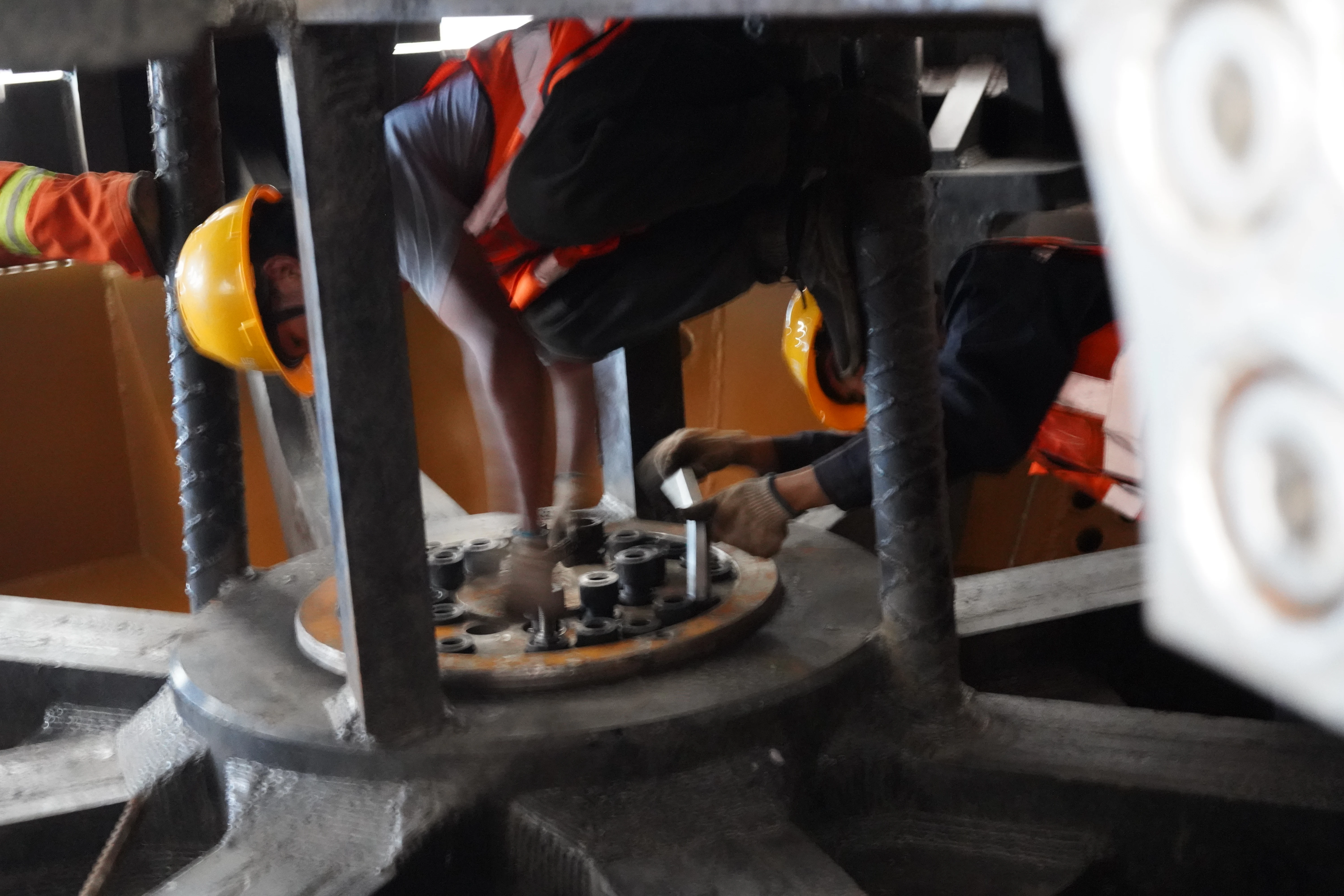
You face many problems when tunneling in cities. The ground can be unstable, and the water table can change. Sticking fines can make work slower and more dangerous. However, the micro tunneling benefits when fines stop sticking are significant. The table below shows how new tunnel boring machines from CEGC help with these problems. It also highlights why micro tunneling is better when fines do not stick.
|
Challenge Type |
Description |
|---|---|
|
Ground Stability Concerns |
Problems with keeping the ground safe during tunneling. |
|
Water Table Fluctuations |
Changes in the water table can make tunneling less safe and harder. |
|
Existing Underground Utilities |
Utilities underground can make tunneling more difficult. |
|
Advanced TBMs |
Automated tunnel boring machines from CEGC help make work safer and more exact. |
|
Real-time Navigation |
Laser-guided systems help keep the tunnel path correct. |
|
AI-driven Monitoring Systems |
AI watches the work all the time to keep it safe and fast. |
Key Takeaways
-
When fines do not stick, micro tunneling machines work better. This helps the machines move faster and stop less often.
-
Using new technology like AI monitoring and real-time navigation makes tunneling safer. It also helps workers be more accurate during projects.
-
Managing fines the right way can lower maintenance costs a lot. It also helps the project run better and finish on time.
micro tunneling benefits when fines stop sticking
Impact on Equipment Performance
You notice right away when fines stop sticking. Fines are tiny pieces of soil that can block the system. When they do not stick, the separation plant works much better. Slurry moves more smoothly and does not get stuck as much. This helps the tunnel boring machine keep moving without stopping.
CEGC tunnel boring machines use special technology to stop fines from sticking. These machines have closed-mode face support and soil conditioning systems. These features help control how material moves and keep the cutterhead clean. You do not have to stop suddenly, so the equipment keeps working well.
Tip: If fines do not stick, your microtunneling machine works better, even in hard ground.
Here is a table that shows how separation capacity changes your advance rate:
|
Evidence Point |
Description |
|---|---|
|
Separation capacity limits advance rate |
The fastest you can go depends on how fast the separation plant can handle the dirt. |
|
Impact of capacity shortfall |
If the separation plant is 20% too small, you might lose 30-40% of your work speed because of delays. |
|
Importance of correct sizing |
The separation plant should be the right size for the most dirt you will dig up, so you do not get slowed down by changes in the ground. |
When fines do not stick, micro tunneling goes faster and stops less. The tunnel machine keeps working, and you do not lose time or money.
Reduced Maintenance and Downtime
Sticking fines often cause problems in microtunneling. They can wear out the cutterhead, block muck transport, and make you stop for repairs. When fines do not stick, you need less maintenance and have less downtime.
CEGC microtunnelling machines use different ways to stop fines from sticking. You control how fast things move in the chamber and how quickly you dig. You use special slurries like bentonite or mixes with bentonite and polymers. These slurries keep the face strong and help the cutterhead move. You also make the cutterhead opening smaller to stop jams.
-
You control how things move and how fast you dig to stop stalling and ground loss.
-
You use special slurries to keep the face strong and help the cutterhead move.
-
You make the cutterhead opening smaller to stop jams.
These solutions help the tunnel boring machine work longer. You do not spend as much time fixing problems from sticking fines. Micro tunneling benefits when fines stop sticking include lower repair costs and more time working.
Enhanced Project Efficiency
You want your microtunneling project to finish on time and not cost too much. Sticking fines can slow you down and make things more expensive. When fines do not stick, you see big benefits. The separation plant works faster, and the slurry system stays clean. You do not get clogs, so the tunnel machine keeps moving.
CEGC tunnel boring machines give you good performance and can be changed for your project. You match the separation plant to how much dirt you dig at once. You use soil conditioning and sealing systems to stop fines from sticking. These features help you deal with changes in the ground and water.
Micro tunneling benefits when fines stop sticking include:
-
Faster digging
-
Fewer stops
-
Better control of your schedule
-
Lower risk of ground problems
You get more work done and keep everyone safe. Your microtunneling project stays on track, and you meet what the owner wants. Non-sticking fines help make your tunnel boring machine a good choice for city projects.
microtunneling technology and project outcomes
Alignment and Accuracy Improvements
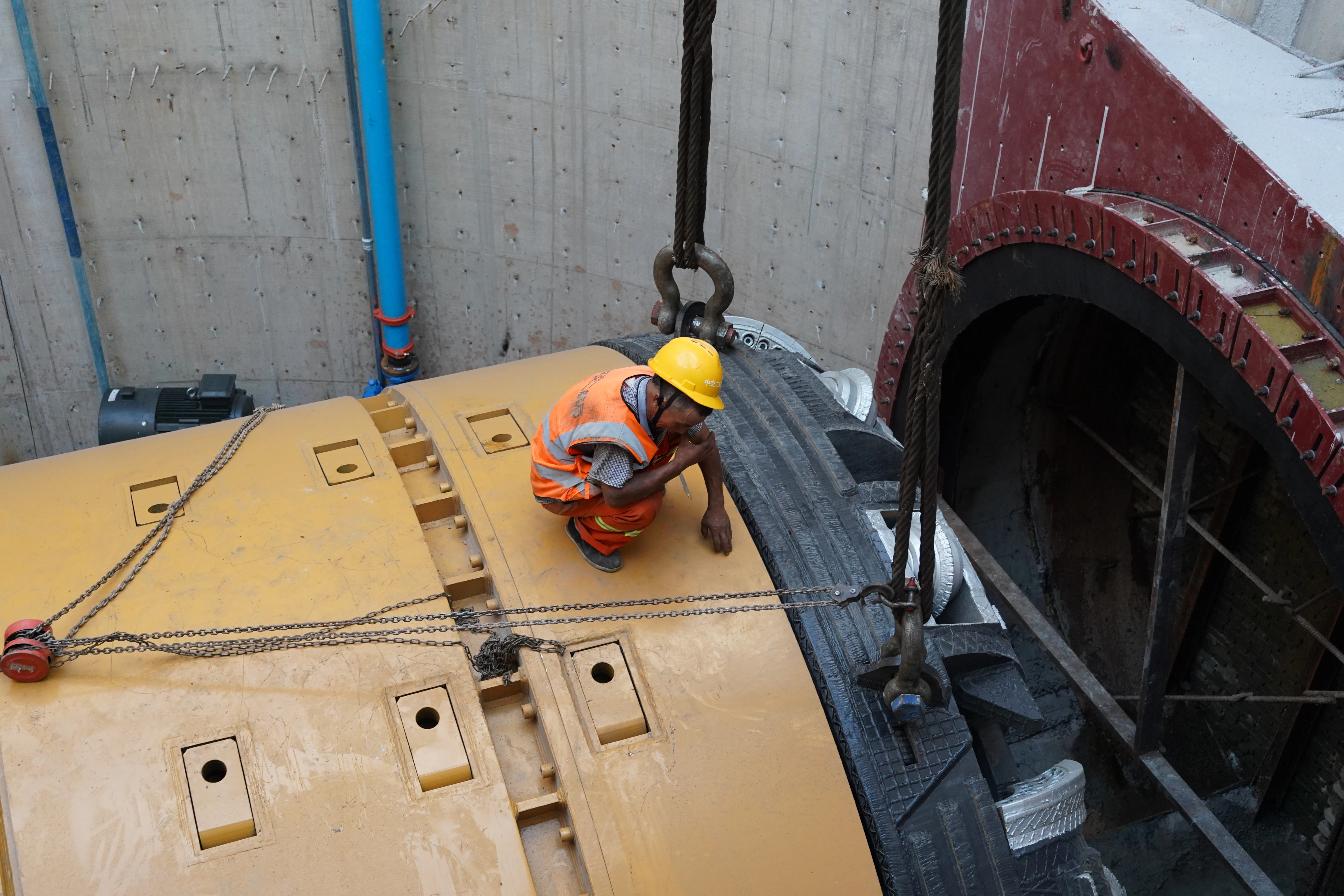
You want your microtunneling project to stay straight. Good fines management helps keep the tunnel in line. Microtunneling technology lets you control the tunnel’s direction better. This helps you avoid drifting or making mistakes in long tunnels.
CEGC lets you pick what your tunnel boring machine needs. You can choose the best face support and soil conditioning for your ground. Guidance systems help you check the tunnel’s path as you dig. Here is a table that shows some choices for your project:
|
Customization Option |
Description |
|---|---|
|
Customized Equipment Manufacturing |
CEGC makes tunneling, port, and mining equipment for your project. |
|
Service Consulting |
Experts help with planning, picking equipment, soil checks, and how to do the job. |
|
Trenchless Support |
Engineers help with microtunneling and other trenchless work. |
These choices help you get better results. You finish long tunnels with fewer mistakes and less fixing.
Cost Savings and Resource Efficiency
You save money with smart microtunneling technology. Good fines management means less time fixing things. You also use less material and energy. This helps you build faster and stay on budget.
-
The Turnkey Dry Polymer Make-Down System speeds up your work and cuts downtime. You spend less than 1% of your time fixing problems.
-
You take out almost all solids from the drilling fluid. This means you pay less to get rid of waste.
-
You save a lot on labor and materials. Your building work gets faster.
Microtunneling works well for city projects. You get better accuracy, lower costs, and safer jobs. You can trust CEGC tunnel boring machines to help you succeed.
You dig tunnels faster and spend less money when fines do not stick. Your tunnel lasts longer, too. CEGC tunnel boring machines are very flexible and work well. Look at this table to see how CEGC is different:
|
Aspect |
CEGC's Technology |
Other Solutions |
|---|---|---|
|
Customization |
Not very flexible |
|
|
Maintenance Needs |
Needs less fixing |
Needs more fixing |
|
Service Life |
Lasts over 50 years |
Service life changes |
Experts say you should use advanced TBMs and real-time navigation for the best results.
FAQ
What is microtunneling and how does it help with pipe sticking?
Microtunneling is a way to put pipes underground without digging big holes. It uses trenchless technology. You can stop pipes from getting stuck by using the right grease and bentonite mud. This keeps workers safe and helps the job go faster.
How does lubrication prevent jacking machine cutter head sticking during pipe jacking construction?
Lubrication makes things slippery so parts move easier. It helps the jacking machine cutter head slide without stopping. Using lubrication in trenchless technology stops pipes from sticking. It also keeps pipe jacking jobs safe.
Why should you choose the pipe jacking method for urban trenchless technology projects?
Pipe jacking is good for cities because it is very exact. It does not mess up the ground above much. Lubrication and trenchless technology help stop pipes from sticking. This keeps workers safe and makes microtunneling work better.


