
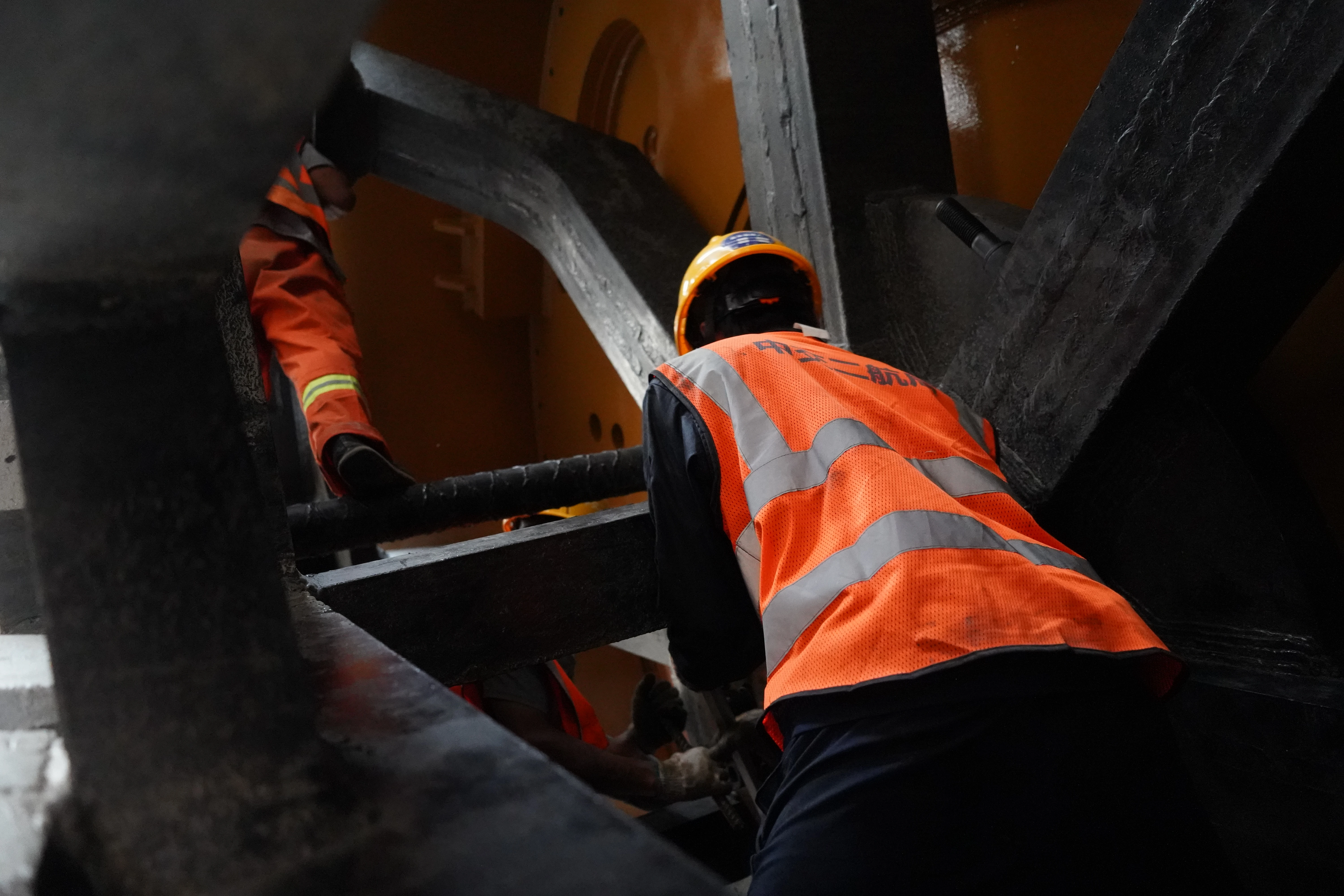
When operating a tunnel boring machine (TBM) in urban environments, various challenges can arise. Coatings reduce clogging risk in a TBM tunnel by preventing soil from adhering to your TBM. CEGC offers specialized coatings that help your TBM machine remain clean and efficient. These innovative solutions enhance the excavation process, ensuring your tunnel boring machine operates at optimal performance.
Key Takeaways
Coatings stop soil from sticking to tunnel boring machines. This lowers the chance of clogging and helps the machines work better. - Picking the best coatings and soil conditioning agents for the soil type and water level helps TBM work well. It also cuts down on time when the machine is not working. - Using special coatings makes the work safer and faster. It also saves money and helps finish the project on time.
Clogging Risks in TBM Tunnel Machines
What Causes Clogging in Tunnel Boring Machines
When you use a tbm machine in a city, you face many problems. One big problem is clogging. Clogging happens when sticky clay builds up on the cutterhead or inside the machine. Sticky clay can stop the cutter from spinning. This can make the cutter edge flat or even mushroom-shaped. Sometimes, sticky clay can chip the cutter ring. You might see changes in torque when sticky clay blocks the machine. Real-time monitoring systems help you see these changes. Machine learning models can guess when sticky clay will cause clogging. The open space in the cutterhead and how thick the sticky clay is are important. If you work with sticky clay, you must watch out for these risks.
Sticky clay can block the muck transport system.
Sticky clay can make the cutterhead heavy and slow.
Sticky clay can make the machine stop working.
Operational Challenges for TBM and Microtunnelling Machines
You need to control ground settlement, face instability, and water coming in when you use a tbm machine. Sticky clay makes these problems harder to handle. The table below shows how these risks can affect your work:
Key Findings |
Description |
|---|---|
Impact of Ground Settlement |
Sticky clay can make the ground fall in and move. |
Face Instability Challenges |
Sticky clay makes the tunnel face weak and hard to control. |
Control Parameters |
You need to control face pressure and grouting for sticky clay. |
Numerical Simulations |
You can use models to guess how sticky clay will move. |
CEGC gives you good solutions for these problems. You get special equipment for your project. You can use real-time tools to find and fix sticky clay problems. Soil conditioning equipment helps sticky clay keep moving. Good muck transport systems stop sticky clay from blocking the chamber. Face pressure control systems stop sticky clay from causing blockages. You can also use damping devices, check cutters often, and teach your team how to handle sticky clay. With CEGC, you get help to lower clogging risk and keep your tbm working well.
How Coatings Reduce Clogging Risk in a TBM Tunnel
Anti-Adhesion and Water-Barrier Mechanisms
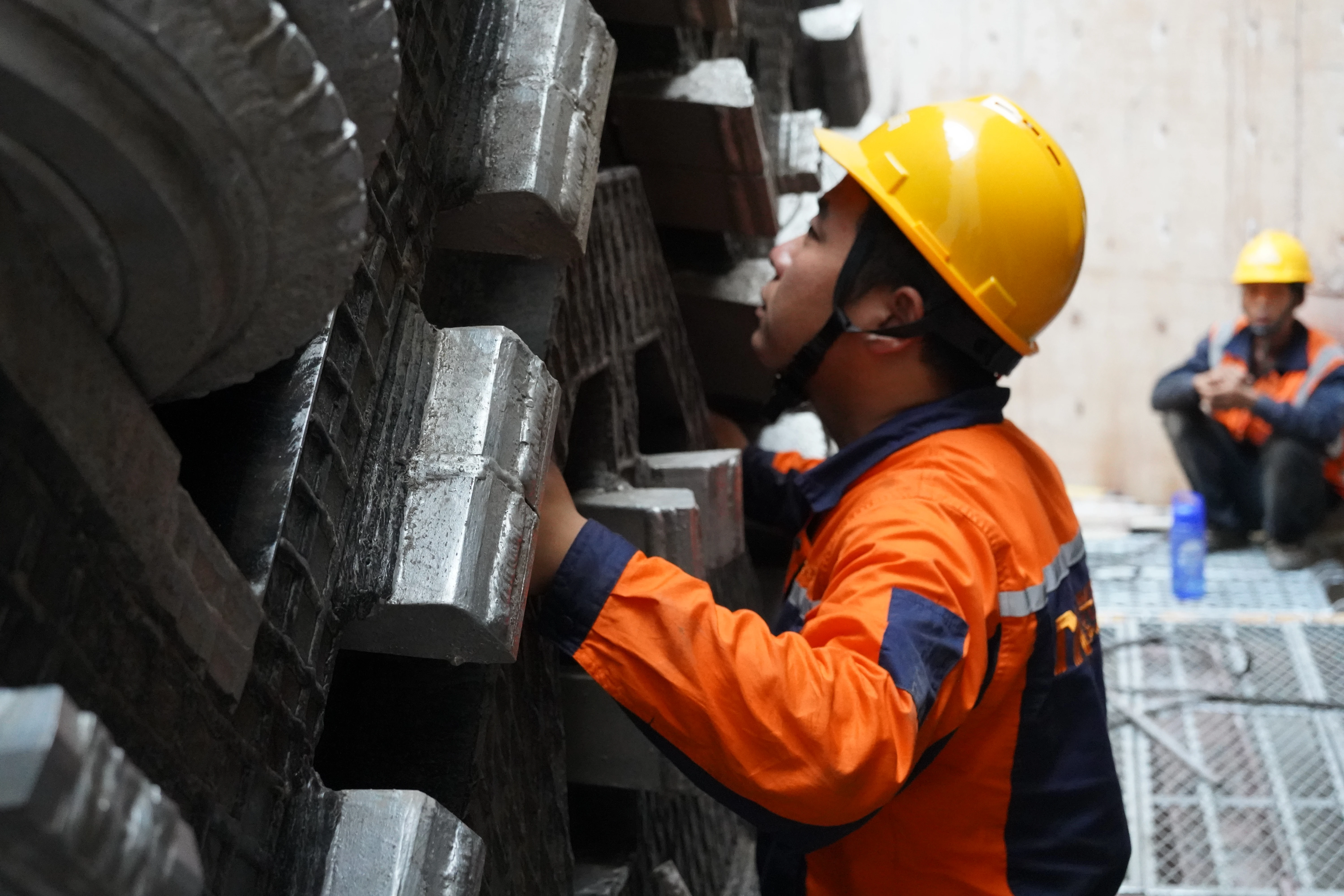
Operating a tbm machine in sticky clay or wet ground is hard. Coatings help stop soil from sticking to the cutterhead and other parts. Anti-adhesion coatings make surfaces smooth. Clay and sand do not stick easily. Water-barrier coatings keep water away from metal parts. These coatings protect your tbm from water damage. They also help reduce clogging. Using coatings keeps muck moving and stops blockages. CEGC gives you special coatings for your project. You can pick coatings that fit your soil and water needs. This helps your tbm last longer and prevents expensive stoppages.
Types of Coatings and Conditioning Agents
You must choose the right coatings and soil conditioning agents for your tbm tunnel boring machine. The choice depends on the soil type and water level. You can use foam, polymers, or both together. These agents help reduce clogging and improve muck transport. You get better results when you match the coating to the ground. CEGC lets you change the pressure range, sealing design, and conditioning interface for your tbm machine.
Here is a table that shows how different coatings and conditioning agents work in different soils:
Coating/Conditioning Agent |
Soil Type |
Injection Ratios (FIR, PIR, LIR) |
Effect on Clogging Risk |
|---|---|---|---|
Foam and Polymer Solutions |
Thanet Sand |
More foam, less liquid |
Reduced clogging potential |
Foam and Polymer Solutions |
London Clay |
Less foam, more liquid |
High clogging potential |
Combined Treatments |
Various soils |
Varies by soil type |
Improved TBM performance |
Field monitoring shows that using foam and polymer together makes the foam more stable. You lower the shear strength of clay. This helps you reduce clogging risk in your tbm tunnel boring machine.
You must check the ground before picking coatings. You look at rock hardness, soil type, and groundwater. You use geotechnical tests to find the best match. You get better results with the right coatings and conditioning agents.
You pick the tbm machine based on rock and soil.
You match the cutterhead design to the ground.
You use soil conditioners to keep muck moving.
Operational Benefits for Tunnel Boring Machines
Coatings help reduce clogging risk in a tbm tunnel and give you many benefits. You see less downtime because the cutterhead stays clean. You get faster progress because muck moves easily. You spend less time fixing things. Your team works safer and faster. CEGC lets you change your tbm machine for each project. You pick the pressure range, sealing design, and conditioning interface that fits your needs.
You keep your tbm and microtunnelling machine working longer. You avoid delays and save money. You finish your project on time. You get good performance in cities and tough ground.
Tip: You can ask CEGC for special coatings and custom solutions. You get help for every step of your tunnel project.
Coatings help reduce clogging risk in a tbm tunnel by making muck transport easier and keeping the cutterhead steady. You protect your equipment and get better results. You make your tunnel project safer and more successful.
CEGC’s special coatings help your TBM work better. These coatings lower the chance of clogging. They also mean you do not need to fix your machine as much. Your project can finish on time. If you want your TBM or Microtunnelling Machine to work well in any ground, ask CEGC for custom options for your next job.
FAQ
What are anti-clogging features in a tunnel boring machine?
Anti-clogging features help your tunnel boring machine stay clean. These features stop sticky clay from blocking the cutterhead. They also keep the muck transport system clear.
How do coatings help when tunneling in sticky clay?
Coatings make surfaces smooth. This stops clay from sticking to your machine. Coatings help muck move and cut down on downtime.
Can you customize coatings for different ground conditions?
Yes, you can get coatings made for your project. CEGC gives custom solutions for soil type, water level, and machine design.


