
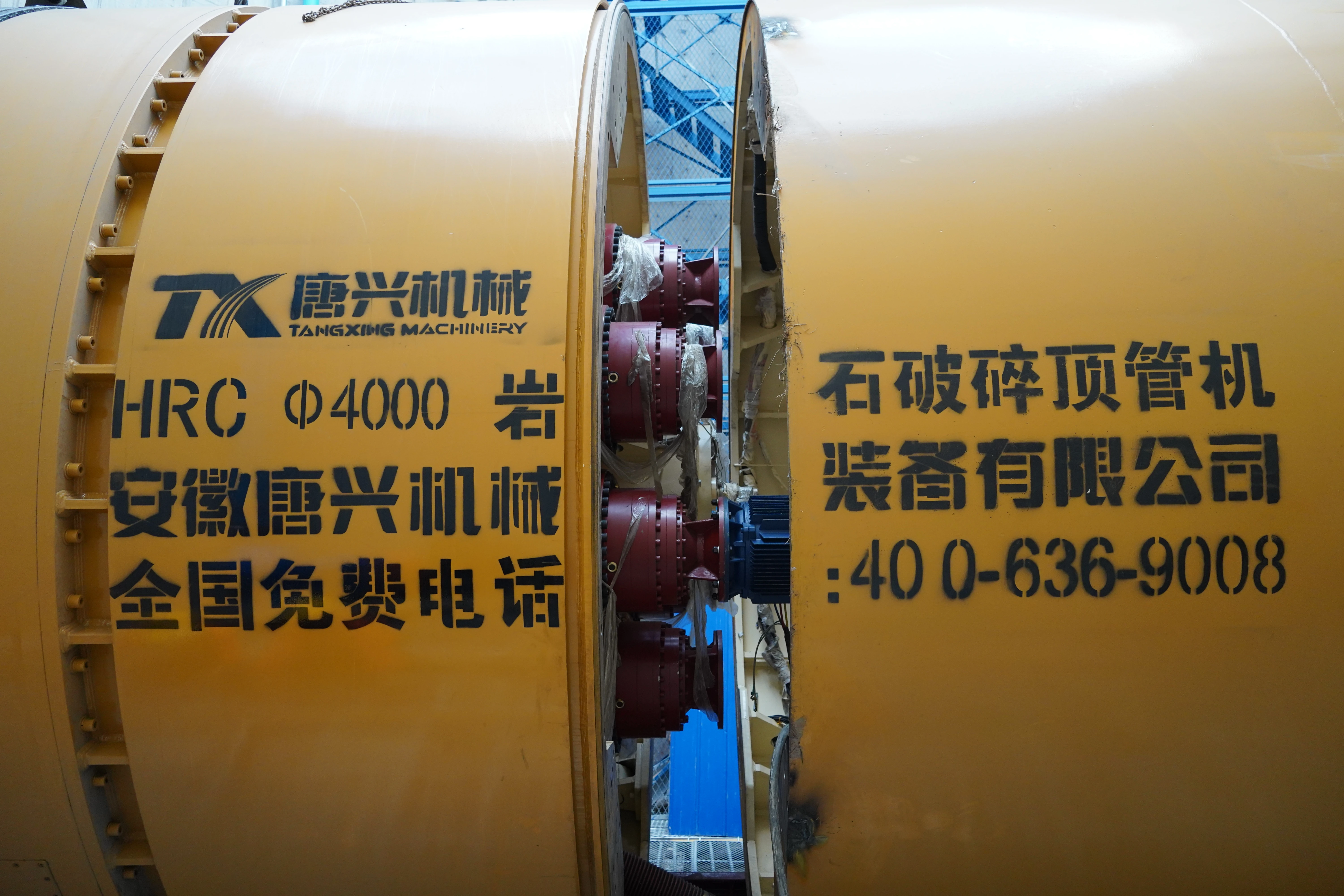
You have big problems when sticky clay slows a TBM machine without coatings. Clay sticks to the tools and makes them work harder. It also makes the energy needed go up. These problems can slow down your project and make it less efficient. CEGC helps you by giving tunnel machine solutions for tough clay during tunneling.
Key Takeaways
-
Sticky clay can make a TBM machine move slower. It sticks to the cutterhead and tools. This makes more friction and uses more energy.
-
Cleaning and checking the cutterhead often can stop clay from building up. This helps the machine work better.
-
Soil conditioning agents, like foams and polymers, can help with sticky clay. They make the clay easier to handle and help the machine go faster.
Sticky clay slows a TBM machine without coatings
Clay adhesion on cutterhead and tools
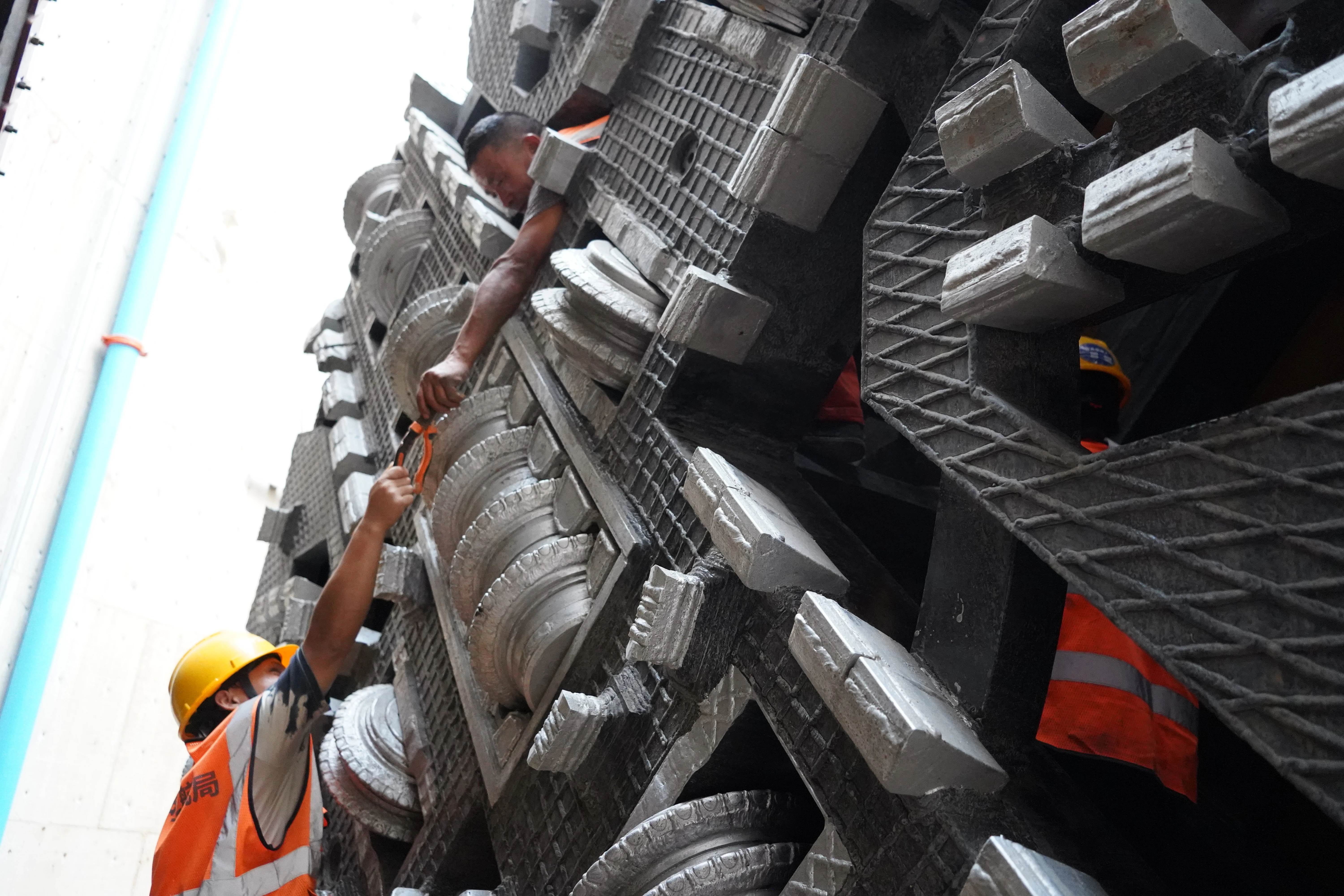
When you operate a tunnel machine in sticky clay, you face a big challenge. Sticky clay slows a TBM machine without coatings because the clay sticks to the cutterhead and tools. This sticky layer builds up fast. It covers the cutting edges and makes them less sharp. You need more force to cut through the ground. The TBM tunnel boring machine uses more energy and moves slower. You may see the advance rate drop. If you use an auger boring machine, the same problem happens. The clay sticks to the augers and makes them turn harder. CEGC designs cutterheads with features that help reduce clay buildup, but sticky clay slows a TBM machine without coatings in any tough ground.
Tip: Regular cleaning and inspection of the cutterhead can help you spot clay buildup early.
Clogging of muck transport systems
Sticky clay does not just stick to the tools. It also clogs the muck transport systems. When you dig with a TBM tunnel boring machine, you need to move the excavated soil away from the face. Sticky clay slows a TBM machine without coatings because it packs into the conveyor belts, screw conveyors, or slurry lines. The clay forms lumps and blocks the flow. You may need to stop the tunnel machine to clear the blockages. This downtime adds up and slows your project. CEGC’s microtunnelling machine and TBM machine models use strong muck transport systems, but sticky clay can still cause problems if you do not use coatings or soil conditioning.
-
You might notice:
-
Slow movement of spoil
-
Frequent stops for cleaning
-
Higher risk of equipment damage
-
Impact on seals and bearings
Sticky clay can also harm the seals and bearings in your tunnel machine. When clay gets into these parts, it increases friction and wear. Sticky clay slows a TBM machine without coatings by making the seals less effective. Water and soil can leak into the machine. Bearings may fail faster because of the extra load. You may need to replace parts more often. CEGC builds TBM tunnel boring machines with high-quality seals and bearings, but sticky clay still poses a risk if you do not protect these parts. You should check seals and bearings often when working in sticky clay.
Note: Good maintenance and regular checks help you avoid costly repairs and keep your tunnel machine running smoothly.
Operational pain points and technical solutions
Reduced advance rate and increased downtime
Sticky clay can make a TBM machine slow down. The clay sticks to the cutterhead and tools. This means the machine moves slower and stops more often. Workers spend extra time cleaning and fixing blockages. EPC contractors and city workers worry about the ground moving or the tunnel face falling in. They need to keep the tunnel safe and stop water from getting inside. CEGC uses closed-mode face support to help. This keeps pressure at the tunnel face and stops the soil from falling. Modular designs let you fix parts fast and cut down on downtime.
Cutterhead wear and maintenance challenges
Sticky clay makes the cutterhead wear out faster. You have to check the cutterhead a lot and change old parts. Knowing how rough the soil is helps you pick the right cutterhead. How much the soil has changed over time also matters. You need to plan for checks and repairs at the right time. Here are some common problems with maintenance:
-
You have to check the cutterhead often.
-
You need to change old parts quickly.
-
You must know the soil type to pick the best cutterhead.
|
Evidence Description |
Impact on Cutterhead Wear |
|---|---|
|
Makes jamming and friction worse, so parts wear out faster |
|
|
Special cutterhead designs |
Help stop clay from sticking and make flushing better |
Face pressure control and soil conditioning
You must control face pressure to keep the ground from sinking and water from coming in. CEGC’s TBM machine uses closed-mode face support to keep the tunnel strong. Soil conditioning agents help with sticky clay. These agents make the clay less sticky and easier to move. Foam and polymer solutions work best for this. They make the soil softer and add more water. This makes it easier to move the spoil.
|
Solution |
Description |
Key Benefits |
|---|---|---|
|
Sika® Stabilizer-1514/1518 |
Foaming agents with anti-clay polymers |
Makes clay less sticky, easier to handle, and helps the TBM go faster |
|
Sika® Stabilizer-3212/3214/3215 |
Pure polymers for clay |
Makes the soil more even, stops it from separating, and helps control moisture |
-
Using both foam and polymer works best.
-
These treatments help the machine work better and keep things stable.
-
The main goal is to make the clay less sticky and tunneling easier.
You can change CEGC’s Microtunnelling Machine and TBM machine for different soils and jobs. This helps you work faster and safer when you have sticky clay.
Sticky clay can make a TBM machine slow down if you do not use coatings. The clay sticks to the cutterhead and tools. This makes more friction and stops the tunnel machine a lot. You can use CEGC’s solutions and change your equipment to get better results. Look at the table below to see common problems and how to fix them:
|
Operational Issue |
Cause |
Corrective Action |
|---|---|---|
|
High Torque / Low Advance |
Cutterhead clogging |
Inject anti-clay polymer; Inspect cutters; Flush chamber |
You can make your project better by adjusting torque, watching the machine in real time, and changing your TBM. New machines can be very exact, work fast, and keep people safe. Experts say you should check the machine often and talk to suppliers to deal with sticky clay.
-
Do good maintenance and check the machine often.
-
Work with the people who make the equipment.
-
Check the machine a lot at the start.
-
Watch for strange ground conditions.
-
Do not think your TBM will always last.
FAQ
What happens if you do not use coatings in sticky clay?
Sticky clay sticks to your TBM machine. You will see more friction, slower progress, and more cleaning stops.
How can you reduce clay sticking to the cutterhead?
You can use soil conditioning agents. These make the clay less sticky. You should also clean the cutterhead often.
Does CEGC offer solutions for sticky clay?
Yes. CEGC gives you TBM and Microtunnelling Machine options. You can choose features for tough clay and get help with project planning.


