
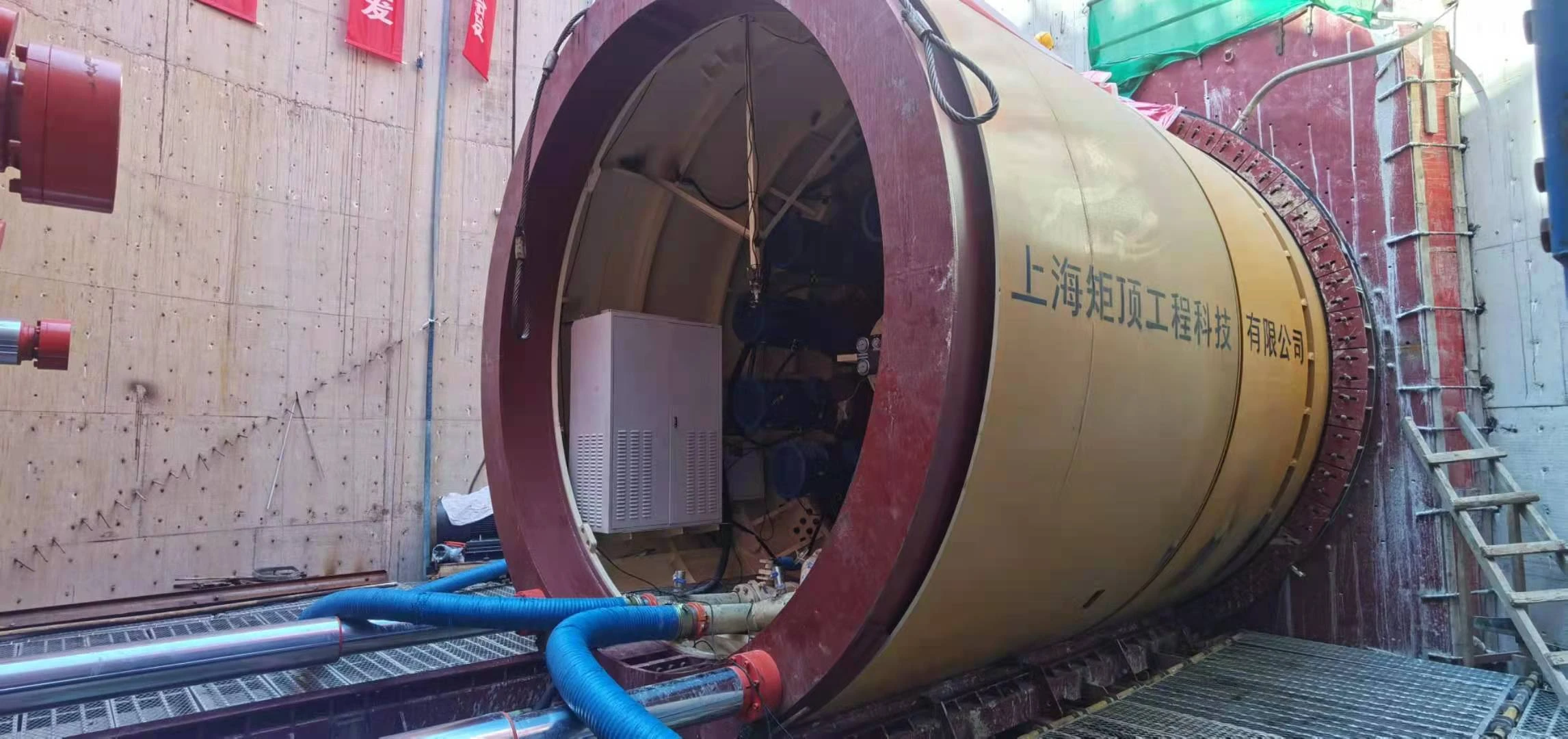
Clear communication is essential in every tunnel boring machine project. If you lose contact, TBM tunnel comms failures can cascade into stoppages, leading to delays and increased costs. The table below illustrates how missing information can negatively impact tunnel timelines and budgets. CEGC is here to help you keep your tunnel project safe.
|
Evidence Type |
Description |
|---|---|
|
Lack of Communication |
Missing information and feedback between different groups can cause project delays and increase costs. |
Key Takeaways
-
Good communication is very important for tunnel boring machine projects. It stops delays and saves money.
-
Watching things as they happen helps find problems early. This lowers the chance of stoppages from water getting in or machines breaking.
-
CEGC gives solutions like modular systems and guidance technology. These tools help keep the project safe and working well.
Why TBM Tunnel Comms Failures Matter
Real-Time Coordination in Tunnel Operations
You need communication to keep a tunnel boring machine project running. When it fails, problems spread quickly. Teams cannot get real-time data, so they cannot watch or manage the project well. This causes slowdowns and teams do not work together right. The problems get bigger when you try to handle things like moving supplies, water coming in, and ground changes. If you cannot check muck removal or segment supply, the tunnel gets delayed. Water coming in is harder to control, and you cannot watch it closely. You need fast feedback for quality checks, but a failure stops this and makes things worse. Many studies show that project management needs real-time watching. When you lose communication, problems get much bigger. You cannot check tunnel conditions or watch water coming in. The tunnel boring machine faces more danger, and the project slows down.
|
Evidence Type |
Description |
|---|---|
|
Breakdowns can lead to operational bottlenecks and misalignment in project execution. |
|
|
Real-time Data Reliance |
Effective coordination among teams is hindered, increasing risks during excavation. |
|
Quality Control Importance |
Real-time monitoring systems are essential for immediate feedback, which is compromised by poor communication. |
Safety, Logistics, and Emergency Response
Safety needs clear tunnel communication. If it fails, emergency response and disaster planning get harder. You must watch water coming in and deal with ground problems, but a failure makes this tough. Logistics get harder as you try to move muck and put in utilities. If you cannot check tunnel conditions, water coming in is a bigger risk. Project managers need to study tunnel safety and plan for problems. Limited ways in and out and comms failures make emergency drills more important. You must study tunnel risks and watch water coming in to keep your project safe. CEGC gives you good specs and custom plans to help you with tunnel watching and project management. You can check tunnel conditions, watch water coming in, and lower the risk of failure. With CEGC, you make tunnel safety and project management better.
-
Handling materials gets harder, so teams must work together to move muck, bring in segments, and put in utilities.
-
Slowdowns in moving things can stop TBM work, even if the machine is ready.
-
Planning for emergencies must think about comms problems and few ways in or out.
Tip: Practice emergency drills often to study tunnel risks and get better at handling disasters. Watching water coming in and tunnel conditions keeps your project safe.
How Comms Failures Cascade into Stoppages
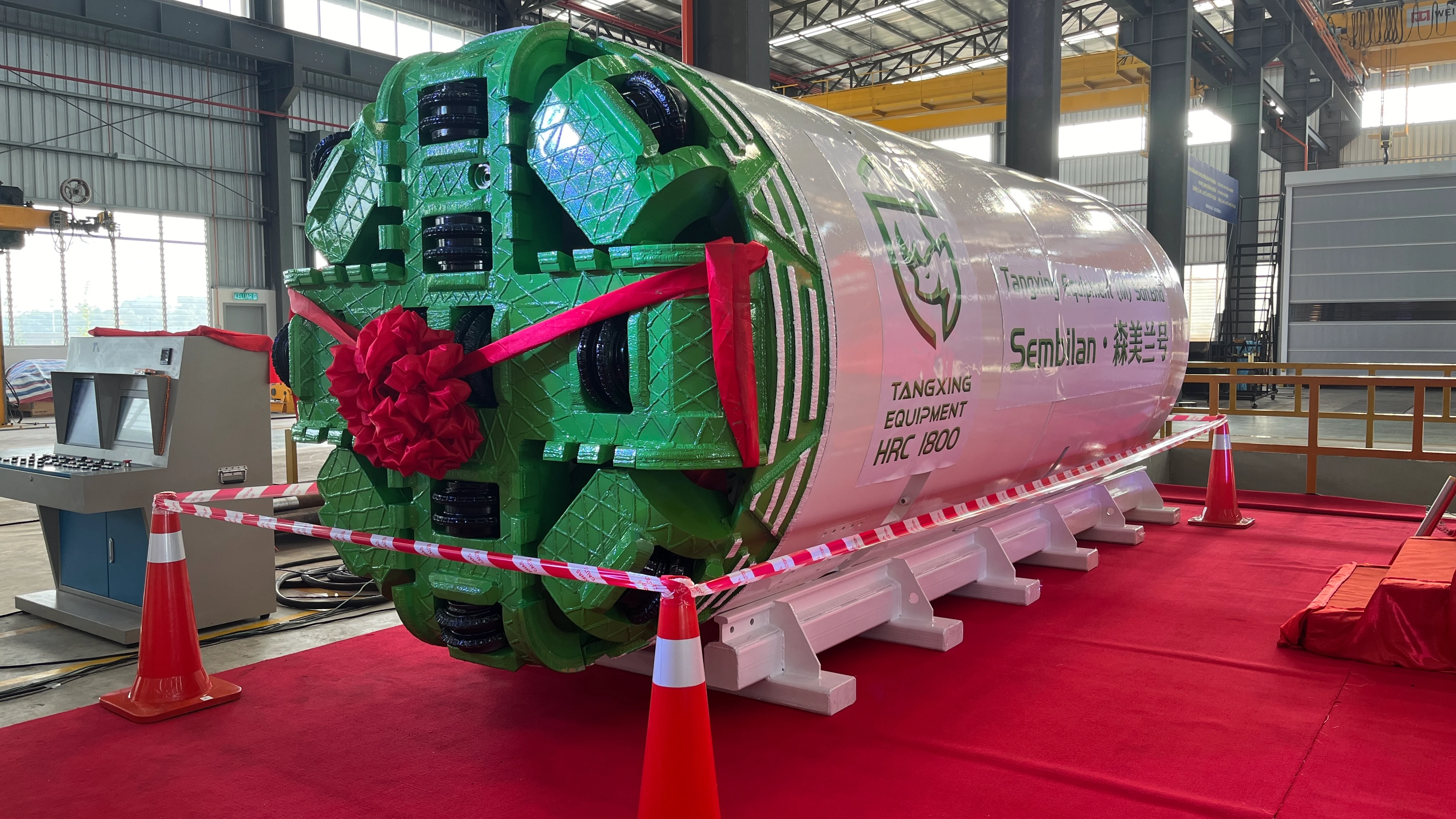
Common Causes in TBM Tunnels
Working in a tunnel brings many risks. Equipment can break, signals can get lost, and things can get damaged. These problems happen in every tunnel boring machine project. If a cable snaps or water floods a control box, you lose contact. Sometimes, rockburst shakes the tunnel and hurts sensors. Water ingress can cause electrical failure, so you must watch for it. When digging through hard rock, rockburst prediction helps you plan, but sudden failures still happen. You need to check for water ingress at each stage. Missing a warning can stop the tunnel. You must protect your tunnel boring machine from water ingress and rockburst. Every project faces these risks. Real-time monitoring helps you catch problems early.
-
Equipment breaking stops tunnel work.
-
Losing signals makes it hard to send alerts about water ingress or rockburst.
-
Damage from rockburst or water ingress causes tunnel system failure.
Immediate and Domino Effects
Losing communication causes stoppages right away. The tunnel boring machine stops because commands cannot be sent. Support teams wait for updates, but failure keeps them idle. Logistics slow down because you cannot track muck removal or segment supply. Water ingress gets harder to control. Teams cannot be warned about rockburst or water ingress. The tunnel faces more danger. The project must stop to fix the failure. If you do not act fast, tbm tunnel comms failures can cascade into stoppages. One problem leads to another. Water ingress causes electrical failure. Rockburst prediction misses a warning, and more stoppages happen. The tunnel boring machine waits for repairs. Teams lose time. The project slows down. You must check for water ingress and rockburst at every step. Missing a sign means tbm tunnel comms failures can cascade into stoppages.
Note: Keep emergency drills ready. Practice often to handle water ingress and rockburst. Quick action stops failure from spreading.
|
Stoppage Cause |
Immediate Effect |
Domino Effect |
|---|---|---|
|
Equipment malfunction |
Tunnel boring machine stops |
Support teams and logistics halt |
|
Signal loss |
No alerts for water ingress |
Water ingress spreads, more stoppages |
|
Physical damage |
Sensors fail from rockburst |
Missed rockburst prediction, delays |
Technical Solutions from CEGC
You need strong solutions to stop tbm tunnel comms failures from causing stoppages. CEGC gives you modular systems to help prevent failure. Predictive and preventive maintenance helps you catch problems before stoppages happen. You check for water ingress and rockburst at every stage. Face pressure control technology lets you adjust for ground changes. This keeps the tunnel stable and stops water ingress. In soft ground, you stop overexcavation and face instability. In hard rock, you manage cutter wear and keep the tunnel boring machine moving. Rockburst prediction helps you plan for sudden events. Guidance systems keep the tunnel on track. CEGC offers laser guidance, total station, and automated systems. These help you correct drift and keep grade and line tight. Dashboards and emails send quick alerts. Continuous monitoring gives feedback and helps you fix failure fast.
|
Method/Technology |
Description |
|---|---|
|
Laser Guidance System |
Projects onto a target in the tunnel boring machine, keeps grade and line within tight limits. |
|
Total Station |
Used with pipe-mounted targets for longer tunnel drives. |
|
Automated Guidance |
Offers high precision for curved or long tunnels. |
Real-time monitoring shows results. In London, ground movement stays under 3 millimeters. In New York City, tunnel work goes 22% faster in tough ground. Modular assembly fits tight sites and speeds up repairs. You plan for water ingress and rockburst. Spare parts are kept ready. Maintenance-friendly layouts help fix failure quickly. You must check for water ingress and rockburst prediction often. Missing a sign means tbm tunnel comms failures can cascade into stoppages. CEGC’s solutions keep your tunnel safe and your project on track.
-
Face pressure control lets you adjust for water ingress and ground changes.
-
Guidance systems help you avoid failure from drift or misalignment.
-
Modular design speeds up repairs and keeps the tunnel boring machine moving.
-
Continuous monitoring helps you catch water ingress and rockburst before they cause stoppages.
You must use these tools to stop tbm tunnel comms failures from causing stoppages. You keep your tunnel safe. You protect your project from failure. You watch for water ingress and rockburst at every step. Rockburst prediction helps you plan ahead. CEGC helps you manage every risk. You keep your tunnel boring machine working. You stop failure before it spreads. You make sure tbm tunnel comms failures can cascade into stoppages do not slow your project.
You must have good communication in every tunnel project. If teams do not share updates, the tunnel can stop. Water coming in makes things worse and slows the project. CEGC helps you by watching the tunnel in real time. You get help with torque management for each tunnel. Custom plans stop water coming in and prevent failure. Your project stays safe.
-
CEGC engineers help you pick the right torque for each tunnel.
-
Sensors watch torque and water coming in to stop failure.
CEGC’s solutions keep your tunnel project going. They stop water coming in and failure before they spread.
FAQ
What causes water ingress in a tunnel project?
You see water ingress when groundwater enters the tunnel. This happens if the tunnel lining cracks or the project faces high pressure from outside water.
How does water ingress affect your tunnel project?
Water ingress can stop your tunnel work. It damages equipment and delays your project. You must control water ingress to keep your tunnel safe and your project on track.
How can you prevent water ingress during a tunnel project?
You can use sealing systems and face pressure control. These methods protect your tunnel from water ingress. You keep your project safe and avoid costly tunnel stoppages.


