
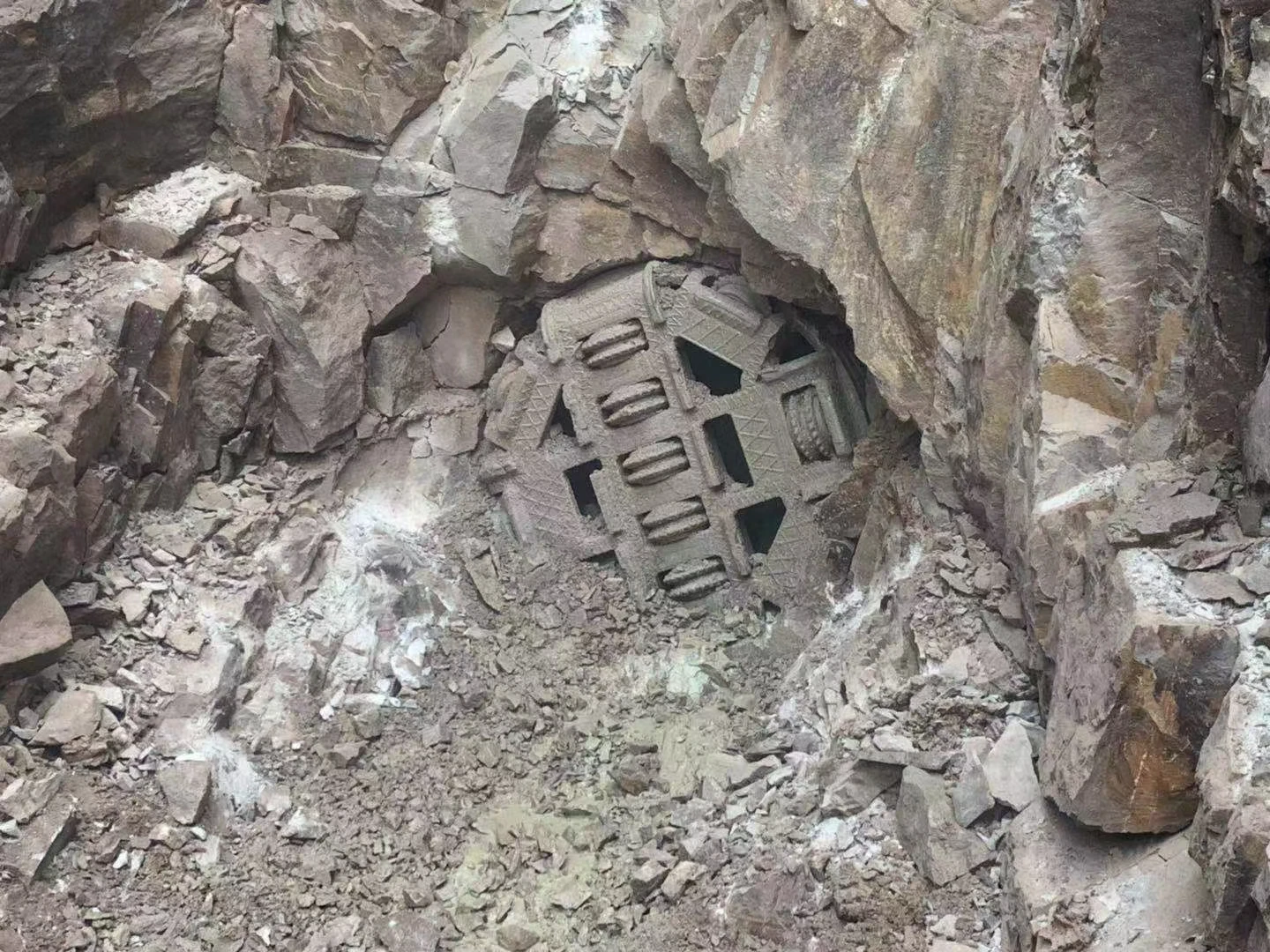
When you need your tunnel machine to perform reliably in challenging environments, micro tunneling torque reserve reduces restart failures by providing extra power exactly when it's needed. CEGC offers tunnel boring machines and microtunnelling machines equipped with market-standard features, ensuring dependable operation. With CEGC, you can also choose custom options tailored to your project requirements, helping your work progress faster and more efficiently.
Key Takeaways
-
Micro tunneling torque reserve gives more power. It helps tunnel machines move through hard ground. This also lowers the chance of restart failures.
-
CEGC makes tunnel boring machines you can change. You can pick the torque reserve level for your project’s ground.
-
Good torque management makes work safer. It means less time when machines stop. It also helps the project finish faster and saves money.
Micro Tunneling Torque Reserve Reduces Restart Failures
What Is Torque Reserve
Tunnel machines need to keep working underground. Torque reserve gives extra turning power for tough spots. When the soil is hard or rocks show up, the machine uses this power to keep going. You do not need to worry about sudden stops or weak work. CEGC builds tunnel machines and microtunnelling machines with torque reserve. This feature helps you finish jobs faster and with fewer delays.
Tip: Torque reserve is like a backup battery for your tunnel machine. It gives extra strength when you need it most.
Role In Tunnel Machine Restart
Restart failures can slow your project and cost more money. When your tunnel boring machine stops, restarting is hard if the cutterhead faces soil or muck. Micro tunneling torque reserve helps reduce restart failures by giving enough power to get past these problems. You get smoother restarts and less downtime. CEGC lets you customize torque reserve to fit your project’s ground. You stay in control and avoid surprise stoppages.
Here is a table showing how torque reserve affects tunnel machine performance in different studies:
|
Key Aspect |
Description |
|---|---|
|
Performance of TBMs in rock–soil interface mixed ground |
Accurate estimates of machine performance are important for project checks. Studies talk about rock properties and how they affect TBM performance. |
|
Influence of jacking force and cutterhead torque during shield tunneling in soft ground |
There is a strong link between jacking force, cutterhead torque, and tunneling speed. Improving torque helps boost tunneling speed and safety. |
|
Response of vertical displacement to deviations in jacking force and cutterhead torque |
Torque affects tunneling speed and construction safety. Studies show the link but do not measure torque reserve directly. |
Impact On TBM And Microtunnelling Machine Performance
You want your tunnel boring machine to work well in all conditions. Micro tunneling torque reserve makes your machine more dependable and reduces restart failures. You get better efficiency and project results. With enough torque reserve, you avoid delays from hard ground or muck blockages. CEGC’s tunnel machines and microtunnelling machines meet market standards and offer custom options. You can pick the right torque reserve for your needs.
Micro tunneling torque reserve helps reduce restart failures in city projects where ground changes often. You protect your schedule and lower claims from surface movement. You also improve safety because your machine restarts smoothly and avoids sudden shocks. With CEGC, you get a tunnel machine that keeps working, even when the ground is tough.
Common Restart Failure Causes And Solutions
Ground Instability And Water Ingress
Restart failures happen when the ground settles or water gets in. These problems can stop your tunnel machine and slow your project. You need ways to keep your tunnel boring machine safe. CEGC’s closed-mode face support helps control pressure and protect the ground. You can use different technical solutions to handle these risks:
|
Solution Type |
Description |
|---|---|
|
Tapered shield lets the ground close around the machine. This lowers the chance of getting stuck. |
|
|
Probe Drilling |
Checks the ground ahead and lets you add grout. This manages water and makes weak soil stronger. |
|
Shield Lubrication |
Lubrication ports help the shield move in tough spots. |
|
Forepoling |
Puts poles above the machine to make the ground stable and safer. |
Tip: You can use more than one method to keep your tunnel machine safe and lower restart failures.
Cutterhead Wear And Muck Blockage
Cutterhead wear and muck blockage cause many restart failures. Hard or mixed ground makes the cutter wear out and blocks muck flow. You need a plan to keep your microtunnelling machine working well. CEGC gives you strong cutting systems and planned maintenance. You can use these strategies:
|
Maintenance Strategy |
Description |
|---|---|
|
Cuts less area and lowers blockage risk. |
|
|
Rotation and Revolution Method |
Makes cutter wear even and helps it last longer. |
|
Lateral Movement of Cutter Head |
Stops soil from building up and lowers friction. |
|
Technical Improvements |
Keeps mud film short and cutter bit working well. |
Monitoring And Lubrication Strategies
You need to watch your tunnel machine closely. Use sensors to check cutterhead wear and muck flow. Put lubrication on moving parts and shield surfaces. These steps help you stop sudden failures and keep your tunnel boring machine running smoothly. Micro tunneling torque reserve gives extra power when you need it most and reduces restart failures.
Optimizing Torque Reserve For Reliable Operation
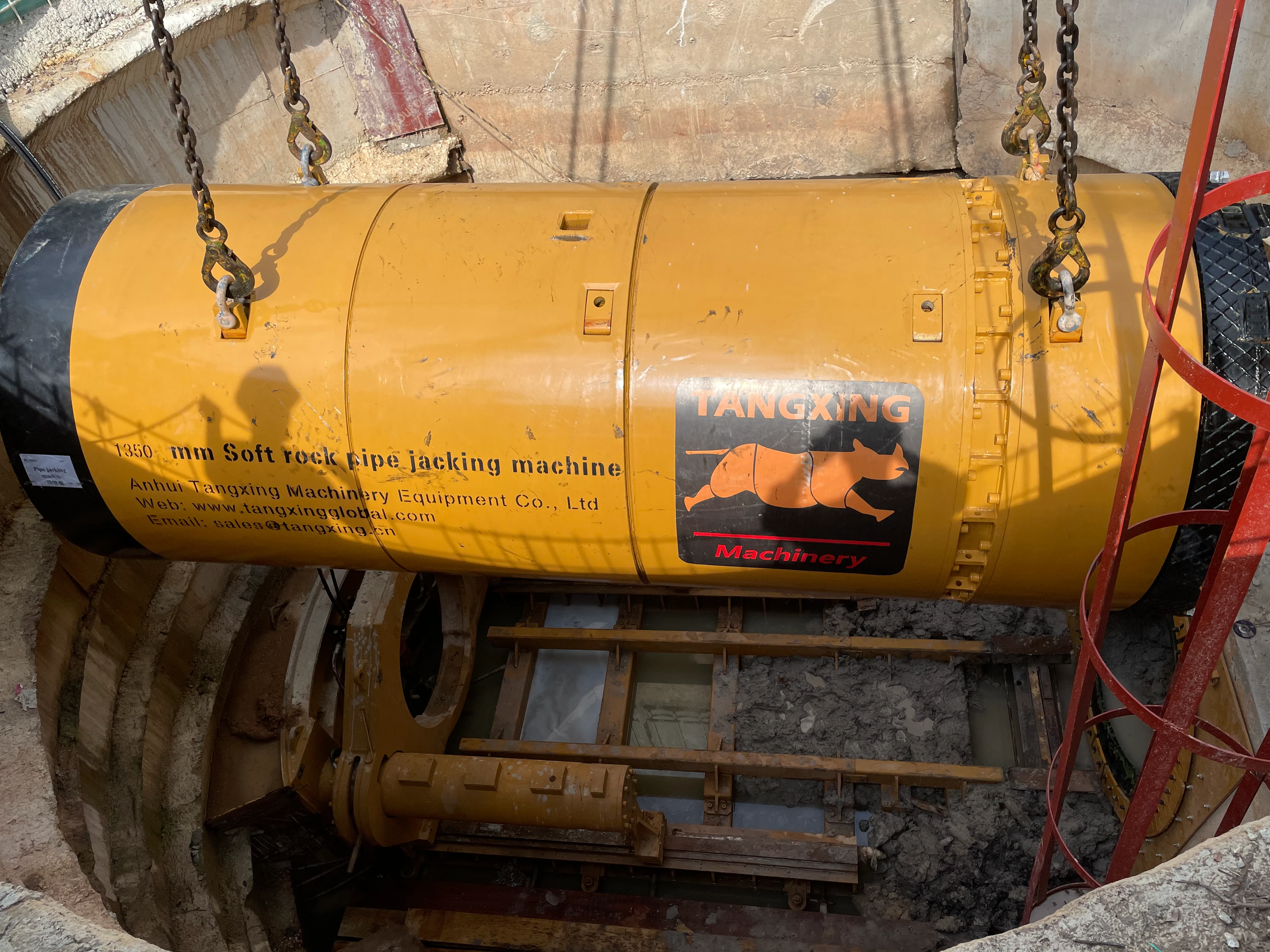
Best Practices For Torque Management
You can make tunnel machines work better by managing torque reserve. Start by using sensors to watch torque levels. These sensors show how the machine is working right now. Use this data to change torque settings before trouble starts. Check torque readings often to stay ahead. Write down torque changes for each project. This helps you see patterns and stop restart failures.
Tip: Set alerts for strange drops in torque. Acting fast keeps your tunnel boring machine working well.
Customization With CEGC Tunnel Machines
CEGC lets you change tunnel machines for your project. You can pick torque reserve levels that fit your ground. Choose market-standard specs or ask for special features. CEGC engineers help you pick the right torque reserve for soft soil, mixed ground, or hard rock. You get a tunnel boring machine or microtunnelling machine that fits your needs. Custom options make your machine work better and cut downtime.
|
Custom Option |
Benefit |
|---|---|
|
Torque Reserve Level |
Fits ground conditions |
|
Sealing Design |
Stops water from getting in |
|
Cutterhead Type |
Works with tough soils and rocks |
Operational And Safety Benefits
Micro tunneling torque reserve lowers restart failures and makes things safer. You avoid sudden stops that can cause accidents. Good torque reserve keeps your project moving on time. You save money by cutting downtime and fixing costs. Your team works in safer places. CEGC tunnel machines help you feel sure about every project.
Note: Good torque management keeps your investment safe and helps you finish jobs faster.
-
Micro tunneling torque reserve helps stop restart failures. It makes your tunnel machine work well and stay reliable.
-
CEGC lets you pick tunnel boring machines and microtunnelling machines that fit your project.
-
You get safer work, spend less money, and see better results.
Tip: Pick CEGC if you want tunnel machines you can trust.
FAQ
What is torque reserve in a tunnel machine?
Torque reserve gives your tunnel machine more turning strength. You use it when the ground is hard or the cutterhead gets stuck.
How does torque reserve reduce restart failures?
Torque reserve helps your tunnel boring machine move through muck or hard dirt. This makes restarts easier and keeps your project on track.
Can you customize torque reserve with CEGC tunnel machines?
|
Option |
Benefit |
|---|---|
|
Torque Reserve |
Works with your ground type |
|
Cutterhead Type |
Handles really tough ground |
You can pick what works best for your project.


