
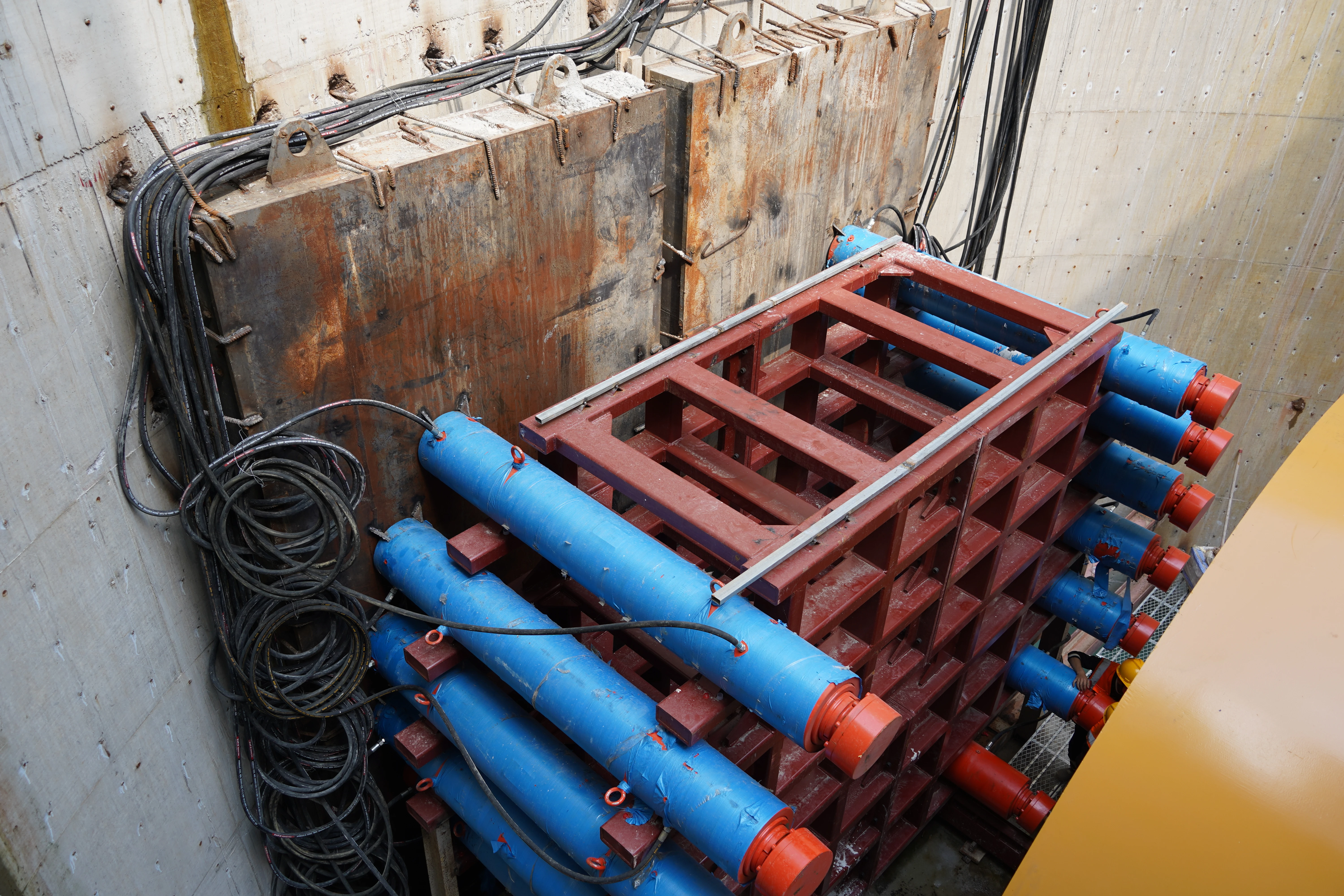
Micro tunneling coatings cut slurry line fouling by preventing buildup before it begins. CEGC delivers solutions that ensure your tunnel machine operates efficiently. Clean slurry lines help your TBM or Microtunnelling Machine perform at higher speeds and enhance safety. With micro tunneling coatings that cut slurry line fouling, you avoid unnecessary work stoppages for repairs and save money on maintenance.
Key Takeaways
-
Micro tunneling coatings stop slurry line fouling. They make a barrier that keeps pipes clean. This means there are fewer work stoppages. It also lowers maintenance costs.
-
Always check slurry consistency and pump pressure. This helps you find fouling problems early. Being proactive keeps the project on schedule. It also cuts down on downtime.
-
Pick the right coating for your soil and slurry. Using the best coating makes pumps work better. It also keeps your equipment safe.
microtunneling slurry line fouling issues
causes of fouling in microtunneling
You face many challenges when you work with microtunneling. One of the biggest problems is slurry line fouling. Slurry carries excavated material from the tunnel face to the surface. If you do not keep the lines clean, material can stick to the inside of the pipes. This buildup blocks the flow and causes fouling. You often see this problem when you use pumps that move thick or sticky slurry. The pumps can slow down or even stop if the lines get clogged. In microtunneling, you need to keep the slurry moving at all times. If the pumps cannot push the slurry, the whole system can fail. You may also see fouling when the ground has a lot of clay or fine particles. These materials stick to the pipes and make it hard for the pumps to work. You must watch for changes in the slurry and check the pumps often.
Tip: Always monitor the consistency of your slurry and the pressure in your pumps. Early action can prevent major fouling issues.
impact on TBM and microtunnelling machine performance
Slurry line fouling can stop your microtunneling project. When the pumps cannot move the slurry, your TBM or Microtunnelling Machine must pause. This downtime costs you time and money. You may need to clean the lines or repair the pumps. Every hour lost means your project falls behind schedule. CEGC’s tunnel machine designs help reduce these risks, but you still need to manage slurry and pumps carefully. If fouling happens often, you will see more maintenance and higher costs. Pumps that run with blocked slurry lines can break down. You may need to replace parts or even stop the project for repairs. You want your microtunneling job to finish on time. Clean slurry lines and reliable pumps help you reach that goal.
micro tunneling coatings cut slurry line fouling
coating mechanisms and benefits
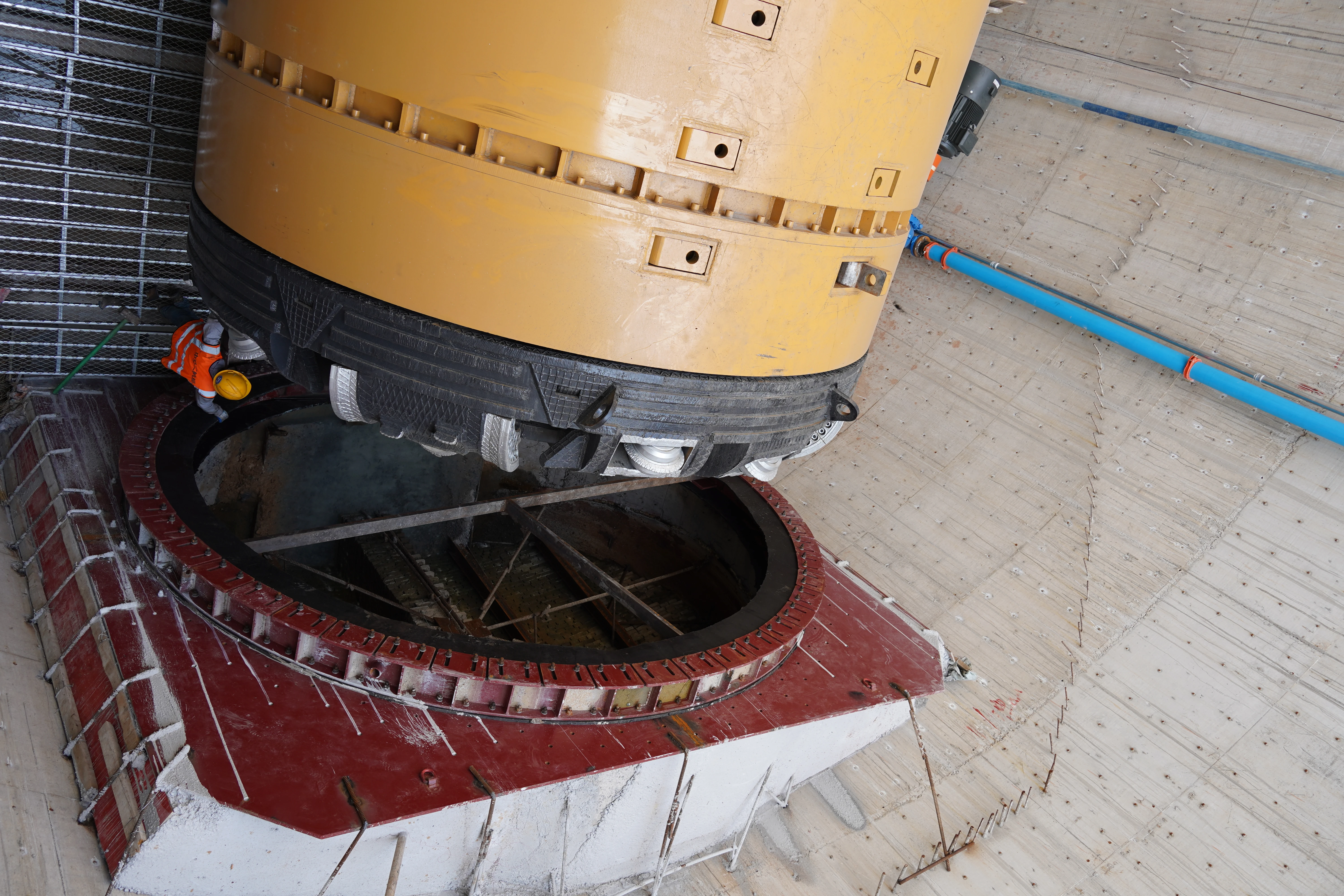
You want your microtunneling project to go well. Micro tunneling coatings cut slurry line fouling by making a barrier inside pipes. This barrier keeps slurry from sticking to pipe walls. When you use coatings, pipes stay clean. Pumps move slurry easily. The coatings make the surface slippery. Slurry slides through pipes and does not pile up. You get fewer stops and less downtime. Pumps stay strong because they do not fight thick buildup. Micro tunneling coatings cut slurry line fouling even in tough conditions. You deal with corrosion and abrasion from soil and slurry. Some soils are rough and can wear pipes quickly. Epoxy coatings protect pipes from these problems. You must prepare the pipe surface before putting on the coating. This step helps the coating stick and last longer. Micro tunneling coatings cut slurry line fouling and keep pumps working fast.
Note: Using coatings lowers the chance of expensive repairs and helps your microtunneling machine last longer.
types of coatings for microtunneling
You have many options when picking coatings. Micro tunneling coatings cut slurry line fouling with different materials. Epoxy coatings are popular because they stop corrosion and abrasion. You use epoxy for hard soils and tough slurry. Polyurethane coatings help too. They make pipes smooth and bend easily. Some jobs need special coatings for tricky ground. CEGC gives standard coatings and custom choices. You pick coatings based on what your project needs. Micro tunneling coatings cut slurry line fouling by matching the right material to the soil and slurry. You protect pipes and pumps from harm. You keep slurry moving and stop blockages. Pumps work better with the right coating. Micro tunneling coatings cut slurry line fouling in all microtunneling jobs.
|
Coating Type |
Main Benefit |
Typical Use Case |
|---|---|---|
|
Epoxy |
Corrosion resistance |
Highly abrasive soils |
|
Polyurethane |
Flexibility & smoothness |
Mixed ground conditions |
|
Custom Solutions |
Project-specific protection |
Unique soil or slurry |
real-world results with CEGC solutions
You see real results when you use CEGC’s coatings. Micro tunneling coatings cut slurry line fouling and keep your project moving. In one city job, CEGC used epoxy coatings on slurry lines. The pipes stayed clean, and pumps moved slurry without stopping. The project finished early. You avoid downtime and save money on fixing things. Pumps last longer because they do not get blocked all the time. Micro tunneling coatings cut slurry line fouling and help you reach your goals. CEGC gives coatings that fit your project. You get standard performance or custom solutions. You see fewer repairs and more working time. Pumps stay reliable, and slurry flows well. Micro tunneling coatings cut slurry line fouling and make your microtunneling project successful.
Tip: Pick coatings that match your soil and slurry. You protect pumps and keep your microtunneling machine working well.
microtunneling slurry pump system and alternative solutions
role of slurry pump systems in fouling prevention
The microtunneling slurry pump system helps keep pipes clear. Pumps push slurry through the pipes and stop clogs. The system uses a closed loop to move the slurry mix. This loop controls flow and helps stop blockages. Slurry separation takes out solids so water can be used again. Pumps with high tolerance rotors let solids go through without blocking the pipe. VFD driven pumps change how much slurry moves to fit your project. These features make the slurry pump system work well and stay reliable.
|
Component/Function |
Description |
|---|---|
|
Closed Pipeline Loop |
Circulates the slurry mix, managing flow and preventing blockages. |
|
Slurry Separation |
Removes solids from the slurry, allowing water to be recirculated. |
|
VFD Driven Pumps |
Adjust flow volumes based on project specifications, enhancing efficiency. |
|
High Tolerance Rotor |
Prevents clogging by allowing solids to pass through without obstruction. |
Pumps can handle solids as big as 12 inches wide. This means you do not need to fix things as often. Microtunneling keeps going without many stops. Pumps can move thick slurry and heavy materials. You do not get as many clogs or downtime.
-
The EDDY Pump's rotor design lets solids move without clogging.
-
Pumps need less fixing and keep pipes clear.
-
Pumps work with thick slurry and heavy materials.
comparison with other fouling control methods
There are different ways to control fouling in microtunneling. Coatings protect pipes and make them slippery. Pumps keep slurry moving and stop clogs. Cleaning methods help pumps work better. You must think about things like pH, how fast the slurry moves, and temperature. These things change how well pumps and coatings work.
|
Parameter |
Influence on Effectiveness |
|---|---|
|
Type of draw solution |
Affects membrane separation efficiency |
|
pH |
Influences fouling rates and cleaning effectiveness |
|
Cross-flow velocity |
Impacts filtration efficiency and fouling management |
|
Temperature |
Affects membrane performance and fouling behavior |
|
Cleaning methods |
Essential for maintaining pump efficiency and reducing fouling |
Coatings work best when you have rough soils or sticky slurry. Pumps are good when you need to move big solids or thick slurry. Trenchless technology uses both coatings and pumps for strong results. You get fewer clogs and more time working. You protect your pipes and keep your project moving.
Tip: Use both coatings and a slurry pump system for the best results in microtunneling. You reduce fouling and keep your pipeline clear.
You get cleaner slurry lines when you use micro tunneling coatings from CEGC. You have fewer stops in your project. Use coatings with a good slurry pump system for the best TBM results. Pick coatings that fit your soil and slurry. Ask CEGC for help and custom choices for your project.
FAQ
What coating works best for microtunneling slurry lines?
Epoxy coatings give strong results. Epoxy stops pipes from rusting and wearing out. Polyurethane is good for mixed ground. CEGC can make special coatings for tricky soil.
How often should you check slurry lines for fouling?
Check slurry lines every day. Early checks help you find buildup fast. You stop downtime and keep your tunnel machine working well.
Can you use coatings with any TBM or Microtunnelling Machine?
You can use coatings with most TBM tunnel boring machines and Microtunnelling Machines. CEGC helps you pick coatings that fit your project.


