
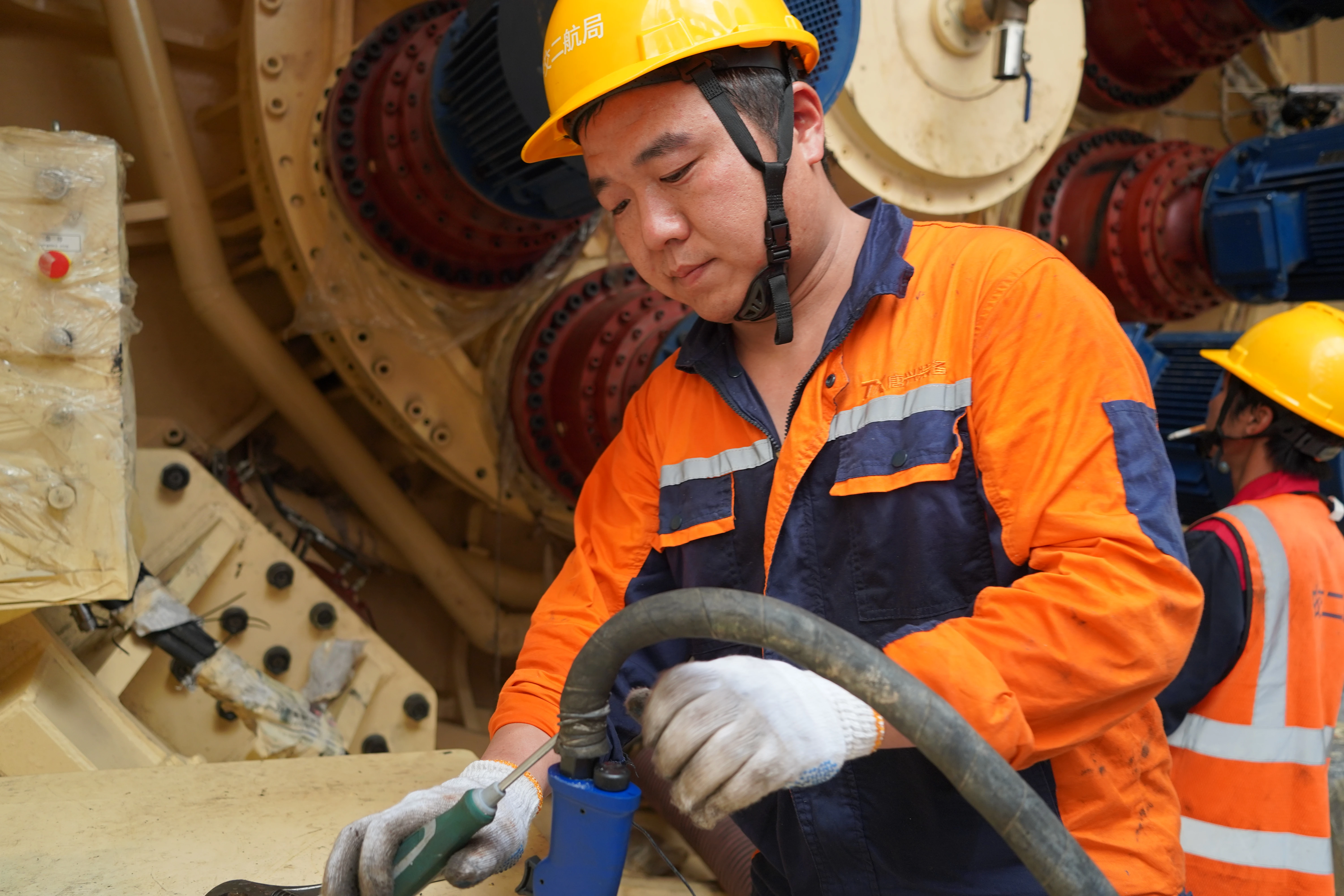
TBM tunnel clogging often starts at uncoated zones. Coating is essential as it prevents material from building up. Both coating and anti-adhesion coating effectively help stop TBM tunnel clogging at these uncoated zones. CEGC provides tailored tunnel machine solutions for each project. In urban TBM tunneling, a robust ground support system is crucial.
|
Risk Type |
Description |
|---|---|
|
Settlement |
A significant risk that can lead to sinkholes, cracked foundations, and tunnel collapses. |
|
Face Instability |
Occurs due to excessive digging or loss of face pressure, compromising tunneling safety. |
|
Water Ingress |
Risks arise from inadequate ground conditioning and back-filling, leading to water issues. |
TBM tunnel clogging starts at uncoated zones, making it imperative to utilize coating to mitigate these challenges. Coating effectively prevents TBM tunnel clogging at uncoated zones, while anti-adhesion coating aids in muck movement. Without proper coating, TBM tunnel clogging is likely to occur at uncoated zones.
Key Takeaways
-
Coating is very important to stop TBM tunnel clogging. It makes a layer that stops clay from sticking to metal.
-
Using anti-adhesion coatings helps muck move better. These coatings let clay slide off, so the tunnel boring machine stays clean and works well.
-
A strong ground support system is needed for safe tunneling. It keeps the clay-metal area steady and lowers the chance of clogging.
Uncoated zones and TBM tunnel clogging
Why TBM tunnel clogging often starts at uncoated zones
Uncoated zones are places on a tunnel boring machine without a protective layer. These spots usually show up where the shield or cutterhead touches the ground. The tunnel boring machine’s surface touches clay directly. When you use the machine in clay, the clay-metal interface becomes a problem. Clay sticks to the metal. This happens because the clay-metal interface has high shear strength. Sticky clay builds up on the metal and causes clogging.
The risk of shield clogging goes up when there are many uncoated zones. Clay sticks to the shield, and the problem gets worse. More clay sticking means more clogging. The clay-metal interface does not let clay slide off easily. The sticky clay and metal make the machine clog often. Muck transport slows down. Clay piles up, and the machine cannot move forward. The clay-metal interface makes the clogging hard to clean.
You need to check your project’s safety classification. If you work underground where it is corrosive, the clay and metal stick even more. The clay-metal interface gets rough, and the shear strength goes up. The sticky clay makes clogging worse. You should try to stop shield clogging before you start working.
Impact of uncoated zones on muck transport and slurry balance
Uncoated zones change how muck moves. Clay sticks to the metal and blocks the flow. Muck cannot move smoothly. Clogging makes muck back up in the tunnel. Clay builds up at the clay-metal interface and is hard to clean. The clay-metal interface keeps the clay stuck.
Slurry balance changes when clay sticks to the metal. The clay-metal interface stops the slurry from moving. Clogging changes the pressure in the tunnel. Clay blocks the pipes, so muck cannot get out. The clay-metal interface can make slurry leak or overflow. The clay stays stuck, and clogging gets worse.
CEGC’s tunnel boring machine and Microtunnelling Machine help with these problems. CEGC uses real-time detection to find clogging early. The machines use soil conditioning to change the clay and reduce sticking. Muck transport systems move clay out fast. Face pressure control systems keep pressure steady, so clogging does not get worse. CEGC uses predictive maintenance to check for problems before they stop your project. The machines use numerical models to guess where clay will stick. Regular maintenance keeps the clay-metal interface clean and lowers the shear strength.
You can pick CEGC’s tunnel boring machine or Microtunnelling Machine for your project. You get good performance and can change settings for your ground. You can adjust pressure, sealing, and soil conditioning to stop sticking and prevent clogging.
Here is a table that shows how CEGC’s tunnel boring machine and Microtunnelling Machine compare to industry standards for stopping shield clogging:
|
Feature |
Description |
|---|---|
|
Real-time detection |
Uses AI to watch sensors for early clogging risks. |
|
Soil conditioning |
Changes clay to help it flow and stick less. |
|
Muck transport systems |
Moves clay out fast to stop clogging in the chamber. |
|
Face pressure control systems |
Keeps pressure steady to stop blockages from sticky clay. |
|
Predictive maintenance programs |
Finds problems before they cause clogging. |
|
Numerical models |
Guesses tunnel stability and where clay will stick. |
|
Maintenance practices |
Regular checks keep the clay-metal interface clean. |
|
Flexibility and efficiency focus |
Meets industry standards for soil conditioning and muck transport. |
CEGC’s tunnel boring machine and Microtunnelling Machine give you tools to handle sticking at the clay-metal interface. You can keep muck moving, keep slurry balanced, and lower the risk of clogging. You can work safely, even underground where it is corrosive, and meet your safety needs.
Coating and anti-adhesion coating solutions
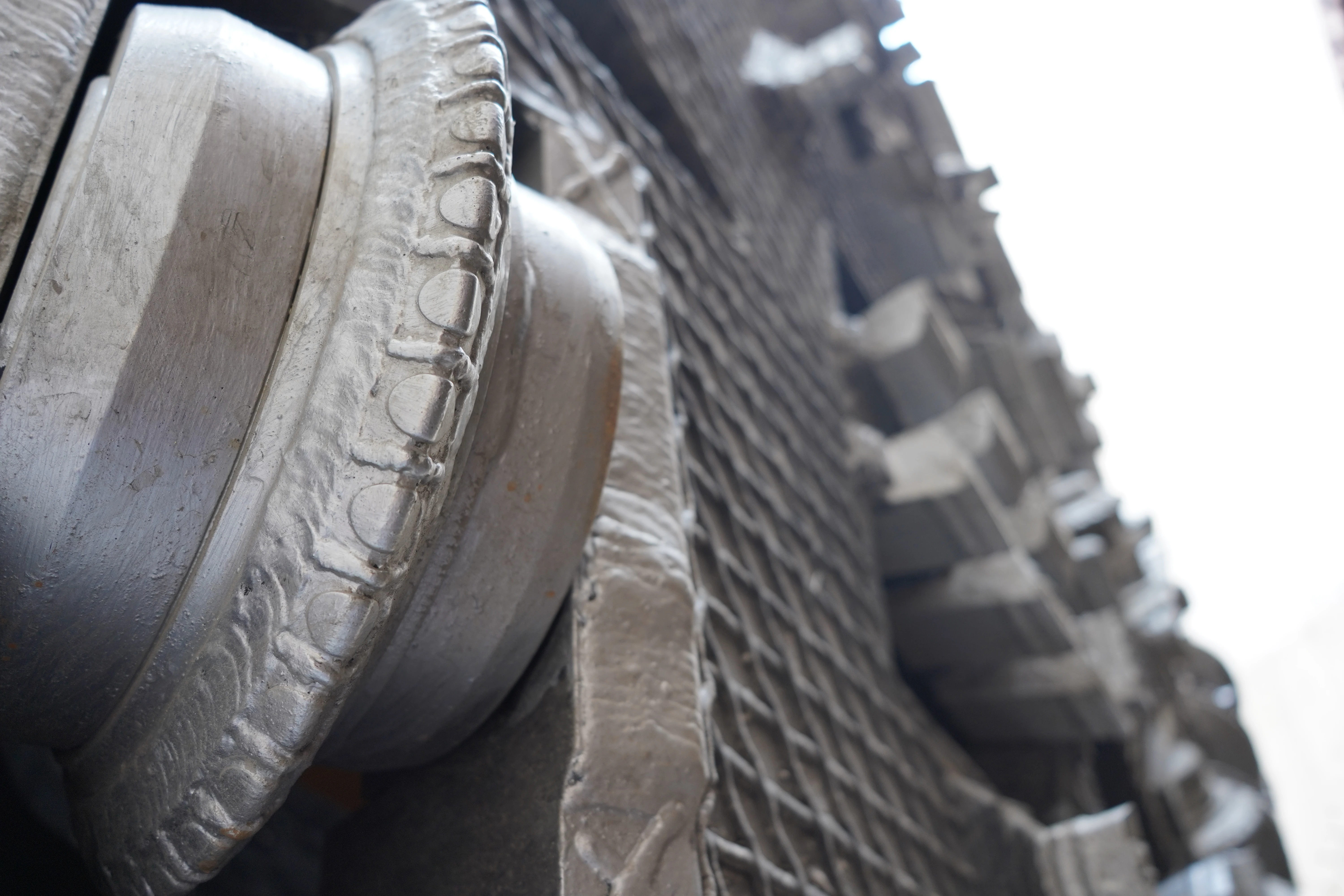
Role of coating in preventing tunnel clogging
When you use a tunnel boring machine in clay, you face problems. Clay sticks to the metal because of the clay-metal interface. This sticking causes clogging. The clay-metal interface is strong, so clay does not slide off. You need something to stop clay from sticking. Coating helps with this issue.
Coating acts as a barrier between clay and metal. It lowers how much clay sticks to the metal. You see less clay sticking. Coating makes it easier for clay to move. The tunnel boring machine keeps working. Coating also protects metal from water and chemicals. This gives frp rock bolts and other metal parts a longer life.
In real projects, anti-adhesion coatings like SiO2 aerosol @ DGEBA work well. These coatings are used in underground water drainage tunnels. They use superhydrophobic materials. These materials stop water and clay from sticking. You get better results and less clogging. Coating helps with cleaning. You spend less time cleaning the clay-metal interface. The tunnel boring machine works longer.
Anti-adhesion coating for improved muck transport
Anti-adhesion coating is important for muck transport. It covers the clay-metal interface. It lowers how much clay sticks to the metal. It makes clay slide off the metal. It keeps muck moving.
You use anti-adhesion coating to stop clogging. It makes the clay-metal interface smooth. It blocks clay from building up. It helps keep the tunnel boring machine clean. It also protects metal from harsh clay. It lowers the need for maintenance.
You can use anti-sticking coating and anti-adhesion substance. These help reduce sticking at the clay-metal interface. They work together to lower the strength of the clay-metal interface. You get less clogging and better muck transport. They keep clay moving and help avoid downtime.
Using anti-adhesion coatings is important for your project. You get better muck transport and less clogging. You keep the clay-metal interface clean. You lower the strength of the clay-metal interface. You improve how your tunnel boring machine works.
Technical solutions for ground support system
You need a strong ground support system to stop clogging. It helps control the clay-metal interface. It uses coating, anti-adhesion coating, and anti-sticking coating. It also uses advanced technical solutions.
CEGC gives you closed-mode face support. This lets you adjust pressure at the tunnel face. You keep the clay-metal interface stable. You stop clay from sticking and causing clogging. The ground support system uses soil conditioning. You add foam, polymers, or bentonite to the clay. This lowers how much clay sticks to the metal. You get less clogging and better muck transport.
Stable pressure is very important for controlling the TBM tunnel face. Advanced TBM systems change pressure for different soils. Grouting and soil conditioning make the ground stronger and reduce settlement.
The ground support system also has sealing architecture. Sealing keeps water out. Sealing protects the clay-metal interface. You get less clogging and better results. The ground support system helps avoid face collapse and water getting in.
You can customize the ground support system. You pick the pressure range, sealing design, and conditioning interface. You match the system to your project. The ground support system uses modular design. You can assemble and repair the tunnel boring machine fast. You get more uptime and less maintenance.
Here is a table showing the main features of CEGC’s ground support system:
|
Feature |
Description |
|---|---|
|
Closed-mode face support |
Lets you adjust pressure to keep the clay-metal interface stable. |
|
Soil conditioning |
Uses foam, polymers, or bentonite to lower adhesion and shear strength of the clay-metal interface. |
|
Sealing architecture |
Keeps water out and protects the clay-metal interface. |
|
Lets you pick pressure, sealing, and conditioning for your project. |
|
|
Modular design |
Makes assembly and repairs fast for less downtime and maintenance. |
You also need the right cutterhead and settings. A V-shaped cutter with the right angle and width helps reduce clogging. You should study the ground before you start. You need to check the clay-metal interface and its strength. You should use predictive maintenance to keep the tunnel boring machine working. You should monitor the clay-metal interface in real time. You should work with CEGC to get the best ground support system.
You can trust CEGC’s tunnel boring machine and Microtunnelling Machine. You get strong coating, anti-adhesion coating, and anti-sticking coating. You get a ground support system that stops clogging. You get better results, less maintenance, and longer life for frp rock bolts. You keep the clay-metal interface clean. You lower the strength of the clay-metal interface. You keep clay moving and avoid downtime.
You notice TBM tunnel clogging begins at uncoated zones since clay sticks to the clay-metal interface. The clay-metal interface has high shear strength, so more clay builds up and sticks. You need coating and anti-adhesion coating to help stop clogging. CEGC gives you tunnel machine solutions that meet industry standards. You should use advanced ground support systems for safe and easy tunneling.
FAQ
What causes TBM tunnel clogging at uncoated zones?
You see clay stick to metal where there is no coating. This sticky clay builds up fast and blocks the tunnel machine.
How does coating help prevent clogging?
Coating creates a smooth barrier. Clay slides off instead of sticking. You keep the tunnel boring machine running longer and cleaner.
Can you customize CEGC’s tunnel machine for different ground conditions?
Yes! You can adjust pressure, sealing, and soil conditioning. CEGC helps you match the tunnel machine to your project’s needs.


