
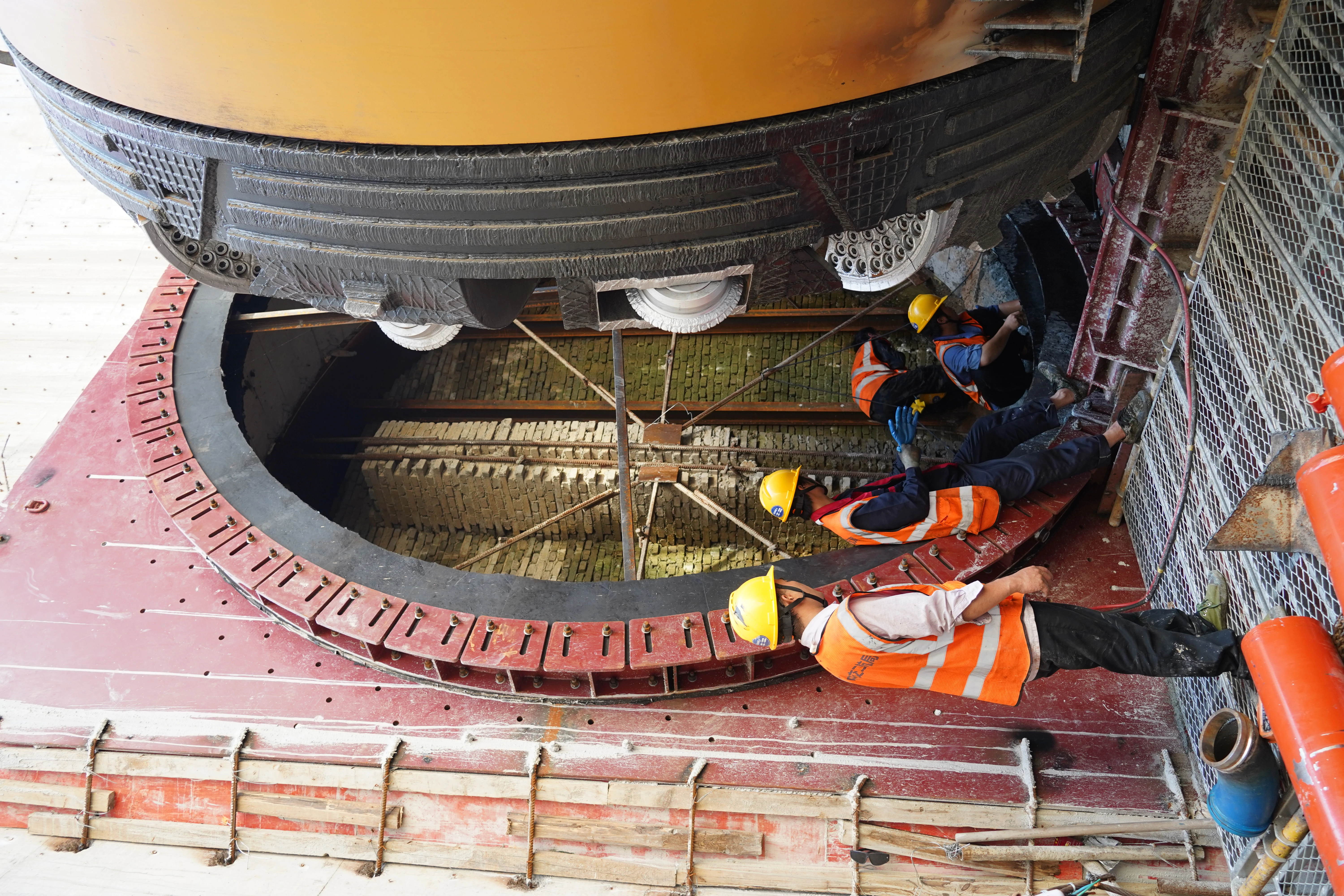
In urban projects, adhering to strict settlement rules is essential. Settlement risk drops in a stable TBM tunnel, thanks to advanced technology from CEGC. Their tunnel boring machine solutions utilize pressure control and ground protection systems to mitigate risks. Research indicates that torque and geology play crucial roles in this process. Innovative tunnel design from CEGC effectively prevents surface issues and minimizes ground movement, ensuring project success.
Key Takeaways
-
Knowing about settlement risk is very important for city tunnel projects. Checking early helps stop harm to buildings and pipes.
-
Using new TBM technology from CEGC keeps ground pressure steady and lowers movement. This makes tunneling safer and faster.
-
Watching things in real time and fixing problems before they happen are important steps. These let teams change plans quickly, keep the project safe, and cut down on waiting.
Settlement Risk in TBM Tunnels
What Is Settlement Risk
It is important to know about settlement risk before building a tunnel. Settlement risk is the chance that the ground above or near a tunnel will move or sink. This can hurt buildings, roads, and pipes under the ground. In cities, even small ground changes can cause big trouble. You should think about these risks early when you design the tunnel.
The table below explains why settlement risk is important for city and utility projects:
|
Evidence Description |
Details |
|---|---|
|
Ground movements can cause significant damage to utility pipelines |
Tunneling can make the ground move in ways we do not expect, which can be worse than planned. |
|
Severe consequences of pipe or tunnel failure |
If work is close to important things, like pipes or tunnels, there could be danger to people and high costs, so we must be careful. |
|
Importance of early utility advice |
Checking pipes and wires early helps you find risks and make sure everything works right. |
You can see that ground movement affects safety, money, and keeping services running. Watching the ground in real time during tunnel work helps keep your project safe and follow the rules.
Causes of Ground Settlement
There are many reasons why the ground can settle during tunneling. The most common reasons are:
-
Not enough face pressure when digging the tunnel can make the ground unstable and cause it to fall in.
-
Digging too much can make the ground move down.
-
Losing ground during tunneling is a big reason for settlement. Usually, ground loss is between 0.2% and 1%, but it can be more than 2% if the soil is weak or the way of tunneling is not good.
-
Gravity, water draining, and shaking also make the ground move.
If the tunnel face is not stable, settlement risk goes up, especially in mixed ground. If the tunnel boring machine does not hold up the face well, too much ground can be dug out and the surface can fall in. Water getting in can change the stress and water pressure in the ground, which can make the tunnel less stable and cause the ground to settle for a long time.
CEGC works on these problems by using new tunnel machine technology. Their machines help control face pressure, stop ground loss, and lower the risk of ground movement when building tunnels.
How Settlement Risk Drops in a Stable TBM Tunnel
Stability Factors in TBM Tunneling
It is important to know what keeps a tunnel safe. Using a tunnel boring machine brings many problems. Bad ground can make tunneling hard. How you dig affects the whole tunnel. You must figure out the right support pressure for the soil. This keeps the tunnel strong.
-
Support pressure changes a lot in non-cohesive soils. You need to plan well.
-
In cohesive soils, your calculations are more reliable. You can trust your results.
-
The critical stability ratio and soil cohesion matter in your design.
-
Local knowledge helps you pick the best plan for each job.
The table below shows how soil and TBM type change performance and settlement risk:
|
Soil Type |
TBM Type |
Performance Characteristics |
|---|---|---|
|
Cohesive Soils |
EPB |
Balances earth and water pressures, making the tunnel face stable and lowering settlement risk. |
|
Granular Soils |
STBM |
Works well in wet ground, reduces settlement, and helps tunneling go smoothly. |
Matching the right TBM to the soil makes tunnels safer. It also lowers the chance of ground moving.
Mechanisms for Risk Reduction
There are many ways to lower settlement risk in a stable TBM tunnel. The EPB mode is the most important. This keeps pressure in the digging chamber. It balances earth and water at the tunnel face. You stop too much ground movement. The tunnel stays safe while you dig.
-
You use foams and polymers to treat the soil. This makes the soil move better. It supports the tunnel face and keeps pressure steady.
-
You put in segmental linings right after digging. This gives strong support to the tunnel.
-
You use tough, strong, and wear-resistant segments. These keep the tunnel safe for many years.
-
You check and fix segment seals often. This keeps water out and holds pressure inside.
Closed-mode face support helps too. You use higher face pressures to lower surface settlement. In weak ground, this works very well. In strong ground, you can use less pressure and still keep the tunnel safe.
Sealing and pressure retention methods also help. The table below shows some common ways:
|
Technique |
Effectiveness in Reducing Settlement |
|---|---|
|
Diaphragm Walls |
Making diaphragm walls longer helps stop pumping effects and lowers settlement. |
|
Jet-Grouting |
Used to waterproof soil and stop pumping effects, greatly lowering settlement when removing water. |
|
Deep Enclosures |
Stops settlement from pumping, especially when designed with hydraulic features. |
Soil conditioning is another important step. You use special foaming agents to control ground pressure. This helps manage the digging face and lowers settlement risk. These agents work well for big TBMs in mixed soils.
You must pick the right TBM settings for each job. You can change settings as you work to keep the tunnel safe. Closed-face tunneling lets you control things and react quickly to changes.
Practical Measures and Best Practices
There are several best practices to lower settlement risk in a stable TBM tunnel. Start with a good study of the ground. You need to know what is below before you dig. This helps you plan and pick the right tunnel machine.
-
Set up strong material handling systems. This keeps work moving and avoids delays.
-
Use predictive maintenance. Check your TBM often and fix problems before they stop your work.
-
Watch the ground and machine in real time. Change your plan if you see something wrong.
-
Work with your equipment suppliers. Make sure everything fits and works together.
-
Follow safety rules. Protect your team and your project.
Real-time monitoring is very important. You use sensors and data to track settlement and tunneling conditions. If you see a problem, you can act fast. In one project, this kept settlement to just -4 mm. You can see how well it works.
Automated control systems help too. These systems adjust cutting and support without much human help. They keep the tunnel on track and manage ground conditions.
CEGC gives you standard specs for all TBM and microtunnelling machines. You can ask for custom features for your project. You get the right pressure range, sealing design, and soil conditioning interface. You also get support for groundwater and other special needs. With CEGC, you make sure settlement risk drops in a stable TBM tunnel every time you build.
Evidence and Case Studies
Urban Project Data
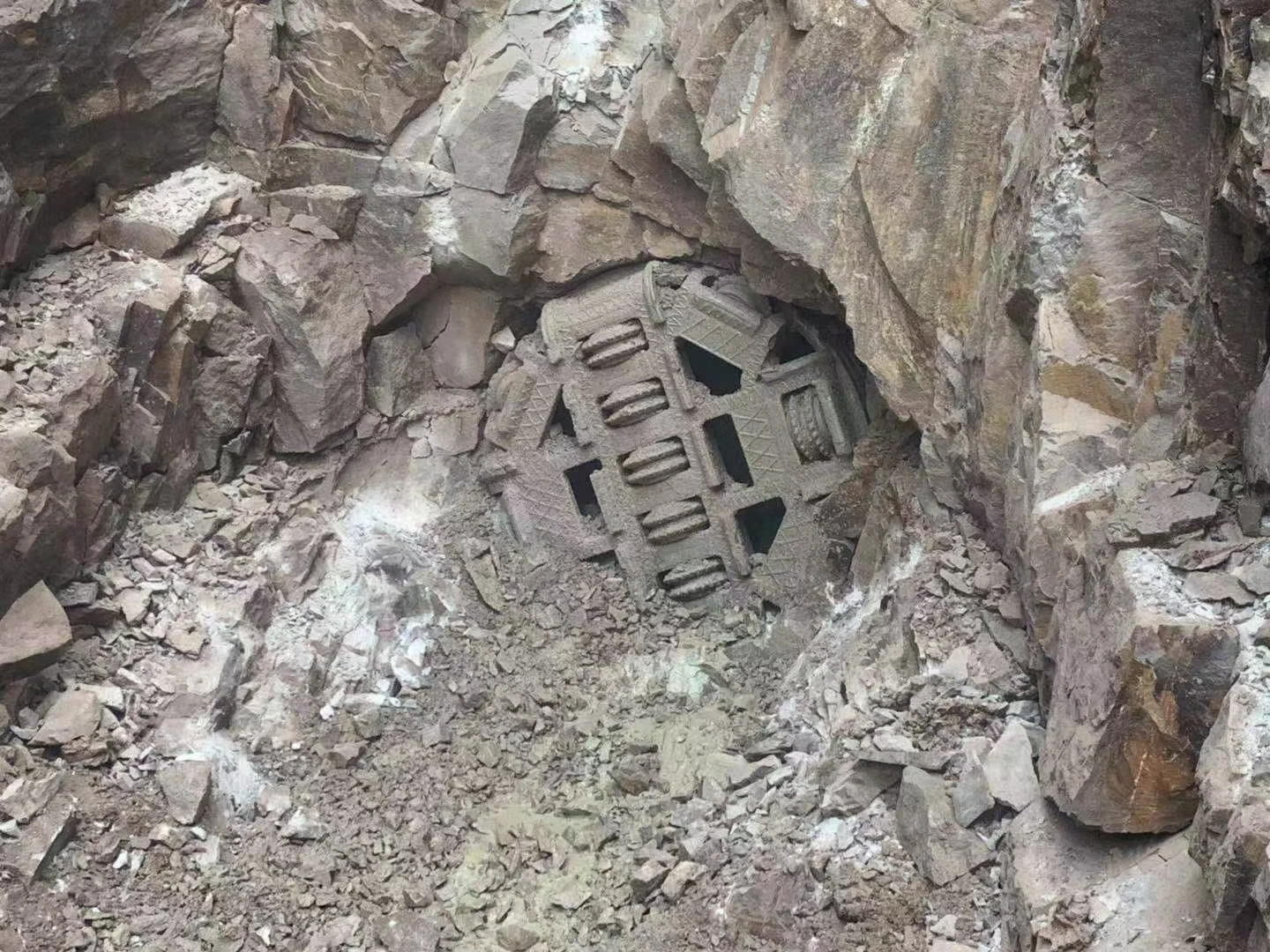
You can see how a stable TBM tunnel helps by looking at real project data. Many city projects use TBM technology to keep the ground safe when digging. Real-time monitoring gives you quick updates about the ground and buildings nearby. This helps you stop false alarms and keeps your project moving forward. You can also use georisk modeling to control safety and technical risks while digging. This method helps you follow strict rules for TBM work. Sharing data with the public is important too. When you show near-real-time data, people can see the project is safe.
Here is a table that shows what works best in these projects:
|
Key Finding |
Description |
|---|---|
|
Real-time monitoring |
Watching things all the time helped people know if buildings and the ground were safe, so there were fewer false alarms. |
|
Innovative georisk modeling |
This gave better control over safety and technical risks, so the project met tough rules for TBM work. |
|
Public transparency |
Sharing data quickly helped people make good choices and made the public feel safe. |
CEGC Solutions in Action
You can count on CEGC to give good results for your project. Their TBM and microtunnelling machines help keep digging safe in many types of ground. CEGC makes each machine fit what your project needs. You get the right pressure, sealing, and soil conditioning for your job. CEGC teams work with you to plan, watch, and change the TBM during every part of the project. This way, settlement stays low and your project does not get delayed. You can see these results in city projects where the ground did not move too much. CEGC uses real-time data and flexible machine settings to help you finish your digging safely and on time.
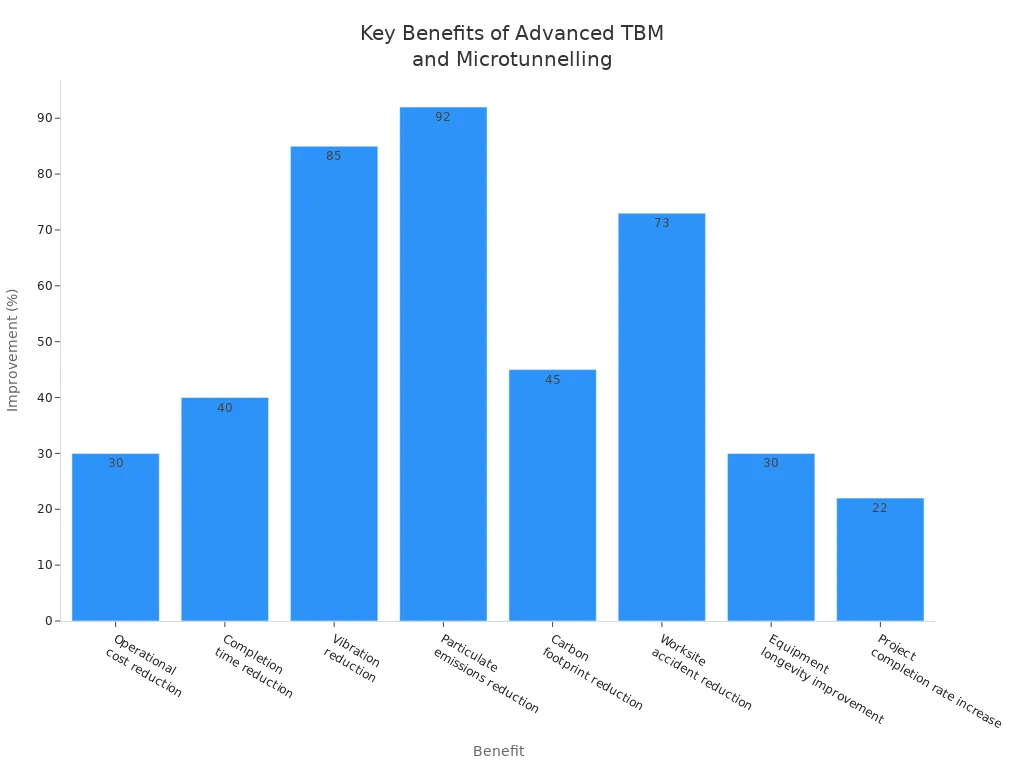
You can make settlement risk lower by using advanced TBM and microtunnelling machines. These machines help you keep face pressure steady, protect the ground, and check progress often. Over time, you get many big benefits:
|
Benefit |
Value |
|---|---|
|
Operational cost reduction |
30% lower for small-diameter projects |
|
Completion time reduction |
40% faster in urban settings |
|
Vibration reduction |
85% reduction |
|
Particulate emissions reduction |
92% drop |
|
Carbon footprint reduction |
45% lower |
|
Worksite accident reduction |
73% fewer accidents |
|
Equipment longevity improvement |
30% increase |
|
Project completion rate increase |
22% higher |
You can do these things to get the best results:
-
Pick routes under public roads so you stay away from sensitive places.
-
Watch everything all the time to find problems early.
-
Use ground-penetrating radar and borehole data to make tunneling safe.
CEGC lets you change TBM machines to fit your project. This means your work is safer, faster, and more dependable.
FAQ
What is the main reason you see less settlement risk in a stable TBM tunnel?
You get less settlement risk because the TBM keeps steady face pressure and supports the ground as you dig.
How does CEGC help you control ground movement during tunneling?
CEGC gives you advanced tunnel machines with real-time monitoring. You can adjust pressure and support to keep the ground safe.
Can you customize a TBM machine for your project needs?
Yes. You can ask CEGC for custom pressure, sealing, and soil conditioning features to match your project’s ground and safety needs.


