
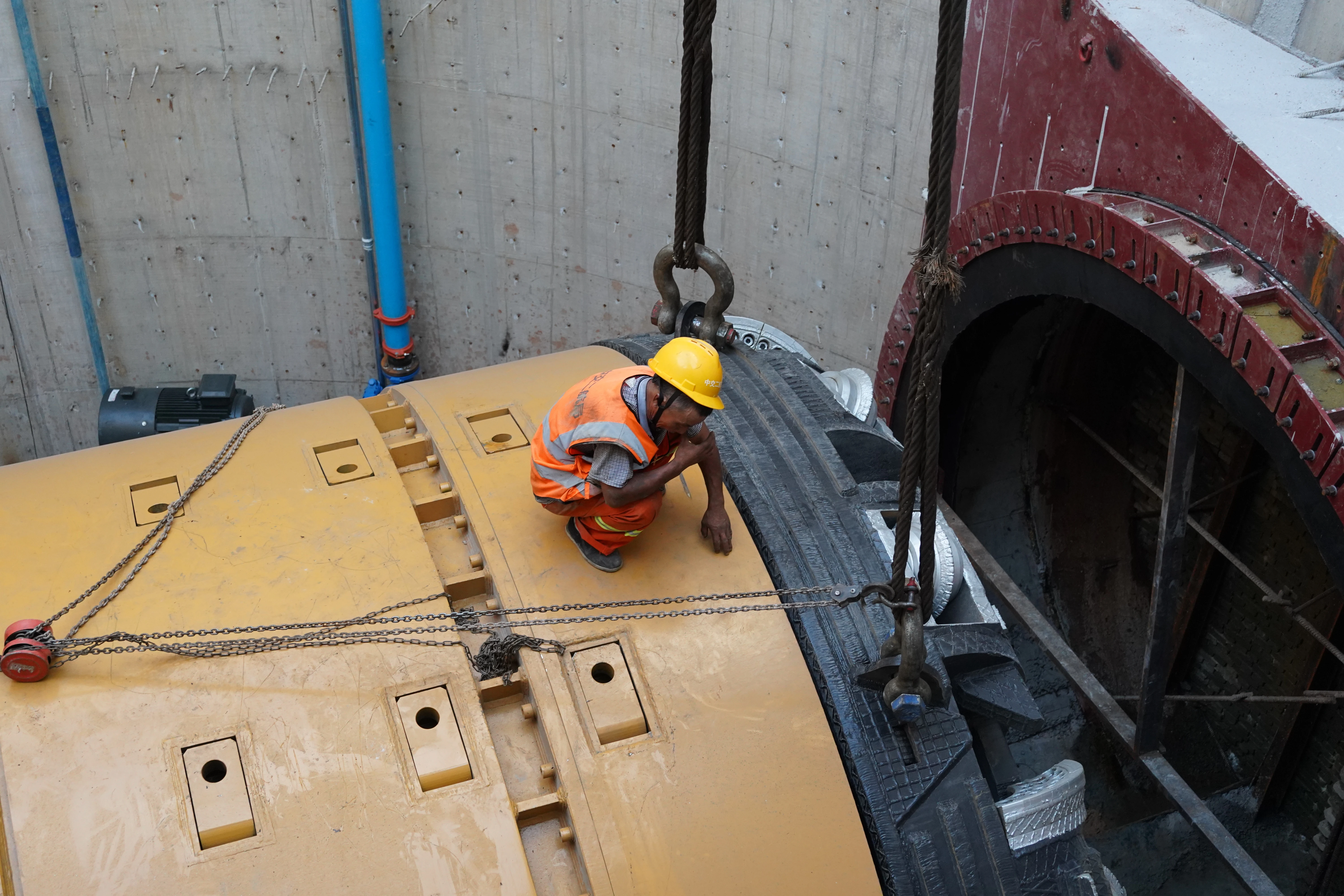
Vibration spikes can stop the TBM machine fast, which is why automatic shutdowns are essential to keep workers and equipment safe from harm. With real-time vibration monitoring, you can experience less downtime and enhance safety. In urban tunnel projects, it is crucial to monitor vibrations to prevent claims. CEGC offers advanced systems designed for safe and steady tunneling.
|
Benefit |
How It Helps You |
|---|---|
|
Real-time Data |
Fast risk checks, less waiting time |
|
Response Protocols |
Safer and quicker choices |
|
Emergency Stabilization |
Fast action keeps work moving |
Key Takeaways
-
Watching vibrations in real time is very important. It helps stop TBM machines from shutting down suddenly. This makes things safer and cuts down on lost work time.
-
Automatic shutdown systems keep workers and machines safe. They stop the TBM machine right away if there are big vibration spikes.
-
Using smart monitoring systems and good habits can control vibration risks well. This helps tunneling work go more smoothly.
Understanding Vibration Spikes in TBM Tunneling
What Are Vibration Spikes?
When you use tunnel boring machines, vibrations can suddenly get stronger. These sudden changes show up as sharp jumps in the vibration data. Vibration spikes can hurt buildings nearby and bother people who live close. TBM machines are big and not very deep, so their vibrations matter more. You should watch the strongest frequency bands. These can go over safety limits and cause problems or stop work.
Vibration spikes are more than just numbers. They mean real dangers for your project and the area around it.
Why Do Vibration Spikes Happen?
Many things can make TBM machines have vibration spikes. The type of ground is very important. If you hit hard rock or mixed ground, the cutterhead can shake suddenly. You need to change how the TBM works to keep digging well. Sometimes, dangers like rock bursts or tunnel changes can mess up your plans and break machines.
-
The ground type changes how TBM works.
-
The cutterhead can cause vibration spikes.
-
Changing how you run the TBM helps control spikes.
-
Dangers like rock bursts and tunnel changes cause problems.
How Do We Measure Vibrations?
You use special systems to watch vibration data from TBM machines. These systems check how strong and fast the vibrations are. This helps you find spikes early. People use Z vibration levels to check if things are safe and comfortable. The highest Z vibration levels from TBM machines are between 62.22 dB and 79.63 dB. This data helps you plan your tunnel and fix arguments. Watching vibrations is very important in cities where the ground can move a lot.
Good vibration monitoring keeps your project, machines, and people safe.
How Vibration Spikes Can Stop the TBM Machine Fast
Automatic Shutdown Triggers
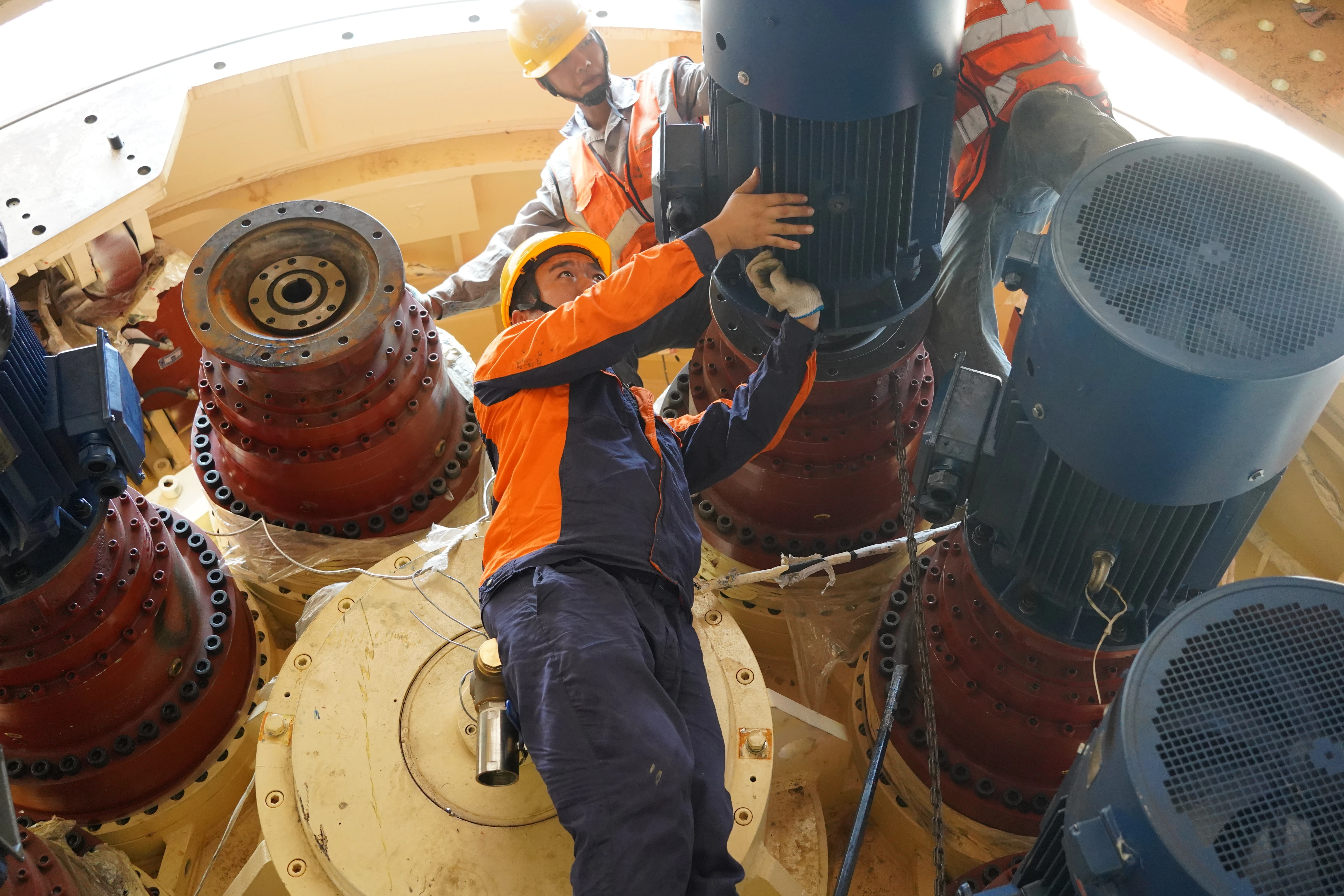
Vibration spikes can make the TBM machine stop very quickly. Sensors watch the vibration data all the time. If there is a sudden jump, the system shuts down the machine right away. This keeps workers and equipment safe from harm. No one wants anyone to get hurt or anything to break. Real-time monitoring helps catch these spikes before they cause trouble.
The system acts fast when it finds a spike. As soon as a spike happens, the TBM machine stops. This helps prevent bigger problems, like a cutterhead breaking or the ground moving too much. You can trust these automatic shutdowns to keep your project safe and moving forward.
Risks and Consequences
There are many risks when vibration spikes stop the TBM machine fast. These risks can hurt your project, your machines, and the area nearby. Here are some main problems you might face:
-
You could get sued if roads or buildings break.
-
Stopping the machine can slow down your work and cost more.
-
The kind, age, and use of nearby buildings matter.
-
Being close to the vibration source makes things riskier.
-
Soil type, how long, and how strong the vibrations are also matter.
If vibration spikes stop the TBM machine fast, you may need to wait for checks or repairs. This can slow down your tunnel work. You also need to keep your team and neighbors safe. Machines that stop a lot can wear out faster and need more repairs, which costs more money.
CEGC helps you handle these risks. Their TBM machines have smart systems to watch vibration data and cut down on delays. You get tools like closed-mode face support and soil conditioning. These help keep the ground steady and protect your machines from harm.
Tip: Always check your vibration data and use real-time monitoring. This helps you find problems early and keeps your machines working and your project on time.
Real-World Cases
You can learn from real projects where vibration spikes stopped the TBM machine fast. In one project, workers used Dash to track torque in real time. They saw that vibration spikes happened when the machine broke down. This helped them fix things before they got worse.
Another lesson came from looking at vibration data over time. Some workers missed important signs because they changed shifts. When the bosses saw this, they updated the Dash app. Now, future projects can spot spikes faster and stop sudden shutdowns.
You should always look at your data and talk about it with your team. This helps everyone know when vibration spikes can stop the TBM machine fast. You can stop delays and keep your machines running well.
Remember: Vibration spikes can stop the TBM machine fast, but with the right tools and teamwork, you can keep your tunnel project safe and working well.
Preventing and Managing Vibration Spikes
Monitoring and Detection Systems
You need a good vibration monitoring system to keep machines safe. These systems help you find vibration spikes before they cause problems. Many projects use accelerometers, LSTM network models, and BP neural networks to watch vibration data. Each system works in its own way and has different accuracy. The table below explains how these systems work:
|
Monitoring System |
Description |
Accuracy |
Methodology |
|---|---|---|---|
|
Accelerometers on EPB TBM |
Monitors bulkhead vibration to detect boulders in soft ground |
98.28% |
Uses time-frequency images and deep learning |
|
LSTM Network Model |
Identifies strata based on vibration data from slurry TBM |
97.4% |
Analyzes time-domain features and driving parameters |
|
BP Neural Network |
Establishes UCS identification model from shield vibration signals |
N/A |
Utilizes time and frequency domain characteristics |
Real-time monitoring lets you see changes right away. Automated alerts tell you when vibration spikes go over safe limits. This helps you act quickly and keep your tunnel project moving.
Operator Best Practices
You can lower vibration risks by using smart habits. Always check your vibration monitoring system before you start work. Watch the vibration data during every shift. Share important information with your team. If you see a spike, slow down the machine and check for cutterhead wear. Use kerf-assisted cutting if you need to lower cutter vibration. These steps help you stop downtime and keep your machines working well.
Tip: Good teamwork and clear talking help you find problems early.
Technical Solutions from CEGC
CEGC gives you advanced tools to control vibration in your tbm machines. Adaptive control uses magnetorheological elastomer isolators to cut vibration by more than 20%. MR dampers make the machine more stable and lower tool vibration. This protects your machines and keeps workers safe. You can also pick features like closed-mode face support and soil conditioning for hard ground. Real-time monitoring and smart design help you handle cutterhead wear and keep your machines working. With CEGC, you get a solution that fits every tunneling problem.
You can see that vibration spikes can make a tunnel boring machine stop quickly. You need good monitoring to keep your tunnel boring machine working. Predictive maintenance, real-time feedback, and smart changes help your tunnel boring machine avoid stopping. The table below shows how advanced systems help your tunnel boring machine:
|
Feature |
Benefit for Your Tunnel Boring Machine |
|---|---|
|
Predictive Maintenance |
Less downtime for your tunnel boring machine |
|
Weak Zone Prediction |
Keeps water away from your tunnel boring machine |
|
Real-Time Adjustments |
Makes your tunnel boring machine work better |
You should follow smart steps to keep your tunnel boring machine safe. Damping tools and teamwork help your tunnel boring machine stay strong. You can count on CEGC for a tunnel boring machine that fits your project. Pick CEGC to keep your tunnel boring machine safe, fast, and ready for anything.
-
Using BIM and machine learning makes your tunnel boring machine safer.
-
Real-time data helps you change your tunnel boring machine fast.
-
AI and robots protect your tunnel boring machine and your team.
-
Machine learning finds risks for your tunnel boring machine.
-
Damping systems cut vibration for your tunnel boring machine.
-
Watching cutter wear keeps your tunnel boring machine working well.
-
CEGC gives you a tunnel boring machine with top specs.
-
Custom choices help your tunnel boring machine do hard jobs.
-
You get a tunnel boring machine that fits your needs.
-
Your tunnel boring machine stays on track with CEGC help.
-
You can trust your tunnel boring machine to finish the work.
-
Your tunnel boring machine works better with smart tools.
-
Your tunnel boring machine stays safe with real-time checks.
-
Your tunnel boring machine avoids big delays.
-
Your tunnel boring machine brings good results for your project.
FAQ
What causes vibration spikes in a TBM machine?
Vibration spikes can happen when the cutterhead hits hard rock. They also happen if it hits mixed ground or big obstacles. Machine settings and changes in the ground can cause spikes too.
How can you reduce TBM vibration spikes?
You can watch vibrations in real time to help stop spikes. You should change the machine speed and check the cutterhead for damage. CEGC’s adaptive control and MR dampers also help lower vibration risks.
Why is vibration monitoring important for urban tunneling?
Vibration monitoring helps keep buildings safe and stops damage claims. It also keeps your project safe. Real-time data lets you act fast and avoid expensive delays.


