
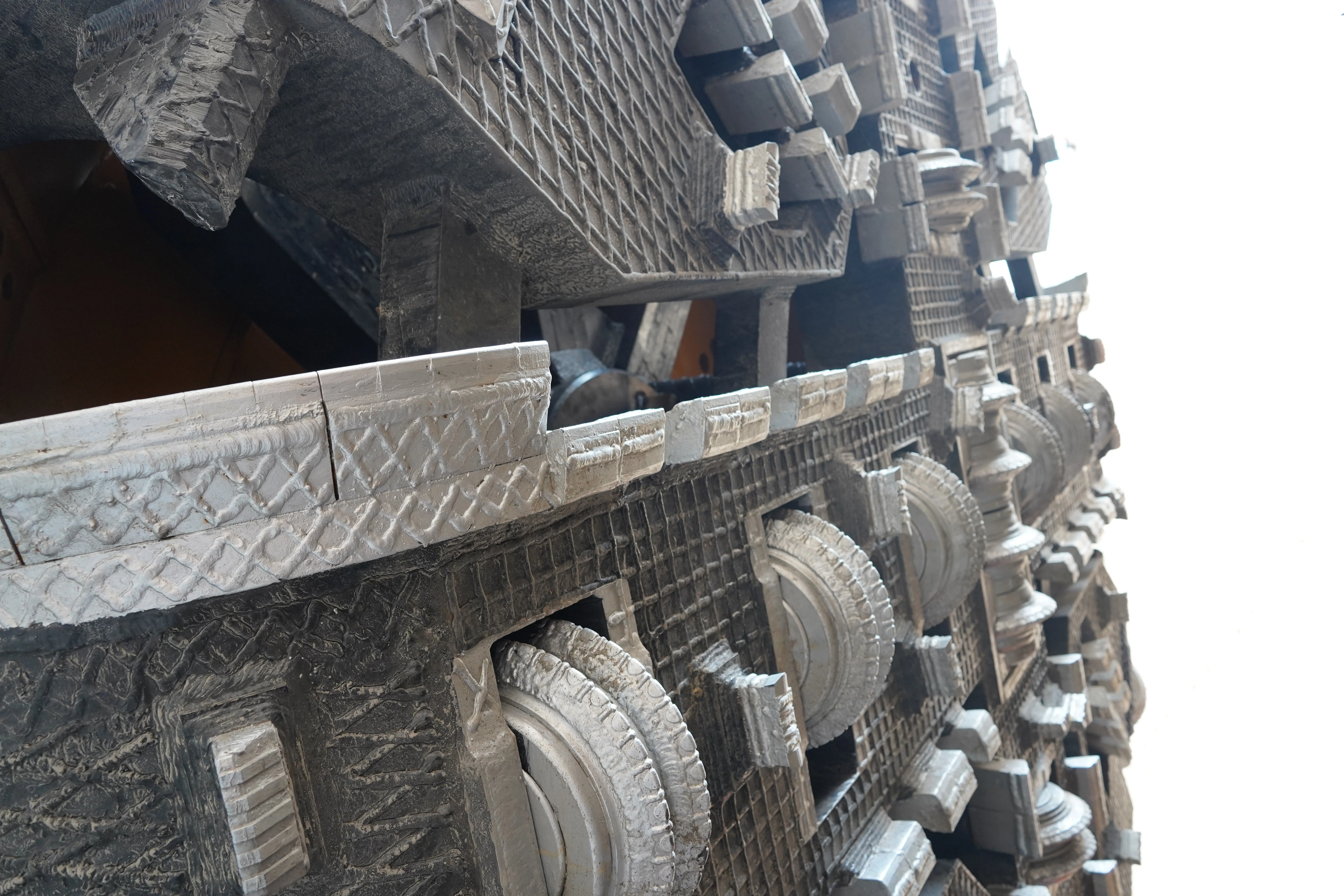
You need tunnel boring machines to ensure that segments are aligned properly during construction. Maintaining alignment is crucial for the safety, strength, and dryness of the tunnel.
In February 2012, misaligned segments led to a TBM tunnel collapse in Japan, resulting in fatalities and water ingress.
A stable TBM tunnel keeps segments aligned through advanced shield design, automatic guidance, and live navigation. CEGC provides standard solutions tailored for large construction projects.
Key Takeaways
-
Keeping tunnel segments lined up right is very important for safety and how long the tunnel lasts. If the segments are not lined up, cracks and damage can happen.
-
Special tools like auxiliary thrust cylinders and monitoring systems help make sure the segments fit together well when they are put in. This lowers the chance of them not lining up right.
-
Picking the best bolts and gaskets stops water from leaking in. This keeps the tunnel dry and safe, which helps it last longer.
A stable TBM tunnel keeps segments aligned
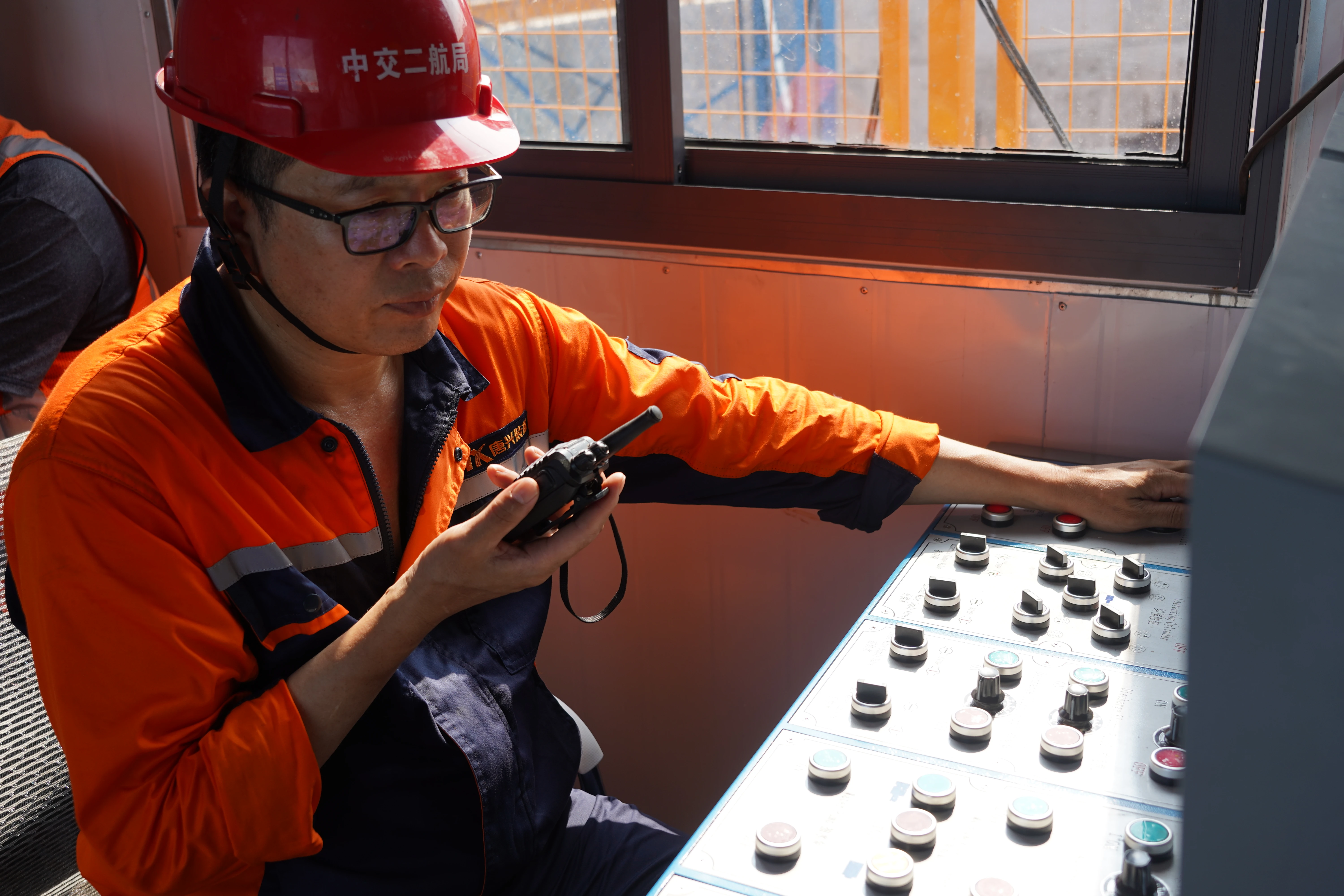
Why alignment matters for tunnel stability
It is important to keep tunnel segments lined up for safety and long life. Tunnel boring machines need good alignment because even small mistakes can cause big trouble. Here are some problems you might see:
-
Segments can crack if the curve is not lined up right.
-
If there is not enough space between the tail shield and tunnel lining, segments can get stressed and crack.
-
If you do not follow the planned path, the tunnel may not be safe or last long.
You can see that alignment is very important for your project. The table below shows how segment alignment helps keep tunnels safe:
|
Evidence Type |
Description |
|---|---|
|
Segment Alignment |
Lining up tunnel segments the right way is key for tunnel safety. |
|
Deformation Impact |
Pressure from the ground can move joints and make them fail. |
|
Load-Bearing Capacity |
If the structure fails, the tunnel cannot hold as much weight or stay safe. |
When the TBM tunnel is stable, weak spots do not get too much stress. This stops cracks and water from getting in. It also helps your tunnel pass checks and follow the rules. You need to keep the alignment very close to perfect to handle heavy earth and water pressure. You must follow these rules to pass tests and not have to fix things later.
Segment installation under the TBM shield
A stable TBM tunnel keeps segments lined up when you put them in. You use different tools and technology to make sure each segment fits just right. Here is what you do:
-
Auxiliary thrust cylinders hold the segments in place so they do not move as the TBM goes forward.
-
You put together precast concrete segments very carefully. Each piece must fit exactly to keep the tunnel the right shape.
-
Advanced monitoring and control systems help guide the TBM and keep it on track.
The table below shows these main tools:
|
Mechanism/Technology |
Description |
|---|---|
|
Auxiliary Thrust Cylinders |
Hold segments in place so they stay lined up during tunneling. |
|
Precise Assembly of Prefabricated Segments |
Make sure segments fit together right and stay lined up. |
|
Advanced Monitoring and Control Systems |
Help guide the TBM and keep it working well for good alignment. |
When you do these things, you lower the chance of segments not lining up. You also make sure the tunnel boring machines build a stable TBM tunnel with lined up segments the whole time. This careful work helps stop stress points and keeps the tunnel strong.
Bolting, gaskets, and water-tight lining
A stable TBM tunnel keeps segments lined up and dry inside. You need to use the right bolts and gaskets so water does not get in. There are different kinds of gaskets you can use:
-
Glued-in gaskets are glued into a groove when the segment is made.
-
Cast-in gaskets are put in the mold and cast into the segment to stop water.
-
Hydrophilic gaskets get bigger when wet, but may not last as long.
-
Composite gaskets use different materials for better results.
-
Double gasket systems give extra protection for some tunnels.
You also need to pick the right gasket base. Open base gaskets are good for low water pressure. Closed base gaskets work better for high water pressure. Over time, gasket pressure can go down, which might hurt the seal.
Bolting systems hold the segments together and keep the tunnel lining tight. How well these work depends on how you put in the bolts and gaskets. If there are big gaps or offsets, water can leak in. Water can get in through bolt holes, joints, and cracks in the concrete. You need to pay close attention to gasket design and how you put them in to stop leaks.
When you use the right bolts and gaskets, you help a stable TBM tunnel keep segments lined up and water out. This keeps the tunnel safe from leaks and helps it last longer.
Tunnel boring machines: segment alignment and control
How tunnel boring machines work: alignment mechanisms
It is important to know how tunnel boring machines keep segments in place. Before digging, workers get the site ready and check the ground with a geotechnical survey. This tells them what kind of soil or rock is there. After that, they put together the TBM and connect all its parts. The machine starts from the shaft and begins digging.
Here are the steps for installing and controlling alignment:
-
Get the site ready and check the ground with surveys.
-
Put together the TBM and start it from the shaft.
-
Dig the tunnel and move the TBM forward with hydraulic jacks.
-
Put in tunnel segments as the TBM moves ahead.
-
Watch the alignment and fix it right away if needed.
Hydraulic jacks push the TBM forward and help it stay on the right path. An automatic steering system controls each jack’s push. This stops the machine from going off track. Each segment is placed in the right spot. Automatic segment installation makes sure every piece fits perfectly.
Tunnel boring machines have special features for different ground types. The table below shows how TBMs change for each ground:
|
TBM Type |
Ground Condition |
Key Features |
|---|---|---|
|
Crossover (XRE) |
Mixed ground |
Has EPB and Hard Rock features; works in mixed ground; uses strong gearboxes. |
|
Crossover (XSE) |
Variable ground |
Combines Slurry and EPB designs; good for soils that do not let water through; uses screw conveyor. |
The right TBM helps you deal with changing ground and keeps the tunnel safe.
Guidance systems and real-time monitoring
Good guidance systems help tunnel boring machines stay on the right path. These systems use sensors and lasers to check where the TBM is all the time. Real-time monitoring lets you see if the machine moves off the planned line. You can fix problems quickly.
Here is a table of common guidance systems:
|
Guidance System Type |
Description |
|---|---|
|
Sensors show where the TBM is in real time. |
|
|
Laser Guidance Systems |
Lasers help steer the TBM and keep it on track. |
|
Automated Tracking Methods |
Robotic stations watch the TBM in 3D space. |
|
ZigBee-based Wireless Sensors |
Wireless sensors send data to check alignment all the time. |
|
Laser-Controlled Guidance |
Used in microtunneling to steer the TBM right away. |
Digital tools can help you manage your project better. Building Information Modeling (BIM) helps you plan and track each step. Machine learning can warn you about ground problems. Robotic simulations help you move materials safely. Digital reports and TBM.Connected give you updates from anywhere.
Overcoming alignment challenges in variable ground
You will face many problems when using tunnel boring machines in different ground types. The ground can change from hard rock to soft, wet dirt. This makes it hard to keep the tunnel straight and safe. Sometimes, water leaks into the tunnel. The tunnel face can fall in if the ground is weak. The TBM can also get stuck.
Here is a table of common challenges:
|
Challenge Type |
Description |
|---|---|
|
Mix of hard rock and soft, wet soils. |
|
|
Complex Geological Changes |
Ground can change from rock to soft dirt, making digging harder. |
|
Water Ingress |
Water can leak into the tunnel in some places. |
|
Tunnel Face Collapse |
Weak ground can make the tunnel face fall in. |
|
TBM Jamming |
The TBM can get stuck in tough ground. |
Special TBM features can help solve these problems. Rectangular TBMs with special gears dig better and disturb the ground less. On-site checks show you can keep ground movement low, between -8 mm and -10 mm, if you use the right ways. Picking a smaller tail void, like 15 mm, helps stop soil loss and keeps the tunnel strong.
New technology helps even more. Variable Density TBMs can change how they work to match the ground. Autonomous TBMs use remote checks and auto-steering to keep things running well.
When you use these tools and methods, your tunnel boring machines stay on track. You lower risks and make sure your tunnel stays safe and strong.
You can keep your tunnel safe and strong with tbm alignment systems.
-
Sensors in tbm tunnels find problems early and stop damage.
-
Good segment alignment in tbm projects stops uplift and bending.
-
CEGC gives custom tbm solutions for any big project.
|
Feature |
Benefit |
|---|---|
|
Customization |
Fits what your project needs |
|
Adaptability |
Works well when the ground changes |
|
Support |
Experts help with hard tbm construction |
A modern tbm works faster and is safer than old ways.
FAQ
How do you keep TBM tunnel segments aligned?
You use special guidance systems and sensors. These help you put each segment in the right spot. Careful assembly makes sure everything fits well during building.
Why does segment alignment matter for tunnel safety?
Good alignment keeps cracks and leaks from happening. It also stops weak spots from forming. Lined up segments protect the tunnel from water and ground pressure.
What makes CEGC tunnel machines reliable for alignment?
CEGC gives advanced guidance and strong machine parts. They also make custom solutions for your needs. You get better accuracy and help for your project.


