
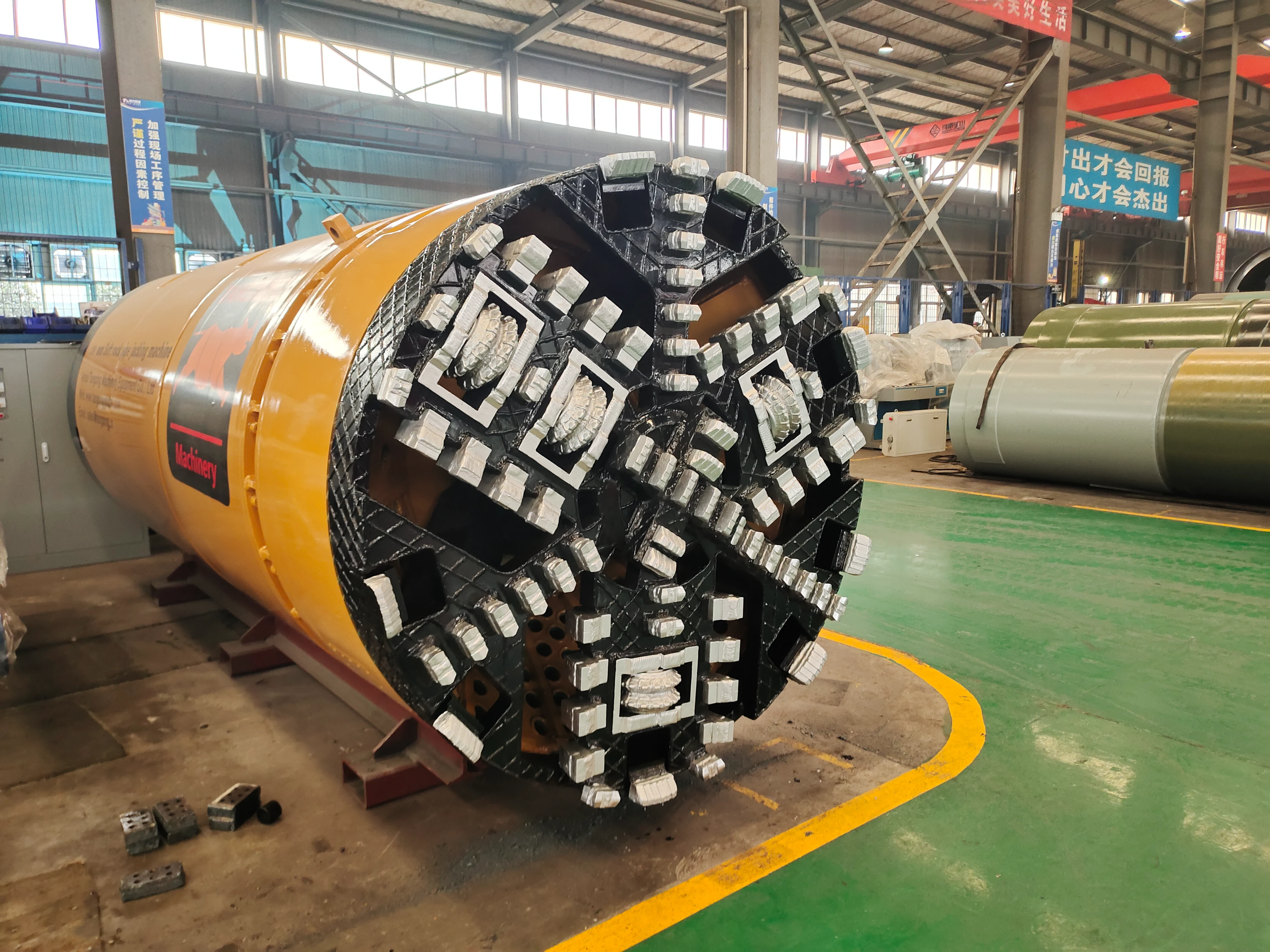
For every trenchless installation, having strong pipe joints is essential. Micro tunneling stability protects pipe joints by utilizing face pressure control, ground support, precise alignment, and vibration control. Advanced tunnel machines from CEGC are designed to tackle the challenges of hard urban ground. Examples include TBMs and microtunnelling machines, which minimize ground disturbance and help ensure your project stays on track.
Key Takeaways
-
Micro tunneling stability is very important for pipe joints. It helps keep the joints safe during trenchless installations. It stops the ground from moving too much. It also blocks outside pressure that can make leaks or breaks.
-
Using advanced tunnel machines, like those from CEGC, helps a lot. These machines make sure the pipes are lined up right. They also give good support to the ground. This lowers risks and helps projects finish on time.
-
Using the right lubrication and vibration control is helpful. It makes less friction and less stress on pipe joints. This makes the installation go smoother. It also means less money spent on repairs later.
microtunneling stability and pipe joint protection
what is microtunneling stability
It is important to know about microtunneling stability before you start a trenchless project. Microtunneling stability keeps the ground steady when pipes are put in. This helps protect pipe joints from damage. When you use a tunnel boring machine or microtunnelling machine from CEGC, you get special features that help keep things stable. These machines have different ways to make sure the digging is safe and correct. The table below shows how micro tunneling stability helps protect pipe joints:
|
Mechanism |
Description |
|---|---|
|
Overcutting |
The machine makes a space around the pipe. This lowers friction and lets bentonite slurry be added. |
|
Steering Systems |
Remote controls keep the pipe straight and stop it from moving off course. |
|
Face Stability Management |
Support is given all the time to keep the front of the tunnel safe. This stops soil or water from getting in. |
Micro tunneling stability uses these methods to stop the ground from moving or falling in. You can trust CEGC’s tunnel machines to do this job well in cities and in different types of ground.
why stability matters for pipe joints
Micro tunneling stability keeps pipe joints safe by stopping the ground from falling in and blocking outside pressure. If the ground moves or water gets into the tunnel, pipe joints might break or leak. You do not want these problems because they cost money and slow down the project. CEGC’s tunnel boring machine and microtunnelling machine use face pressure control and ground support to keep pipe joints safe. Micro tunneling stability makes sure the pipes stay straight and tight during the whole job. Picking the right equipment helps protect your project and makes sure it lasts a long time.
risks to pipe joints in micro-tunneling
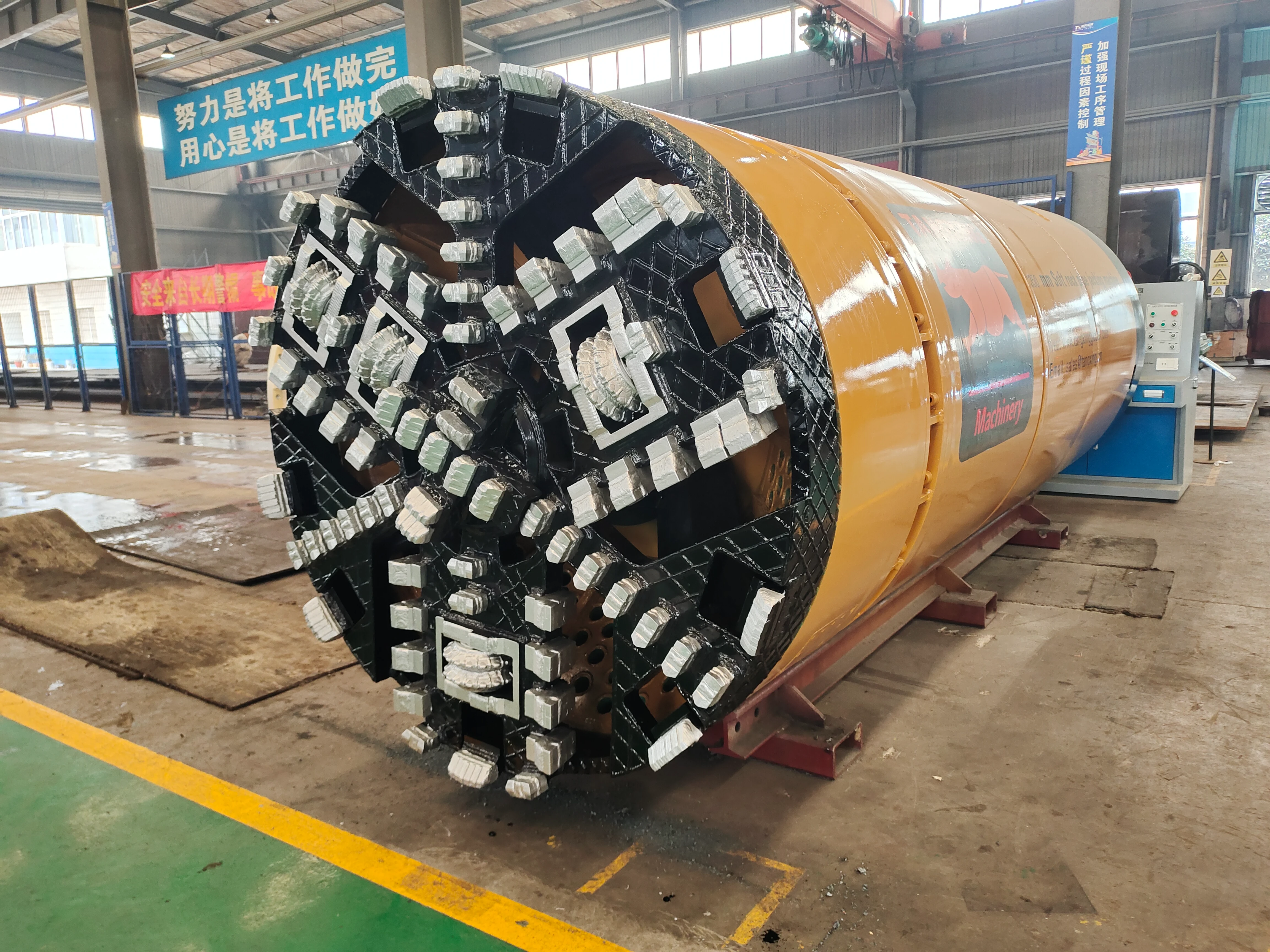
threats from unstable ground
When you begin a micro-tunneling project, you face many risks from the ground. These risks can make pipe joints unsafe. Here are some common problems you might see:
-
Soil can change a lot and be hard to predict. This can make cutting uneven or cause the ground to fall in during digging.
-
It is important to control water and hydrostatic pressure. If water is not managed, it can make the tunnel unstable.
-
Hard rock, cobbles, and other things in the ground can hurt your machines and slow down your work.
-
Mixed face conditions happen when different soils meet. This can push your tunnel boring machine off its path.
You also need to look out for ground settling and water getting in. For example, engineers have used special jacking shields to stop water from entering the tunnel. This keeps pipe joints safe. In another example, a system of track monitoring points helped lower the risk of ground settling and kept the area safe.
consequences of joint failure
If a pipe joint breaks during micro-tunneling, you can have big problems. Joints often break because of gasket wear, ground movement, or strong pushing forces. When a joint breaks, leaks or blowouts can happen. These problems can slow down your project and cost more money.
Over time, broken joints can make the whole pipeline weak. Rust at the joints can lower the pipe’s strength by about 30%. Deep holes and cracks can form, making the pipeline easier to break. If you do not protect the joints, you may need to pay for costly repairs and more upkeep. You also risk hurting the environment and paying more in the future. Checking quality and protecting joints well helps you avoid these problems and keeps your micro-tunneling project working well.
how micro tunneling stability protects pipe joints
face pressure and ground support
It is important to keep the ground steady during microtunneling. Face pressure control helps with this job. Using the right face pressure stops the ground from moving. This keeps pipe joints safe from harm. In soft ground, slurry-based systems help keep pressure steady. These systems move soil out and protect the tunnel face.
You must fill empty spaces around the pipe. Grout mixing and pumping tools fill these gaps. This protects the new pipeline from outside stress. If you want to see main ground support methods, look at the table below:
|
Technique |
Description |
|---|---|
|
Keeps the tunnel steady, especially when pushing the shield forward. |
|
|
Limiting length-to-diameter ratio |
Lowers the chance of the shield failing. |
|
Rapid installation of ground support |
Reduces the time the ground stays open, which lowers the risk of collapse. |
|
Pea gravelling or contact grouting |
Adds extra support around the pipe joints. |
|
Consolidation grouting |
Makes the ground stronger before or during tunneling in tough spots. |
Using reinforced concrete jacking pipes adds more strength. Bentonite lubrication lowers friction. Managing pipe joint loads and making pipe walls thick enough keeps everything safe.
guidance and alignment systems
You need to keep the microtunnel straight to protect pipe joints. Smart alignment and navigation systems help guide you. These systems steer the tunnel machine smoothly. Monitoring systems check stress on jacking pipes as you work. Hydraulic joints act as pressure rings and show forces in real time.
Keeping the alignment correct stops pipes from bending or twisting. This keeps joints tight and prevents leaks. Modular tunnel machines, like CEGC’s, make it easy to adjust and stay on track. You can trust these systems to meet strict project rules.
Here is a quick list of what guidance and alignment systems do:
-
Guide the tunnel machine for smooth steering.
-
Monitor pipe stress during installation.
-
Show real-time jacking forces and stress states.
-
Help keep the pipeline straight and safe.
The Perris Valley Pipeline project shows these systems in action. Workers put in a big microtunnel under a busy road. They used advanced joint technology and real-time monitoring. This kept pipe joints safe and the ground steady.
lubrication and vibration control
You need to lower friction and vibration to protect pipe joints. Lubrication, often with bentonite slurry, helps pipes slide through soil. This lowers jacking forces by 20-50%. Most times, you see a drop of about 20-30%. Lower forces mean less stress on joints.
Keeping the pipe moving stops soil from gripping it too hard. This prevents joint damage. Vibration control is also important. Managing vibration keeps the pipeline safe and avoids cracks or leaks.
Here are some benefits of good lubrication and vibration control:
-
Lower friction between pipe and soil.
-
Less force needed to push the pipe.
-
Fewer chances for joint damage.
-
Smoother installation process.
CEGC’s tunnel machines have shown strong results in many projects. For example, the FOS monitoring system gave real-time data on joint stress and movement. This helped teams spot problems early and keep the installation safe. You can see lower maintenance costs over time because the pipeline stays in good shape. Microtunneling lets you route pipes precisely, so there are fewer repairs and less disruption later.
You can see how microtunneling stability helps in trenchless construction. Advanced tunnel machines and good methods keep pipe joints strong. In trenchless construction, workers can make quick changes as they work. They also follow clear steps to do the job right. The table below shows how these good methods help projects succeed:
|
Aspect |
Description |
|---|---|
|
Real-time adjustments |
Watching the ground lets workers change what they do right away if needed. |
|
Early identification |
It helps workers spot problems before they get worse. |
|
Systematic procedures |
Setting up checks helps track important things like tunnel face and machine work. |
|
Integration with technology |
Using data and machine controls together lets machines react fast to changes. |
You should pick CEGC’s solutions for trenchless construction. This lowers risk and helps your project do well. Experts say workers should get good training and use new technology for trenchless construction. By doing these things, you make trenchless construction safer and better.
-
Check for risks often in trenchless construction.
-
Use smart guidance systems in trenchless construction.
FAQ
What is trenchless installation?
Trenchless methods put pipes underground without digging big trenches. This keeps the ground safe. It also stops city streets from being disturbed.
How does trenchless protect pipe joints?
Trenchless keeps the ground steady. Machines control pressure and keep pipes straight. This helps stop pipe joints from breaking or leaking.
Why should you choose trenchless technology for your project?
Trenchless saves time on projects. It lowers the cost of fixing pipes. You can use trenchless in busy places. It also helps the environment and keeps pipe joints strong.
Tip: Trenchless is good for water, sewer, and utility lines. You can use trenchless in many kinds of ground.


