
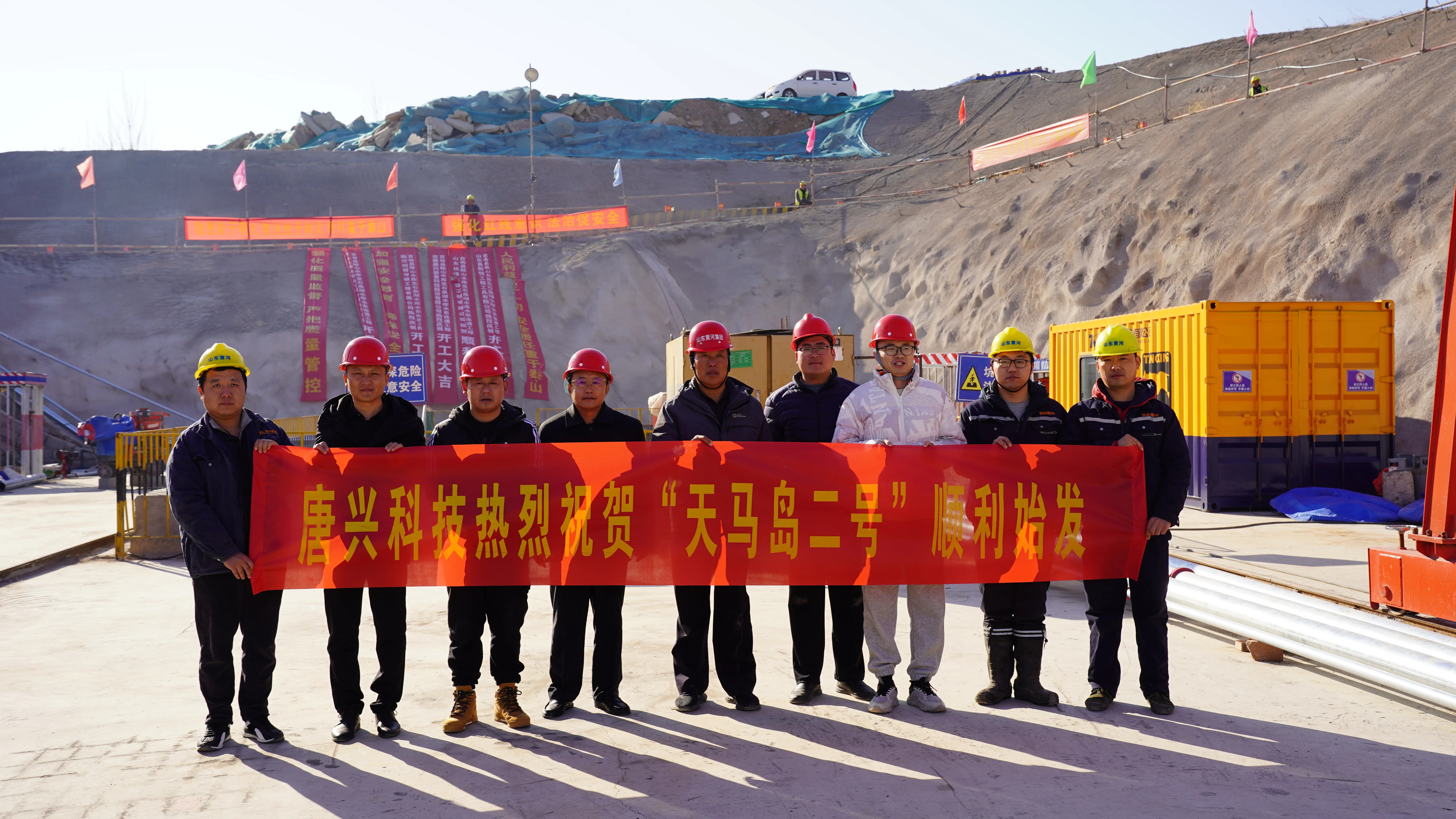
When micro tunneling comms outages can delay reception pits, you encounter significant issues. It's crucial for your tunneling machine and the CEGC control center to communicate in real time to ensure your project progresses smoothly. Unfortunately, obstacles such as walls or adverse weather can disrupt these signals. Losing this connection can lead to project delays.
Key Takeaways
-
Real-time communication is very important for microtunneling to work well. Make sure your tunneling machine and control center are always connected so you do not have delays.
-
Check your equipment and the ground often. This helps stop communication outages and keeps your project moving on time.
-
Use backup systems and teach your team what to do. Being ready for problems can save time and lower risks when you are tunneling.
Communication in Microtunneling Operations
Importance of Real-Time Data
You need up-to-date data to keep your microtunneling project moving. This information helps you make good choices before trouble starts. For example, you have to check if your system works at the right depth and in the right direction. You also need to look at the tunnel face and watch ground water pressure. Keeping an eye on how you handle the dug-up material helps things go well.
|
Stage |
Description |
|---|---|
|
I |
Check if the system can go deep enough and stay straight. |
|
II |
Look at the tunnel face and control water pressure in the ground. |
|
III |
Watch how you deal with the dug-up material for best results. |
In tunneling and microtunneling, the most important choices happen before problems show up. Reading Torque, Thrust, Slurry Flow, and Pressure is not just about running the machine — it’s using real-time engineering skills. Knowing how soil changes affect the machine and when to work faster or slower keeps the machine safe and working well.
Coordination Between Machine and Control Center
You must keep a good link between the tunneling machine and the control center. This connection lets you share key information quickly. If you lose this link, you might have delays or safety problems. Here are things you should do:
-
Make sure your system can reach the planned depth and stay lined up.
-
Watch the tunnel face to control water and set up the cutterhead.
-
Keep track of how you move and handle the soil to keep the project safe and running well.
When you talk clearly, your team works better and makes fewer mistakes. Good teamwork helps you fix problems before they get bigger.
Causes of Comms Outages and Reception Pit Delays
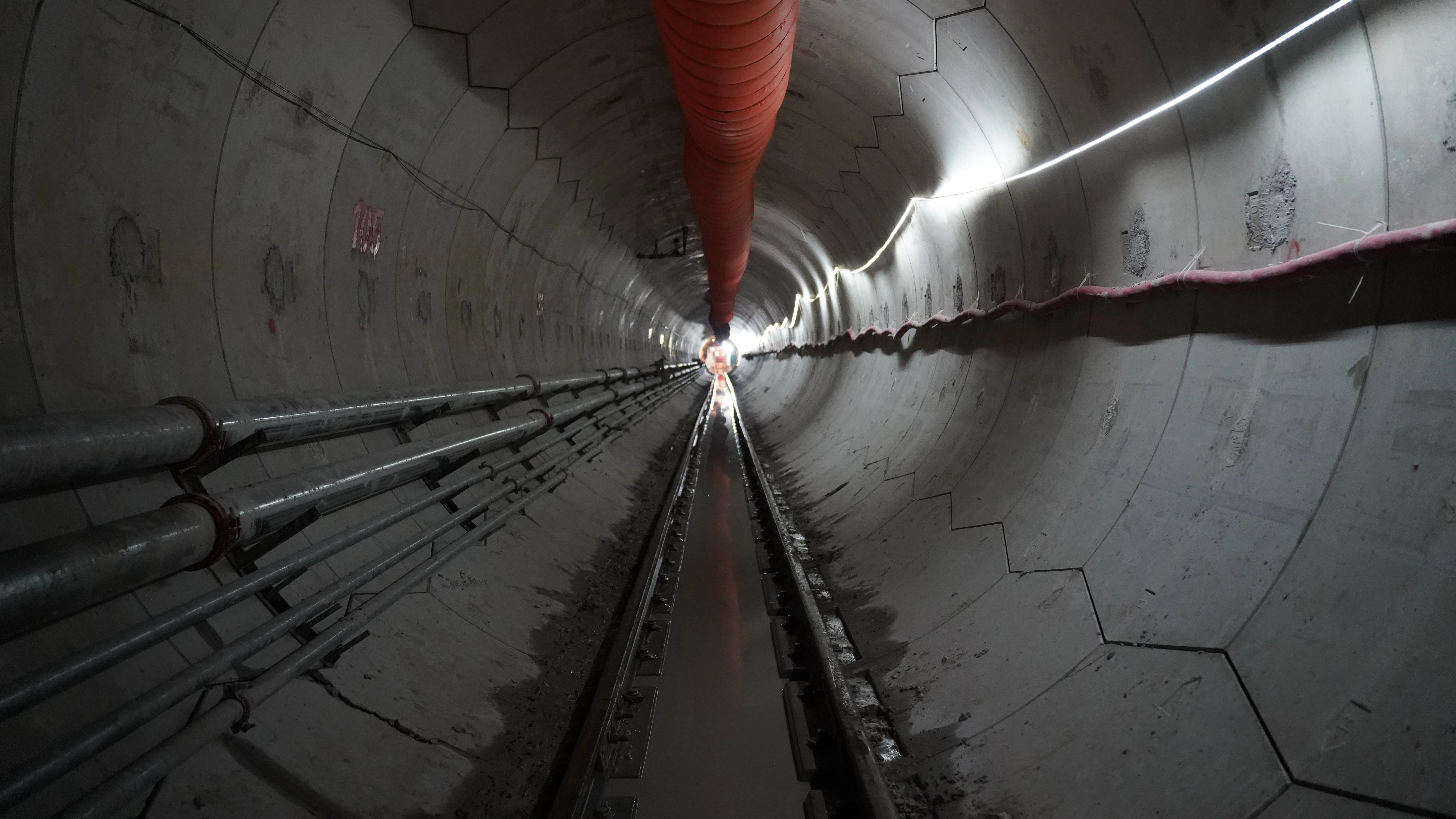
Physical Barriers and RF Signal Loss
You face many challenges when you send signals underground. Thick soil, large rocks, and concrete walls can block radio waves. These barriers make it hard for your tunneling machine to talk to the control center. When you dig through mixed ground, you may find clay, sand, or even old pipes. Each type of material changes how well signals travel. Sometimes, you see the signal drop or disappear. This is called signal attenuation. You must remember that micro tunneling comms outages can delay reception pits when you lose contact at the wrong time.
Tip: Always check the ground conditions before you start. You can use ground-penetrating radar to find hidden obstacles.
Equipment Failure and Environmental Factors
Your equipment must work well to keep communication strong. If a cable breaks or a battery dies, you lose your link. Water leaks and mud can damage wires and sensors. Sometimes, heavy rain or flooding makes things worse. You may also see problems when the weather changes quickly. Cold can freeze parts, and heat can cause machines to overheat. In these cases, micro tunneling comms outages can delay reception pits because you cannot send or receive important data.
You should keep extra parts on hand. You can fix small problems before they stop your project. Regular checks help you find weak spots in your system.
Impact on Reception Pit Timelines
When you lose communication, you must stop and wait. You cannot move the tunneling machine safely without real-time data. Your team may need to dig up cables or replace sensors. This work takes time and slows down the whole project. In some cases, you must reschedule deliveries or call in extra workers. You see how micro tunneling comms outages can delay reception pits by causing these unexpected stops.
Let’s look at a real-world example:
|
Scenario |
Result |
|---|---|
|
Signal lost in rocky ground |
Machine stops. Crew must dig to fix cables. |
|
Water leak damages sensor |
Data stops. Team waits for repairs. |
|
Heavy rain floods pit |
Communication fails. Project pauses for safety. |
You can see that micro tunneling comms outages can delay reception pits in many ways. Each delay adds cost and risk to your project. You must plan for these problems to keep your timeline on track.
Solutions to Prevent Microtunneling Delays
Improving Communication Reliability
You can make communication better by picking the right tools and planning ahead. Many teams use advanced trenchless communications systems. These systems help keep your team safe and your project moving, even underground. Portable communication systems work well when you do not have fixed lines. Tunnel communication systems fix problems when GPS and satellites do not work underground. Leaky feeder communication systems let workers talk wirelessly, like in mines.
|
Technology |
Description |
|---|---|
|
Advanced Trenchless Communications Systems |
Make tunneling safer and more efficient underground. |
|
Portable Communication Systems |
Give real-time communication where there are no fixed lines. |
|
Tunnel Communication Systems |
Help when GPS and satellites cannot work underground. |
|
Leaky Feeder Communication Systems |
Let workers talk wirelessly in mines. |
Tip: Test your communication tools before you start microtunneling. This step helps you avoid problems.
Best Practices for Project Teams
You can follow smart steps to lower the chance of outages. Start with a clear plan. Check all your equipment before each shift. Train your team to spot issues early. Keep spare parts ready for fast fixes. Set up a backup system for emergencies. Review your plan often and update it when you learn new things.
-
Plan your microtunneling steps with safety first.
-
Check cables, sensors, and radios before digging.
-
Hold short meetings to share news and warnings.
-
Use checklists to track your progress.
-
Keep your team ready for changes in ground or weather.
When you use these steps, your team can finish microtunneling successfully. Good communication keeps your project safe and helps you build strong infrastructure. You can avoid delays and finish your microtunneling work on time.
You can see that micro tunneling comms outages slow down reception pits. These problems can also make your project more risky. Good communication helps keep your team safe. It also helps your project stay on schedule.
Always put communication first. Teach your team what to do. Check your systems often. Keep looking for ways to make your microtunneling work better.
FAQ
What happens if you lose communication during a sewer microtunneling project?
You may face delays. The sewer machine stops. You cannot move forward. You must fix the problem before you continue with the sewer work.
Why do sewer projects need strong communication systems?
You need strong systems to keep your sewer project safe. Good communication helps you avoid mistakes. You can finish your sewer tunnel on time and protect your sewer crew.
How can you prevent sewer comms outages in microtunneling?
You should check your sewer equipment often. You must train your sewer team. You can use backup systems. These steps help you keep your sewer project running.
What should you do if your sewer machine stops in the tunnel?
You must check your sewer signals. You can look for broken sewer cables. You may need to call your sewer team for help. Always follow your sewer safety plan.
Why do sewer reception pits get delayed by comms outages?
You lose sewer data. Your sewer crew must wait. You may need to repair sewer sensors. These sewer delays add cost and risk to your sewer project.
How does weather affect sewer microtunneling communication?
Rain can flood your sewer pit. Water can damage sewer wires. Cold can freeze sewer parts. You must protect your sewer equipment from weather.
What backup systems help in sewer microtunneling?
You can use portable sewer radios. You may set up extra sewer cables. You can keep spare sewer sensors. These backups help your sewer team stay connected.
How often should you check sewer communication equipment?
You should check your sewer equipment every day. You can find sewer problems early. This keeps your sewer project safe and on schedule.
Who should you call if you have a sewer comms outage?
You should call your sewer supervisor. You may need your sewer electrician. Your sewer team can help you fix the sewer problem fast.
What is the most important tip for sewer microtunneling success?
You must keep your sewer communication strong. You should train your sewer team. You can check your sewer system often. Good sewer communication keeps your project safe.


