
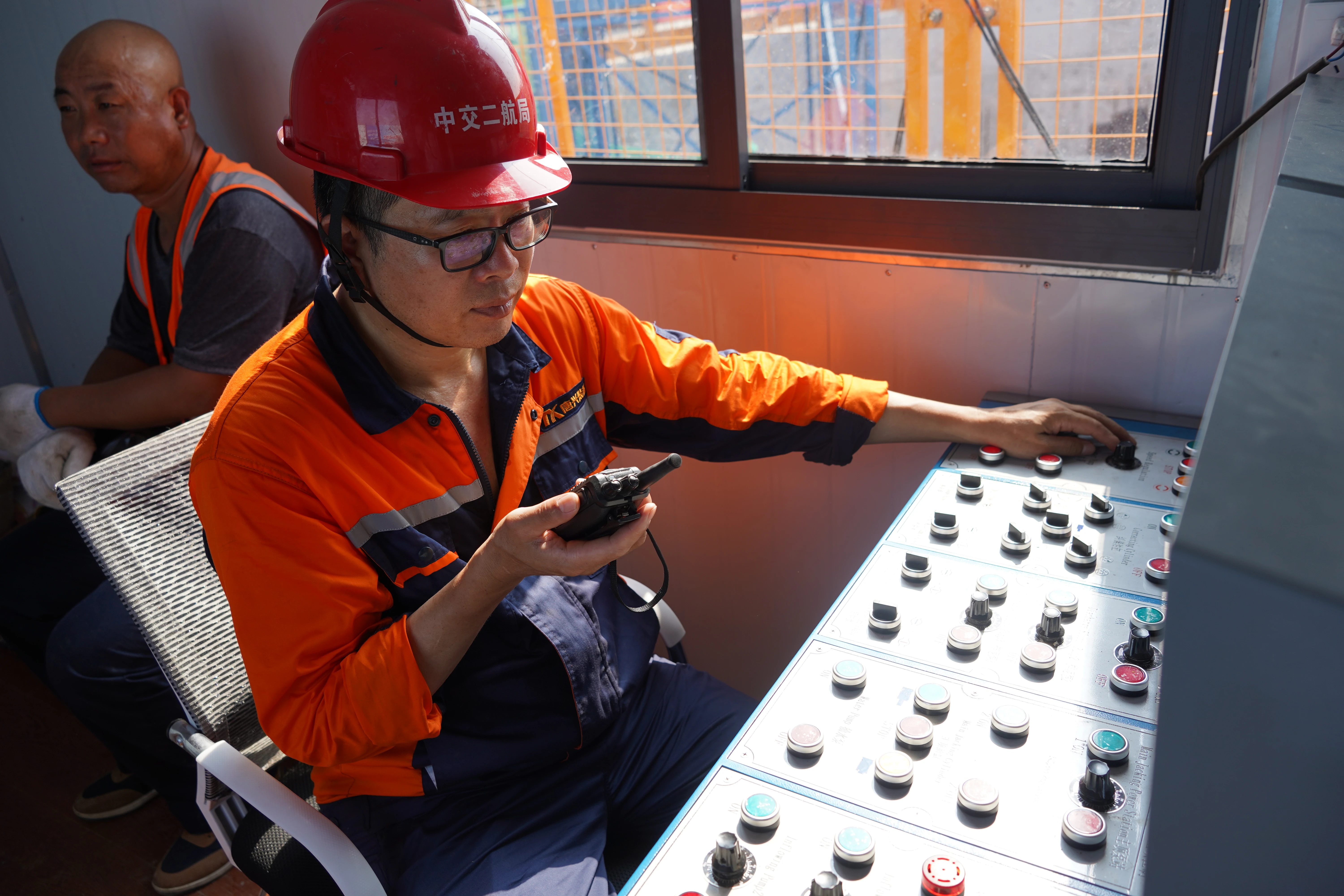
TBM tunnel sensor faults often trace to bad connectors, a common issue that CEGC encounters in numerous projects. Reliable sensor data is crucial for ensuring that your tunnel boring machine operates safely and efficiently. Poor connectors can result in delays, increased costs, and heightened risks—particularly in urban tunnels or challenging ground conditions. It's essential to implement robust solutions to address these concerns.
Key Takeaways
-
Bad connectors often cause sensor problems in tunnel boring machines. Use good connectors to make sure data is correct.
-
Check and fix connectors often to stop problems. Make a plan to look for dirt, rust, or loose wires.
-
Pick connectors that are strong and sealed for hard tunnel work. Put them in the right way to get good data.
Sensor fault symptoms in tunnel boring machines
Common signs and operational impacts
Sensors help your tunnel boring machine work well. If there are faults, you might get wrong data from your monitors. Sometimes alarms go off for no clear reason. These things show your tunnel sensors are not working right. The tunnel boring machine might stop or slow down. This can make tunnel building take longer and cost more money.
If your tunnel boring machine gives wrong data, the tunnel might not go the right way. You may have to do extra work and spend more money. You need real-time data to keep workers safe. If your monitors do not work, you might miss changes in the ground. This can put your team and the tunnel in danger. You want to stop these problems to keep your project moving.
How bad connectors cause TBM sensor faults
Bad connectors often make tunnel boring machine sensors fail. Connectors join sensors to the main monitor system. If a connector does not work, your data might not be right. You could see data drop or get false alarms. This makes it hard to trust your monitors during tunnel building.
In city tunnels, the risk is even higher. Small spaces and busy roads mean you cannot stop work for long. One bad connector can stop your tunnel boring machine and slow down the project. You need strong connectors to keep data coming. CEGC has ways to help you avoid these faults. With better connectors, you get good data and safer tunnel building.
Why TBM tunnel sensor faults often trace to bad connectors
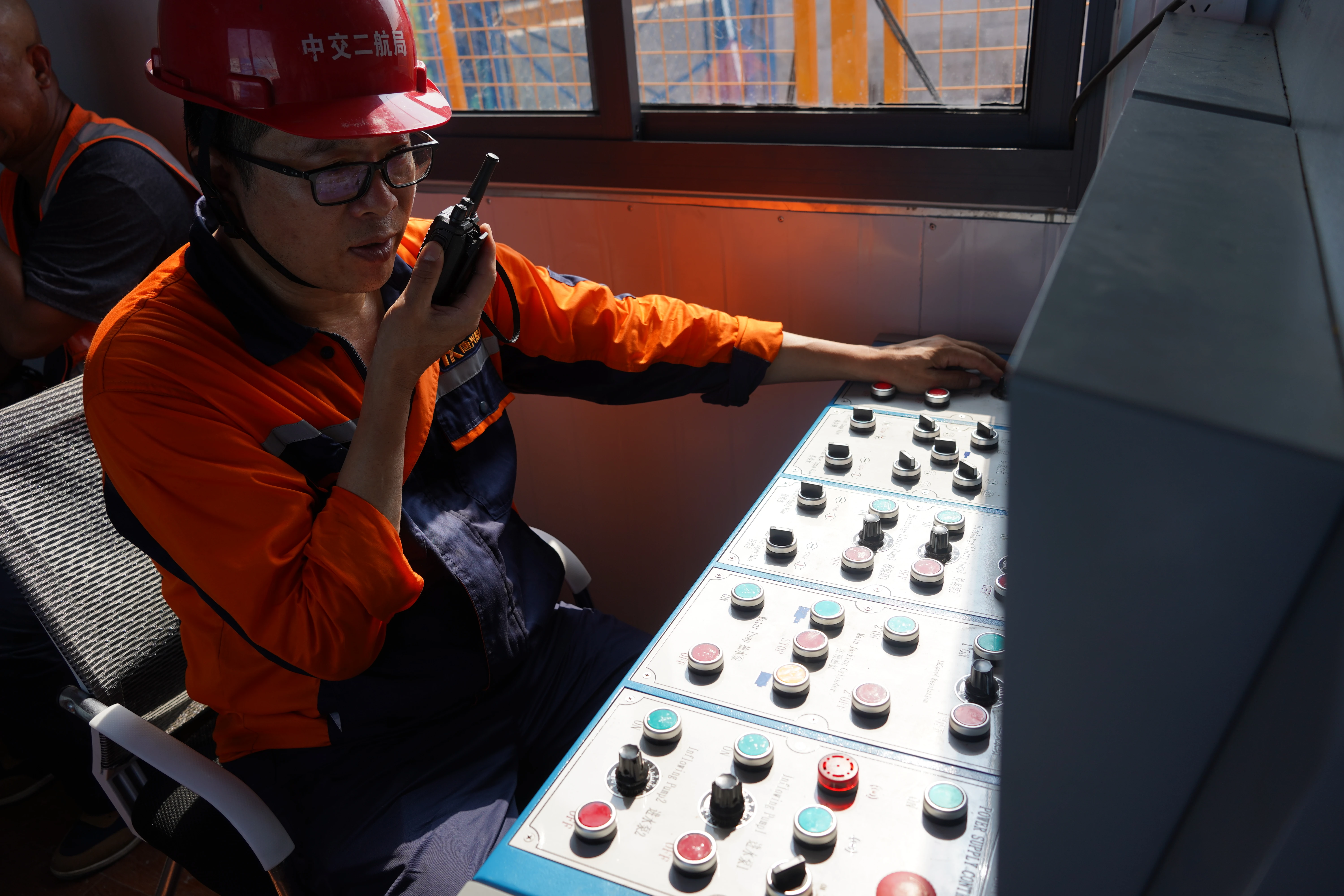
Environmental and mechanical challenges
Working with a tunnel boring machine is hard. The tunnel is full of water, dust, and mud. Vibration shakes the machine all the time. These things make connectors weak. Connectors are at the edge of the system. They link sensors to the main control. If water or dust gets in, connectors can rust. Vibration can make them loose. This causes bad data and wrong guesses.
You want your tunnel boring machine to be very accurate. Good data helps you do your work well. If a connector breaks, you get wrong results. You might see alarms or get bad numbers. The machine does not work as well. You lose time and money. Hard rock makes the machine shake even more. This can break connectors. That is why tbm tunnel sensor faults often trace to bad connectors in tough jobs.
The ground can change during tunneling. The machine must adjust to these changes. This makes more shaking and stress. Connectors get weaker and break more. You see more faults. You need to check your data a lot. If you miss a problem, your guesses will be wrong. You want your machine to work well. Strong connectors keep your data safe.
Connector quality, installation, and maintenance
You need good connectors for your tunnel boring machine. Cheap or fake parts can break fast. Many projects have problems from bad connectors. Reports show fake connectors cause big losses. Look at the table below:
|
Evidence Type |
Description |
|---|---|
|
Counterfeit Shipments |
Over 12,000 shipments of suspected counterfeit industrial parts were intercepted in 2023. |
|
Economic Impact |
Counterfeit components cost the U.S. industrial sector $200 billion each year. |
|
Safety Incident |
A crane collapse in Texas was linked to a fake quick-connect coupling that failed early. |
You want your machine to work well. Bad installation can also cause faults. If wires are not connected right, you get bad data. You should check your connectors often. If you skip checks, you will get more faults. Your tunnel work will slow down. Your guesses will be wrong. You will not get good results.
Better design can help you. CEGC uses modular connectors in their machines. This makes it faster to put together. You get better results and fewer faults. Service-friendly layouts help you check and fix connectors fast. You can pick the best connectors for your tunnel. You get better data and more accuracy.
-
Service-friendly layouts make machines more reliable.
-
Project-based customization lets you pick what you need.
You want your machine to give you the best results. Good connectors help you get high accuracy. You must check your connectors often. You must use quality parts. This helps you avoid faults and keeps your tunnel work on track. Remember, tbm tunnel sensor faults often trace to bad connectors. You can stop these faults with good choices and care.
Preventing connector-related faults in TBM projects
Best practices for selection and installation
You must pick the right connectors for your tbm. First, check what the tunnel is like. Water, dust, and shaking can hurt weak parts. Choose connectors that fit the tunnel’s needs. Use connectors that keep out water and dust. Find ones with strong locks. These locks help your tunnel boring machine work well in hard jobs.
When you put in connectors, follow CEGC’s steps. Clean each connector before using it. Make sure wires fit tightly. Do not push parts together too hard. Use the correct tools for the job. Good installation gives you real-time data. This helps your digital twin and tunnel plans. You get better results and fewer faults.
Tip: Use a checklist when you install connectors. This helps you avoid mistakes and keeps your tunnel work going.
Inspection, maintenance, and rapid troubleshooting
You need to check connectors often. Make a schedule for checking them. Look for dirt, rust, or loose wires. Clean and tighten connectors when needed. This keeps your tunnel boring machine working well. Regular checks help you find problems early.
If you see a fault, fix it fast. Use real-time tools to find the bad connector. Compare data from different sensors. This helps you fix issues quickly. Write down every repair in your tunnel records. These notes help you later with planning and analysis.
CEGC gives support for fast troubleshooting. You get help with data analysis and decision tools. These tools make your tunnel boring machine safer. Good care and quick repairs protect your tunnel and your money.
Bad connectors can make TBM tunnel sensors stop working. You can keep your machine running by using good connectors. Follow CEGC’s tips for putting in connectors. Check your parts often to find problems early.
-
Pick connectors that are strong and sealed.
-
Look at your connectors and fix them often.
Need help? Reach out to CEGC for special help with your tunnel boring machine or microtunnelling machine project.
FAQ
What is the most common cause of TBM sensor faults?
You often see bad connectors as the main reason. They break or get dirty, which stops your tunnel boring machine from sending good data.
How can you quickly check for connector problems?
Tip: Look for loose wires, rust, or dirt. Use a checklist. If you see alarms or missing data, check connectors first.
Why should you use CEGC connectors for your TBM machine?
You get strong, sealed connectors. They last longer in tough tunnels. CEGC also gives you support and project-based customization.


