
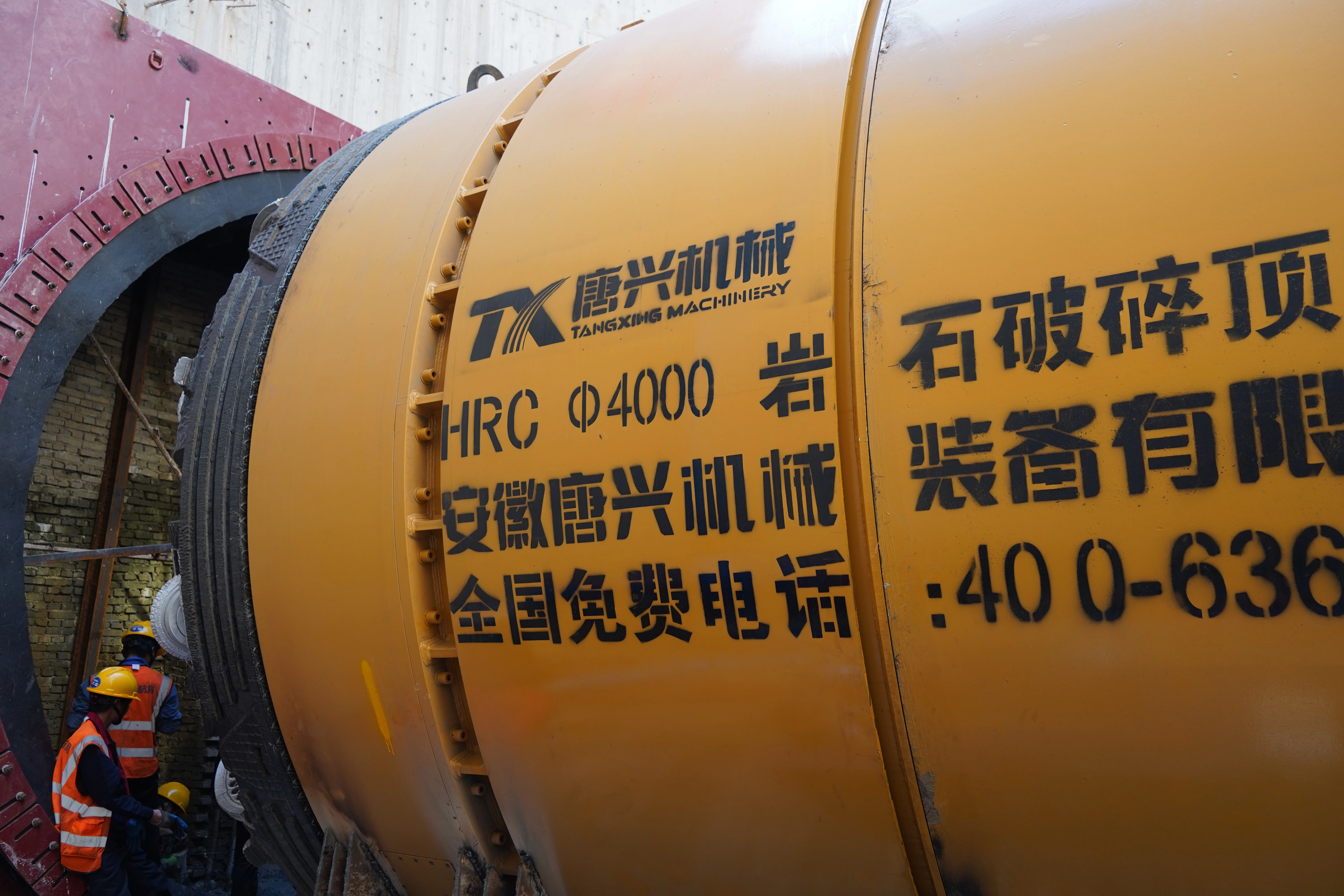
You need sensors to help tunnel boring machines operate effectively. If sensors overheat, they can malfunction, leading to inaccurate data. Micro tunneling cooling keeps sensors stable too. With CEGC, you receive excellent cooling solutions that protect your tools. This ensures you maintain control over every project.
Key Takeaways
-
Stable sensors are very important for tunnel boring. They help keep the tunnel going the right way and at the right depth. This stops mistakes that can cost a lot of money.
-
Using good cooling methods, like microchannel or chilled air cooling, keeps sensors cool. This helps sensors give correct data and last longer.
-
Always check and take care of your cooling system. This stops sensors from getting too hot. Doing this makes the project safer and work better.
sensor stability in microtunnelling and TBM projects
why stable sensors matter
Sensors help you steer tunnel boring machines underground. They show you the tunnel’s direction and ground conditions. Sensors also tell you how the machine is working. When sensors stay steady, you can make fast choices. This helps you avoid expensive errors. In microtunneling, sensors keep the tunnel straight and at the right depth. You use sensors to check pressure, temperature, and machine position. If you want your project to go well, you need sensors that do not stop working.
Some common reasons sensors become unstable in microtunneling and TBM projects are:
-
Sudden changes in ground, like moving from hard rock to soft soil.
-
Broken or weak rock that cannot support the tunnel face.
-
Equipment issues, such as worn cutterheads or broken sensors.
-
Operator mistakes, like using the wrong thrust force.
risks of overheating in tunnel machines
Overheating can harm sensors and make them give wrong data. When your tunnel machine gets too hot, you face many dangers. The table below shows what can happen if sensors overheat during a project:
|
Consequence |
Description |
|---|---|
|
Oil oxidation |
Lubrication stops working and causes more mechanical problems. |
|
Increased friction |
Parts wear out faster and might break. |
|
Internal leakage |
Pressure turns into heat, making the system hotter. |
|
Mechanical friction hotspots |
Bearings and other parts get too hot from extra friction. |
|
Hydraulic losses |
Leaks make temperatures rise and overheating worse. |
impact on project outcomes
If sensors break or give wrong information, you can lose control of your microtunneling project. The tunnel might move off course or the ground could shift unexpectedly. This can cause delays, cost more money, or even put your team in danger. Good sensors help you avoid these problems and keep your tunnel boring machine working well. Keeping sensors cool and steady protects your project and gives better results for your clients.
micro tunneling cooling keeps sensors stable too
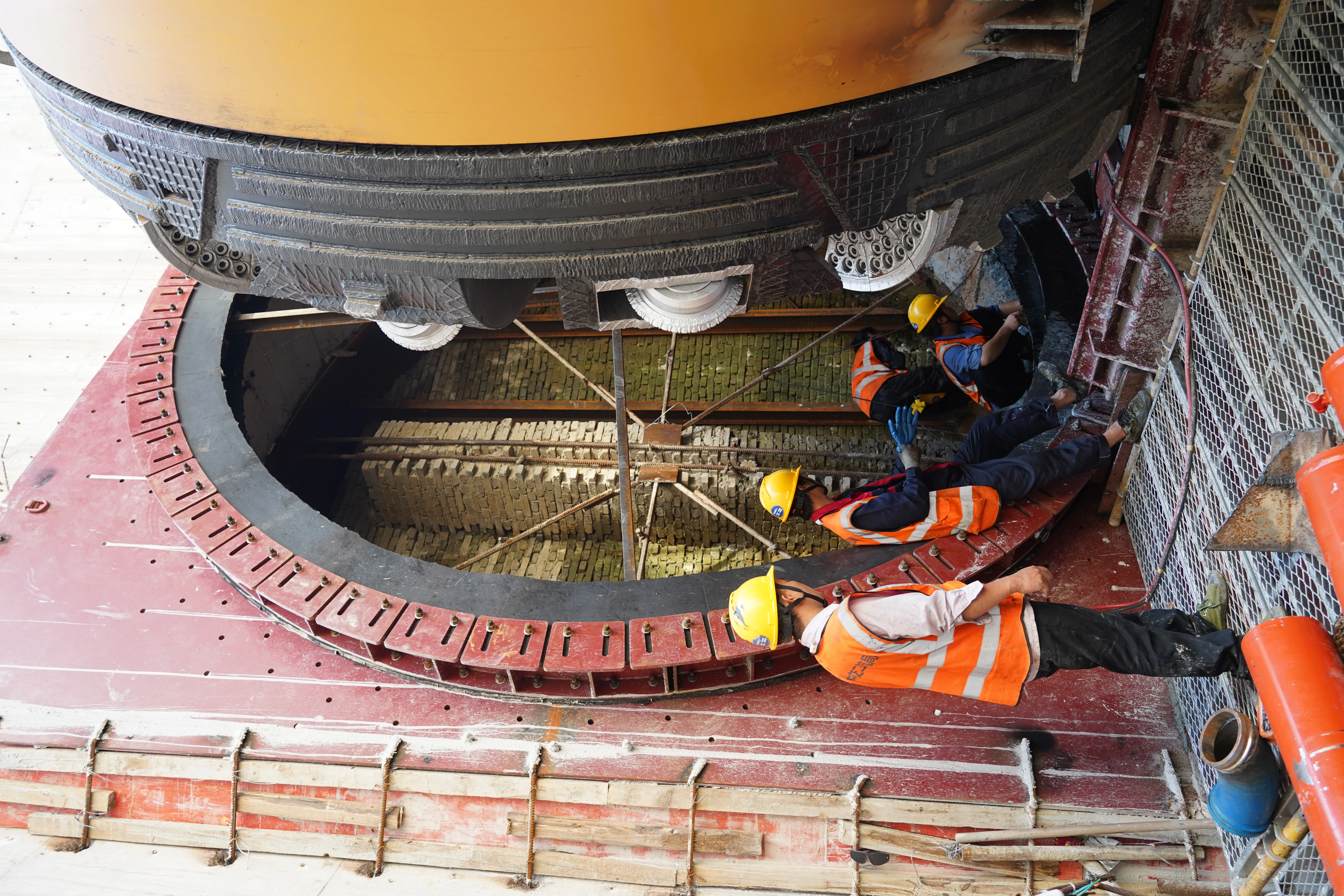
cooling methods for tunnel boring machines
You need good cooling to keep your tunnel boring machine working well. Micro tunneling cooling keeps sensors stable too by using smart ways to cool things down. One way is microchannel cooling. This uses tiny paths to move coolant close to hot spots. It takes away heat fast and keeps sensors cool. Another way is chilled air cooling. You blow cold air over sensors and electronics. This stops them from getting too hot. Immersion cooling is also used for some parts. You put sensors or electronics in a special liquid that soaks up heat. These cooling ways stop overheating and help your tunnel machine work better.
CEGC uses these cooling ways in its TBM tunnel boring machine and microtunnelling machine products. You get strong performance and can pick a cooling system that fits your project. When you use the right cooling, you protect your sensors and make your tunneling projects better.
benefits for sensor accuracy and uptime
Micro tunneling cooling keeps sensors stable too by keeping them at the right temperature. When sensors stay cool, they give you good data. You can trust what you learn about tunnel alignment, ground pressure, and machine position. This helps you make smart choices fast.
If sensors get too hot, they might stop or give wrong data. Cooling stops this from happening. Your sensors work longer because they do not break. Your tunnel boring machine can keep going without long stops. This saves you time and money on your tunneling jobs.
Tip: Always check your cooling system before you start a new drive. A good cooling system keeps your sensors working right and your project running smooth.
real-world applications with CEGC TBM solutions
You can see how micro tunneling cooling keeps sensors stable too in real projects. CEGC has given TBM tunnel boring machine and microtunnelling machine solutions to many tunneling jobs. In cities, ground settlement and face instability are big problems. Sensors must give you live data to control face pressure and keep the tunnel straight. CEGC cooling systems help your sensors stay strong, even if the ground changes or water gets in the tunnel.
For example, a city utility used a CEGC microtunnelling machine with microchannel cooling. The sensors stayed cool and worked well during a long job under a busy street. The project finished on time, with no tunnel drift or ground problems. You can count on CEGC to give you cooling systems that meet top standards and fit your needs.
best practices for cooling system integration
You should follow good steps when adding cooling to your tunnel boring machine. First, pick a cooling way that matches your sensors and project. Microchannel cooling is good for small spaces. Chilled air works for open spots. Immersion cooling helps with lots of heat.
Next, plan your cooling system when you design your project. CEGC lets you change the system to fit your tunneling jobs. Test the cooling system before you start. Look for leaks, blockages, or weak airflow.
Keep your cooling system clean and working well. Change filters and coolant when needed. Teach your team to spot signs of overheating. If you do these things, micro tunneling cooling keeps sensors stable too and helps you finish your project with less risk.
Note: Good cooling helps sensors stay steady. This helps you handle ground settlement, face instability, and tunnel drift. You get better results and safer tunneling jobs.
You need good cooling to keep sensors working well and data correct. Better cooling helps you avoid problems and makes machines work better. Here is how cooling helps:
|
Impact of Advanced Cooling Systems |
Description |
|---|---|
|
Makes air safer and cuts down bad gases. |
|
|
Equipment Performance |
Stops machines from getting too hot and keeps them strong. |
|
Risk Reduction |
Lowers heat problems and helps things run better. |
Pick CEGC’s tunnel boring machine solutions for your next job.
FAQ
How does cooling help sensors in tunnel boring machines?
Cooling helps sensors work right. It keeps them from getting too hot. This means you get good data and your machine works well.
Can you customize cooling systems for different projects?
You can pick a cooling system that matches your project. CEGC gives choices for tunnel boring machines and microtunnelling machines.
What should you check before starting a tunneling job?
Check your cooling system before you start. Look for leaks, blocked air, and make sure filters are clean. This keeps sensors steady.


