
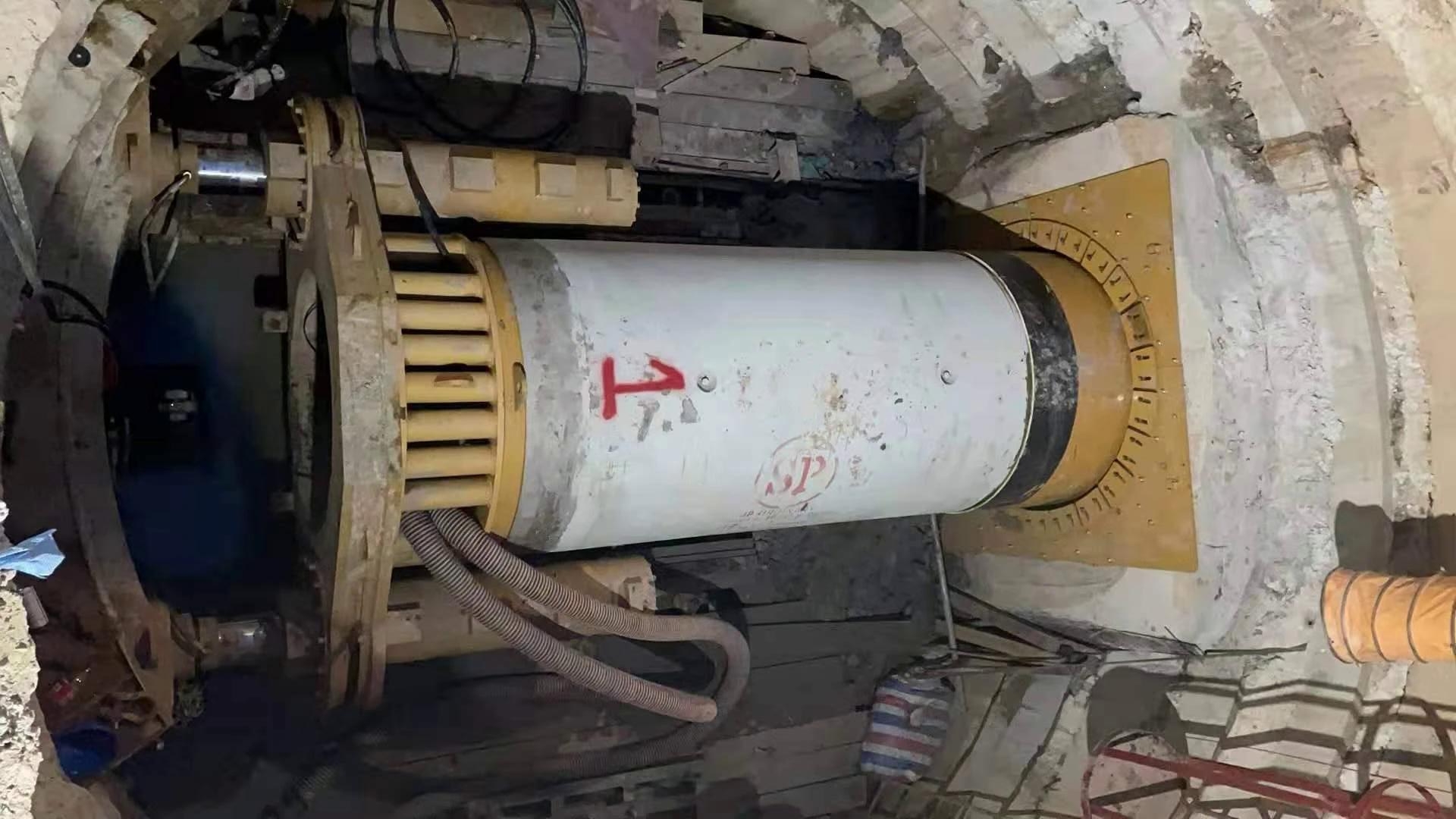
Micro tunneling discharge issues often start at bends, causing disruptions in flow and leading to material buildup. To mitigate these challenges, you can rely on CEGC tunnel machine solutions. Effective planning and thorough condition assessments are essential to avoid errors. Additionally, our innovative guidance and support systems ensure that your project remains safe and operates efficiently.
Key Takeaways
-
Micro tunneling discharge issues often begin at bends. This happens because friction and pressure get higher. Checking the system often helps find and fix these problems early.
-
Using guidance systems helps pipes stay straight. Keeping pipes lined up lowers the chance of discharge issues. CEGC's tunnel machines help keep pipes in the right place.
-
Careful planning is important to stop discharge problems. Checking the system often helps keep the tunnel safe and working well. Do routine checks and maintenance to make sure your tunnel project is safe and efficient.
micro tunneling discharge issues often start at bends
Causes: Flow, Pressure, and Material Buildup
Micro tunneling discharge issues often start at bends. Bends make the flow change direction fast. Water or slurry must turn quickly at these spots. This turning makes more friction. Friction can cause pressure to go up. High pressure puts stress on pipes and pumps. Material can pile up at the bend.
Faster fluid speeds create more friction loss. This puts extra stress on pipes and pumps. It can cause them to wear out early or break. Quick changes in speed and pressure can cause water hammer and cavitation. These problems make material break down and pile up even more.
Micro tunneling discharge issues often start at bends when material blocks the pipe. If you do not fix these blockages, your equipment can get damaged. Your project can slow down. Soil type and ground conditions matter a lot. Sandy soil, grouting, and tunnel shape change how bends act.
|
Soil Type |
Effect on Tunnel |
Mechanism of Influence |
|---|---|---|
|
Sandy Soil |
Upward Displacement |
Strong compaction effect disrupts stress equilibrium, leading to stress redistribution and increased earth pressure. |
|
Grouting |
Asymmetric Thrust |
Non-uniform earth pressure distribution causes upward concentrated load and asymmetric deformation of the tunnel. |
|
Tunnel Shape |
Elliptical Deformation |
Horizontal outward thrust from grouting pressure leads to distortion of the tunnel cross-section. |
Micro tunneling discharge issues often start at bends because these things make weak spots. You need to watch bends closely when you plan and work.
Role of Guidance Systems and Pipe Alignment
You can lower risks by using guidance systems and keeping pipes straight. CEGC’s tunnel boring machine and Microtunnelling Machine help you steer your tunnel. These machines use controls that check direction and grade as you work. You get good alignment, so discharge issues at bends are less likely.
If pipes stay straight and you use guidance systems, you avoid mistakes. Micro tunneling discharge issues often start at bends when the tunnel moves off line. CEGC’s machines are strong and keep the tunnel steady. This helps even in tough ground or heavy loads.
Controlled excavation profiles help you put pipes and segments in place. This stops gaps and weak spots from forming. Micro tunneling discharge issues often start at bends, but you can stop them with the right tools and planning. CEGC gives custom solutions for your site and soil.
Tip: Always check your guidance system before you start. Good alignment saves time and keeps risks low.
Micro tunneling discharge issues often start at bends, but smart tools and good habits help you manage them. You keep your project safe and your tunnel strong.
Planning and Condition Assessment for Tunnel Projects
Preventive Strategies and Bentonite Injection
You need to plan well before starting a tunnel project. Good planning helps you stop discharge issues at bends. You should check the tunnel path and soil before you dig. Regular checks help you find weak spots early. This stops problems before they get worse. CEGC gives custom solutions for tunnel boring machine and Microtunnelling Machine jobs. These machines help you work in hard ground.
Bentonite injection can keep the tunnel safe and steady. Bentonite makes a seal that blocks water from getting in. Dewatering takes out extra water and keeps things dry. You should check the tunnel often for any problems. Regular checks help you catch trouble early and stop failure.
Tip: Always add condition checks and planning to your tunnel checklist. This keeps your project safe and lowers risk.
|
Evidence Type |
Description |
|---|---|
|
Importance of Regular Assessments |
Checking the tunnel often keeps it strong and stops discharge issues at bends. You can find problems early. |
|
Consequences of Neglect |
If you skip checks, the tunnel could collapse or fail. Past failures like the Morandi Bridge show this risk. |
|
Predictive Maintenance Benefits |
Predictive maintenance lets you fix things before they break. This saves money and keeps tunnels working. |
Pipe Rehabilitation for Force Mains and Maintenance
You need to plan for fixing pipes in force mains. Discharge issues at bends can make these pipes fail. You can use different ways to check if pipes are healthy. Regular checks help you choose the best way to fix them.
Here are some common ways to fix force main pipes:
|
Technique |
Description |
|---|---|
|
You put a liner with resin inside the old pipe. It hardens and makes a new pipe inside. |
|
|
Sliplining |
You slide a smaller pipe into the old one. You might fill the gap with grout. |
|
Spiral-Wound Systems |
You wind a strip inside the pipe to make a new liner. |
|
Pipe Bursting |
You break the old pipe and pull in a new pipe that is the same size or bigger. |
You should use checks to pick the best way to fix pipes. Maintenance checks help you stop problems and keep your tunnel project safe. CEGC helps you with tunnel machine solutions for fixing and checking pipes.
Troubleshooting and Upgrades at Bends
Early Detection and Quick Resolution
You must find discharge problems at bends early. Watch flow rates and pressure changes often. If numbers change fast, check for blockages. Use sensors to watch discharge in real time. Sensors show patterns and warn you about trouble. Look for slow discharge, strange noises, or shaking at bends. These signs mean there might be buildup or a blockage.
Make a routine to check discharge every day. Walk around and listen for weird sounds near bends. Use cameras to look inside pipes. If you see buildup, fix it right away. Remove the blockage and flush the pipe. Acting fast keeps discharge moving and stops bigger issues. Always write down discharge problems and what you find. This log helps you see patterns and plan better.
Tip: Check discharge every day. Quick action saves time and money.
Equipment Upgrades and Modular Design
You can upgrade your tunnel machine to fix discharge problems. CEGC has modular TBM and Microtunnelling Machine designs. These machines let you change parts quickly if there are issues at bends. Modular design means repairs are faster and easier. You can add new discharge monitoring systems to your machines. These systems give live data about flow and pressure.
CEGC gives you many ways to help with discharge problems and upgrades. Here is a simple list:
|
Customized Equipment Manufacturing |
|
Service Consulting |
|
Jobsite Assembly |
|
Trenchless Support |
|
Training |
|
Spare and Wear Parts |
You get help with discharge from start to finish. CEGC trains your team to check and fix discharge. You can order spare parts for repairs. Service consulting helps you choose the best solutions for your site. With upgrades and support, you keep discharge safe and steady at every bend.
You can stop discharge problems at bends with good planning. Check the pipes often to see if they are okay. Use CEGC’s tunnel machines to help wastewater move. Fix any blockages in the wastewater pipes right away. Upgrade your equipment when you need to. Take care of the pipes every day. Watch the wastewater flow using sensors. Write down any problems you find. Teach your team how to stay safe with wastewater. Regular checks help keep the tunnels strong.
FAQ
What is microtunneling and how does it help trenchless projects?
Microtunneling lets you make tunnels without digging big holes. This way, the ground stays strong and flow is easy to control. It is a good choice when you need to fix pipes in force mains.
Why do you need hydraulic and structural condition assessment before trenchless work?
You check the hydraulic and structural condition to find weak spots. This helps you plan better and pick the right way to fix pipes. It also helps you control flow during the work.
What are typical failure mechanisms in trenchless pipe rehabilitation for force mains?
You can have leaks, blockages, or cracks in the pipes. These problems stop the flow of water or waste. If you design well and check often, your trenchless system will keep working.


