
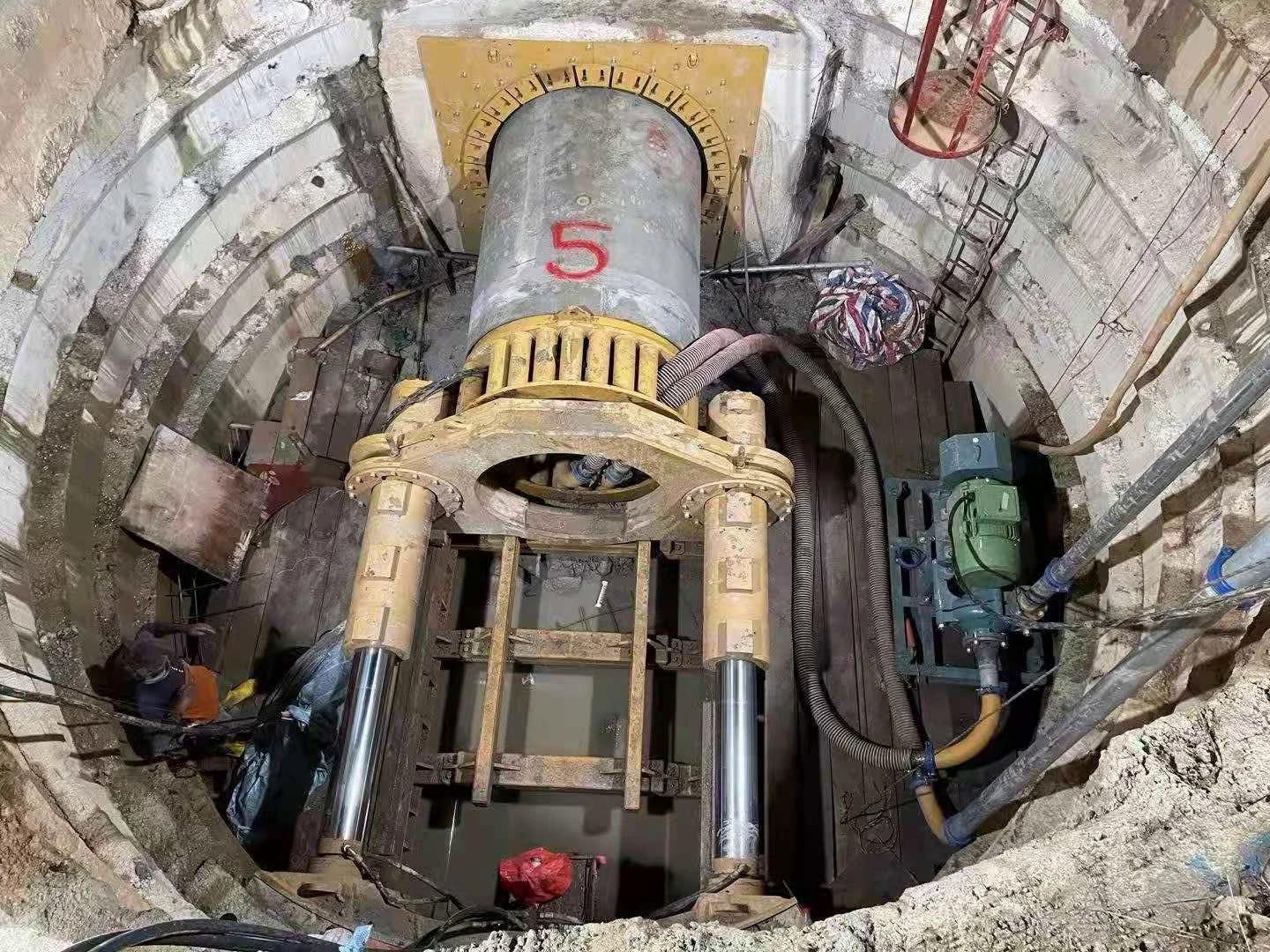
Discharge wear can cripple a TBM machine mid-drive, leading to significant project delays and increased costs. If this issue is not addressed promptly, it can halt your operations unexpectedly. Taking proactive measures ensures the safety and efficiency of your tunnel machine. CEGC is here to assist you in overcoming challenging problems with TBM and microtunnelling machine systems.
Key Takeaways
-
Discharge wear can make a tunnel boring machine (TBM) much slower. This can cause expensive delays in the project. It is important to do regular maintenance and checks to stop this problem.
-
The cutterhead and mucking slot are the main parts hurt by discharge wear. Checking these parts often helps find problems early. This keeps the TBM working well.
-
Using the correct tools and good maintenance plans can lower discharge wear. Following best practices and using CEGC's solutions can help the project succeed and save money.
What is discharge wear in tunnel boring machines?
Discharge wear happens when parts inside a tunnel boring machine get damaged by rock pieces and rough soil. This damage usually shows up where the machine pushes out broken rock and dirt. If you do not take care of discharge wear, your tunnel boring machine might slow down or even stop.
Causes of discharge wear
There are many things that can cause discharge wear. The way the cutterhead and mucking slot are built is very important. If the mucking slot does not clear out rock pieces fast enough, the debris piles up and rubs against the machine. This makes the cutterhead work harder and can wear it out faster. The kind of soil also matters. Rough soils and some slurry mixtures can make the machine wear out quicker and not last as long.
Here is a table that lists the main causes of discharge wear:
|
Cause of Discharge Wear |
Description |
|---|---|
|
Cutterhead Design |
Bad design can trap debris and cause more wear. |
|
Mucking Slot Design |
Poor slots let debris pile up and hurt parts. |
|
Slag Discharge Limitations |
Not enough space or slow turning keeps debris touching machine surfaces. |
|
Abrasive Soil Conditions |
Hard or gritty soils scrape machine parts. |
Tip: Always look at the mucking slot and cutterhead for debris during regular checks.
Components most affected
Some parts of the tunnel boring machine get more discharge wear than others. You should watch these parts closely:
-
Cutter bearings can wear out fast in soft ground.
-
The auger gets worn down by rough materials.
-
Casings can get damaged from touching rock and soil all the time.
-
The screw conveyor needs strong, wear-proof parts for hard jobs.
If you check these parts often, you can find problems early and keep your tunnel boring machine working well.
How discharge wear can cripple a TBM machine mid-drive
Efficiency loss and downtime
Discharge wear can cripple a TBM machine mid-drive. This problem slows down the tunnel boring machine. The machine does not work as well. You see more downtime and stops. The cutterhead and mucking slot must work harder. The machine uses extra energy. More checks and repairs are needed. You lose time. The project schedule gets delayed.
Think about a tunnel boring machine in a city. The soil is rough and hard. Debris fills the discharge slot. The cutterhead grinds against rocks. The machine works slower. The crew stops often to clear muck. The TBM cannot move as fast as planned. Delays happen. The machine’s efficiency drops each day.
Note: Discharge wear can cripple a TBM machine mid-drive and cause up to 10% less TBM availability. Watch for signs of efficiency loss. Take action early to keep your tunnel machine moving.
CEGC helps you manage efficiency. The company gives you cutterhead designs for different soils. You get steady torque delivery. The wear management system helps with planned maintenance. Your TBM runs longer. You avoid sudden stops. You protect your project timeline.
Repair costs and project delays
Discharge wear can cripple a TBM machine mid-drive and raise repair costs. You spend more money on new cutters. You pay for bearings and conveyor parts. The project budget gets bigger. The schedule stretches out. Owners and contractors may make claims.
Here is a table that shows how discharge wear can cripple a TBM machine mid-drive and affect repair costs:
|
Impact Type |
Percentage Change |
|---|---|
|
Increased cutter consumption |
15-30% |
|
Reduced pump life |
40-60% |
|
Lower TBM availability |
5-10% |
You need more cutter replacements. Pumps wear out faster. The TBM spends more time getting fixed. Efficiency drops. You lose money and time.
A real case shows discharge wear can cripple a TBM machine mid-drive. In a city tunnel project, the TBM faced rough soil. The discharge slot wore out fast. The crew replaced cutters every week. Project costs went up by 20%. The schedule slipped by two months. The owner asked for extra reports and repairs.
You need good maintenance strategies. CEGC gives you wear solutions for maintenance. You get planned replacement times. The company supports inspection workflows. You have fewer unplanned stops. Efficiency stays high. You save money and finish on time.
Tip: Check rock abrasiveness before you start. Use CEGC’s technical solutions to lower wear and manage discharge. You protect your TBM and your project.
Monitoring and preventing discharge wear in TBM operations
Early warning signs
You can find discharge wear early if you know what to check. Sensors help you watch your tunnel boring machine. Vibration sensors show if bearings or gears have trouble. Temperature sensors tell you if parts get too hot. This means there might be not enough oil or too much rubbing. Acoustic sensors hear strange sounds that can mean wear. Current sensors show if the machine uses more power than normal. These signs warn you before something breaks and stops your work.
Here is a table that shows how each sensor helps you find discharge wear:
|
Sensor Type |
Role in Identifying Wear |
|---|---|
|
Vibration |
Finds bearing wear and gear cracks |
|
Temperature |
Spots overheating from friction or poor lubrication |
|
Acoustic |
Hears sounds from worn or damaged parts |
|
Current |
Detects extra power use from mechanical issues |
You should check for these signs every day. If you see higher temperatures or hear new noises, act fast. This keeps your excavation face strong and protects your machine.
Best practices for prevention
You can stop discharge wear by following smart steps. Clean the muck discharge area often. This keeps debris from building up and hurting your machine. Use the right cutterhead and muck discharge system for your soil. This helps your machine work better and run smooth. Plan regular maintenance and change worn parts before they break. Teach your crew to spot problems early.
Here are some best practices:
-
Watch sensor data and set alerts for strange changes.
-
Plan checks for muck discharge and cutterhead wear.
-
Use CEGC’s solutions for your tunnel machine. These help you match the discharge system to your project.
-
Keep your excavation face strong by controlling pressure and muck flow.
When you manage discharge well, you lower the chance of breakdowns. You keep your excavation moving and finish your project on time. Good discharge management helps you succeed and saves money.
Discharge wear can make your tunnel boring machine stop working. This can cost a lot of money. You can stop breakdowns by watching your machine all the time. Regular maintenance helps keep things running. CEGC gives you special solutions and engineering help. Look at the table below to see ways to cut downtime and save money.
|
Customization Option |
Description |
|---|---|
|
Tailored Equipment Solutions |
Fits tunneling, port, and mining jobs with special needs. |
|
Comprehensive Engineering Support |
Supports HDD, pipe jacking, and microtunnelling in hard places. |

Use smart steps and ask CEGC for help with your project. You keep your TBM safe and your project moving forward.
FAQ
What is the most important part of the excavation face in a tunnel boring machine?
You must check the cutter-head and cutterhead at the excavation face. The cutter-head and cutterhead help you keep the excavation face strong. The tunnel needs a good excavation face.
How do you improve performance at the excavation face during a tunnel project?
You should clean the cutter-head and cutterhead at the excavation face. The tunnel will move faster. You get better excavation performance. The excavation face stays safe.
Why does the cutter-head wear out at the excavation face in a tunnel?
You see the cutter-head and cutterhead touch the excavation face many times. The tunnel has hard soil. The cutter-head and cutterhead wear out at the excavation face.


