
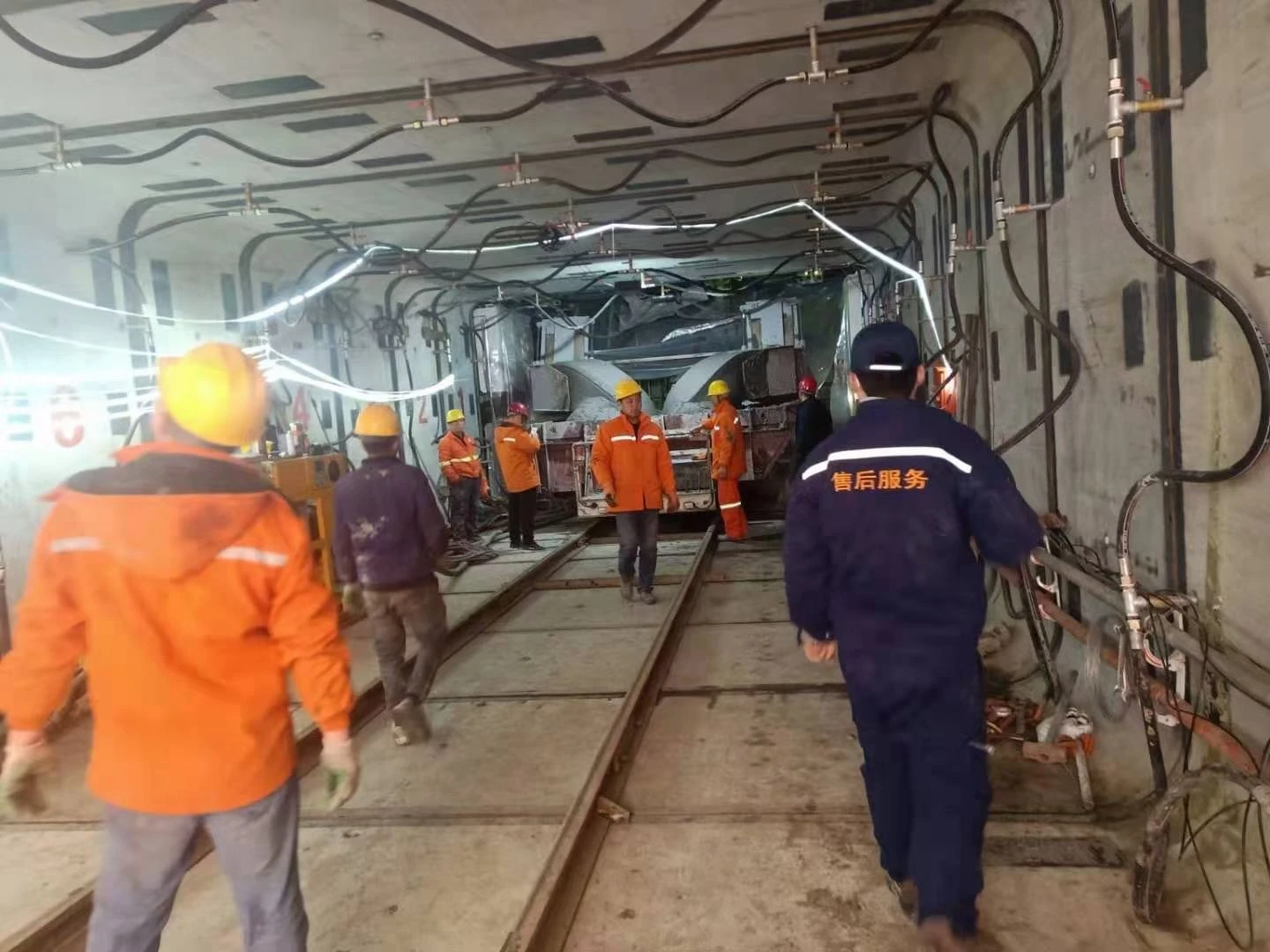
TBM machine separation failures can break shift plans, leading to delays and increased repair costs. These issues can disrupt material movement and put additional stress on tunnel boring machine components. CEGC offers solutions that meet market-standard specifications for TBM machine and Microtunnelling Machine projects. With CEGC, you can prevent these problems and enhance your project’s stability and efficiency.
Key Takeaways
-
TBM machine separation failures can stop work and cause expensive delays. Move fast to reduce lost time and keep your project moving forward.
-
Do regular maintenance and watch the machine in real time to find problems early. This smart plan keeps the machine working well and stops surprise failures.
-
Always make a backup plan. Get ready for problems so your team can change plans and keep working without trouble.
TBM machine separation failures: impact on shift plans
Immediate stoppage and idle time
If a tbm machine separation failure happens, your shift plan can fall apart fast. The tunnel boring machine stops right away. Workers have to wait while you check the machine and tunnel. This waiting means your team and equipment are not working. You lose hours that you cannot get back.
Right after a failure, you might see ground settlement and face instability. These problems make the site unsafe and slow down your team. The table below shows how ground settlement and face instability can mess up your shift plan:
|
Evidence Description |
Impact on Ground Settlement and Face Instability |
|---|---|
|
Curved TBM tunnels can cause uneven ground movement and settlement due to changes in stress distribution. |
This unevenness makes tunneling harder and can stop work. |
|
The machine can cut away too much soil on the outside of the curve, making the ground less stable. |
This can cause face instability and make tunneling harder. |
|
The most sinking occurs inside the curve, creating a "V" shape as the ground settles. |
More sinking inside the curve can cause more problems. |
|
Unbalanced thrust from steering the TBM around a curve can disturb the ground more than usual. |
This makes settlement worse and makes it hard to keep the tunnel straight. |
|
Uneven pressure at the tunnel face and tail void can cause settlement due to uneven grouting. |
If grouting fails, the ground can move more and become unstable. |
You need to act quickly to stop more damage. If you wait, the problem can get worse. Your team might need extra equipment or experts, which means more waiting.
Unplanned overtime and cascading delays
Tbm machine separation failures can ruin shift plans and make you work overtime. When the tunnel boring machine stops, you must work longer to catch up. Overtime costs more money and makes workers tired. If you do not fix the problem fast, delays can spread to other parts of the project.
You might also have trouble with deliveries and support crews. For example:
-
Tunnel segments and materials may arrive at the wrong time.
-
Support crews may wait for hours before they can start.
-
Equipment may block roads or shafts, causing more delays.
These failures can also cause more ground movement and face instability. If you do not control these risks, you may have to stop work for safety checks. This can delay your project by days or weeks.
CEGC gives you market-standard performance and custom solutions for tbm machine and microtunnelling machine projects. You can pick custom specs for your ground type and get support to help your machine work better. For example, soil conditioning lets you add special materials to the tunnel face. This makes the ground better and helps your tunnel boring machine work well. In tough soils, special foaming agents can help you move faster and lower the risk of failure.
Tip: Always plan for failures. Use machines that are easy to fix and have parts you can swap out. This helps you get back to work faster when something goes wrong.
Tbm machine separation failures can ruin shift plans, cause overtime, and start a chain of delays. You need the right tools and support to keep your project moving.
Minimizing disruption in TBM machine operations
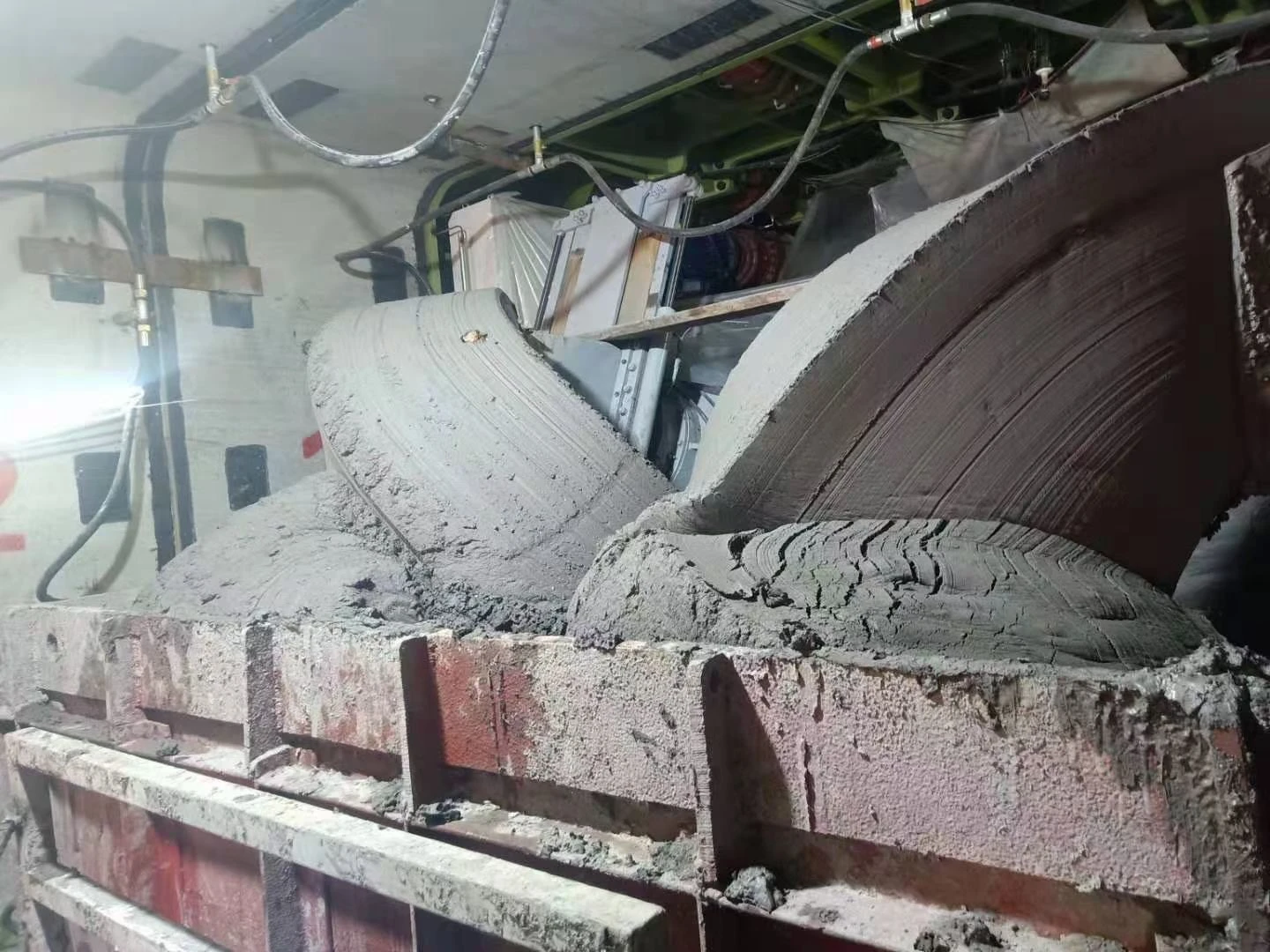
Preventive maintenance and monitoring
You can keep your tbm machine working well with smart maintenance and real-time checks. Regular maintenance helps you find problems early. The best plans look at how your tunnel boring machine is doing, not just follow a calendar.
|
Strategy |
Description |
|---|---|
|
Uses real-time data to check the machine’s health and avoid unnecessary repairs. |
|
|
Dynamic Maintenance Plans |
Changes how often you check the machine based on its history and past failures. |
|
Predictive and Proactive Approaches |
Looks for early signs of failure and fixes them before they stop your work. |
Sensors on your tbm machine give you live data. They warn you if something is wrong, so you can fix it fast. You can set special alert levels for each project. Data tools help you spot patterns and catch problems early. This keeps your machine safe and your shift plan steady. When you use regular maintenance and monitoring, your team works better and faster.
Contingency planning for shift management
You need a plan for what to do if things go wrong. Good backup plans help your shift keep going, even if your tbm machine stops. Emergency plans cover risks like equipment problems and worker safety. Logistics planning makes sure muck removal, segment supply, and utility work do not block each other.
CEGC’s modular design lets you change parts quickly and fit your machine to each job. Closed-mode face support and soil conditioning help you deal with tough ground and water. Advanced guidance systems keep your tbm machine on track. Service-friendly layouts and easy diagnostics mean you can fix problems fast. Project support packages give you training and spare parts, so you are ready for anything.
By planning ahead and using these tools, you cut downtime and keep your team busy. This way, you spend less on maintenance, improve reliability, and make every shift more efficient and productive.
You can see that tbm machine separation failures mess up shift plans. These failures also cause problems for your project. CEGC gives you technical solutions and ways to customize your machine. These help keep your work steady. The table below shows how these features help your project:
|
Evidence Description |
Contribution to Operational Stability |
|---|---|
|
Modular designs and easy-to-fix layouts |
Made for certain soil types, they lower restart failures and help your project run better. |
|
Customization options for equipment |
You can change things for your project, follow trenchless rules, and put pipes in the right way. |
You can stop failures by using good maintenance and smart shift planning:
-
Change how you work to stop wear and separation failures.
-
Watch your machine in real time and plan maintenance well.
Start now. Make sure your TBM is designed well and manage risks. Add things like probe drills and shield lubrication to your tunnel machine. Keep drilling and use in-tunnel GBRs to check for risks and lower failures. Always remember, tbm machine separation failures can ruin shift plans, but you can stop them with the right steps.
FAQ
What causes TBM machine separation failures?
Separation failures can happen for a few reasons. Sometimes, the ground is not stable. Cutter parts can wear out over time. Not taking care of the machine can also cause problems. These things can make your tunnel machine stop. When this happens, your project can get delayed.
How can you prevent TBM machine separation failures?
You should always take care of your machine. Make sure to check it often. Watch how it works in real time. Pick a tunnel boring machine that is easy to fix. Use strong support systems like the ones from CEGC.
Why choose CEGC for your TBM or Microtunnelling Machine project?
|
Reason |
Benefit |
|---|---|
|
You can change things |
Make the machine fit your job |
|
Meets top standards |
Follows all the rules needed |
|
Project help |
Less waiting and fewer risks |


