
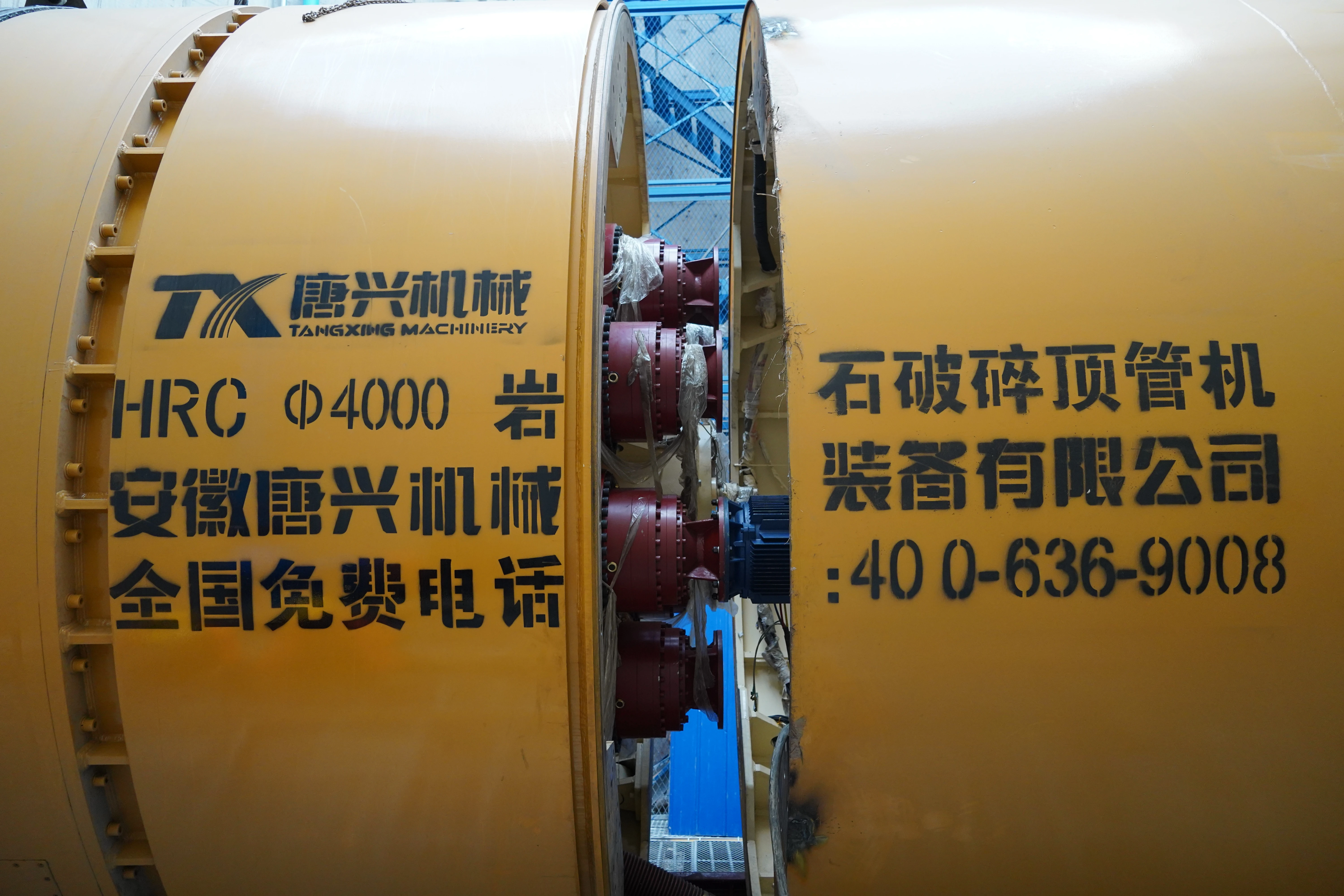
Good torque control is essential to keep your tunnel boring machine operating safely and efficiently. Research indicates that effective torque control not only facilitates the rotation of the cutterhead but also maintains stability at the face. This is particularly crucial in urban environments or when dealing with variable ground conditions. CEGC provides solutions that ensure micro tunneling torque control prevents no-rotation stalls.
Urban tunneling projects require consistent cutterhead rotation to avoid costly delays and safety issues.
Key Takeaways
-
Good torque control helps the cutterhead keep turning. This stops expensive no-rotation stalls from happening. Real-time checks and changes make work safer and faster. This helps the machine work better in tough ground. Special torque control from CEGC makes the cutterhead last longer. It also helps save money on the project. These solutions help finish the project on time.
micro tunneling torque control prevents no-rotation stalls
what are no-rotation stalls
Sometimes, the cutterhead stops spinning. This is called a no-rotation stall. The tunnel boring machine tries to move forward, but the cutterhead cannot turn. When this happens, the machine cannot cut soil or rock. The tunnel face becomes unstable. The ground can move more. Water might leak into the tunnel. Delays and extra costs can happen.
No-rotation stalls can happen to many tunnel machines. TBM tunnel boring machines, microtunnelling machines, and auger boring machines need the cutterhead to spin. If you work in soft ground or mixed soil, stalls are more common. Hard rocks can jam the cutterhead. Sticky clay or loose sand can block it. In cities, the problems get worse. The ground above can settle or water can leak in. This can cause claims and stoppages.
No-rotation stalls can hurt safety, slow your project, and cost more money. You need something that keeps the cutterhead spinning.
causes and risks for tunnel machines
Many things can cause no-rotation stalls. The soil can change suddenly. Hard rocks or big stones can stop the cutterhead. Sticky clay can wrap around the cutters. High water pressure can push against the tunnel face. If you do not control torque, the cutterhead slows down and stops.
Here are some common risks:
-
Face Instability: If the cutterhead stalls, the tunnel face loses support. Soil can fall or move. Water can rush in.
-
Ground Settlement: City projects need strict rules for ground movement. A stalled cutterhead makes settlement worse.
-
Cutterhead Wear: If the cutterhead stops and starts a lot, it wears out faster. You spend more money fixing or replacing it.
-
Project Delays: Stalls make you stop working. You lose time and money. Claims and stoppages can happen.
You can fix these risks with torque control. Micro tunneling torque control prevents no-rotation stalls by watching and changing the torque sent to the cutterhead. The system senses resistance and adds more torque when needed. The cutterhead keeps spinning, even in tough soil. CEGC gives you standard specs and custom options. You get a solution that fits your tunnel boring machine, microtunnelling machine, or TBM machine.
Micro tunneling torque control prevents no-rotation stalls in all tunnel machines. You protect the tunnel face, lower settlement, and avoid losing time. You make the project safer and more efficient. CEGC helps you meet project needs with reliable torque control and flexible choices.
Micro tunneling torque control prevents no-rotation stalls, so you finish your project on time and within budget.
torque control mechanisms and benefits
how torque control works
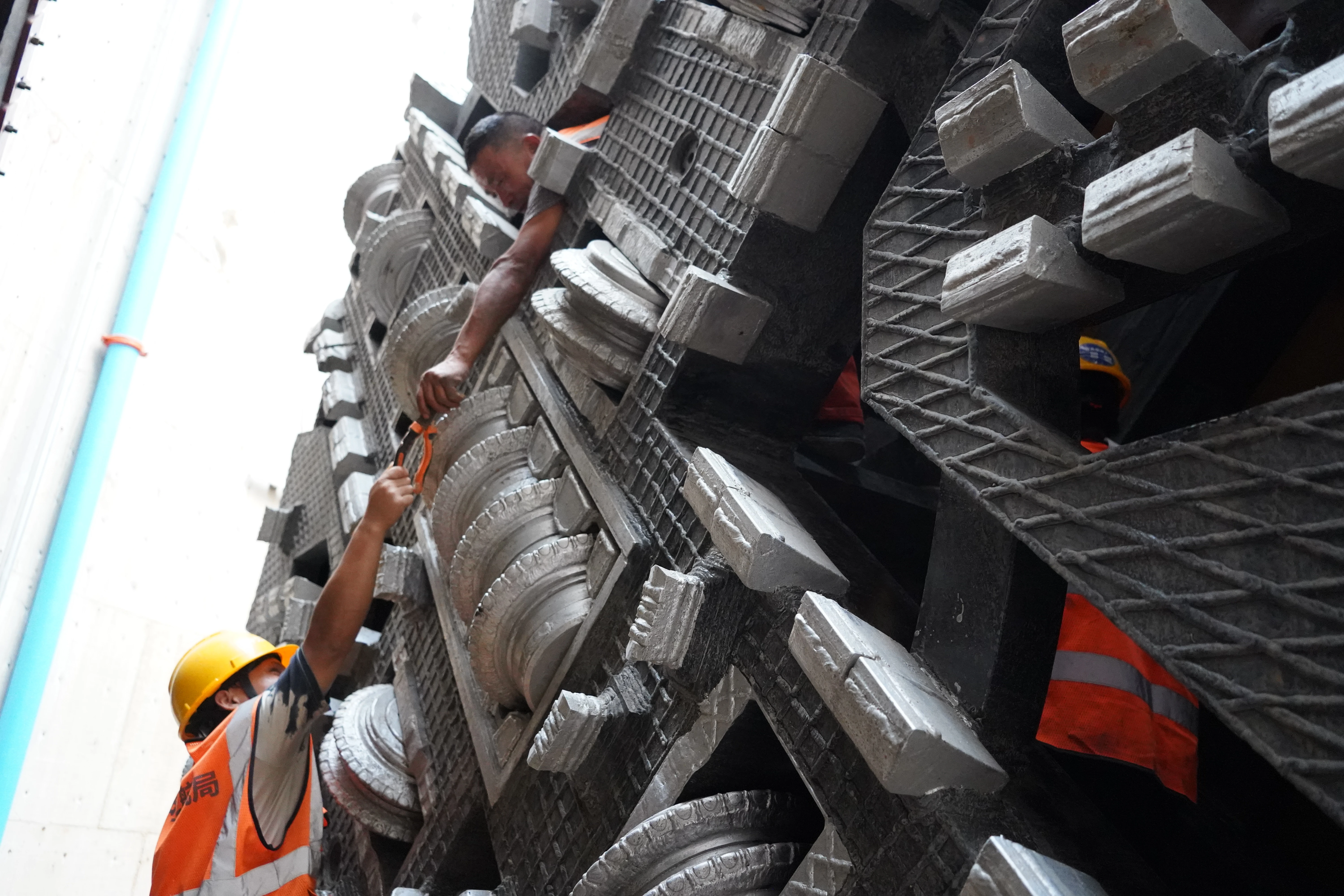
Torque control helps your tunnel boring machine run well. Sensors watch the cutterhead and check the torque. They change the force to cut rock or soil. Jack speeds are managed to stop ground shaking. This keeps the tunnel face steady. When you optimize cutterhead torque, you finish faster and lose less energy.
-
Watching cutterhead torque gives the right cutting force.
-
Managing jack speeds keeps the tunnel face steady.
-
Optimizing torque makes construction quicker and costs less.
Modern torque control uses digital systems and smart algorithms. These systems check cutting head torque and conveyor belt tension. They help keep performance steady in hard underground places.
real-time monitoring and adjustment
You get help from real-time monitoring and automatic changes. Advanced tunnel boring machines use automation and AI guidance. These systems study ground conditions and machine data. They change thrust and torque as you dig. You work more efficiently and safely.
Sensors track disc cutter wear with sound and vibration. The signals tell you when to change machine settings. This makes torque control better and keeps your tunnel machine working. Real-time monitoring stops sudden stalls and keeps the cutterhead spinning.
operational and cost advantages
Torque control keeps the tunnel face stable in microtunnelling projects. Staged excavations make plastic deformation zones. These zones spread stress and lower earth pressure. You get better shear strength and manage friction forces. This keeps the tunnel face steady and stops water from coming in.
You save money by lowering cutterhead wear and downtime. Smart algorithms and real-time monitoring stop equipment damage. You finish projects faster and with fewer delays. CEGC gives you solutions for tunnel boring machines and microtunnelling machines. You can pick features like programmable optical angle clamp for precise control. Custom options help you match torque control to your project.
With CEGC’s torque control systems, you protect your tunnel face, spend less, and get better results.
|
Benefit |
How Torque Control Helps |
|---|---|
|
Face Stability |
Keeps support and stops settlement |
|
Cutterhead Wear |
Lowers damage and replacement costs |
|
Project Efficiency |
Speeds up digging and lowers downtime |
You need torque control to help your microtunneling machine work well. High torque lets the cutterhead break rock and push forward. Real-time changes make the machine safer and more efficient. CEGC gives custom solutions for tunnel boring machines. You can make your system better and get strong support.
|
Parameter |
Benefit |
|---|---|
|
Torque Control |
Stable operation |
|
Customization |
Project-specific results |
|
Support |
Reliable performance |
-
Contact CEGC to learn about torque control upgrades.
-
Check your system to find ways to improve it.
FAQ
What is torque control in a tunnel boring machine?
Torque control helps you change the cutterhead’s force. This keeps the machine working well. It also stops no-rotation stalls from happening.
How does torque control help prevent ground settlement?
-
You keep the cutterhead turning at the right speed.
-
You hold up the tunnel face so it stays safe.
-
You stop too much soil from moving and keep water out.
Can CEGC customize torque control for my project?
|
Option |
Benefit |
|---|---|
|
Custom Specs |
Matches your ground type |
|
Support |
Makes the machine work well |


