
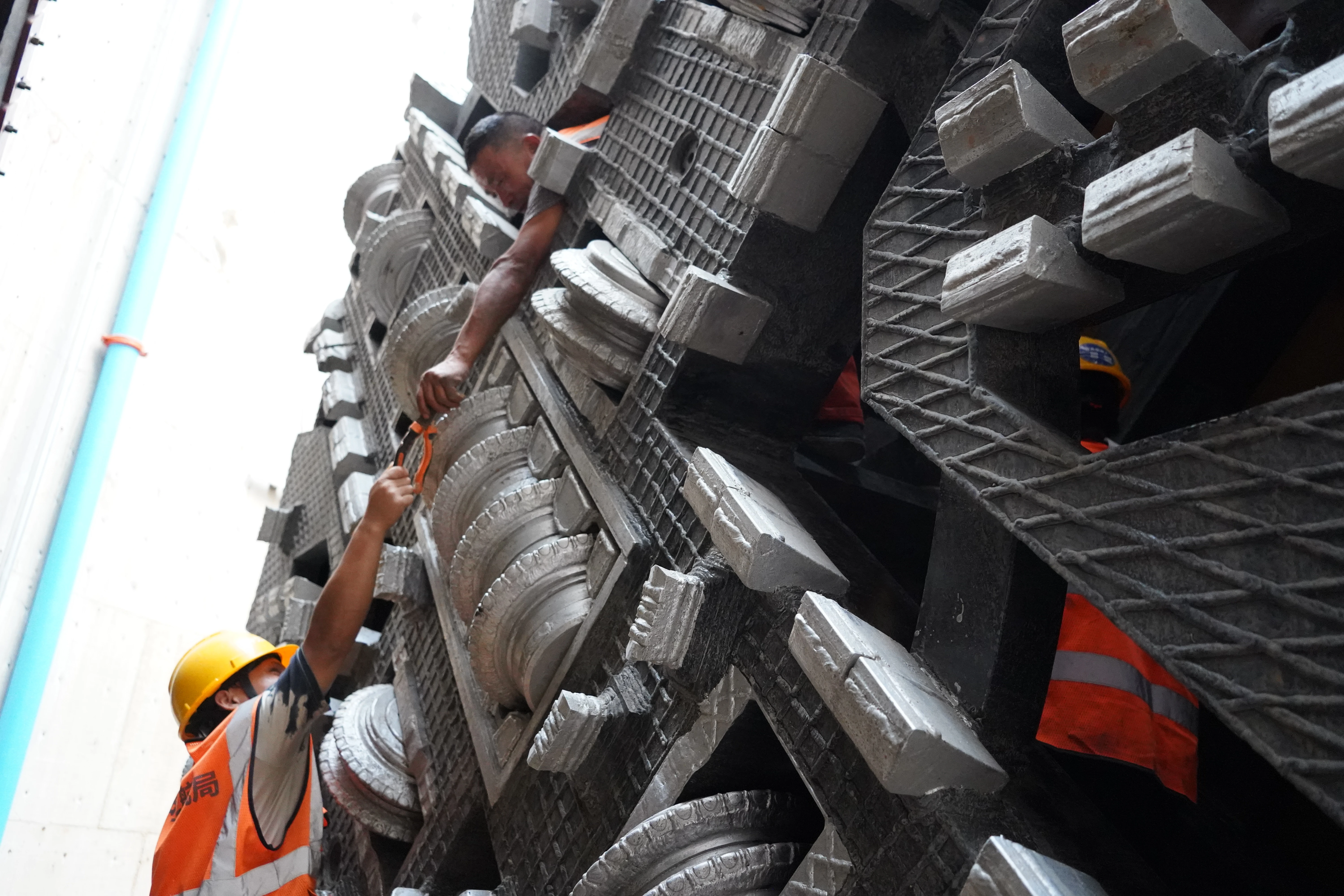
When your tunnel boring machine (TBM) encounters cobble-rich ground, you face significant challenges. The cutterhead can become clogged, making it difficult to advance. This situation demands increased torque and power consumption, leading to slower progress. High torque helps a TBM tunnel chew through cobbles effectively. CEGC provides excellent solutions to address these issues.
Key Takeaways
High torque is very important for tunnel boring machines. It helps them break through hard cobbles. The cutterhead can keep moving and does not get stuck.
High torque lowers the chance of jams and cutterhead damage. This makes tunneling faster. It also causes fewer delays in projects.
CEGC gives TBM solutions that can be customized. These machines have high torque features. They are made to work well in cobble-rich ground. They also keep workers safe.
Cobbles and Tunnel Boring Machine Challenges
What Are Cobbles in Tunneling?
Cobbles are big, round stones found in some tunnels. They are between 64 mm and 256 mm wide. These stones are very hard to break. Cobbles look and feel different from dirt or sand. Their shapes are not regular, and their surfaces are rough. When a tunnel boring machine or microtunnelling machine works, cobbles can change how it works.
Cobbles come in many shapes and sizes.
Their rough surfaces touch the cutterhead at certain points.
A mix of cobbles and soil makes tunneling harder.
If there are fewer cobbles, the cutter does not work as well, and the tunnel boring machine slows down.
Why Cobbles Challenge TBMs
Cobbles make tunneling harder for machines. Their hard and bumpy surfaces can block the cutterhead. When cobbles spin during digging, the machine feels uneven pressure. This can make the cutterhead wear out faster. The machine may need to stop more often for repairs. In cities, the ground can change quickly, making things even harder. CEGC has worked on many city tunnels with changing ground, so they know what to do.
Common Issues for Tunnel Machines
There are many problems when tunneling through cobble-rich ground. The table below lists the main problems and what happens:
Issue |
Description |
|---|---|
Big cobbles make cutting tools wear out and can block them. |
|
Soil Jamming |
Stones can get stuck and block the tunnel, which can stop the project. |
Ground Collapse |
Loose ground can fall in and break above the tunnel. |
Equipment Malfunction |
Machines can break suddenly, which is dangerous and causes delays. |
Groundwater Impact |
Water in the ground makes tunneling harder and more risky. |
You need a tunnel boring machine with special features for these problems. CEGC gives you standard and custom solutions for cobble-rich ground.
High Torque in TBM Tunneling
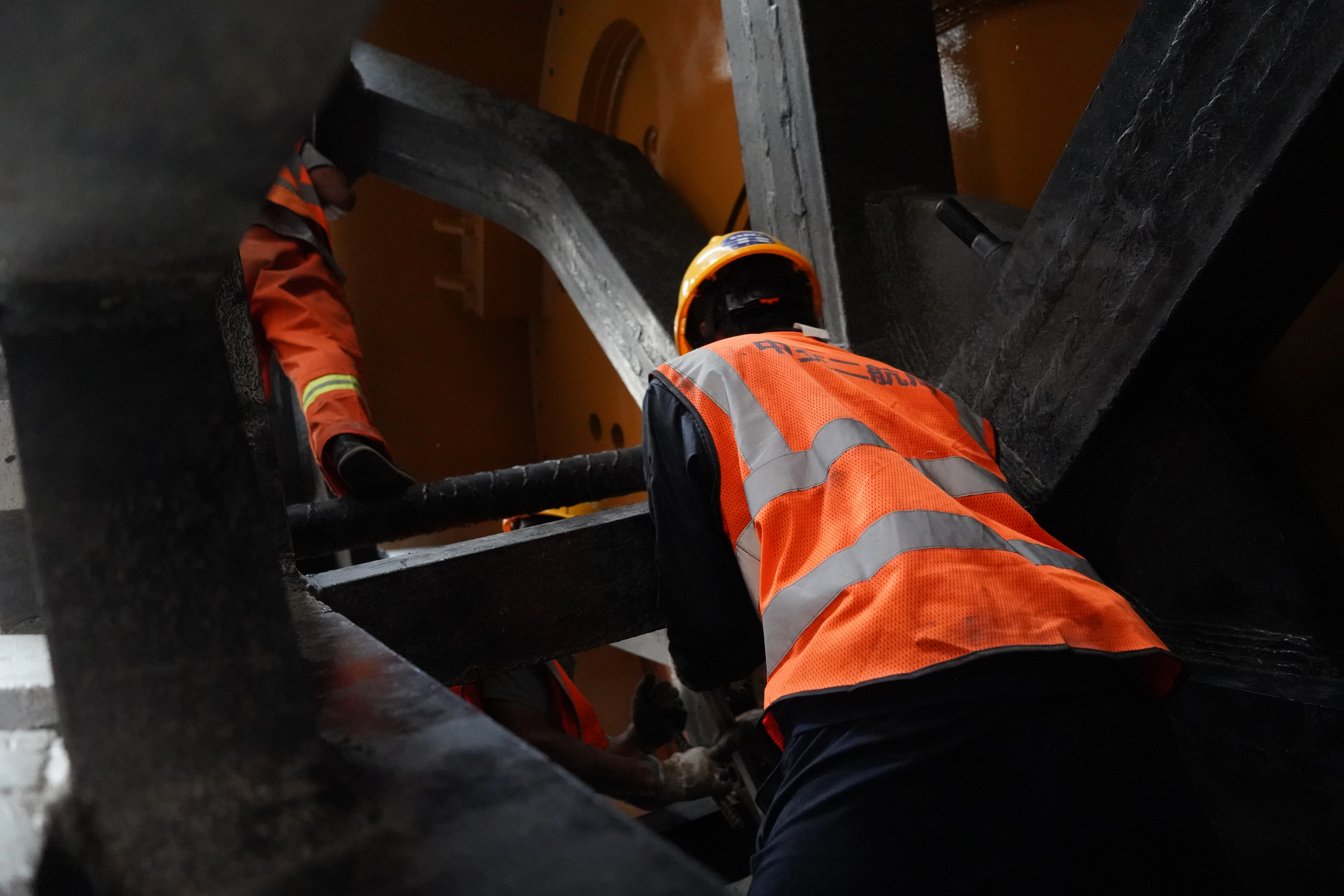
How Torque Works in a Tunnel Boring Machine
You need to understand how torque works in a tunnel boring machine. Torque is the force that makes the cutterhead spin. The cutterhead is the round part at the front of the tbm. It cuts through soil, rock, and cobbles. When you start a tbm, the motors send power to the cutterhead. This power creates torque. The cutterhead uses this torque to turn and push against the ground.
Several factors influence how much torque the tbm needs. These include the type of ground, the size of the cutterhead, and the speed at which the cutterhead turns. You can see the main factors below:
The cutterhead thrust and cutterhead torque are the two main things that affect how well your tbm works.
The ground type changes how much torque you need. Harder ground or cobbles require more torque.
The speed of the cutterhead matters. If the cutterhead spins too fast, it can get too hot and wear out.
The size of the cutterhead also changes the torque needed. Bigger cutterheads need more torque.
You can measure torque with special sensors on the cutterhead drive. These sensors send data to a computer. You can watch the torque in real time. This helps you control the tbm and keep the cutterhead working well.
High Torque Helps a TBM Tunnel Chew Through Cobbles
When you face cobble-rich ground, you need a lot of torque. High torque helps a tbm tunnel chew through cobbles by giving the cutterhead enough force to break and move the stones. The cutterhead must push hard against each cobble. If the torque is too low, the cutterhead will stop or get stuck. You want the cutterhead to keep turning, even when it hits big cobbles.
High torque helps a tbm tunnel chew through cobbles in several ways:
The cutterhead can break tough cobbles without slowing down.
The cutterhead can keep moving cobbles out of the way.
The cutterhead can clear jams before they stop the tbm.
You get better tunneling efficiency when the cutterhead has enough torque. The tunnel boring machine can keep moving forward. You do not waste time fixing jams or changing worn parts. High torque helps a tbm tunnel chew through cobbles by making the cutterhead strong and steady.
CEGC designs tbm machines with stable torque delivery. The cutterhead stays rigid and does not shake. This means the cutterhead can handle cobbles without breaking. CEGC uses special tools to set the right pressure on the cutterhead bearings. This keeps the cutterhead turning smoothly. High torque helps a tbm tunnel chew through cobbles by making sure the cutterhead does not lose power.
You can see how high torque helps a tbm tunnel chew through cobbles in real projects. In one project, the tbm cutterhead kept ground settlement below 13.1 mm, much less than the limit of 30 mm. In most projects, the cutterhead kept settlement under 10 mm. The tbm worked for over 4.5 km without big problems. High torque helps a tbm tunnel chew through cobbles and keeps your project safe and on track.
Preventing Jams and Cutterhead Damage
You want to avoid jams and cutterhead damage when you tunnel through cobbles. Jams happen when cobbles block the cutterhead. This can stop the tbm and cause delays. High torque helps a tbm tunnel chew through cobbles by giving the cutterhead the power to push past jams. The cutterhead can break or move cobbles that might block the way.
You also need to protect the cutterhead from damage. If the cutterhead gets stuck, it can wear out or break. High torque helps a tbm tunnel chew through cobbles by keeping the cutterhead moving. The cutterhead does not get stuck as often. You spend less time fixing the cutterhead and more time tunneling.
CEGC uses smart cutterhead designs to prevent jams. The cutterhead has special shapes and tools to grab and move cobbles. The cutterhead also has sensors to watch for jams. If the cutterhead starts to slow down, the tbm can change how it works. The cutterhead can turn slower or faster to clear the jam. High torque helps a tbm tunnel chew through cobbles by letting the cutterhead adjust to tough spots.
You can trust CEGC to give you a tunnel boring machine that handles cobbles. The cutterhead stays strong and keeps turning. High torque helps a tbm tunnel chew through cobbles and keeps your project moving forward.
High torque helps you tunnel through cobbles with fewer stops and less jamming. This means the work goes faster and is safer for everyone. CEGC gives you TBM solutions that you can change to fit your needs. These machines have smart AI monitoring and parts you can swap out.
Feature |
Benefit |
|---|---|
Modular Designs |
Fit city sites, cut down on waiting |
AI Monitoring |
Spot problems early, make things safer |
FAQ
What makes a TBM cutterhead effective in cobble-rich tunnel excavation?
The cutterhead works well when it has high torque. High torque helps break cobbles and makes digging faster. This means the tunnel boring machine can dig better in cobble-rich ground.
Tip: Pick a cutterhead made for mixed ground to make digging easier.
How does high torque improve excavation efficiency in tunnel projects?
High torque keeps the cutterhead turning all the time. It breaks cobbles quickly and stops long delays. This helps the tunnel boring machine finish the job on time.
Can you customize a TBM for different tunnel excavation conditions?
You can ask for special features for your tunnel boring machine. CEGC gives you cutterhead designs and torque choices that fit your project. These options help the tunnel boring machine dig better and faster.


