
Long drives succeed when TBM tunnel stoppages stay rare. You need TBM tunnel boring machines to stop only a few times to ensure tunnels are completed efficiently and effectively. Frequent stoppages can lead to wasted time, increased costs, and safety issues. Over 60% of tunnel projects experience delays due to maintenance staff making changes. CEGC provides market-standard specifications and customizable options for tunnel boring machines, microtunnelling machines, and auger boring machines. Long tunnel drives work best when TBM stoppages are rare, minimizing delays and costs associated with frequent interruptions.
Key Takeaways
-
Reduce TBM stoppages to keep tunnel work on time and on budget. Stopping often causes delays and costs more money.
-
Watch TBM performance by checking how fast it moves. This helps find stoppages early and lets workers fix problems quickly.
-
Use new tools and methods, like real-time checks and closed-mode face support, to make TBM work better and safer.
TBM tunnel stoppages: types and tracking
Stoppage types in tunnel machines
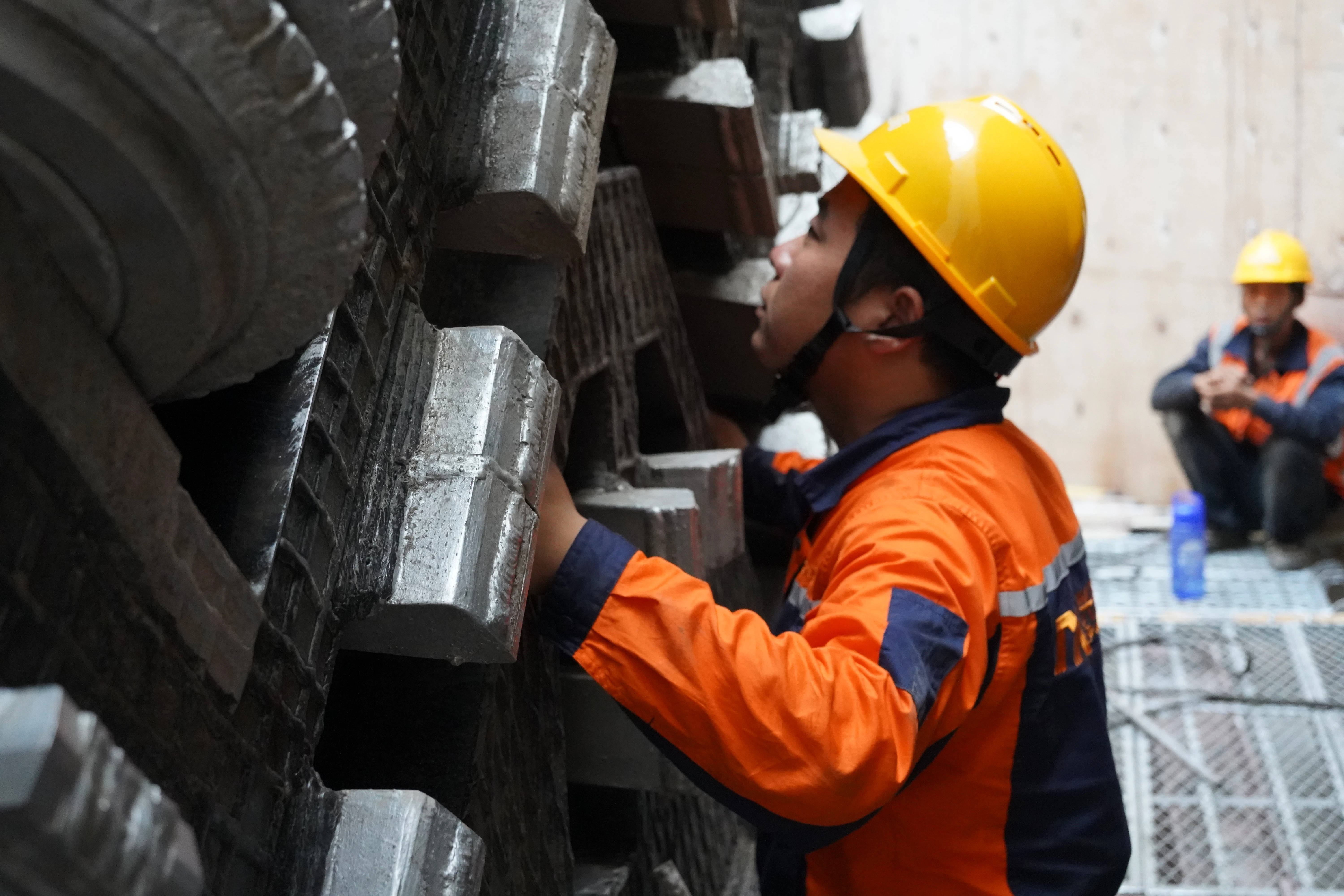
There are different reasons why a TBM might stop during tunnel building. Some stops happen because of machine problems. These problems can be things like cutterhead wear, blocked muck transport, or hydraulic faults. Other stops are caused by the ground. You might have to deal with loose soil, water coming in, or sudden changes in the ground. Sometimes, workers stop the TBM to check if it is going straight or to fix something. Every time the TBM stops, it slows down the tunnel work and affects the project. In cities, there are strict rules about how much the ground can move, so you may need to pause work. You also have to be careful about safety when working underground. Each stop can make the tunnel take longer and cost more money.
Measuring stoppages in long drives
It is important to keep track of TBM stops during tunnel building. One way to do this is by watching the penetration rate. If the TBM moves less than 10 millimeters per minute, that counts as a stop. If it goes faster, the TBM is working well. You should write down this information for the whole tunnel job. This helps you see if there are any patterns and find ways to stop losing time. Keeping track of stops helps you make the TBM work better and finish the tunnel on time. You can use what you learn to plan repairs and avoid long waits during tunnel building.
Tip: Keeping good records of stops helps you make smart choices and keeps your TBM tunnel project running smoothly.
Impacts of stoppages on long drives
Schedule and cost effects
When the TBM stops, you face many problems. Every stop means you lose time. Delays can make your project take longer and cost more money. Sometimes, the ground is not what you expect. You might find fault zones or squeezing ground. These things can make the ground unstable or jam the TBM. Famous tunnels like the Evinos-Mornos tunnel in Greece and the Pinglin highway tunnel in Taiwan had these problems. They show how surprises underground can slow down work and raise costs.
You also have to watch for ground movement in cities. If the TBM makes the ground move, you might get claims or have to stop. If the ground is not stable or water gets in, you must stop for repairs or safety checks. When the cutterhead wears out, you need to fix it. If the tunnel path is not straight, you must stop and fix it. Every stop makes your project take longer and cost more.
CEGC helps you with these problems. You use face pressure control and ground protection to keep digging safe. Soil conditioning and muck transport help you move dirt and stop blockages. Modular design and easy layouts make fixing things faster. These tools help your TBM keep moving and finish the tunnel on time.
Safety and tunnel quality risks
You always need to think about safety when building a tunnel with a TBM. When the TBM stops, the tunnel changes. You lose control over stress and support. This can cause cracks or even a collapse later. You must check safety again before you start the TBM. If you stop a lot, the tunnel might have more problems. You could see stress move, lose support, or get water in the tunnel. These things make it harder to keep the tunnel safe and strong.
When a Tunnel Boring Machine (TBM) stops, the tunnel is not as safe. The tunnel can have stress changes, lose support, or get cracks. There is a risk of collapse later. Old safety checks may not work anymore. You must check safety again before you start working.
CEGC gives you tools to help with these risks. Closed-mode face support keeps the tunnel face safe. Sealing and pressure systems stop leaks and help the tunnel stay strong. Guidance systems help you keep the tunnel straight. You use these tools to keep the tunnel good and safe.
Owner and contractor challenges
If you own or build a tunnel, you face many problems. The ground can surprise you and change your plans. Water can come in fast or rocks can break. These things can slow you down and cost more money. It is hard to finish on time and not spend too much.
You also have to watch for ground movement in cities. TBM digging can make buildings move, which is a big problem. Smart tools do not always see all the layers of soil. You need better ways to set TBM controls and stop ground movement.
CEGC helps you with custom solutions for your project. You pick the right TBM for your ground. Modular parts help you work in small spaces and fix things fast. Easy layouts and checks make repairs simple. CEGC gives you training, help with starting, and spare parts. These things help you solve problems and finish your tunnel.
|
Factor |
Contribution to TBM Stoppages |
|---|---|
|
Urban Settlement Limits |
Can make buildings unstable and cause stops if not managed. |
|
Face Instability |
Makes it hard for the TBM to dig, so it might stop. |
|
Water Ingress |
Can flood the tunnel and stop work for safety. |
|
Cutterhead Wear |
Worn tools slow work and need fixing, causing delays. |
|
Alignment Deviation |
If the tunnel is not straight, you must stop and fix it. |
You need to keep your TBM moving to avoid these problems. CEGC’s tools help you with face instability, water coming in, cutterhead wear, and tunnel path problems. You keep your tunnel safe and finish your project on time.
Causes and solutions: keeping stoppages rare
Mechanical and geological causes
You face many challenges during tbm tunnel construction. The ground can change quickly. You might find fault zones, squeezing ground, or mixed face conditions. These problems can stop tunnel boring machines and slow your project. When the ground squeezes or collapses, the tbm can jam. You see this most in soft soils or when you cross fault zones. Even small ground movements can cause the cutter head or shield to stick. This can damage the tunnel support and delay your work.
You must watch for these risks in every tunnel. Real-time monitoring helps you see changes in the ground before they cause trouble. You can use sensors to track pressure, movement, and machine performance. This lets you act fast and keep the tbm moving. If you do not watch closely, you may face long delays and higher costs. You want to avoid these problems so long drives succeed when tbm tunnel stoppages stay rare.
Here are some common challenges you may face:
-
Fault zones can make the ground unstable and stop the tbm.
-
Squeezing ground can jam the shield or cutter head.
-
Mixed face conditions need special tools and settings.
-
Hard rock or soft soil can wear out the cutter head quickly.
|
Challenge |
Description |
|---|---|
|
Jamming of Cutter Head |
Small ground movements can stick the cutter head and stop progress. |
|
Jamming of Shield |
Squeezing ground can jam the shield and halt the tbm. |
|
Damage to Tunnel Support |
Unstable ground can damage tunnel supports and cause safety risks. |
You need to plan for these risks in every infrastructure project. You keep your tunnel boring machines working by understanding the ground and using the right tools.
Operational and maintenance factors
You control many factors that keep your tbm running. Good operations and maintenance help you avoid stops. You must keep the right face pressure to hold the ground steady. If you let the pressure drop, the ground can move or collapse. You also need to watch for over-excavation. If you dig too much, you can create voids or sinkholes above the tunnel.
You should always check the tunnel before you restart the tbm. Safety comes first. You reduce risk by limiting how much you dig at one time. You also want to keep workers safe during stops. You do this by reducing human exposure and using machines for checks and repairs.
Here are some best practices for tbm tunnel construction:
-
Maintain steady face pressure to keep the tunnel stable.
-
Monitor over-excavation to prevent dangerous voids.
-
Reassess risks and check tunnel stability before restarting.
-
Carry out repairs in stable ground to avoid accidents.
-
Keep the membrane filter cake in good shape for compressed air support.
-
Set clear limits on over-excavation to stop sinkholes.
You can use real-time monitoring to track all these factors. This helps you spot problems early and fix them before they stop the tbm. You want to make sure long drives succeed when tbm tunnel stoppages stay rare.
Technical solutions for rare stoppages
You have many tools to keep tunnel boring machines moving. CEGC gives you advanced solutions for every challenge. You can use closed-mode face support to keep the tunnel face stable in soft or wet ground. This system holds the right pressure and stops water from coming in. You also get a formation-targeted cutterhead configuration. This lets you match the cutter head to the ground, whether you face hard rock, soft soil, or a mixed face.
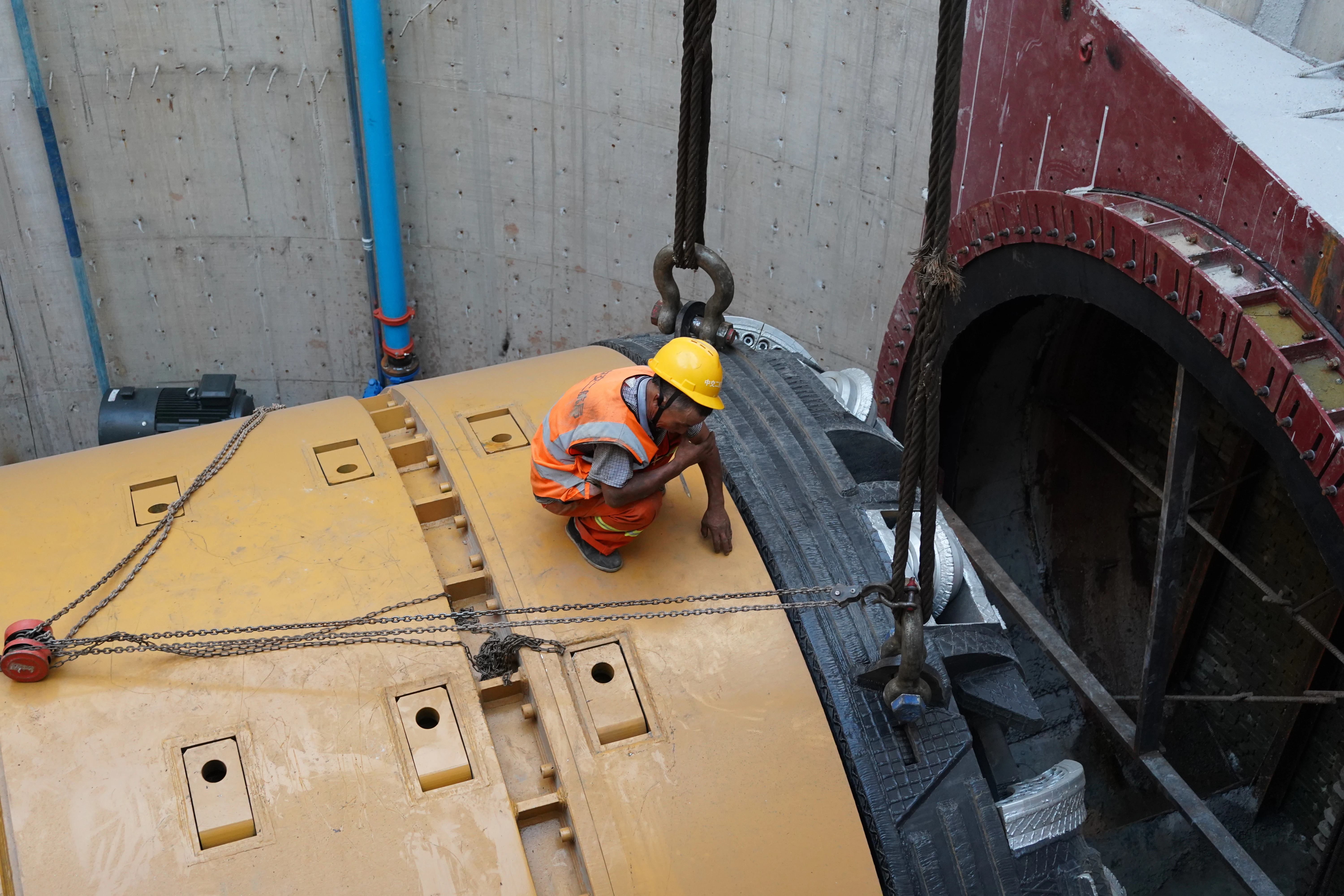
You use guidance systems to keep the tunnel on the right path. These systems help you avoid alignment problems and reduce the need for stops. Modular assembly makes it easy to move and fix parts, even in tight spaces. You can swap out worn parts fast and get back to work.
Here is a table of technical solutions you can use:
|
Solution |
How It Helps You |
|---|---|
|
Closed-Mode Face Support |
Keeps the tunnel face stable and controls pressure in soft ground. |
|
Formation-Targeted Cutterhead |
Matches the cutter head to the ground for better cutting and less wear. |
|
Guidance System Integration |
Keeps the tunnel straight and reduces alignment stops. |
|
Modular Assembly |
Makes repairs and part changes faster and easier. |
|
Soil Conditioning & Muck Transport |
Moves spoil smoothly and prevents blockages. |
You can see the difference when you use these solutions. In one project, the team used real-time monitoring and CEGC’s closed-mode face support. They finished a 3-kilometer tunnel with only two stops. The project stayed on schedule and within budget. In another project, the team did not use these tools. They faced frequent stoppages, lost time, and spent more money fixing problems.
You want your infrastructure projects to run smoothly. You want to finish on time and keep costs low. You can do this when you use the right tunnel boring machines and follow best practices. You see that long drives succeed when tbm tunnel stoppages stay rare. You keep your tunnel safe, your team productive, and your project successful.
Tip: Always use real-time monitoring and advanced support systems to keep your tbm moving. This is how long drives succeed when tbm tunnel stoppages stay rare.
You get good tunnel drives when you have fewer tbm stoppages. Fast recovery from tbm tunnel stoppages helps your project stay on time and not cost too much. CEGC gives you tbm and microtunnelling machines that you can change to fit your needs. These machines have strong support systems. Top companies use ways to stop problems and fix them quickly. This keeps the tunnel safe and stable.
FAQ
What makes a tbm stop during a tunnel project?
You may see a tbm stop because of hard ground, water, or machine issues. Quick checks and good planning help you keep the tunnel moving.
How do you keep a tbm working in a long tunnel?
You use real-time monitoring and strong support systems. These tools help you spot problems early and keep the tbm moving through the tunnel.
Why is it important to track tbm stoppages in tunnel construction?
You track tbm stoppages to find patterns and fix issues fast. This helps you finish the tunnel on time and avoid extra costs.


