
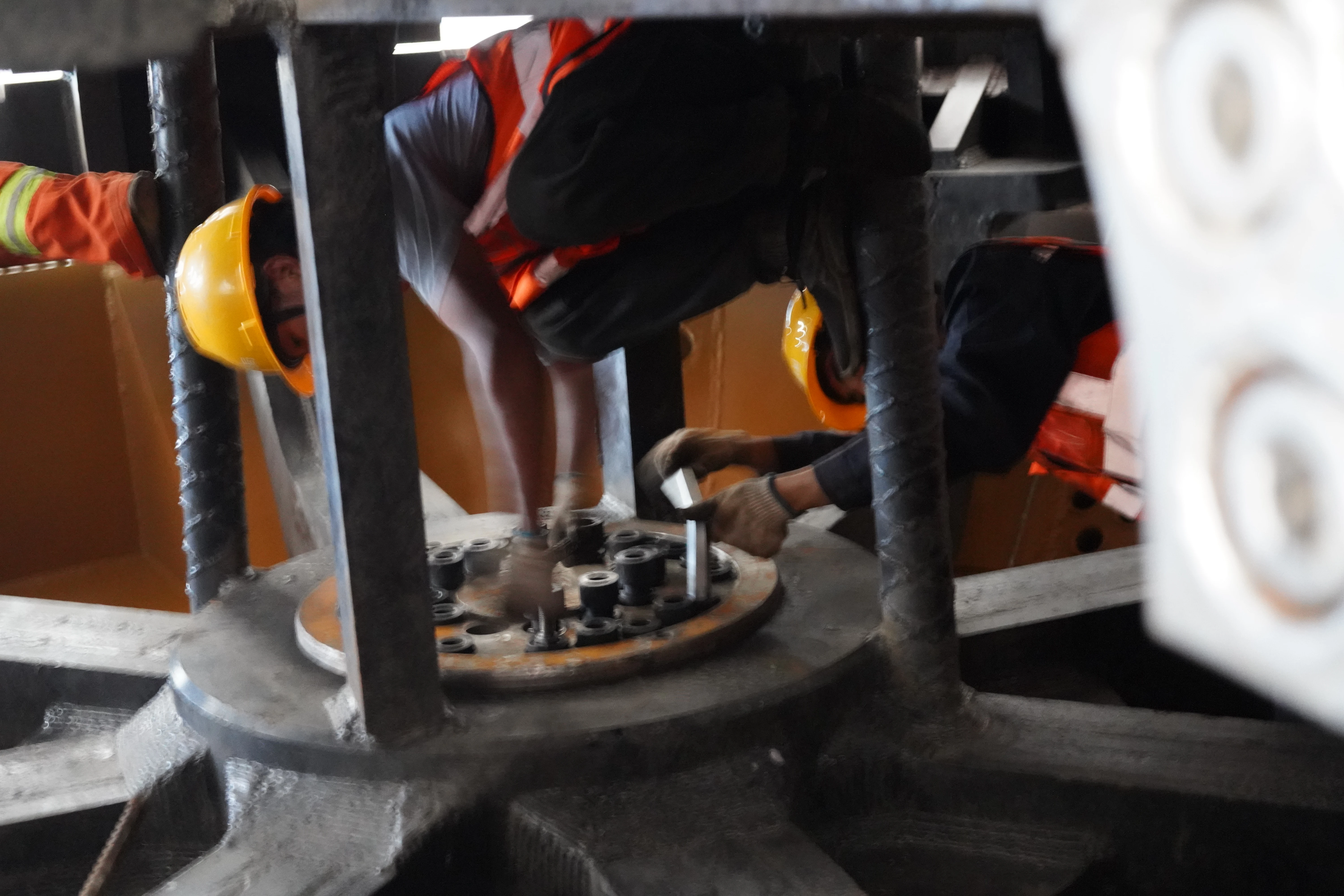
Torque spikes can wreck a TBM machine gearbox fast. You face significant risks when torque rises quickly during tunnel machine operations. These spikes exert additional pressure on gears, bearings, and shafts. Field data indicates that torque spikes can shorten the lifespan of gearboxes and increase the frequency of repairs. Tunnel boring machines and microtunnelling machines must effectively manage heavy torque loads. If torque spikes occur, you may experience rapid wear or even failures. CEGC provides specialized solutions to help you maintain steady torque levels. Torque spikes frequently lead to higher costs and increased downtime.
Key Takeaways
-
Torque spikes can harm a TBM machine gearbox fast. Watch torque levels to stop expensive fixes.
-
Regular care and checking are very important. Use vibration sensors and look at lubrication to find problems early.
-
Teach your team the best ways to work. Good training stops torque spikes and keeps your tunnel machine working well.
What Are Torque Spikes in Tunnel Machines
Definition and Causes
Torque spikes happen when torque in your tunnel machine goes up fast for a short time. These spikes can show up when you use a tunnel boring machine or a microtunnelling machine. They often happen because the machine load or the ground changes suddenly. You might see a spike if the cutterhead hits hard muck or if the machine starts or stops quickly. Sometimes, misalignment or design limits can also cause spikes.
Here is a table that lists the main torque parts that affect tunnel machines:
|
Torque Component |
Description |
|---|---|
|
T1 |
Friction between the front of the cutting wheel and the muck |
|
T2 |
Friction between the circumference of the cutting wheel and the muck |
|
T3 |
Friction between the back of the cutting wheel and the muck |
|
T4 |
Ground cutting and excavating process component |
|
T5 |
Shearing of muck at cutting wheel openings |
|
T6 |
Friction between mixing bars and muck |
|
T7 |
Friction generated by the bearing system |
|
T8 |
Sealing losses |
You need to study these parts closely to know how torque spikes start. CEGC gives you standard specs and custom options for your project to help you control torque and lower risk.
How Torque Spikes Occur in TBM Operations
You can see torque spikes when the machine starts or stops, during shock loading, or when the ground changes. In microtunnelling machines, staged digging makes zones where torque changes fast. These zones happen in soils that are loose and have a high depth-to-diameter ratio. You need to study the machine to guess how torque will act in these cases.
-
Rock bursts and faults in the ground can cause torque spikes in tunnel boring machines.
-
The cutterhead reacts to changes in the ground, so you must change how you work to keep torque steady.
-
Changes in the rock around the machine can change torque and need you to keep checking.
You use analysis to find torque spikes early and keep your tunnel machine safe. CEGC helps you with torque management solutions made for your project.
How Torque Spikes Can Wreck a TBM Machine Gearbox Fast
Gear Tooth and Shaft Failures
Torque spikes can damage a TBM machine gearbox quickly. When torque goes up fast, gear teeth get a lot of stress. This stress can make teeth crack or break. You might see teeth that are chipped or missing. Shafts can fail if torque overloads twist or bend them. If you do not fix these problems, the gearbox can stop working. You need to check why torque spikes cause damage. Gearboxes show signs of wear before they break. Look for misalignment and strange movement. Checking failures helps you find weak spots early. Studying torque helps protect your tunnel machine.
|
Failure Mode |
Description |
Impact on Tunnel Machine |
|---|---|---|
|
Gear Tooth Breakage |
Teeth crack or snap under sudden torque spikes |
Loss of power, downtime |
|
Shaft Twisting |
Shaft bends or twists from overload |
Machine stoppage |
|
Shaft Fracture |
Shaft breaks completely |
Major repair needed |
You must check to find what causes damage. Torque spikes can ruin a TBM machine gearbox if you do not act fast.
Bearing and Lubrication Damage
Bearings get damaged when torque spikes hit your tunnel machine. Too much torque makes bearings heat up and wear out. Lubrication can break down when stress is high. If lubricant fails, metal parts rub and cause more harm. You need to check for bearing wear and lubrication problems. Gearboxes need smooth bearings and good lubrication. If you lose lubrication, bearings can fail and the gearbox gets worse.
Tip: Watch temperatures to find lubrication problems early. If temperature goes up fast, lubricant may be low. Vibration checks can find bearing damage before it gets bad.
Check bearings and lubrication often. Checking failures shows torque spikes can damage a TBM machine gearbox by hurting bearings and lubrication fast.
Early Warning Signs
You can find warning signs before torque spikes cause big damage. Listen for weird noises from the gearbox. Feel for vibration in the tunnel machine. Watch for overheating. These signs mean you should check for failures right away. Gearboxes give warning signs before breaking. Use tools to find problems early.
-
Vibration checks find mechanical problems fast.
-
Temperature checks find friction and lubricant issues.
-
Noises can mean gear tooth or shaft problems.
Act on these signs to protect your tunnel machine. If you ignore them, torque spikes can ruin a TBM machine gearbox fast. Checking failures helps you avoid costly repairs and downtime. You save money and keep your project safe.
Note: Ignoring warning signs makes damage more likely. You will pay more, lose time, and face safety risks. Use checks to stop gearbox failure.
Torque spikes can ruin a TBM machine gearbox fast. You need to check for damage early. Gearboxes last longer when you watch torque and fix problems. You keep your tunnel machine working and avoid expensive repairs.
Preventing Gearbox Damage from Torque Spikes
Maintenance and Monitoring
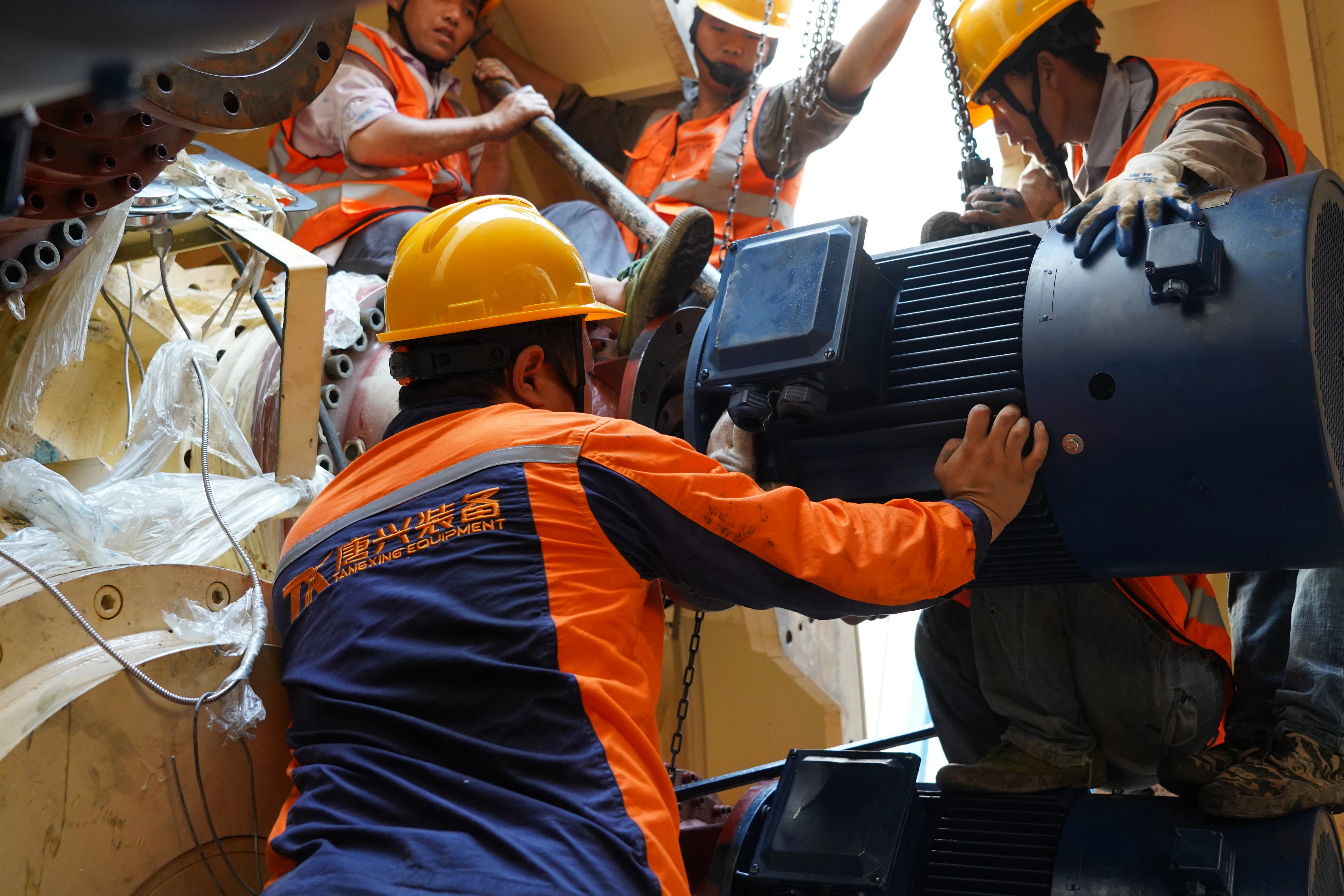
You can stop gearbox damage with good maintenance. Start by checking your tools often. Use vibration sensors and acoustic emission sensors to help you. These tools find early signs of wear. Vibration analysis and data checks spot problems before they get worse. Here are steps you should follow:
-
Always follow the tunnel machine manual.
-
Check the machine before you start it.
-
Use the right oil and the right amount.
-
Keep your TBM machine clean every day.
-
Write down all maintenance work you do.
-
Pick the right tool for each job.
-
Use lockout/tagout to stay safe.
-
Change worn parts as soon as you can.
-
Train your team many times a year. 10. Do preventive maintenance, not just repairs.
You should use predictive maintenance and real-time checks to stop failures.
Installation and Alignment Best Practices
Good installation and alignment stop torque spikes. Use vibration sensors and acoustic emission sensors when you set up. Tool checks and vibration analysis help you see if things line up. Multi-modal sensor fusion gives you a full view of gearbox health. If you align parts right, you stop stress on gears and shafts.
Torque Limiters and Soft-Start Systems
Torque limiters and soft-start systems stop shock loads. These devices use smart sensors to control torque. Vibration sensors and acoustic emission sensors work together for tool checks. Multi-modal sensor fusion and vibration analysis help you set things right. You stop sudden torque changes and keep your gearbox safe.
Operator Training and CEGC Solutions
Training your team is very important. Teach them to use tool checks, vibration sensors, and acoustic emission sensors. CEGC gives you custom solutions for your tunnel machine. You get torque transducers, data systems, and multi-axis sensors. These tools help with real-time checks and data-driven monitoring. You can use analysis to stop failures. Multi-modal sensor fusion and vibration analysis help you make smart choices. CEGC helps you avoid downtime and keep your TBM machine working.
You can stop gearbox damage if you check often. Train your team so they know what to do. Pick the best technical solutions for your tunnel machine.
-
Doing maintenance before problems happen can make TBM work longer by 20%.
-
Regular checks and skilled workers help your tunnel machine stay reliable.
CEGC gives you standard specs and custom choices. These help you run your tunnel machine safely and save money.
FAQ
What is a torque spike in a tunnel boring machine?
A torque spike is a sudden, sharp increase in force on your TBM machine. It can damage gears, bearings, and shafts quickly.
How do you detect early gearbox damage?
Listen for strange noises. Feel for vibration. Watch for overheating. These signs help you find problems before they get worse.
Why should you choose CEGC for torque management?
You get market-standard specs and custom solutions. CEGC helps you control torque, protect your tunnel machine, and reduce downtime.


