
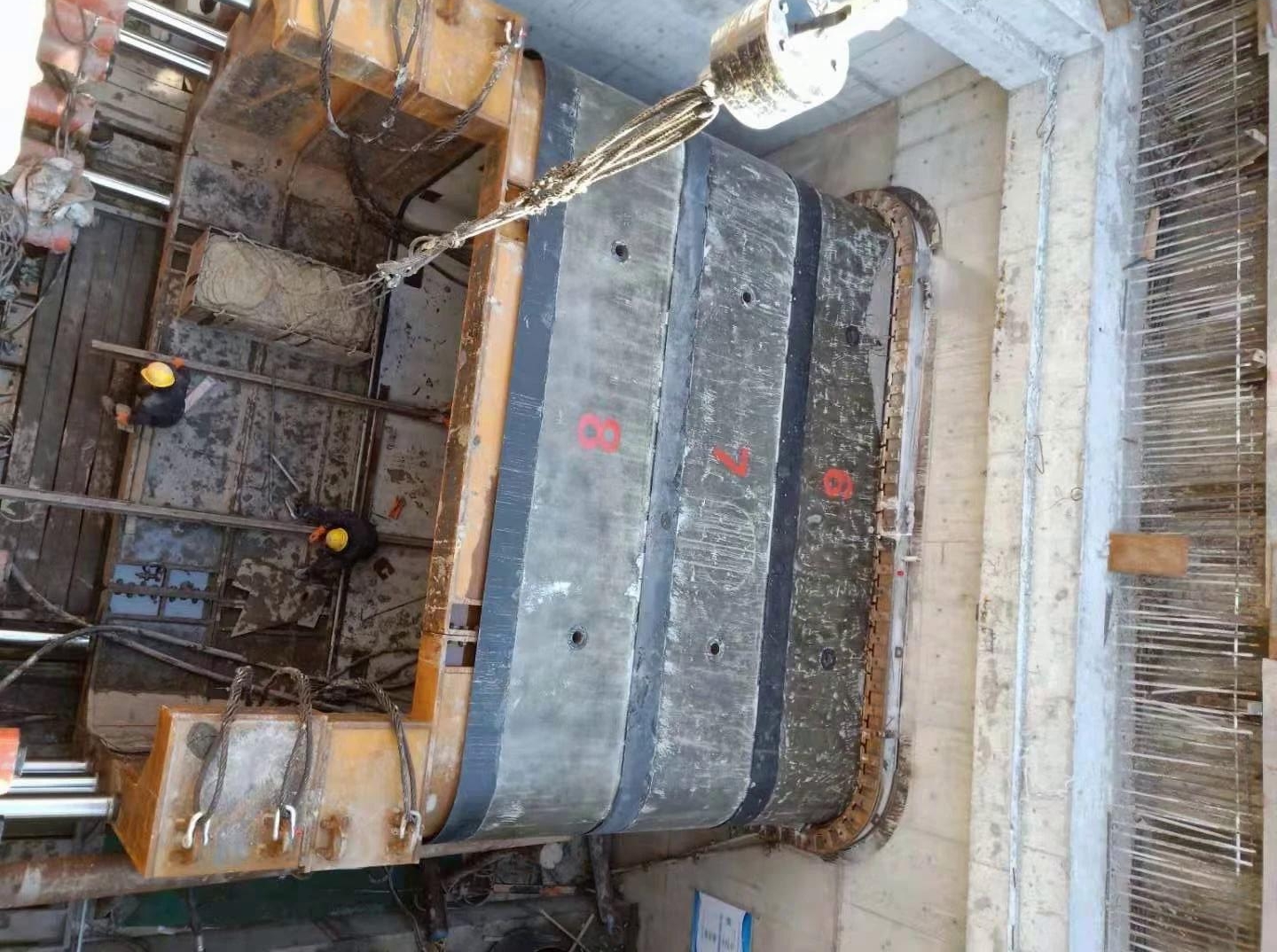
Separation capacity is micro tunneling’s hidden bottleneck. You might focus on the tunnel machine, but many projects experience slowdowns due to inadequate separation, not because of the machine itself. Studies indicate that if separation is 20% less efficient, work can decrease by 40%. CEGC helps you eliminate these costly delays.
|
Symptom |
Typical Interpretation |
Real Cause |
|---|---|---|
|
Slurry gets thicker while moving forward |
Ground is heavier than planned |
Separation cannot remove solids quickly enough |
|
Longer cleaning between pushes |
Normal cleaning time |
Cleaning up solids that have accumulated |
|
Slower progress in tough ground |
Ground is making work harder |
Operator slows down to accommodate separation |
Key Takeaways
-
Separation capacity is very important for micro tunneling projects to work well. If there is a problem with separation, your tunnel boring machine can slow down a lot. - You should check your separation system often to see if it is working too hard. Watch for thicker slurry, using more bentonite, and slower work speeds. - Pick a separation system that is the right size for your tunnel machine. Make sure you have extra capacity to deal with changes in the ground and stop expensive delays.
Separation capacity is micro tunneling’s hidden bottleneck
How separation limits TBM performance
You need your tunnel machine to keep working. But separation capacity can slow everything down. If the separation system cannot keep up, your TBM will slow or stop. This happens a lot in cities. There is not much space and the ground can change fast. The separation plant must clean the slurry and take out solids quickly. It has to match how fast the microtunnelling machine moves. If the separation system is too slow, you get delays and problems.
-
The separation system keeps the slurry clean so your tunnel boring machine works well.
-
If the separation plant cannot handle enough, your TBM slows or stops.
-
Managing separation capacity stops bottlenecks at important spots like water treatment, which helps TBM performance.
City tunnel jobs show why separation capacity matters. For example, a rectangular tunnel boring machine in a city kept ground settlement under 13.1 mm. This is much less than the 30 mm limit. In Japan, machines kept settlement under 10 mm, even in sandy ground. These good results came from strong separation systems that fit the tunnel machine’s needs.
Signs of a capacity bottleneck
You can find a capacity bottleneck by looking for certain signs. Operators may think the ground is harder or cleaning is normal, but the real problem is separation overload. Here is a table with common signs:
|
Symptom |
Typical Interpretation |
Real Cause |
|---|---|---|
|
Rising slurry density during advance |
"Ground is denser than expected" |
Separation can't remove solids fast enough |
|
Extended circulation between pushes |
"Normal cleaning cycle" |
Catching up on accumulated solids |
|
Reduced advance rate in "difficult ground" |
"Ground conditions limiting progress" |
Operator reducing rate to match separation |
|
Frequent dilution water additions |
"Maintaining proper viscosity" |
Compensating for poor solids removal |
|
Higher than expected bentonite consumption |
"Ground absorbing bentonite" |
Lost with overflow, replaced unnecessarily |
You can also see other clues that show a bottleneck:
|
Indicator |
Description |
|---|---|
|
Bentonite Consumption |
Normal sandy soils need 15-25 kg/m³; over 35 kg/m³ means separation problems. |
|
Density Variation |
Should stay within ±0.02 g/cm³; bigger changes mean trouble. |
|
Slurry Loss Mechanisms |
Includes filter cake, going into coarse ground, overflow, and discharge. |
When separation capacity is too low, work slows down. Studies show that slurry flow rate controls how well the project goes. If separation capacity is the bottleneck, your machine’s use can drop from 40% to 25-30%. This means more waiting and less work done.
Impact on cost and schedule
You pay more and wait longer when separation capacity is the bottleneck. Delays add up fast. Every lost day costs money for workers, machines, and the site. You also spend more on bentonite and getting rid of waste. Here are some common effects:
-
Pumps wear out faster: More solids hurt pumps.
-
More bentonite used: Bad separation means you need extra.
-
Disposal costs go up: You pay to get rid of slurry, not just solids.
-
Projects take longer: Delays add costs and risk claims.
Picking the right separation system is important. Most jobs use standard systems, but CEGC lets you pick what fits your project. You can choose small, medium, or large systems:
|
Capacity Type |
Description |
|---|---|
|
Small Capacity |
Good for small jobs in cities with little space. |
|
Medium Capacity |
Works for medium jobs and different soils. |
|
Large Capacity |
Best for big jobs, runs all the time and separates well. |
You need to match the separation system to your tunnel machine and soil. Clay needs a different system than rock. Bentonite in hard rock changes what you need. CEGC helps you pick the right system for your job.
If you plan for separation capacity early, you get better results. Projects finish faster, cost less, and have fewer problems. You avoid delays and claims. You protect the ground and keep pressure steady, so there is less settlement and water coming in. Separation capacity is a hidden bottleneck, but you can fix it with the right system and planning.
Solving the capacity bottleneck with the right system
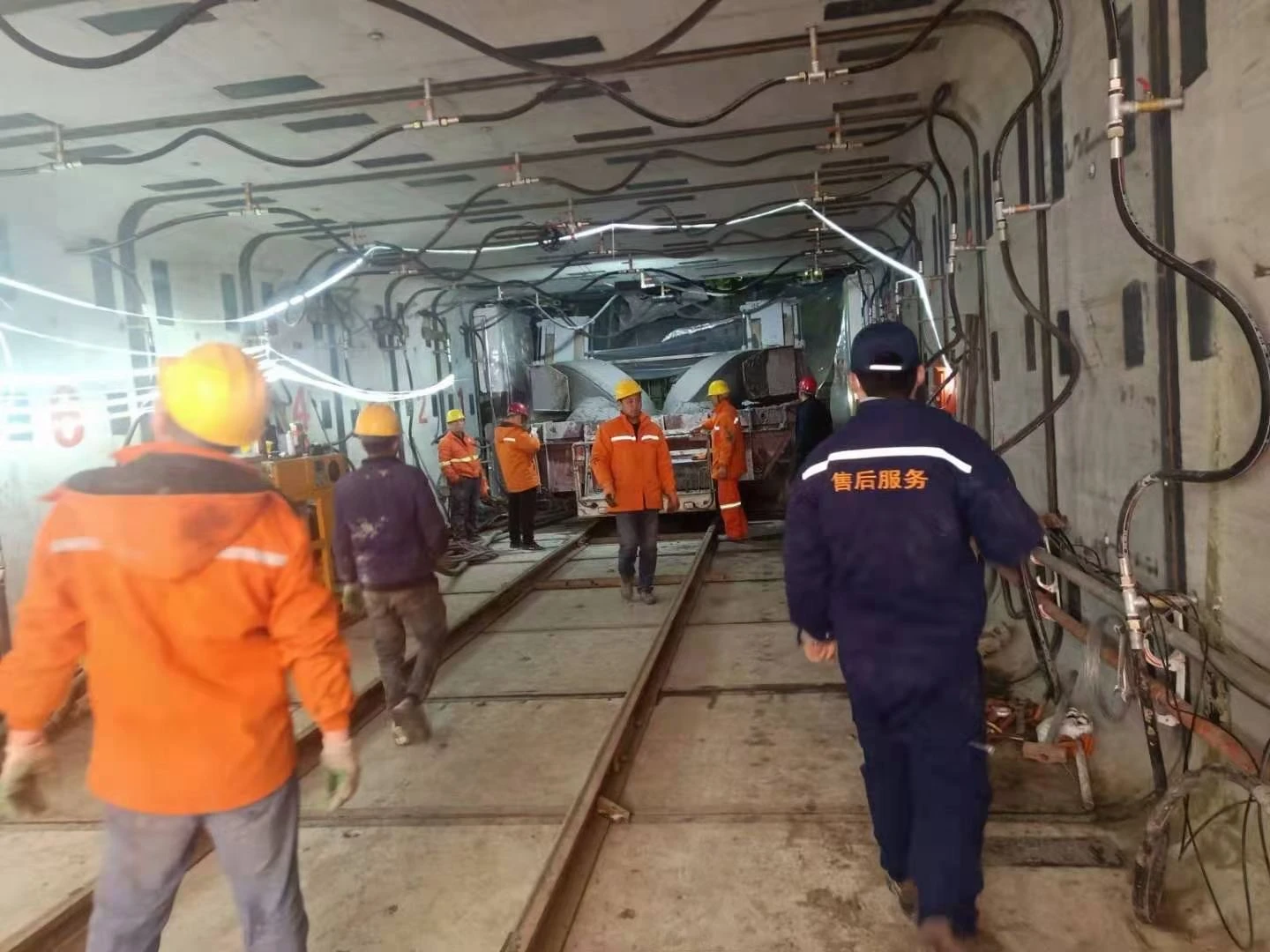
Sizing separation for your tunnel machine
You have to pick the right size for your separation system. If it is too small, you will get a bottleneck. Start by looking at how fast your tunnel boring machine can dig at its fastest. Do not use the average speed. Add 20-30% more to handle changes in the ground. If you think there will be fine soils, make the system bigger so the slurry stays longer. Always add 15-20% more than your highest digging rate. This way, you can avoid delays and keep your microtunnelling machine working.
-
Use the fastest speed of your tunnel machine.
-
Add extra for when the ground changes.
-
Plan for fine soils that need more time.
-
Always add a little more as a safety margin.
Monitoring and managing separation
You need to check your separation system often to stop bottlenecks. Every part of the system is important:
|
Equipment Component |
Function |
|---|---|
|
Microtunnel Boring Machine (MTBM) |
Digs the tunnel and handles the soil. |
|
Spoil removal system |
Moves spoil away fast so fines do not pile up. |
|
Slurry transportation system |
Keeps water pressure right and separates spoil from slurry. |
|
Separation process |
Cleans the slurry so you can use it again at the front. |
Do regular maintenance on your equipment. Watch the slurry pressure to help the tunnel face. Use sensors and tools to keep the tunnel straight.
CEGC technical solutions and customization
CEGC gives you tools to beat the capacity bottleneck. Closed-mode face support keeps the tunnel safe and stops the ground from sinking. Stable torque systems help the cutterhead last longer. Modular designs make moving and fixing things easier and faster. You get strong machines that make clean water and do not stop much. You can change the system to fit your project’s soil, flow, and discharge needs.
Centrifuge systems let you work all the time and catch more solids. You save more fluid and pay less to get rid of waste. Every CEGC system is made to fit your project.
You might not notice separation capacity, but it can make your project slower and riskier. If you plan and run your system well, you can stop delays that are hard to see. CEGC helps big projects do well by giving good support and smart ideas.
|
Project |
Benefit from CEGC |
|---|---|
|
Gotthard, Crossrail |
High output, safety, reliable separation |
FAQ
What happens if you undersize your separation system?
Your tunnel machine will go slower. This can cause delays and cost more money. Your equipment might also wear out faster.
How do you know your separation system is overloaded?
You will notice the slurry gets thicker. You might use more bentonite than usual. The work will move slower. Operators may add water a lot to help things keep going.
Can CEGC customize a separation system for your project?
Yes. CEGC can make a system just for your project. The system will fit your tunnel machine, the soil, and how much flow you need.


