
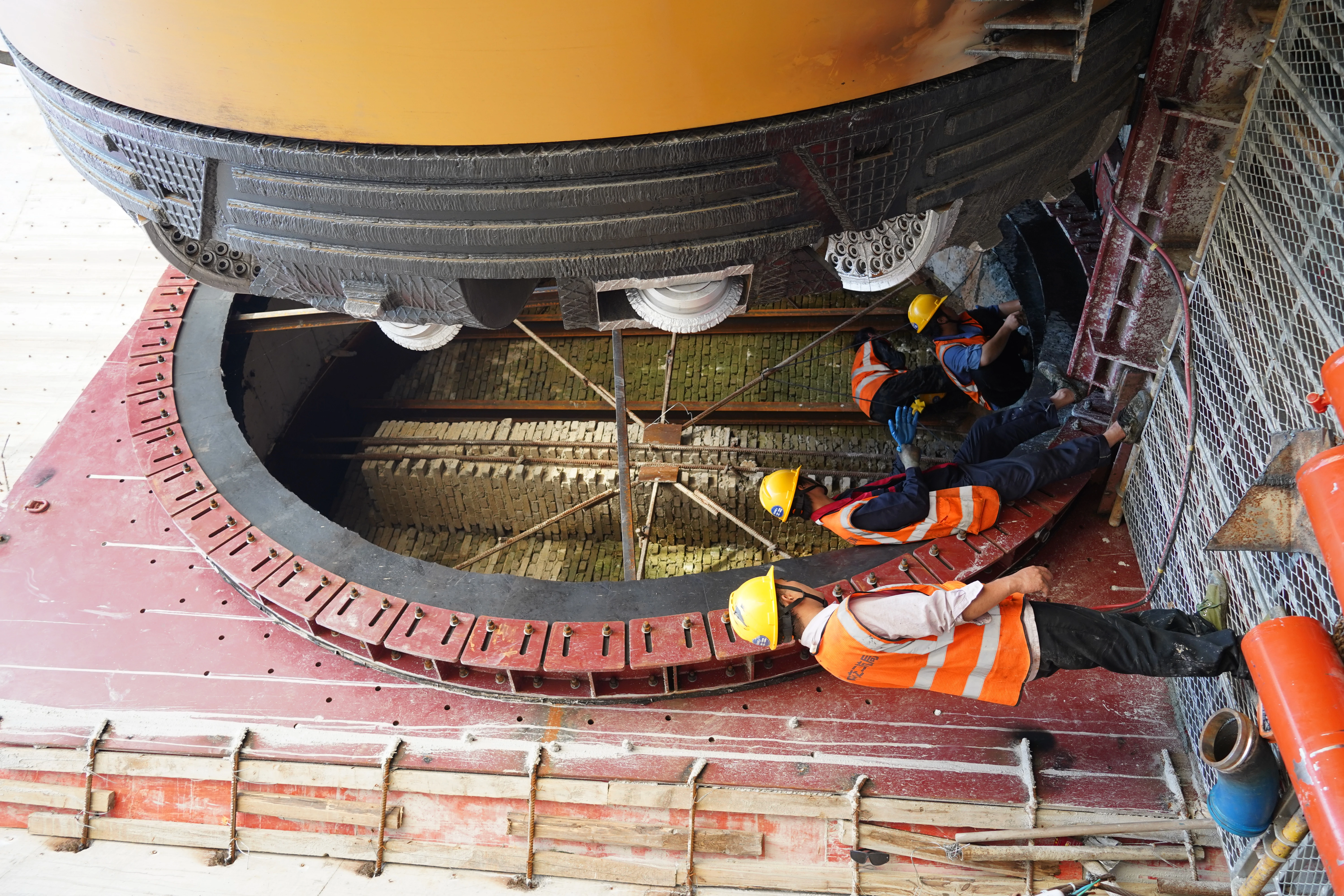
Micro tunneling grout control reduces jacking friction, enhancing the efficiency of trenchless projects. With the right grout, friction can decrease by up to 45%. Microtunneling is utilized for gravity sewers, water mains, and gas pipelines. CEGC provides specialized equipment and support to ensure optimal performance. Effective lubrication, proper annular fill, and reduced pipe-soil contact contribute to this success.
|
Application Area |
Description |
|---|---|
|
Gravity Sewers |
Used to install water mains and utility lines, preventing disruption to city streets. |
|
Railway Crossings |
Allows for the safe installation of pipes beneath train tracks without halting train operations. |
|
Urban Pipe Jacking |
Offers a secure method for installing pipes in busy urban areas. |
|
River and Waterway Crossings |
Safeguards the environment when placing pipes under rivers or lakes. |
|
Beach and Marine Pipeline Projects |
Constructs tunnels for pipes in oceanic environments, protecting them from marine challenges. |
|
Agricultural Drainage and Irrigation |
Facilitates the underground installation of pipes on farms, preserving topsoil and optimizing water usage. |
Key Takeaways
-
Micro tunneling grout control can lower jacking friction by up to 45%. This helps the project work better and faster. Using the right grout mix and good lubrication helps pipes slide easily. This lowers stress and stops possible damage. Doing things like training operators and keeping up with maintenance helps grout control work well. It also helps avoid project delays.
what is jacking friction?
definition and causes
Jacking friction is a force that makes it hard to move pipes in microtunneling. This happens when the pipe pushes through the ground. The main reason is the pipe’s outside touching the soil. Engineers call this dynamic friction. How much friction there is depends on a few things:
-
The kind of soil at your work site
-
If the pipe’s surface is rough or smooth
-
If you use lubrication during the job
The friction coefficient is not always the same. It changes with different soils like clay, sand, or gravel. Lubrication can help lower friction. But if work stops or the pipe turns, friction can get worse. Overbreak means the tunnel is cut too wide. This also makes friction higher.
Tip: Always check the soil and pipe surface before you start microtunneling. This helps you know how much jacking force you will need.
challenges in micro tunneling
Jacking friction causes many problems in microtunneling. High friction can slow your project or stop the pipe from moving. If you do not control friction, you need more power. This can hurt the pipes and machines. Long tunnels make friction even worse because it adds up.
-
Lubrication helps, but you must spread it everywhere.
-
If you stop working, friction can go up fast.
-
If the pipe does not follow the plan, resistance gets higher.
When you know these problems, you can plan better. You can pick the best ways to lower friction. This makes your microtunneling job safer and work better.
micro tunneling grout control reduces jacking friction
grout’s role in friction reduction
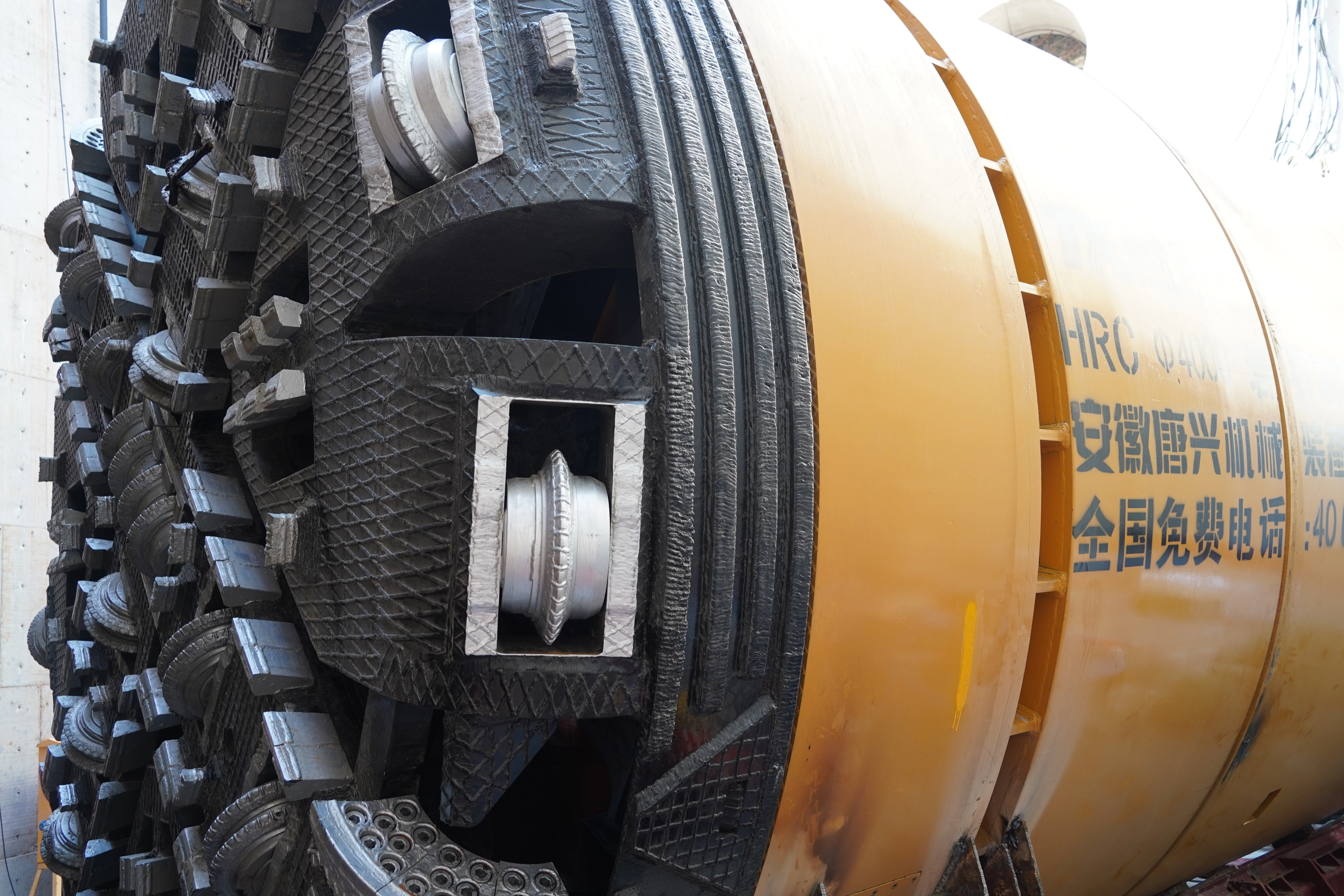
It is important to know how grout helps in pipe jacking. Grout makes a layer between the pipe and the soil. This layer helps the pipe move forward with less force. When you use micro tunneling grout control, it fills spaces and smooths the way for the pipe. Grout also holds up the ground around the tunnel, keeping it steady.
Grout does more than just fill holes. It changes dry friction into wet friction. This lets the pipe slide instead of stick. You get less pushback and smoother movement. The right grout mix lowers pressure on the pipe and soil. This keeps things safe and helps avoid damage.
-
Grout fills empty spaces and lowers friction during pipe jacking.
-
Good grout quality and even mixing are needed for best results.
-
Proper grout injection makes sure the mix fills spaces without too much pressure.
-
Grout makeup changes with ground type, which affects how well it works.
-
Lubrication fluids must stay thick enough to cut down friction.
-
Watching water-cement ratios and mixing is key for good grout.
mechanisms—lubrication and annular fill
Micro tunneling grout control cuts jacking friction in two main ways: lubrication and annular fill. Lubrication means adding a slippery layer, like bentonite slurry, between the pipe and soil. This layer helps the pipe move with less effort. Annular fill means putting grout around the pipe. This keeps the pipe in place and stops the soil from pushing too hard.
You can see these ways work in real jobs:
-
Bentonite mud makes things slippery and fills spaces.
-
It lowers how much the pipe touches the ground.
-
The mud helps the pipe float a bit, which cuts friction.
-
Bentonite is very important for lowering friction with rocks, so you need less force at the jacking station.
-
Using grout the right way fills spaces and supports the ground, stopping sinking and making tunneling smoother.
Note: In a job in northwest France, machines added bentonite automatically to help with jacking friction in tough ground. This shows why good grout control matters for long tunnels.
|
Effectiveness in Reducing Jacking Friction |
Key Features |
|
|---|---|---|
|
Polyurethane (PU) Grouts |
High |
Fast reaction, strong expansion sealing, improved water plugging |
|
PU-Water Glass Systems |
Moderate |
Enhanced bonding, optimized viscosity |
|
Composite Anti-Seepage Agents |
High |
Thixotropic friction reducer, compatible with PU, improved retention |
key factors—mix, timing, and consistency
You need to focus on three things in micro tunneling grout control: mix, timing, and consistency. The right mix gives the best results. Too much water makes grout weak. Too little water makes it hard to flow. You must change the mix for your ground type.
Timing is important because grout should fill spaces before the pipe moves too far. If you wait too long, holes can form and friction goes up. Consistency means keeping the grout the same all through the job. This stops weak spots and helps the pipe move better.
-
More jacking friction happens when grout flow loses pressure, so you need local joint jacking for good grout spread.
-
Grouts that do not shrink and have the right particle size help control grout and lower jacking friction.
-
High grout pressure can stop rocks from moving, so you must watch grout flow closely.
Homogeneous technology is a big step forward in grout mixing for mining, tunneling, and big building jobs. This way of mixing makes sure every part of the mix is spread out evenly, so the whole batch is the same.
You can see that micro tunneling grout control works best when you use the right mix, put it in at the right time, and keep it even. This lets you finish longer pipe jacking jobs with less force and fewer problems.
benefits and best practices
practical advantages for projects
Controlling grout in microtunneling gives you many benefits. You can make jacking drives longer. This lets you change borehole spots quickly. You save time on each installation, sometimes up to 6.5 hours. This helps your project finish on time. Grout mixes with cement and polyurethane make filtration better. They also make the pipe more stable, so stress goes down. You use less energy, and your equipment works better. There are fewer delays and lower maintenance costs during the project. Good grout control keeps groundwater levels steady. It stops settlement damage in cities and protects the environment.
Tip: Compaction grouting makes soft ground stronger. It helps foundations and lowers risks like settlement and liquefaction when tunneling.
best practices for grout control
You must follow best practices to get the best results from your equipment. Pick grout materials with superfine cement. These inject easily into sand layers. Use advanced grouting methods like horizontal jet grouting piles. Large pipe shed grouting gives strong support. Try construction methods like the double-sided pit or CRD method. These help control surface subsidence. Always do pre-excavation grouting to stop water from coming in. This avoids delays in your project. Train your operators with ongoing programs and tunnel safety courses. This helps them manage grout and jacking friction. Keep regular maintenance schedules for your equipment. Handle materials carefully and write down everything for better performance.
|
Best Practice |
Description |
|---|---|
|
Grout Material Selection |
Use superfine cement grout for better injectability and stability. |
|
Advanced Grouting Techniques |
Apply horizontal jet grouting and pipe shed grouting for strong support. |
|
Construction Methods |
Use double-sided pit or CRD method for strict surface control. |
|
Operator Training |
Provide ongoing training and tunnel safety courses. |
|
Preventive Maintenance |
Schedule regular inspections and keep detailed records. |
CEGC gives microtunneling equipment and grout solutions to many industries. These include ports, mining, pipelines, and energy. You get high-quality grout and local support. This helps your tunneling projects do well.
You see how grout control lowers jacking friction and helps your trenchless projects succeed. When you use grout the right way, you get less stress on pipes and smoother drives. Grout keeps soil stable and supports longer tunnels. CEGC gives you the tools and knowledge to manage grout in every sector.
-
Monitoring shows that continuous grout injection can cut friction by up to 90%.
-
Contractors report that grout solutions speed up work and save money.
|
Key Performance Indicator |
Description |
|---|---|
|
Grout Take |
Shows how well grout fills spaces |
|
Uniformity of Treatment |
Confirms grout spreads evenly |
You should always plan for grout control in your tunnel machine projects.
FAQ
What size pipes can you install with a microtunneling machine?
You can put in pipes from 200 mm to more than 3000 mm wide. The tunnel’s size changes based on what your project needs. It also depends on the type of ground at your site.
Can you use micro tunneling for gas pipelines?
Yes, micro tunneling works for gas pipelines. This method makes a safe tunnel under roads, rivers, or cities. You do not need to dig up the ground.
Does micro tunneling work with steel pipes?
Steel pipes can be put in using micro tunneling. The tunnel machine can handle many pipe types like steel, concrete, and HDPE.
Tip: Make sure your tunnel design fits the pipe material. This helps you get the best results.
|
Pipe Material |
Suitable for Tunnel Installation? |
|---|---|
|
Steel |
Yes |
|
Concrete |
Yes |
|
HDPE |
Yes |


